Since the novel coronavirus began its global spread, influenza cases reported to the World Health Organization have dropped to minuscule levels. The reason, epidemiologists think, is that the public health measures taken to keep the coronavirus from spreading also stop the flu. Influenza viruses are transmitted in much the same way as SARS-CoV-2, but they are less effective at jumping from host to host.
As Scientific American reported last fall, the drop-off in flu numbers was both swift and universal. Since then, cases have stayed remarkably low. “There’s just no flu circulating,” says Greg Poland, who has studied the disease at the Mayo Clinic for decades. The U.S. saw about 600 deaths from influenza during the 2020–2021 flu season. In comparison, the Centers for Disease Control and Prevention estimated there were roughly 22,000 deaths in the prior season and 34,000 two seasons ago.
Because each year’s flu vaccine is based on strains that have been circulating during the past year, it is unclear how next year’s vaccine will fare, should the typical patterns of the disease return. The WHO made its flu strain recommendations for vaccines in late February as usual, but they were based on far fewer cases than in a common year. At the same time, with fewer virus particles circulating in the world, there is less chance of an upcoming mutation, so it is possible the 2021–2022 vaccine will prove extra effective.
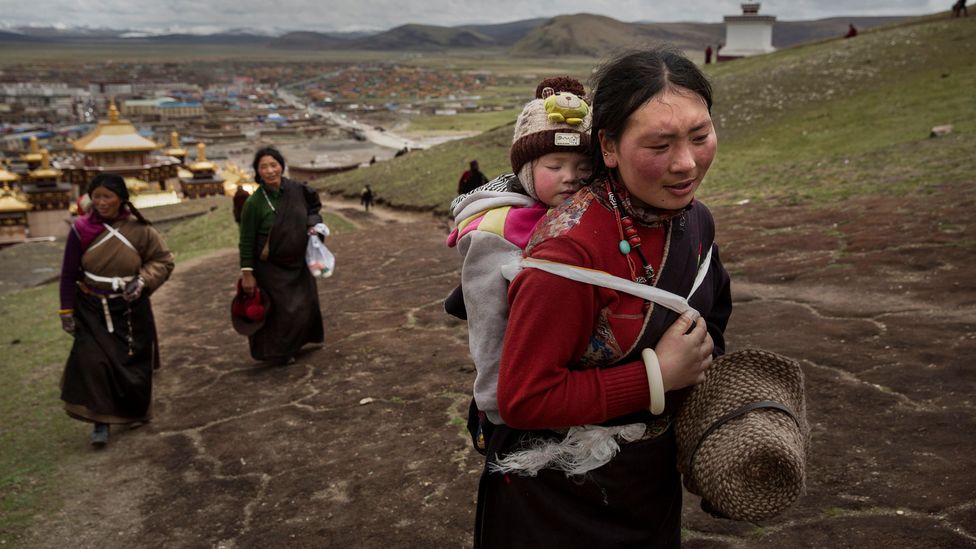
“Is he in his own room yet?” is a question new parents often field once they emerge from the haze of life with a newborn. But sleeping apart from our babies is a relatively recent development – and not one that extends around the globe. In other cultures sharing a room, and sometimes a bed, with your baby is the norm.
This isn’t the only aspect of new parenthood that Westerners do differently. From napping on a schedule and sleep training to pushing our children around in strollers, what we might think of as standard parenting practices are often anything but.
Parents in the US and UK are advised to have their babies sleep in the same room as them for at least the first six months, but many view this as a brief stopover on their way to a dedicated nursery.
In most other societies around the world, babies stick with their parents longer. A 2016 review that looked at research on children sharing not just a room but a bed with one or more of their parents found a high prevalence in many Asian countries: over 70% in India and Indonesia, for example, and over 80% in Sri Lanka and Vietnam. Research on bedsharing rates in countries across Africa is patchy, but where it does exist suggests the practice is near-universal.
Want to raise successful kids? Make them do chores. The science backs you up, and it’s the kind of technique I cover in my free e-book How to Raise Successful Kids, which you can download here.
Now, it turns out there’s a fairly simple way to get them to cooperate. This new technique (well, new to a lot of us, anyway) makes so much sense, you’ll wonder why we all haven’t been doing it already.
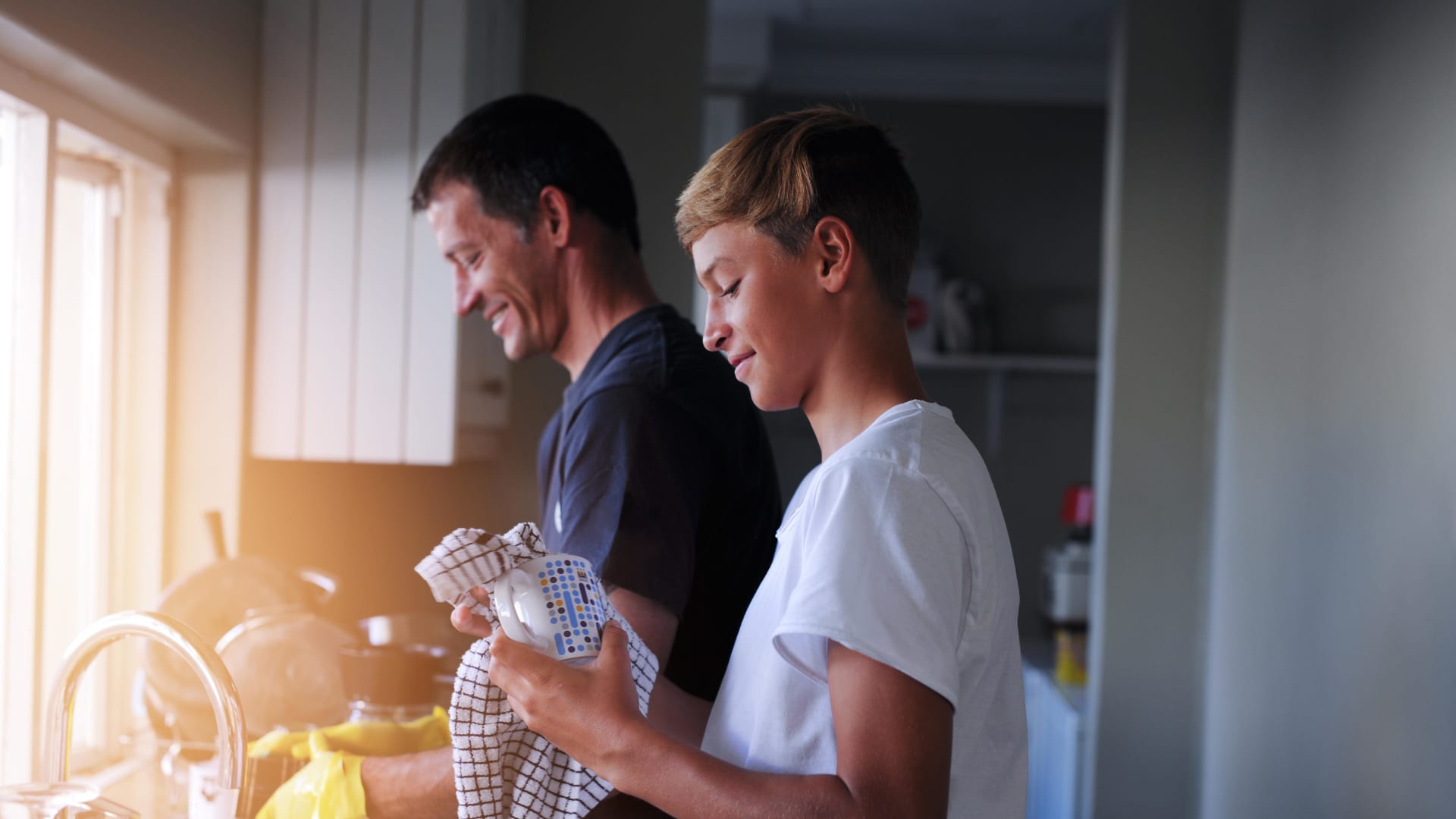
Here’s the specific, two-part strategy, according to Michaeleen Doucleff, author of Hunt, Gather, Parent, along with why it’s so beneficial both for you and for their later success in life.
It all started years ago when I first learned my wife and I were going to be parents: I began collecting science-based parenting advice, both here on Inc.com and in my continuously updated (free) e-book, How to Raise Successful Kids, now in its 7th edition.
Shown are seven of the most interesting and useful studies.
Exercise and I have a tumultuous relationship. At best, it’s sunshine, roses, and defined triceps; at worst, it’s, in the wise words of Miss Britney Jean Spears, toxic. Here’s how it usually goes: I get really into working out, I go too hard, get burnt out, and then stop exercising for months (or years). Here’s an example: After playing sports my entire life, I got recruited to play soccer in college, which obviously meant working out constantly. At the start of my sophomore year, I decided that, for the sake of my mental health, I was going to quit. For the first time in 19 years, there was no coach yelling at me to do another lap—no real need to exercise at all. I was completely over the idea of physical exertion, so I just…stopped. Unsurprisingly, I gained weight and was completely unhappy, so I embarked on another intense bout of fitness, which eventually led to another break.
In the year since the cycle has continued. A few months ago, as I’m wont to do, I decided that enough was enough and it was time to get back into some sort of workout routine. Not only was I not happy with my body, but I felt down, mentally.
So I set out to do some sort of physical activity every day for two weeks to see if it would make me a happier person and—spoiler alert—it did.
Traveling in a kayak feels like you’re tricking the universe. The boat has the impression of being vulnerable because it’s so small—an ocean-going boat that you can pick up with one hand. But once you gain some skills in it, the kayak is the safest, most seaworthy boat in the world. The universe thinks that you’re out there doing something dangerous, but really you’re in total control.
I’ve traveled the world in a kayak, thousands of miles on many expeditions. I’ve gone around Cape Horn near Antarctica, through the gnarliest piece of the ocean on the planet, even for big ships. I’ve paddled from Japan to Alaska, retracing the steps of Stone Age mariners. In 2012, I circumnavigated Ellesmere Island in the Arctic Circle on a 1,500-mile trip.
The thing about the kayak is it puts you in direct, intimate contact with nature. Yachts are great, but a kayak requires personal, tactile skill and interaction with your surroundings. When you’re in a kayak, your butt is below the level of the water and waves are washing over your boat, your chest, maybe even over your head. I’ve paddled past grizzly bears feeding on clams and come eye-to-eye with a gray whale. I’ve sat on top of a 60-foot wave, then surfed down it in a 65-pound boat.
But that’s not where you’ll start. You might start on a lake or a stream behind your house. And it’s just as fun.
Film and Writing Festival for Comedy. Showcasing best of comedy short films at the FEEDBACK Film Festival. Plus, showcasing best of comedy novels, short stories, poems, screenplays (TV, short, feature) at the festival performed by professional actors.

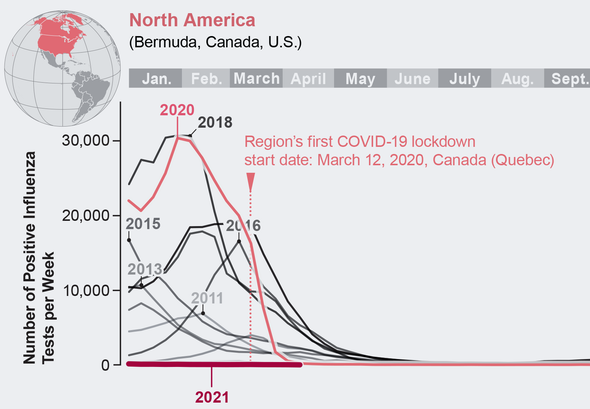 Credit: Katie Peek




 BROOK PIFER/Getty Images