Sometimes, it’s hard to tell. On her best days, she can manage whole sentences, though occasionally they’ll be in Arabic, her first language. Other times her words are mangled between what remains of her mind and her lips — or they’re lost altogether.
Our mother used to talk: Fast and loud, with a distinctive clipped cadence. She summoned so many words: Tender and withering and funny and angry and illuminating and painful and comforting. Our mother was fierce, a woman of unnatural will who withstood decades that should have broken her.
Her body has a mind of its own, separate and apart from the one ravaged by Alzheimer’s. It is defiant, unbowed after bearing six children and raising them alone, after countless beatings, after years on her feet working in factories and bars, after lying awake each night worrying about whether we had enough and who we’d become. Even at 84, her body continues its relentless march forward. Her brain hurtles in the opposite direction, the regressions cascading.
.
A mother and daughter held hands recently during a visit. Jessica Rinaldi/Globe Staff
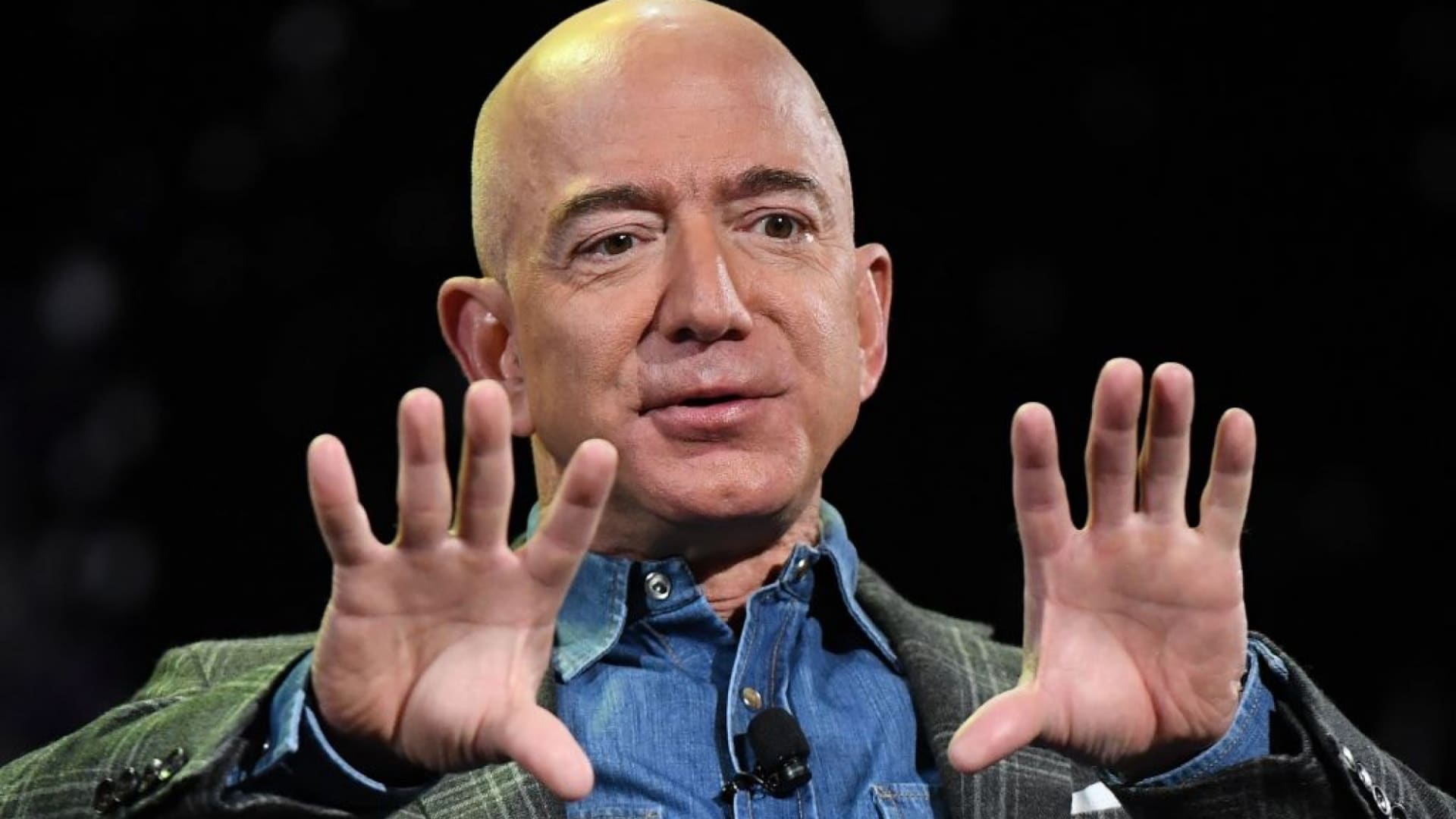
It’s about a habit that Bezos calls “super-important,” and that he has advised over and over. In fact, he explicitly encouraged parents to “preach” it to their kids. And, as a father of four, he says it’s the advice he’s tried to give his own children.
Granted, I’m sometimes hesitant to repeat child-raising advice from so-called icons of entrepreneurship. There’s too much opportunity to mistake correlation for causation.
But, in this case, the advice that Bezos gives aligns almost exactly with the research of Carol Dweck, a psychology professor at Stanford University.
If you don’t know Dweck’s work, she’s conducted some highly compelling studies on teaching children to adopt a “growth mindset,” as opposed to a “fixed mindset,” and why parents should appreciate the difference.
Not only does this tell you about the person you’re meeting with, Lares notes, it also gives you a potential way to build rapport. Do you see that they have a degree from the same college you went to? Is there are a beautiful piece of art you can compliment? On your end, choosing the right background for a video call or conference is key. “A clean background is good, but bare walls can be viewed as a negative thing, as it gives the other party nothing to connect with.” Basically, try to strike a balance between empty and cluttered when setting up your own background.
Manuel and Geiszel Godoy are military veterans, and they believe deeply in social justice. But above all, they are entrepreneurs who saw an underdeveloped sector in their industry and dove in.
“We have to show that we can pull a Tyler Perry as a community,” Manuel Godoy, president of Black Sands Entertainment, says in a recent video interview. “The idea is that the bigger the company gets, the better the IP does, the more everybody wins, and we can fund our projects ourselves because we have the experience, the expertise to do it.”
The Godoys’ niche is a growing one: indie comics by Black artists, written for Black families about Black people, with a focus on tales of Africa before slavery. Among their projects are an upcoming animated series and the Black Sands Publishing app, which will offer free access to 26 original comic books when it launches May 1, Free Comic Book Day. ’
“If we get this done,” Godoy says, “we’ve proven that you no longer have to walk through the gate they built in order to get to the main stage.”
Black Sands isn’t the first through the gate. It joins a growing hive of Black creators who’ve carved space in a format that for decades was steeped in racism and exclusion.
.
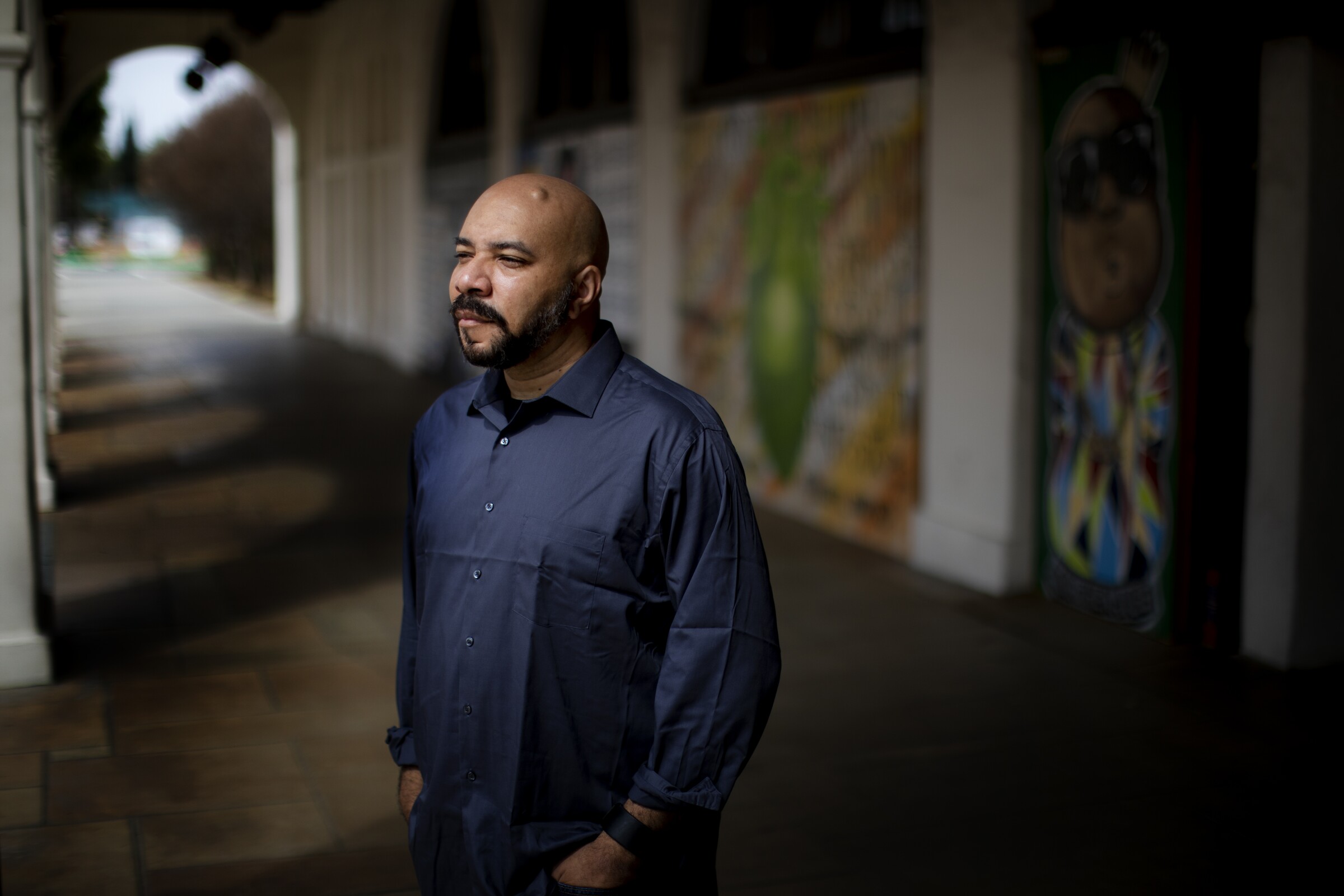
John Jennings is a comic book illustrator and professor of media and cultural studies at UC Riverside.
“I’m afraid of losing my partner because he wants kids, and I don’t know what I want. I think I don’t want them.”
“I’m afraid of losing my identity, freedom, and comfort if I have children. Afraid of regretting it if I don’t.”
“I’ve always wanted to have a baby, but is it even ethical, knowing the environmental and political climate?”
“I need some peace and clarity from the torture of sitting on the fence for too long.”
This is just a sample of the questions, fears, and concerns I hear all the time from my clients. I’m a therapist who has dedicated my life to helping people figure out if they want to have children. I’ve been doing this for 30 years and have seen more clients than I can count of all stripes — men, women, single, married, and partnered people. People just out of a relationship and people just starting a relationship. People from ages 28 to 59. Our goal is to help people make possibly the biggest decision of their lives: whether or not they want to become a parent.
Most people who contact me say they feel like they’re the only one who can’t decide. I let them know immediately: They’re not the only one. Our society allows little room for ambivalence around this topic.
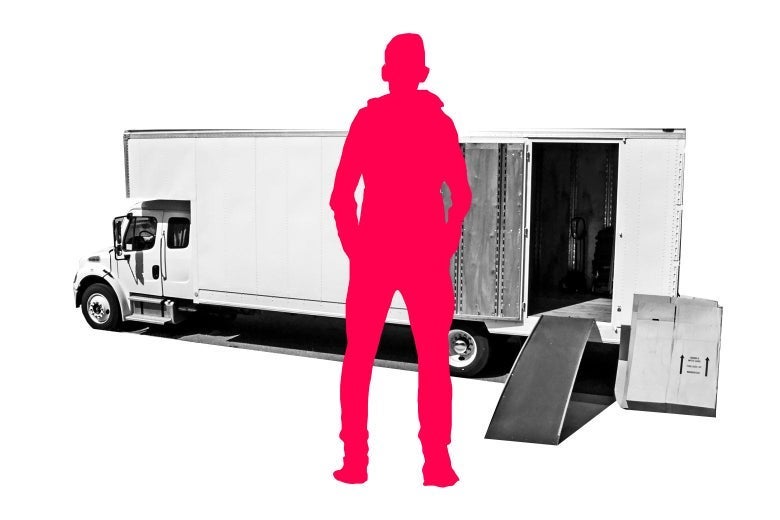
I have been with the same guy for six years, married for one. He has two sons from a previous marriage, and she is not in the picture.If it is relevant I’m a male too. My husband has asked me if I could accept his moving into his own apartment for a year because he has never been on his own. He says he doesn’t want us to break up, just live apart for a while. The boys would stay with me in our home, and he would take them to spend the night every so often. We would also have a weekly date night just to keep our relationship “on track.” He married his ex right out of high school, and they had children right away, so he really hasn’t ever been on his own. I have not given a response other than asking a few questions. Truthfully the idea makes me mad as hell and I just want to tell him to leave if you want and take your damn brats with you! Then I calm down and realize I can’t live without him and the boys. Or maybe I can. I feel this is unbelievably selfish of him, but I kind of understand. But the boys have already been abandoned by their mother, how would this plan affect them? I am so confused and hurt. Help!
.
Photo illustration by Slate. Photos by FotoDuets/iStock / Getty Images Plus and FotoDuets/iStock/Getty Images Plus.
Over the last 15 years, I whittled down close to six figures of debt I acquired from living beyond my means. In that time, I alternated between ignoring it, agonizing over it, and finally, taking action; I became debt-free last year. Along the way, I read lots of books about money. Since April is National Financial Literacy Month, I wanted to share these nine books about personal finance that each taught me something valuable about managing my money.
The first few are more about the emotional aspects of money, which is where I faced my biggest financial stumbling blocks, while others get into the nitty-gritty of managing your money. I haven’t followed any single book to the letter, which would be impossible since some give contradictory advice. I also don’t necessarily agree with everything each of these authors writes. I have, however, gained the confidence and knowledge I’m using to keep my finances on an upward trajectory. I also learned what doesn’t work for me. I know reading any single book can’t make money simply appear in your bank account (though wouldn’t that be wonderful?), but diving into the topic helped me grapple with the ways I treated money that I wanted to change.
Film and Writing Festival for Comedy. Showcasing best of comedy short films at the FEEDBACK Film Festival. Plus, showcasing best of comedy novels, short stories, poems, screenplays (TV, short, feature) at the festival performed by professional actors.

 A mother and daughter held hands recently during a visit. Jessica Rinaldi/Globe Staff





/cdn.vox-cdn.com/uploads/chorus_image/image/69186404/VOX_FINALFINAL.0.jpeg)


 .
.
