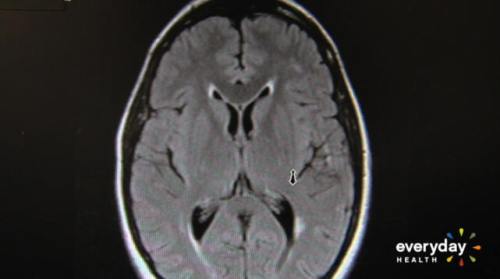
Under-detected “mini-strokes” cause brain damage, result in cognitive impairment, and dementia, says a new study.
Chances are if you’re a senior managing your health, you’ve already had a conversation with your doctor about stroke risk. While many patients know the warning signs of stroke — slurred speech, weakness on one side of the body, coordination problems, double vision, and headaches — health care providers often fail to educate patients about their risk for silent or “mini-strokes,” which can cause progressive, permanent damage and lead to dementia.
Heidi Bond was desperate. No matter how much she cajoled or threatened her daughter, the 9-year-old refused to finish their workout.
Used to this struggle, Bond pushed harder, encouraging Breanna to complete the four-mile loop. She had already lost weight, Bond reminded her. She couldn’t give up now, or her hard work would be for nothing.
B.E. Thompson’s weight had climbed to 540 pounds. Physically, the 43 year old required two scales to be weighed. But as a public figure, his obesity carried a much greater burden. But in 2008, B.E. was delivered the ultimate blow, one that would change his life forever.
Deep brain stimulation offers hope for patients with essential tremors, but the surgeons must be guided by the patient himself. For Roger Frisch, that meant playing the violin while having brain surgery.
With the chill in the air in many parts of the country and the threat of blizzards brewing, that long awaited trip to the islands couldn’t come at a better time.
And as with any vacationer traveling to a hot climate, the No. 1 item on your packing list is sunscreen. However, according to a new study published in Genetics, that SPF 40 may not completely protect you from the repercussions of the sun’s dangerous rays. Turns out, your genes may put you at greater risk for skin cancer than UV exposure.
Restless Leg Syndrome, also known as Willis-Ekbom Disease, is classified as a neurological disorder, estimated to affect some 12 million people in the U.S. alone.
The way food is cooked may be one key to understanding aging and disease.
Chemicals called advanced glycation end-products (AGEs) are garnering more attention from scientists intent on finding ways to reverse the diabetes epidemic. AGEs occur in low amounts naturally in the body, but they also come from food.
The most popular methods of cooking today — grilling, baking, and frying — release more AGEs, and AGEs lead to more inflammation, disease, and aging. According to studies, reduce the amount of AGEs in your food can improve insulin resistance in type 2 diabetics in just a few months.
Film and Writing Festival for Comedy. Showcasing best of comedy short films at the FEEDBACK Film Festival. Plus, showcasing best of comedy novels, short stories, poems, screenplays (TV, short, feature) at the festival performed by professional actors.












 James' World 2