Xàtiva is a town in eastern Spain, in the province of Valencia, on the right (western) bank of the river Albaida and at the junction of the Valencia–Murcia and Valencia Albacete railways. It is located 25 km west of the Mediterranean Sea. During the Al-Andalus Islamic era, Arabs brought the technology to manufacture paper to Xàtiva. In the 12th century, Xàtiva was known for its schools, education, and learning circles. Islamic scholar Abu Ishaq al-Shatibi’s last name refers to Xàtiva where he lived and died. After the Reconquista by Northern Christian Kingdoms and the following Christian repopulation, the city became the cradle of one of the most powerful and controversial families of the Renaissance, was the House of Borgia, which produced Popes like Callixtus III (Alfonso de Borgia) and Alexander VI (Rodrigo de Borgia).
Xàtiva (Saetabis in Latin) was famous in Roman times for its linen fabrics, mentioned by the Latin poets Ovid and Catullus. Xàtiva is also known as an early European center of paper manufacture. In the 12th century, Arabs brought the technology to manufacture paper to Xàtiva (Arabic: شاطبة Shāṭiba).
It is the birthplace of two popes, Callixtus III and Alexander VI, and also the painter José Ribera (Lo Spagnoletto). It suffered a dark moment in its history at the hands of Philip V of Spain, who, after his victory at the Battle of Almansa during the War of the Spanish Succession, had the city besieged then ordered it to be burned and renamed San Felipe. In memory of the insult, the portrait of the monarch hangs upside down in the local museum of l’Almodí.
Many scams are universal, from the IRS imposter who calls and threatens to arrest you if you don’t pay your taxes, to phishing emails that trick you into sending sensitive data or downloading malware onto your computer. But some types of fraud target older adults specifically or affect them disproportionately. Older adults may fall for certain scams because they are in the habit of answering calls from unknown callers, open junk mail rather than tossing it in the trash or are not as practiced with the privacy settings on social media as younger generations.
“Older adults make great targets because they have accumulated assets over time and are living off their savings,” says Larry Santucci, who co-authored a report about elder financial victimization for the Federal Reserve Bank of Philadelphia. “Some are also very lonely or socially isolated, which makes them susceptible to exploitation.” Moreover, cognitive decline—which hampers your ability to gauge risk or sense that something is awry—starts seeping in as early as your 50s. It may lead to diminished financial capacity, compromising your ability to handle your own money.
A lot of us have struggled with weight gain, obesity, and diabetes or pre-diabetes for years. And we’ve tried all kinds of diets. Sometimes they work — the weight comes off for a while. But most of the time, the weight comes back. We see numbers on the scale higher than our pre-diet weights. We get discouraged, and sometimes we give up.
In a new documentary called “BETTER”, Harvard doctors explain why there’s more to weight loss than “calories in, calories out” and how all calories are not created equal. And real people share their struggles with obesity, the shame that can go along with it, and the solutions that worked for them.
One of those doctors, JoAnn Manson, MD, chief of the division of preventive medicine at Brigham and Women’s Hospital and professor of medicine at Harvard Medical School, sat down with TODAY to explain why losing weight is so difficult and to share her insights to make the process easier.
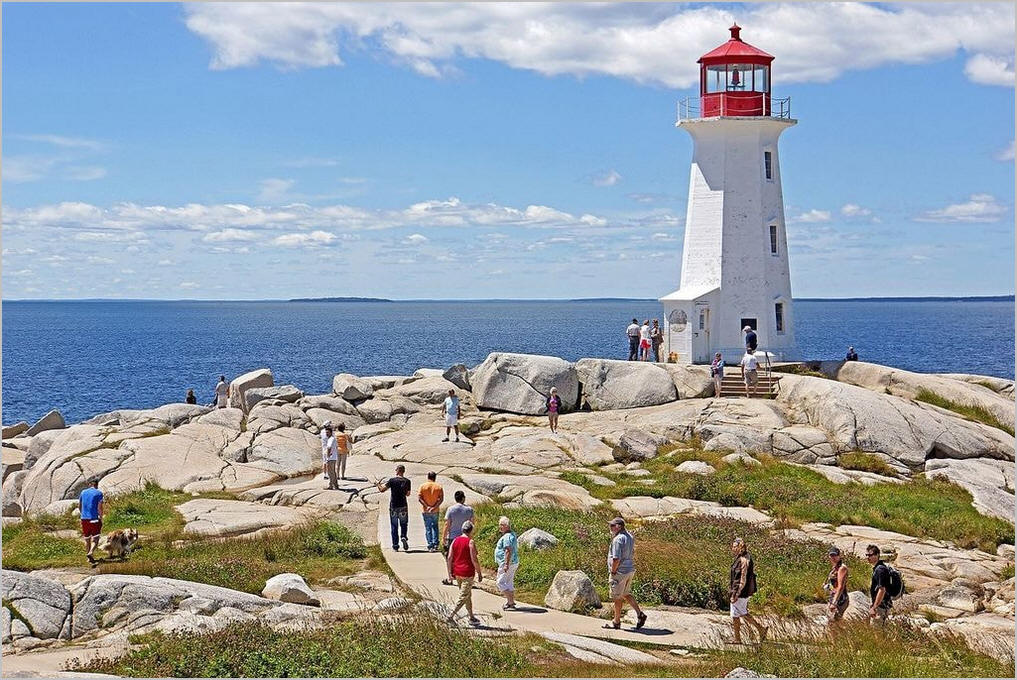
Peggy’s Cove is a small rural community located on the eastern shore of St. Margarets Bay in Nova Scotia’s Halifax Regional Municipality, which is the site of Peggys Point Lighthouse (established 1868)
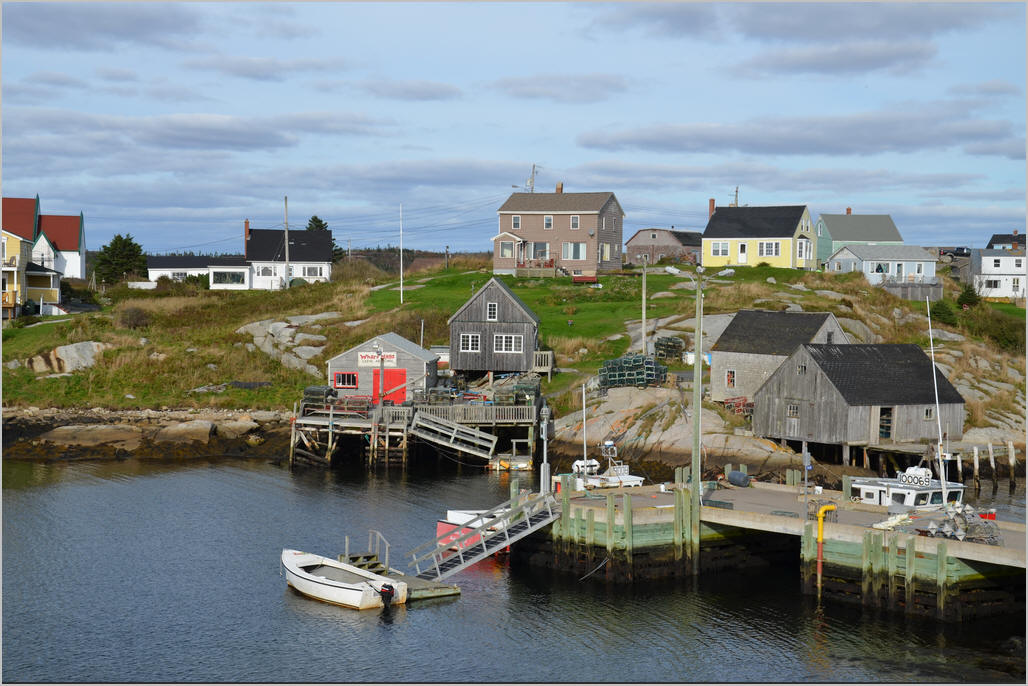
Peggy’s Cove is 43 kilometers (26 miles) southwest of Downtown Halifax and comprises one of the numerous small fishing communities located around the perimeter of the Chebucto Peninsula.
The community is named after the cove of the same name, a name also shared with Peggy’s Point, immediately to the east of the cove. The village marks the eastern point of St. Margaret’s Bay.
The first recorded name of the cove was Eastern Point Harbour or Peggs Harbour in 1766. The village is likely named after Saint Margaret’s Bay (Peggy being a nickname for Margaret), which Samuel de Champlain named after his mother Marguerite Le Roy. There has been much folklore created to explain the name. Wikipedia
Your gut is a thriving universe unto itself. This tiny cosmos is inhabited by thousands on thousands of microorganisms, which together make up your gut microbiome.
Among other things, this internal ecosystem contains bacteria that we rely on to help us break down and process the foods that we’re not readily equipped to digest. But a slew of recent scientific studies shows that our gut also connects more broadly to our holistic health, even to things that are seemingly unrelated, like our brains.
The science is preliminary, but there is compelling evidence that what you eat — and in turn, that changes the gut microbiome — has an outsized influence on your health. But not in the way you’d think.
What’s new — A new study published on Friday in the journal Science Advances looks at how diet could alter multiple sclerosis (MS) symptoms via the gut microbiome. By feeding mice with an MS-like condition a specific diet, scientists were able to reprogram their gut bacteria — and reduce their symptoms.
The study started with the observation that the gut microbiomes of people with MS lack a kind of bacteria that, in most folks’ gut, breakdowns a nutrient called isoflavones. This nutrient is commonly found in everyday staple foods, like soy and beans.
So, the team hypothesized that MS might be related to the absence of these bacteria — and in turn, eating more foods with isoflavones in them could alleviate the symptoms.
From there, they were able to demonstrate the critical difference that the bacteria’s presence or absence can make in this disease.
.
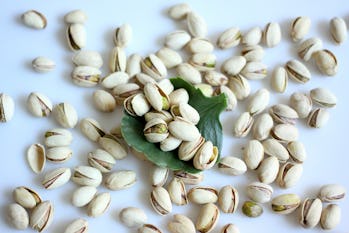
Eating foods like pistachios may influence the gut microbiome in positive ways.Renato Marzini/Photodisc/Getty Images
Some content on this page was disabled on April 15, 2025 as a result of a DMCA takedown notice from Guardian Media Group. You can learn more about the DMCA here:
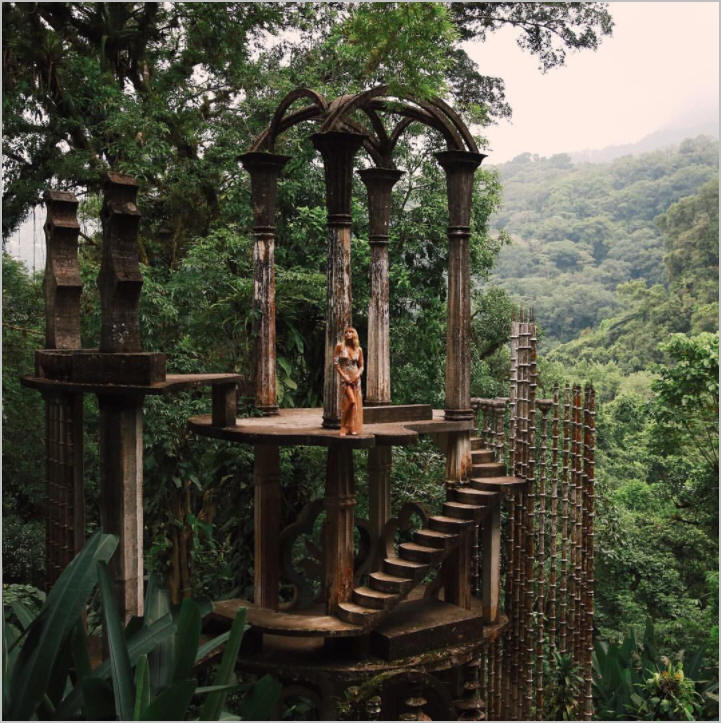
Xilitla is a municipality and town in the state of San Luis Potosí, in the Huasteca region of Mexico. The town is located at 21°23′08″N98°59′25″W The municipality has an area of 415 square kilometers (160 sq mi) and had a population of 51,498 in 2010 of whom 6,576 lived in town of Xilitla.
Xilitla is known for its fertile mountains and springs which create panoramic landscapes throughout the municipality. Las Pozas gardens are a tourist attraction.
The rugged landscape has partly shielded Xilitla from industrialization, helping preserve its indigenous Huastec and Nahuatl cultures and traditional agrarian lifestyles. Most of Xilitla’s residents live in over 100 rural villages of several dozen up to several hundred people. About 30,000 people in Xilitla live in indigenous households and about 20,000 of them speak an indigenous language, principally Huastec. Most of the speakers of an indigenous language also speak Spanish. Wikipedia
There’s one night, in particular, I remember most. It was my third night of zero sleep and the light was growing brighter in the living room — I had transitioned to the couch after tossing in bed for close to four hours. “Please,” I pleaded aloud. “Please, just fall asleep.” I was panicking, thinking I may never sleep again and that I’d end up in the hospital with delirium or drop dead from exhaustion on a city street. (Spoiler alert: neither happened.)
Insomnia can be an insidious, strange affliction, in that the more you care about its effects, the worse it gets. Though insomnia can be caused by a variety of issues, including physical and psychological factors, for many people a few sleepless nights can snowball into what’s referred to as sleep anxiety — wherein your worry about falling asleep feeds the cycle of diminished sleep. This cycle can feel impossible to break, especially for those of us who are already prone to other forms of anxiety and obsessive thinking. Sufferers usually grow more and more anxious as the night draws closer. Reigning in the anxiety usually means rejiggering how your mind thinks about sleep.
First, a few facts about types of insomnia. It can be acute (short-term) or chronic (usually defined as at least three times a week for at least three months), as well as onset- (have trouble falling asleep) or maintenance-based (have trouble staying asleep). It can be primary, in that it has no outside causes, or secondary, wherein it’s linked to periods of intense stress, mental illness, physical pain, sleep apnea, or a variety of other things. Speaking to a professional can be helpful in homing in on the root cause and can be especially important for those struggling with secondary insomnia caused by mental illness.
Film and Writing Festival for Comedy. Showcasing best of comedy short films at the FEEDBACK Film Festival. Plus, showcasing best of comedy novels, short stories, poems, screenplays (TV, short, feature) at the festival performed by professional actors.

 An image from Xativa, Spain


 .
.