Paleobotanist Scott Wing hopes that he’s wrong. Even though he carefully counted each ring in an immense, ancient slab of sequoia, the scientist notes that there’s always a little bit of uncertainty in the count. Wing came up with about 260, but, he says, it’s likely a young visitor may one day write him saying: “You’re off by three.” And that would a good thing, Wing says, because it’d be another moment in our ongoing conversation about time.
The shining slab, preserved and polished, is the keystone to consideration of time and our place in it in the “Hall of Fossils—Deep Time” exhibition at the Smithsonian’s National Museum of Natural History. The fossil greets visitors at one of the show’s entrances and just like the physical tree, what the sequoia represents has layers.
Each yearly delineation on the sequoia’s surface is a small part of a far grander story that ties together all of life on Earth. Scientists know this as Deep Time. It’s not just on the scale of centuries, millennia, epochs, or periods, but the ongoing flow that goes back to the origins of our universe, the formation of the Earth, and the evolution of all life, up through this present moment. It’s the backdrop for everything we see around us today, and it can be understood through techniques as different as absolute dating of radioactive minerals and counting the rings of a prehistoric tree. Each part informs the whole.
.
How many answers are hidden inside the giants? Photo by Kelly Cheng Travel Photography / Getty Images.
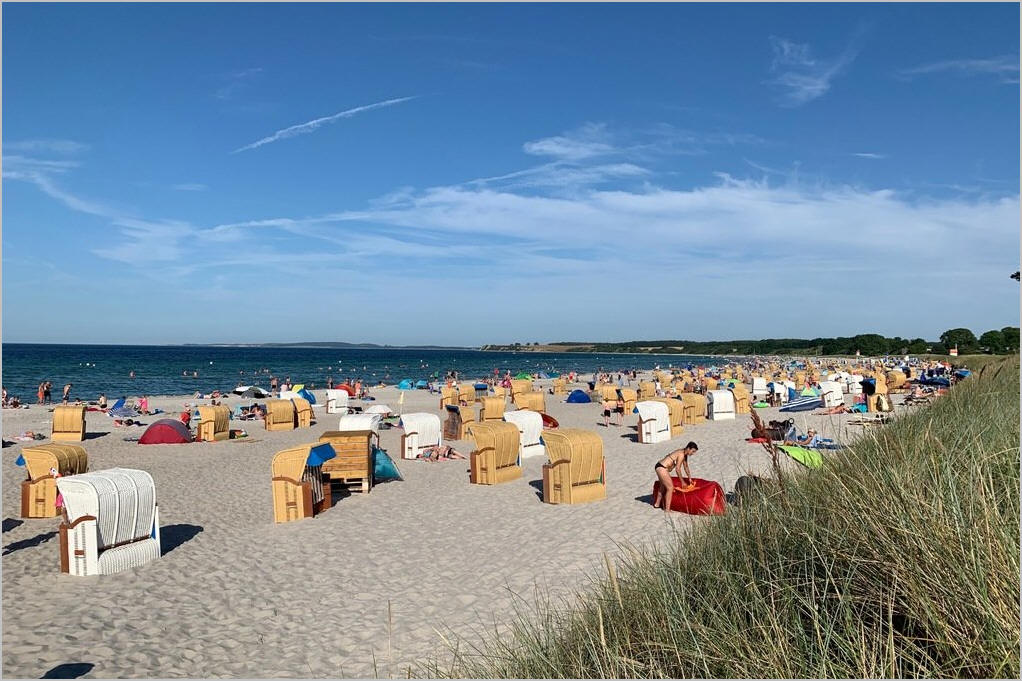
Behrensdorf is a municipality in the district of Plön, in Schleswig-Holstein, Germany.It lies on the western shore of Hohwacht Bay on the Baltic Sea coast. About one kilometer to the north is the eighty-year-old Neuland Lighthouse.
If race is largely a social construct, then teaching children about it will only perpetuate racism — right? Wrong: Studies show precisely the opposite. Open conversations about race and racism can make white children less prejudiced and can increase the self-esteem of children of color.
If states ban the teaching of critical race theory, as conservative lawmakers in many are attempting to do, or if schools don’t provide consistent education about racism and discrimination, it’s imperative that parents pick up the slack.
Even if we don’t want them to, children do notice differences in race and skin color. And that means that attempts to suppress discussions about race and racism are misguided. Those efforts won’t eliminate prejudice. They may, in fact, make it worse.
So-called colorblind parenting — avoiding the topic of race in an effort to raise children who aren’t prejudiced — is not just unhelpful, it actually perpetuates racism. That’s because racism isn’t driven solely by individual prejudice. It’s a system of inequity bolstered by racist laws and policies — the very fact that opponents of teaching critical race theory are trying to erase.
As business consultant Peter Drucker once said, “You cannot predict the future, but you can create it.” Many businesses strive to create the future, but few understand what it takes to get teams to create new and innovative ideas in a repeatable manner.
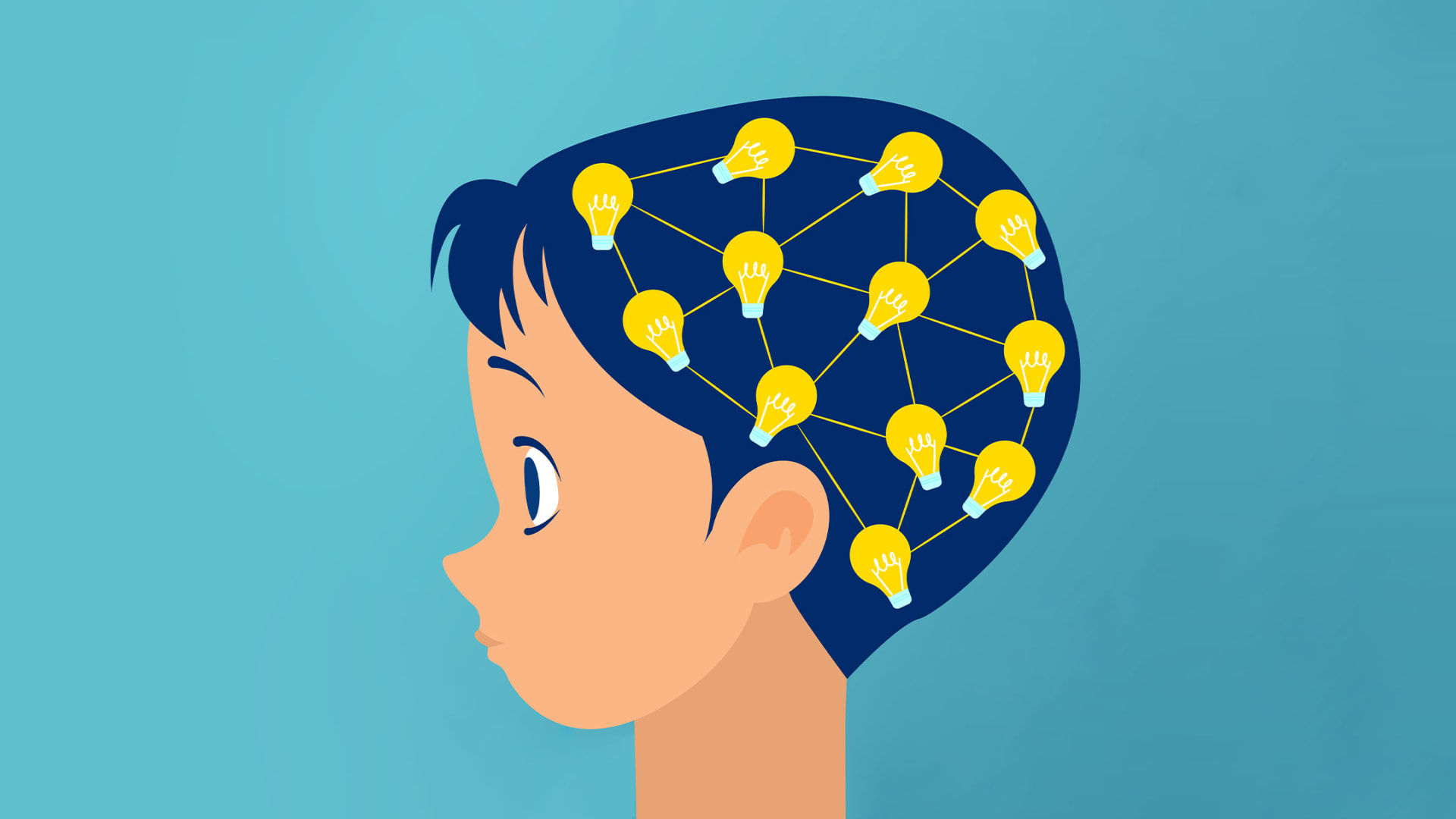
Over the last 25 years of my career, I’ve found that organizations big and small often struggle to create repeatable approaches and processes that keep them truly competitive. 50 years ago, a little-known children’s book introduced the “SCAMPER” model as a way to help teachers foster creativity in their classrooms. It’s an amazingly simple tool, and unbelievably powerful for pushing thinking beyond “business as usual.”
Here’s how it works. SCAMPER is an acronym. SCAMPER stands for Substitute, Combine, Adapt, Modify, Put to Another Use, Eliminate, and Reverse. This acronym is used to help prompt people to think differently than the norm. Each letter prompts people to answer a question related to the framework. It’s flexible. Select one letter or move through them in sequence.
SCAMPER can be used to generate ideas for improving existing offerings or business processes, or innovating completely new products and services. Once a set of ideas or concepts are developed, the best ideas should be selected and further refined through sharing and testing ideas with colleagues and customers.
It’s no secret that employee-employer tensions about heading back to the workplace are growing. As more employers push to get employees back in-house, the workers themselves are taking a harder stand. An April 2021 survey by FlexJobs found that 60% of women and 52% of men would quit if they weren’t allowed to continue working remotely at least part of the time. Sixty-nine percent of men and 80% of women said that remote work options are among their top considerations when looking for a new job.
The “official” reasons that they don’t want to head back to the workplace are well-documented. They’re more productive. It’s easier to blend work and life when your commute is a walk down the hallway. But, for some, the reasons are more personal and difficult to share. Who will walk the dog they adopted during the pandemic? They gained weight and need to buy new work clothes. The thought of being trapped in a cubicle all day makes them want to cry.
We spoke with several people who shared their very personal reasons why they don’t want to return to work. (Because of the sensitive nature of some of the comments, Fast Company has allowed some of the individuals to use a pseudonym to protect their identities.)
A wooden spoon gliding over cast iron. Barely tall enough to see over the stove, Lamar Cornett watched his mother, a cook, make his favorite dish of scrambled eggs.
That first cooking lesson launched a lifelong journey in food. Cornett has spent over 20 years in Kentucky restaurants, doing every job short of being the owner. The work is grueling and tense but rewarding and rowdy, and so fast-paced that the pandemic shutdown was like lightning on a cloudy day.
“It was almost like there was this unplanned, unorganized general strike,” Cornett said.
In those rare quiet moments, millions of restaurant workers like Cornett found themselves thinking about the realities of their work. Breaks barely long enough to use the restroom or smoke a cigarette. Meals inhaled on the go. Hostile bosses, crazy schedules, and paltry, stagnant pay.
To top it off: rude customers, whose abuses restaurant staff are often obligated to tolerate. And lately, testy diners have only gotten more impatient as they emerge from the pandemic shutdowns.
Cornett, off work for a few weeks, realized he received enough money through unemployment benefits to start saving — for the first time. He wondered if the work he loves would ever entail a job that came with health insurance or paid leave.
.
Lamar Cornett has worked in restaurants for more than 20 years. During the pandemic, he began thinking about leaving that career behind.
Vancouver is a major city in western Canada, located in the Lower Mainland region of British Columbia. As the most populous city in the province, the 2016 census recorded 631,486 people in the city, up from 603,502 in 2011. The Greater Vancouver area had a population of 2,463,431 in 2016, making it the third-largest metropolitan area in Canada. Vancouver has the highest population density in Canada, with over 5,400 people per square kilometer. Vancouver is one of the most ethnically and linguistically diverse cities in Canada: 52 percent of its residents are not native English speakers, 48.9 percent are native speakers of neither English nor French, and 50.6 percent of residents belong to visible minority groups.
Vancouver is consistently named as one of the top five worldwide cities for livability and quality of life, and the Economist Intelligence Unit acknowledged it as the first city ranked among the top ten of the world’s most well-living cities for ten consecutive years. However, Vancouver also ranks as the most expensive city to live in Canada and as the fourth-most expensive housing market globally. In 2011, the city planned to become the greenest city in the world by 2020. Vancouverism is the city’s urban planning design philosophy. Wikipedia
With eight separate, flexible plates of shell held together by a skirt of muscle called a girdle, chitons look a bit like armored pebbles, ready for battle. The marine mollusks aren’t actually suited for action. They spend most of their time stuck in place, suctioned to rocks in the intertidal zone. While they’re clinging, their radula, a sort of tongue barbed with scores of sharp “teeth,” scrapes algae and other food from the surface. For chitons, that’s about as exciting as it gets.
They might seem simple, uncomplicated, even boring, but Lauren Sumner-Rooney, an evolutionary biologist at the Oxford University Museum of Natural History, thinks that reputation is a little unfair. “Even things that we’ve considered very, very simple,” she says, “may have a lot more going on.”
Sumner-Rooney roots for underdogs. She’s fascinated, for instance, by Astyanax mexicanus, a cave-dwelling tetra fish that evolved without eyes, and cave salamanders, whose ghostly pallor and gangly limbs are adapted to a lightless life. Her work focuses on brain structure in poorly understood animals such as chitons or tusk shells, which use tentacle-like organs called captacula to assist in gathering food.
.
Do chitons have brains? What is a brain, anyway? Photo credit: Dilettantiquity / CC by 2.0.
Film and Writing Festival for Comedy. Showcasing best of comedy short films at the FEEDBACK Film Festival. Plus, showcasing best of comedy novels, short stories, poems, screenplays (TV, short, feature) at the festival performed by professional actors.

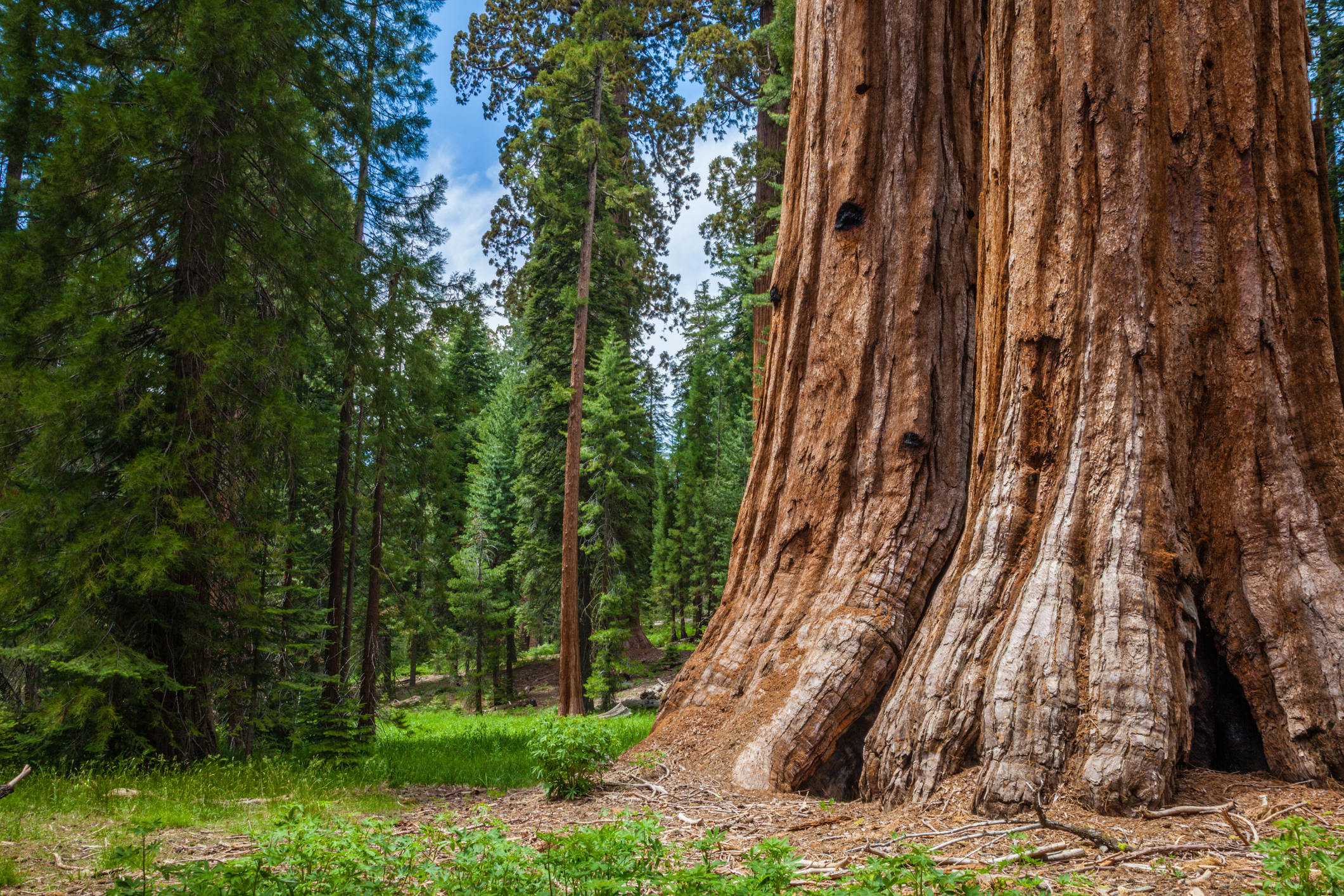 How many answers are hidden inside the giants? Photo by Kelly Cheng Travel Photography / Getty Images.



 Getty Images






 James' World 2