In September, Sinan Aral published The Hype Machine: How Social Media Disrupts Our Elections, Our Economy, and Our Health — and How We Must Adapt. Five months later, the book might be described as prophetic: This month alone at least two of Aral’s three predictions have come to fruition. First, there was the Capitol riot, fueled by months of lies about election fraud on social media, and then there was this week’s Wall Street meltdown, courtesy of Reddit message-board users who launched a fading retail company’s stock price higher than that of Apple. I spoke to Aral, director of MIT’s Initiative on the Digital Economy, about the gray area that is large coordinated stock buys and whether the Securities and Exchange Commission can do anything about it.
How did you see this coming? Has this sort of thing ever happened before? In my book, I start with the example from April 2013, when Syrian hackers infiltrated the Associated Press’s Twitter handle and put out a tweet that said, “Two explosions in the White House and Barack Obama is injured.” This tweet went viral and the market crashed — it lost about $140 billion worth of equity value in a matter of minutes. What we have to realize about examples like that is that social media doesn’t live in isolation. Companies like Dataminr and Ravn use algorithms that sift through the sentiment on social media, trying to find signals in the noise. And they’re connected to automated trading algorithms. They’re also giving buy/sell recommendations to institutional investors in real-time. There’s a feedback loop between social-media sentiment and trading already.
Some content on this page was disabled on April 15, 2025 as a result of a DMCA takedown notice from Guardian Media Group. You can learn more about the DMCA here:
In the mid-2000s, news anchors found themselves with a problem: They didn’t look so hot anymore. Their real-life visages hadn’t changed, but the technology that beamed them into millions of households had outpaced their faces’ ability to keep up. High-definition cameras proliferated, as did the enormous HDTVs that render blemishes, pancake makeup, and flyaways in larger-than-life detail. Local newscasters with limited budgets fretted over judgment from viewers. CNN’s Anderson Cooper considered plastic surgery. Makeup and lighting crews scrambled to adjust.
When the pandemic hit, the same thing happened to millions of Americans. This was hardly our worst problem in March, but it was a problem nonetheless. While people had been living their in-person life, blissfully unaware of their expression at any given moment, the cameras around them had been multiplying and improving. Once office work and socializing went online, everyone looked terrible. Americans had spent the past decade mastering the momentary muscle movements of a good selfie, but starring in a high-quality live video in front of co-workers or romantic prospects for hours at a time is a different beast entirely. People had no idea how to contend with broadcasting their own face—weird shadows, awkward backdrops, and under-the-chin shots from low-slung laptops abounded.
Google is adding a new option to let users opt-out of having their Gmail, Chat, and Meet data used to offer smart features like Smart Compose and Smart Reply, the company announced today. Although you’ve previously been able to toggle these individual features on and off, the new toggle disables the background data processing that makes them possible. Google says the new option will roll out “in the coming weeks.”
According to images posted on Google’s blog, Gmail users will be shown two dialog boxes showing the data processing. The first concerns smart features offered within Gmail, including automatic email filtering/categorizations, Smart Compose, summary cards shown above emails, and extracting event details to create calendar entries. Google says that users won’t be able to access these features if they opt-out of the data processing that makes them possible.
Some content on this page was disabled on April 15, 2025 as a result of a DMCA takedown notice from Guardian Media Group. You can learn more about the DMCA here:
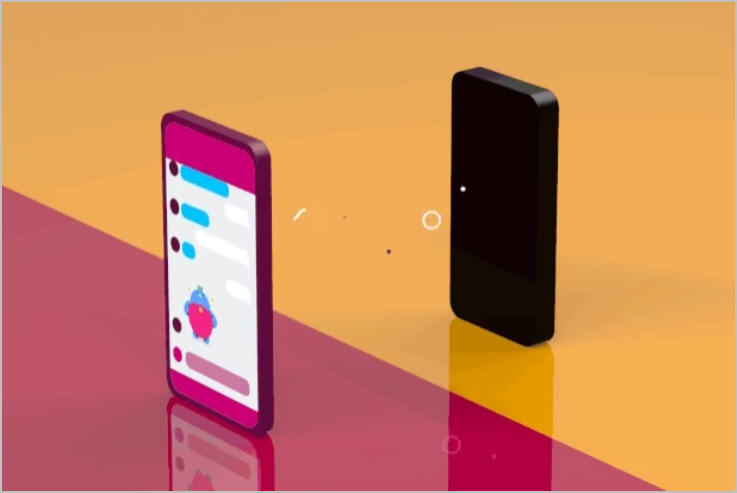
After two long, complicated years, every Android user worldwide (outside China and Russia) now has access to the next-gen texting standard that is replacing SMS. Google is directly offering RCS chat services through its Android Messages app to anybody who installs it and uses it as their default texting app, which partly bypasses a carrier rollout that, at times, has ranged from sluggish to incoherent to broken.
Just as importantly, Google has announced that it’s finally beginning to enable a key privacy feature: end-to-end encryption. For Android users who use Android Messages, one-on-one chats will eventually be end-to-end encrypted by default, meaning neither carriers nor Google will be able to read the content of those messages.
Even though encryption is only beginning to roll out to people who sign up for the public beta for Android Messages, turning on encryption for RCS is a very big deal. It’s a massive privacy win, as it could mean that the de facto replacement for SMS will, by default, be private on the smartphone platform used by the vast majority of people worldwide.
.
Chat is Google’s next big fix for Android’s messaging mess.GIF by Garret Beard and William Joel / The Verge
Film and Writing Festival for Comedy. Showcasing best of comedy short films at the FEEDBACK Film Festival. Plus, showcasing best of comedy novels, short stories, poems, screenplays (TV, short, feature) at the festival performed by professional actors.

 Photo: AFP via Getty Images


/cdn.vox-cdn.com/uploads/chorus_image/image/67798829/newgmaillogo.0.jpg)
 James' World 2