The first self-described self-help book was published in 1859. The author’s name, improbably, was Samuel Smiles; the title, even more improbably, was Self-Help. A distillation of lessons from the lives of famous people who had pulled themselves up by their bootstraps, it sold millions of copies and was a mainstay in Victorian households. Every generation since had its runaway bestseller, such as How to Live on 24 Hours a Day (1908), Think and Grow Rich (1937), or Don’t Sweat the Small Stuff (1997).
By now, the $11 billion self-help industry is most definitely not small stuff. Yet when you strip it down, there’s very little new information. After all, we were consuming self-help for centuries before Smiles, just under different names. Roman emperor Marcus Aurelius gave tweet-sized advice in Meditations; so did Benjamin Franklin In Poor Richard’s Almanack. Even self-help parody isn’t new. Shakespeare did it with Polonius’ “to thine own self be true” speech in Hamlet: basically a bullet-point list from a blowhard.
The 21st century has seen a measure of self-awareness about our self-help addiction. There’s the wave of sweary self-help bestsellers I wrote about, such as The Subtle Art of Not Giving a F*ck. They hover somewhere between parody and dressing up the same advice as to their forebears in earthier language. More recently, there’s a trend you might call meta-self-help: books in which people write about their experiences following self-help books, such as Help Me! (2018) and How to Be Fine (2020), based on a similar self-help podcast By the Book.
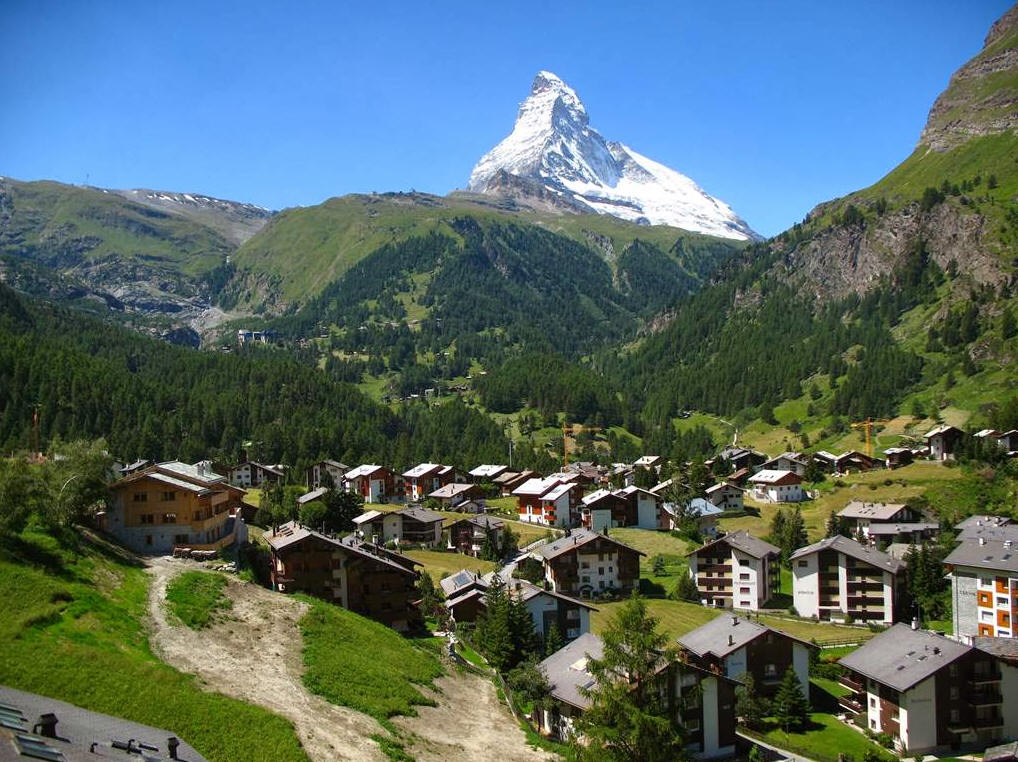
The Valais (Wallis in German) is a canton in southern Switzerland.It’s home to the pyramid-shaped Matterhorn mountain, upscale Alpine resorts, and upper Rhône River Valley vineyards. The resort town of Zermatt, at the foot of the Matterhorn, offers numerous ski slopes and hiking on old mule traders’ routes. It’s also a starting point for the scenic Glacier Express train. In the east is the huge Aletsch Glacier.
“I want to reassure people,” I announced grandly on Instagram the other day, “that it’s easier to change behavior than you think.” With anxious friends facing a massive change of life in the face of coronavirus, I wanted to spread some calm.
The reason I’d started dispensing “wisdom” like some nautical soothsayer was that I gave up a much-loved job at the Guardian three years ago to pursue a simpler life on my tiny sailboat. I ended up crossing the Channel to France, sailing down the Atlantic coast to Portugal, into the Mediterranean, through Spain and Italy to Greece. It’s the slowest life imaginable, traveling at a walking pace, completely immersed in nature. I sleep freely in secluded bays, by white beaches, fish and octopus swimming below me. I’ve sailed with dolphins and whales, woken to horses galloping on deserted beaches in southern Italy, and anchored by castles and cathedral-like cliffs. It is magical and it is nourishing.
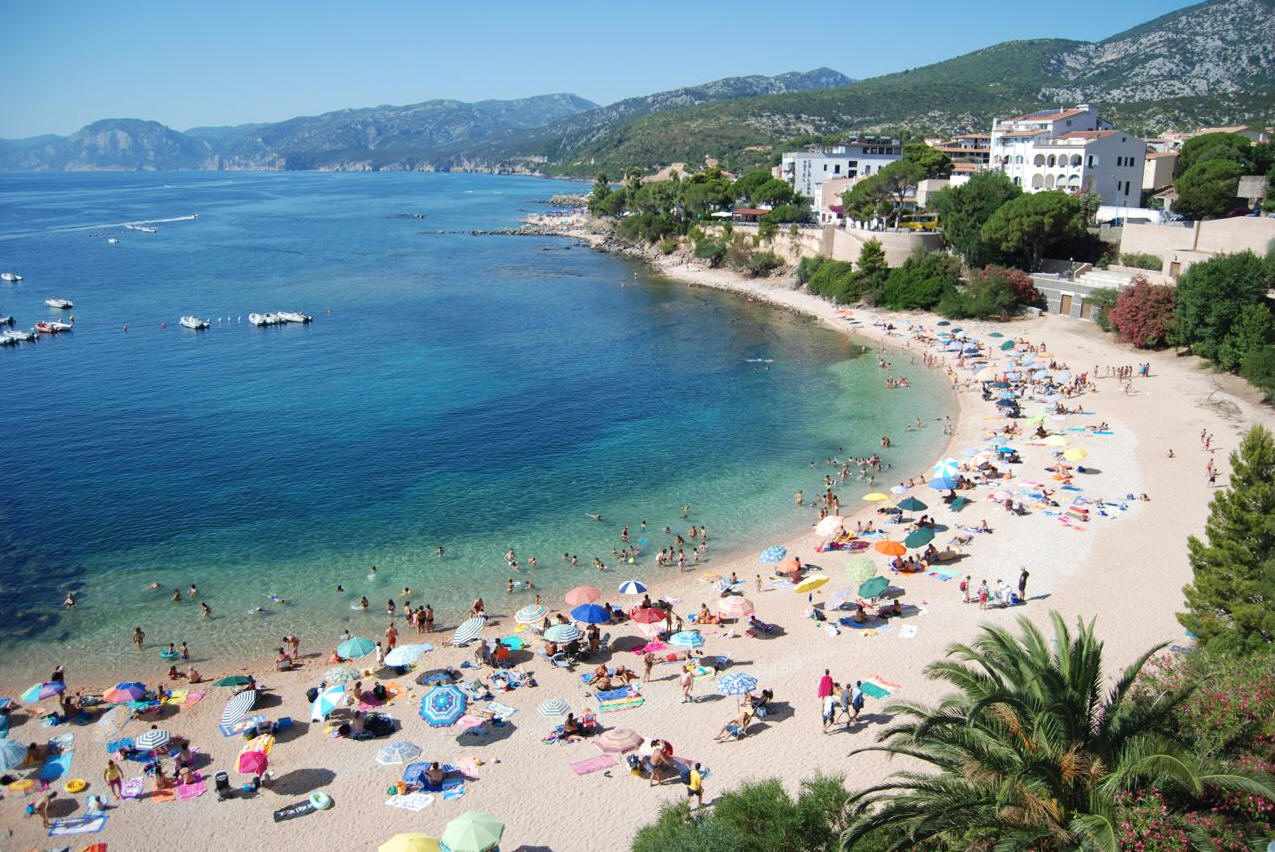
Sardinia is a large Italian island in the Mediterranean Sea.It has nearly 2,000km of coastline, sandy beaches and a mountainous interior crossed with hiking trails. Its rugged landscape is dotted with thousands of nuraghi – mysterious Bronze Age stone ruins shaped like beehives. One of the largest and oldest nuraghi is Su Nuraxi in Barumini, dating to 1500 B.C.
In the land of technology, two tricky truths exist: Spreadsheets are rarely attractive or enjoyable to read—and mobile apps are rarely cost-effective or easy to create.
Well, a group of former Microsoft employees thinks those two statements are both related and reversible. And they’ve come up with an incredibly clever way to prove it.
Their startup, Glide, lets you turn any Google Sheets spreadsheet into a real mobile app with absolutely no coding and shockingly little effort. Saying you don’t need any programming knowledge is almost an understatement. This thing is deliberately designed for anyone—and I do mean anyone—to use.
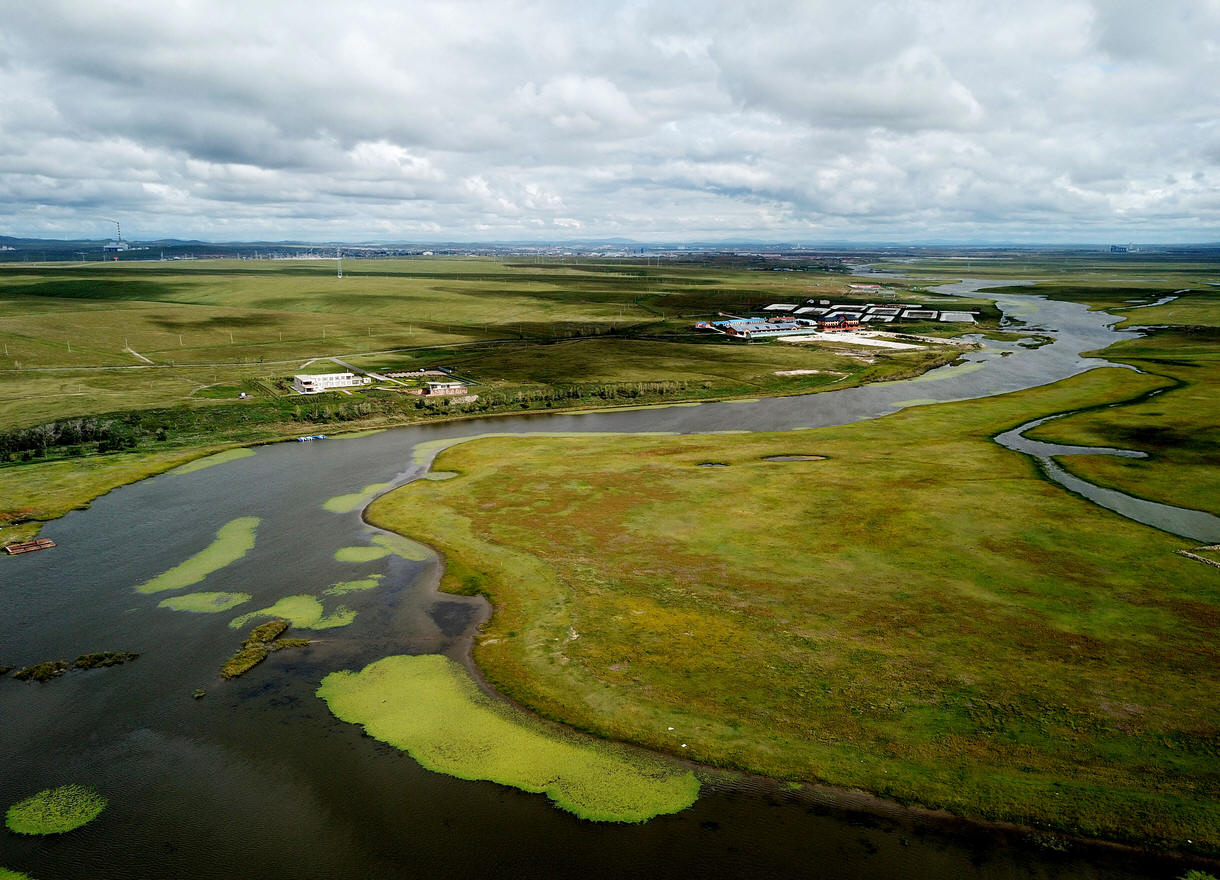
Inner Mongolia, an autonomous region of northern China, encompasses green steppe, arid desert, and lengthy sections of the Great Wall of China. The Hulunbuir grasslands, a vast livestock grazing area with hundreds of rivers and popular fishing lakes, is distinguished by its mix of Russian and traditional Mongolian herder cultures. In the remote west is Badain Jaran Desert and its immense dunes.
Some content on this page was disabled on April 15, 2025 as a result of a DMCA takedown notice from Guardian Media Group. You can learn more about the DMCA here:
Film and Writing Festival for Comedy. Showcasing best of comedy short films at the FEEDBACK Film Festival. Plus, showcasing best of comedy novels, short stories, poems, screenplays (TV, short, feature) at the festival performed by professional actors.

 A small selection of centuries-spanning advice.




 [Photo: Mika/Unsplash]