Denver, officially the City and County of Denver, is the capital and most populous city of the U.S. State of Colorado. Denver is located in the South Platte River Valley on the western edge of the High Plains just east of the Front Range of the Rocky Mountains. With an estimated population of 727,211 in 2019, Denver is the 19th-most populous city in the United States, the fifth-most populous state capital, and the most populous city located in the Mountain states. The metropolitan area surrounding Denver represents a majority of the population and economic activity in the Front Range region, the area where an estimated 85% of Colorado’s population lives. The Denver downtown district is immediately east of the confluence of Cherry Creek and the South Platte River, approximately 12 mi (19 km) east of the foothills of the Rocky Mountains. Denver is named after James W. Denver, a governor of the Kansas Territory. It is nicknamed the Mile High City because its official elevation is exactly one mile (5280 feet or 1609.344 meters) above sea level. The 105th meridian west of Greenwich, the longitudinal reference for the Mountain Time Zone, passes directly through Denver Union Station.
Some content on this page was disabled on April 15, 2025 as a result of a DMCA takedown notice from Guardian Media Group. You can learn more about the DMCA here:
One of the most powerful telescopes in the world is on the brink of collapse.
Arecibo, a giant radio observatory nestled in the lush mountains of Puerto Rico, did some of the dreamiest work in astronomy. But it was forced to stop operations this year after suffering unprecedented damage, and officials now believe that it is beyond repair. Instead of trying to fix it, they’re going to tear it down.
The trouble began in August. A metal support cable weighing thousands of pounds slipped out of its socket and plummeted into the cavernous, 1,000-foot-wide radio dish in the middle of the night. The cable, installed in the 1990s, was considered fairly new for an observatory that began operations in 1963, and the incident confounded Arecibo’s stewards. The cable “definitely should not have failed in the way it did,” Ashley Zauderer, the Arecibo program director at the National Science Foundation,which owns the telescope, said during a press conference today.
Dubai is the most populous city in the United Arab Emirates (UAE) and the capital of the Emirate of Dubai.
Located in the eastern part of the Arabian Peninsula on the coast of the Persian Gulf, Dubai aims to be the business hub of Western Asia. It is also a major global transport hub for passengers and cargo. Oil revenue helped accelerate the development of the city, which was already a major mercantile hub. Dubai’s oil output made up 2.1 percent of the Persian Gulf emirates economy in 2008. A center for regional and international trade since the early 20th century, Dubai’s economy relies on revenues from trade, tourism, aviation, real estate, and financial services. According to government data, the population of Dubai is estimated at around 3,400,800 as of 8 September 2020.
One fascinating quirk of the Universe is that shapes and patterns can be found in hugely different contexts: the Golden Spiral can be seen in the human cochlea and the shape of a spiral galaxy; the fractal geometry of veins echoed in the branching of lightning.
In a bold new pilot study, an astrophysicist and a neurosurgeon have bumped it up a notch, using quantitative analysis to compare two of the most complex systems in nature: the neuronal network in the human brain and the cosmic network of galaxies in the Universe.
It’s actually not that peculiar a comparison. You may have seen an image that occasionally gets shared around, showing a human neuron and a simulated galaxy cluster, side-by-side; the two look startlingly similar.
But there’s a lot more to the human brain – and the Universe – than how it looks.
So astrophysicist Franco Vazza of the University of Bologna in Italy and neurosurgeon Alberto Feletti of the University of Verona in Italy have spent the last few years investigating to determine if the similarities are more than skin-deep.
.
A simulated galaxy cluster (Illustris Collaboration)
A Muslim prayer app with over 98 million downloads is one of the apps connected to a wide-ranging supply chain that sends ordinary people’s personal data to brokers, contractors, and the military.
The U.S. military is buying the granular movement data of people around the world, harvested from innocuous-seeming apps, Motherboard has learned. The most popular app among a group Motherboard analyzed connected to this sort of data sale is a Muslim prayer and Quran app that has more than 98 million downloads worldwide. Others include a Muslim dating app, a popular Craigslist app, an app for following storms, and a “level” app that can be used to help, for example, install shelves in a bedroom.
Through public records, interviews with developers, and technical analysis, Motherboard uncovered two separate, parallel data streams that the U.S. military uses, or has used, to obtain location data. One relies on a company called Babel Street, which creates a product called Locate X. U.S. Special Operations Command (USSOCOM), a branch of the military tasked with counterterrorism, counterinsurgency, and special reconnaissance, bought access to Locate X to assist on overseas special forces operations. The other stream is through a company called X-Mode, which obtains location data directly from apps, then sells that data to contractors, and by extension, the military.
“The city of Shenzhen in July. The weather is hot, the trees brimming with life … ”
So begins the baritone voice-over in a video shot in the summer of 2018 by the Chinese telecommunications giant Huawei and posted to YouTube. It chronicles a corporate event in the slightly corny style of a 1960s educational film, starting with aerial drone footage of Huawei’s campus—an island of lush greenery surrounded by the high-rise buildings of the city known as China’s Silicon Valley. A spirited orchestral version of Beethoven’s “Turkish March” plays as a town car wends its way through the campus, pulling up to a stately white structure mixing classical Greek architecture and the wide overhanging rooftops of China’s great pagodas. There’s a bit of the White House tossed in too.
Two footmen dressed in white approach the vehicle as it arrives. One opens the rear door. Guo Ping, one of Huawei’s rotating chairmen, steps forward and extends a hand as the guest emerges. After walking a red carpet, the two men enter the magnificent marble-floored building, ascend a stairway, and pass through French doors to a palatial ballroom. Several hundred people arise from their chairs and clap wildly. The guest is welcomed by Huawei’s founder, Ren Zhengfei, whose sky-blue blazer and white khakis signify that he has attained the power to wear whatever the hell he wants.
Citizens and policymakers around the world are grappling with how to limit companies’ use of data about individuals – and how private various types of information should be. But anthropologists like me know that cultures vary widely in their views of what is private and who is responsible for protecting privacy. Just like online privacy, real-world privacy can vary from person to person and from situation to situation.
Most concepts of privacy start with the physical body. Social scientists have found that every person has an intimate zone very near their body, a wider personal zone, and, beyond that, a social zone and then a public zone.
.
Is privacy what you can’t see, or where you don’t look? Photo by Kamil Macniak / Shutterstock.com.
Film and Writing Festival for Comedy. Showcasing best of comedy short films at the FEEDBACK Film Festival. Plus, showcasing best of comedy novels, short stories, poems, screenplays (TV, short, feature) at the festival performed by professional actors.

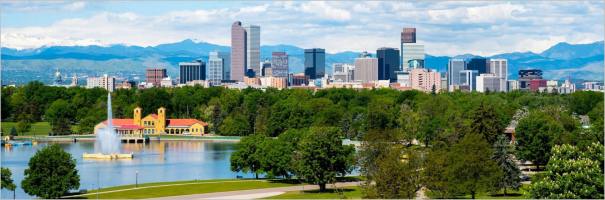 An image from Denver, Co, USA
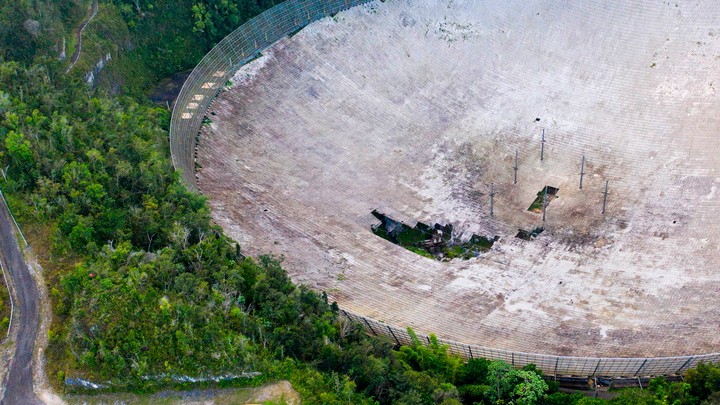


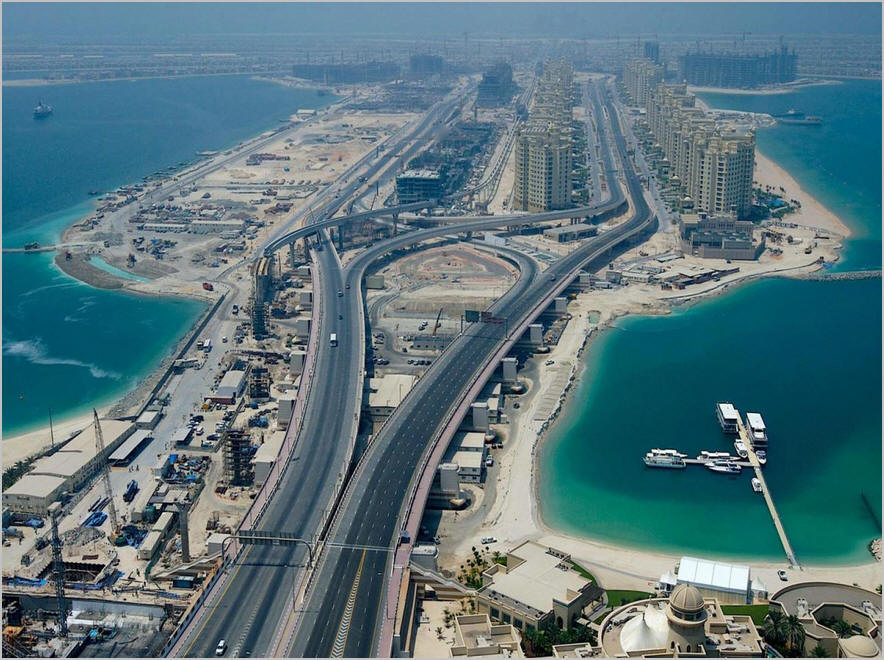

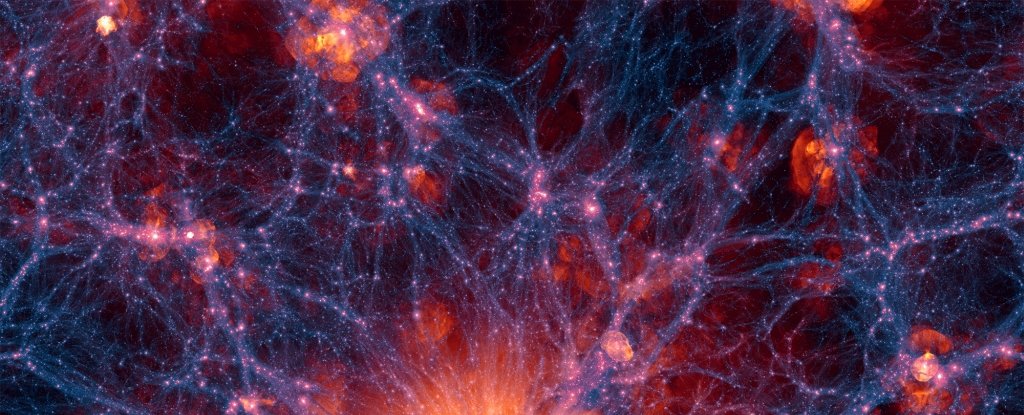

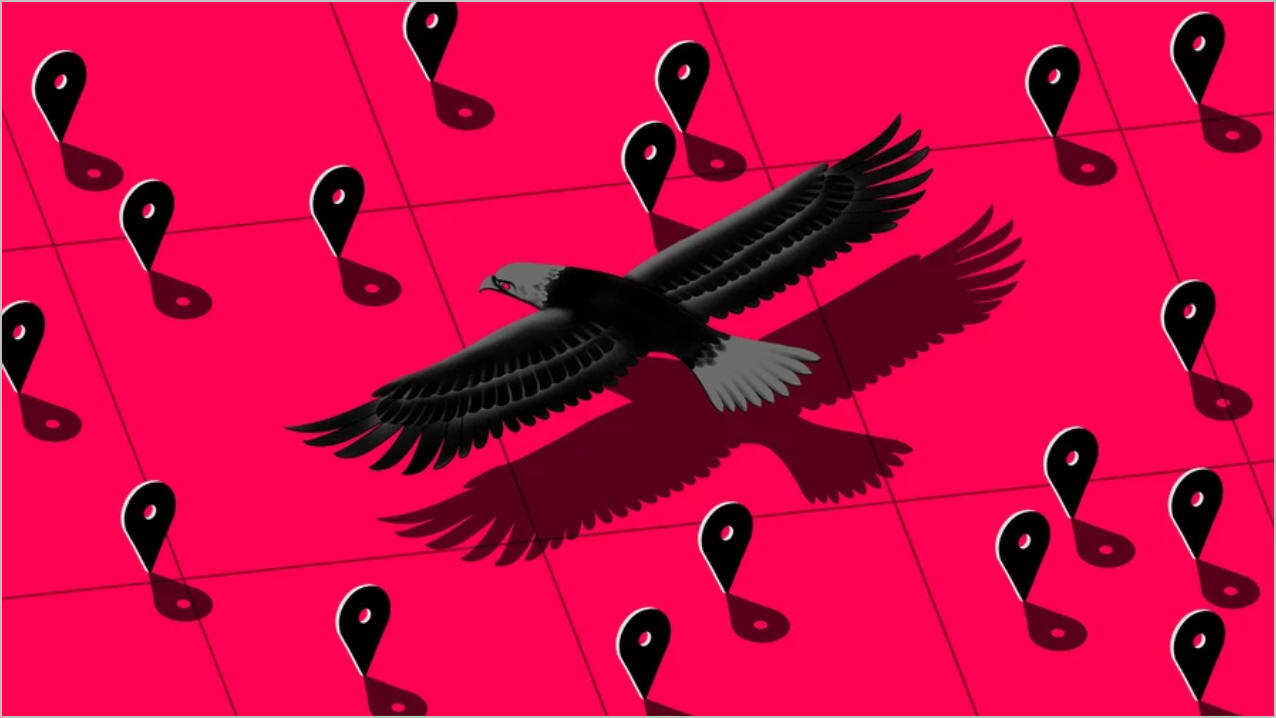 Image: Cathryn Virginia



 James' World 2