
.
News You might have missed!
Use your browser or smartphone back arrow (<-) to return to this table for your next selection.
.
__________________________________________
Assorted human interest posts.
March 17, 2022
Crime, Food For Thought, Human Interest, Medical, missed News, Political, Science, Technical amazon, business, Business News, current-events, Future, Hotels, human-rights, medicine, mental-health, research, Science, Science News, technology, Technology News, travel, vacation Leave a comment
.
.
__________________________________________
March 16, 2022
Business, Enthralling, Human Interest, Photographs amazon, business, Business News, current-events, Future, Hotels, human-rights, medicine, mental-health, research, Science, Science News, technology, Technology News, travel, vacation Leave a comment

Click the link below the picture
.
Malaysia is a country in Southeast Asia. The federal constitutional monarchy consists of thirteen states and three federal territories, separated by the South China Sea into two regions, Peninsular Malaysia and Borneo’s East Malaysia. Peninsular Malaysia shares a land and maritime border with Thailand and maritime borders with Singapore, Vietnam, and Indonesia. East Malaysia shares land and maritime borders with Brunei and Indonesia and a maritime border with the Philippines and Vietnam. Kuala Lumpur is the national capital, largest city, and the seat of the legislative branch of the federal government. The nearby planned capital of Putrajaya is the administrative capital; which represents the seat of both the executive branch (Cabinet, federal ministries, and agencies) and the judicial branch of the federal government. With a population of over 32 million, Malaysia is the world’s 44th-most populous country. The southernmost point of continental Eurasia is in Tanjung Piai. In the tropics, Malaysia is one of 17 megadiverse countries, home to a number of endemic species.
Malaysia has its origins in the Malay kingdoms which, from the 18th century, became subject to the British Empire, along with the British Straits Settlements protectorate. Peninsular Malaysia was unified as the Malayan Union in 1946. Malaya was restructured as the Federation of Malaya in 1948 and achieved independence on 31 August 1957. The independent Malaya united with the then British crown colonies of North Borneo, Sarawak, and Singapore on 16 September 1963 to become Malaysia. In August 1965, Singapore was expelled from the federation and became a separate independent country.
The country is multi-ethnic and multi-cultural, which has a significant effect on its politics. About half the population is ethnically Malay, with minorities of Chinese, Indians, and indigenous peoples. The country’s official language is Malaysian, a standard form of the Malay language. English remains an active second language. While recognizing Islam as the country’s established religion, the constitution grants freedom of religion to non-Muslims. The government is modeled on the Westminster parliamentary system and the legal system is based on common law. The head of state is an elected monarch, chosen from among the nine state sultans every five years. The head of government is the Prime Minister.
After independence, the Malaysian GDP grew at an average of 6.5% per annum for almost 50 years. The economy has traditionally been fuelled by its natural resources but is expanding in the sectors of science, tourism, commerce, and medical tourism. Malaysia has a newly industrialized market economy, ranked third largest in Southeast Asia and 33rd-largest in the world. It is a founding member of ASEAN, EAS, OIC, and a member of APEC, the Commonwealth, and the Non-Aligned Movement. Wikipedia
.
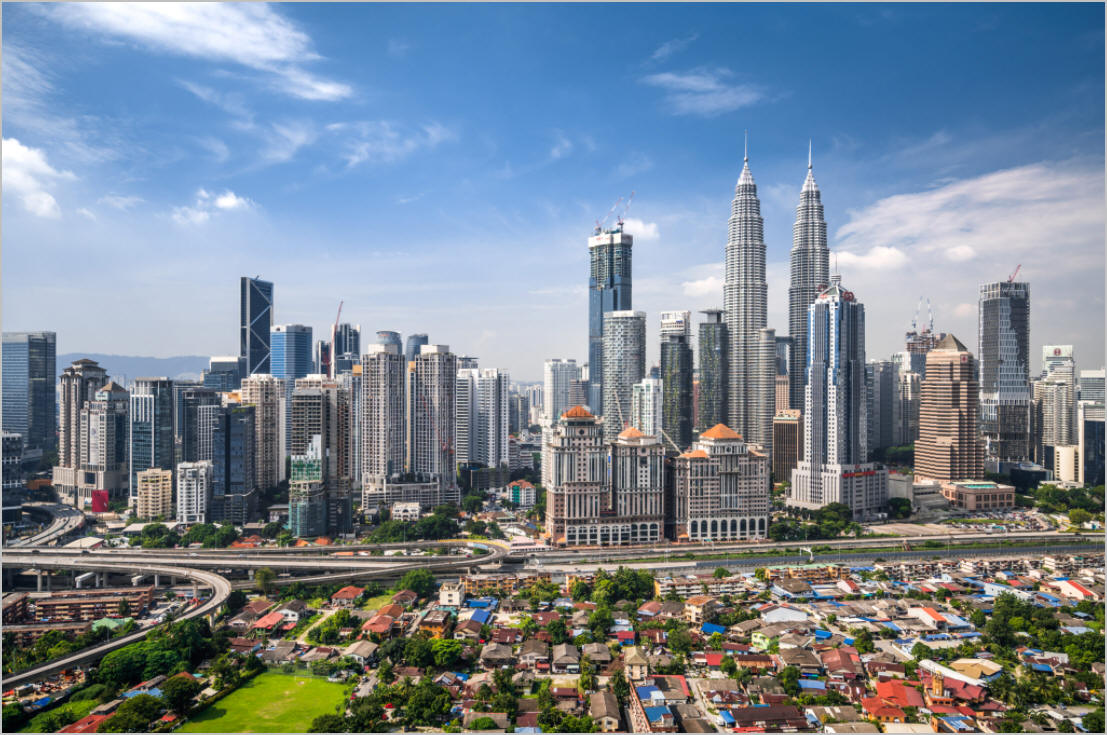 An image from Malaysia
.
.
Click the link below for images:
.
__________________________________________
March 16, 2022
Business, Food For Thought, Human Interest, Medical, Overlooked Past Article, Science, Technical amazon, business, Business News, current-events, Future, Hotels, human-rights, medicine, mental-health, research, Science, Science News, technology, Technology News, travel, vacation Leave a comment

Click the link below the picture
.
A pig heart has been beating away in the body of a confused baboon for 945 days — and it could be the key to saving human lives with animal parts.
Xenotransplantation, the process of transferring an organ from one species to another, is nothing new. But a study published Tuesday in Nature Communications showed that thanks to a regime of immunosuppressive therapy drugs, five genetically modified pig hearts put into different baboons stayed alive — beating and growing, but not replacing the functioning baboon’s heart.
One of them lasted 945 days — almost twice as long as the previous record. Before this report, the longest a heart survived was just 500 days.
“This has the potential to really move the field forward,” Dr. Richard Pierson, a professor of surgery at the University of Maryland School of Medicine and one of the study’s co-authors, said in a statement. “This new approach clearly made a difference. We obviously have a lot more work to do, but I’m confident that eventually, this will be useful to human patients.”
It’s exciting but potentially dangerous: Experts say xenotransplantation could be used to support human life. In current experiments, a pig heart just hangs out in a baboon’s belly. But making that pig heart shoulder all the baboon’s cardiovascular functioning is a hell of a lot more demanding. Plus, the baboons are on drugs that make them horrible at fighting disease. So while their immune systems don’t fight the invading organ, they also stink at fighting sickness, meaning the baboons could be at risk of illness.
.
 Pig Heart
.
.
Click the link below for the article:
.
__________________________________________
March 16, 2022
Business, Food For Thought, Human Interest, Science, Technical amazon, business, Business News, current-events, Future, Hotels, human-rights, medicine, mental-health, research, Science, Science News, technology, Technology News, travel, vacation Leave a comment

Click the link below the picture
.
It was a life of difficulty. Born into slavery, at one point his master broke his leg, leaving him disabled. Eventually freed, he spent the next 25 years pursuing his calling – only for his career to be outlawed by the dictator in charge. He fled abroad, an exile and in poverty.
These sketchy biographical details are almost all that we know of the life of the philosopher Epictetus, born around AD55. While some of them are contested – we can’t be sure if he was born a slave, or simply became a slave young – it’s clear that he didn’t have it easy. Nor was his world one that was placid and predictable, either: if he came to Rome from his birthplace in modern-day Turkey sometime around AD65, as some believe, then he would have had a turbulent childhood. He may have witnessed both the fire that torched two-thirds of the city and lived through a single year so politically turbulent it saw four different emperors, two murdered and one who killed himself.
And yet Epictetus had everything he needed. After all, he said – according, at least, to a student who painstakingly wrote down his teachings – that “it is not events that disturb people, it is their judgments concerning them”.
.
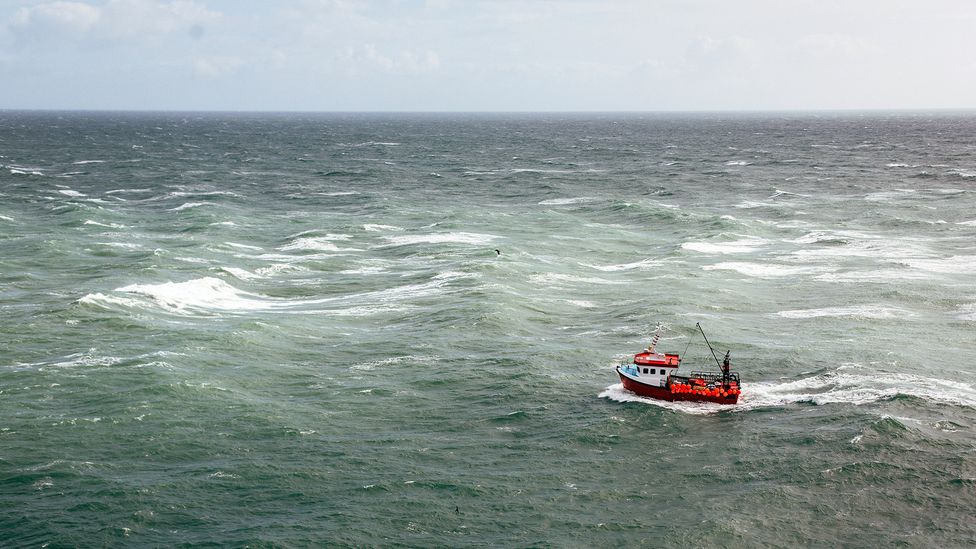 For many people, the world is in a state of upheaval that can feel difficult to cope with, but can the teachings of the Stoics help in these troubling times?
.
.
Click the link below for the article:
.
__________________________________________
March 16, 2022
Crime, Food For Thought, Human Interest, Medical, missed News, Political, Science, Technical amazon, business, Business News, current-events, Future, Hotels, human-rights, medicine, mental-health, research, Science, Science News, technology, Technology News, travel, vacation Leave a comment
.
.
__________________________________________
March 15, 2022
Business, Food For Thought, Human Interest, Medical, Political, Science, Technical amazon, business, Business News, current-events, Future, Hotels, human-rights, medicine, mental-health, research, Science, Science News, technology, Technology News, travel, vacation Leave a comment

Click the link below the picture
.
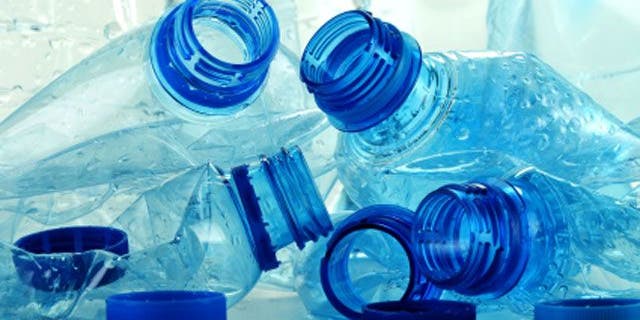
We are surrounded by toxic chemicals every day – around 80,000 worth, according to the Environmental Protection Agency (EPA). From the pesticides on the foods we eat to the latest tech gadgets and hottest new beauty products, chemicals are everywhere.
Unfortunately, these chemicals, such as bisphenol A (BPA), formaldehyde, phthalates, and toxic flame retardants, are easily absorbed into our bodies and have been linked to obesity, infertility, asthma, heart disease, and even cancer. Toxic chemicals are especially troubling for kids, as their bodies are much smaller and are still developing.
In fact, a recent study in the journal Environmental Health Perspectives found that exposure to chemicals like flame retardants found in furniture and stain-resistant items may cause breast cancer. What’s more, many of these chemicals have never been tested for their safety in humans, and experts agree strong legislation is needed.
.
.
.
Click the link below for the article:
.
__________________________________________
March 15, 2022
Business, Enthralling, Human Interest, Photographs amazon, business, Business News, current-events, Future, Hotels, human-rights, medicine, mental-health, research, Science, Science News, technology, Technology News, travel, vacation Leave a comment
Click the link below the picture
.
Perućica is one of the last remaining primeval forests in Europe. It is located in Republika Srpska, Bosnia, and Herzegovina, near the border with Montenegro. It is part of the Sutjeska National Park.
Perućica Forest Reserve is 6 kilometers (3.7 mi) long, 1–3 kilometers (0.62–1.86 mi) wide, and has an area of 1,400 hectares (3,500 acres). It is a UNESCO-recognized site. The forest has many trees that are 300 years old, and the primeval forest’s vintage is stated to be 20,000 years. In some stretches, the forest growth is almost impenetrable, and the forest can only be explored in the company of rangers.
.
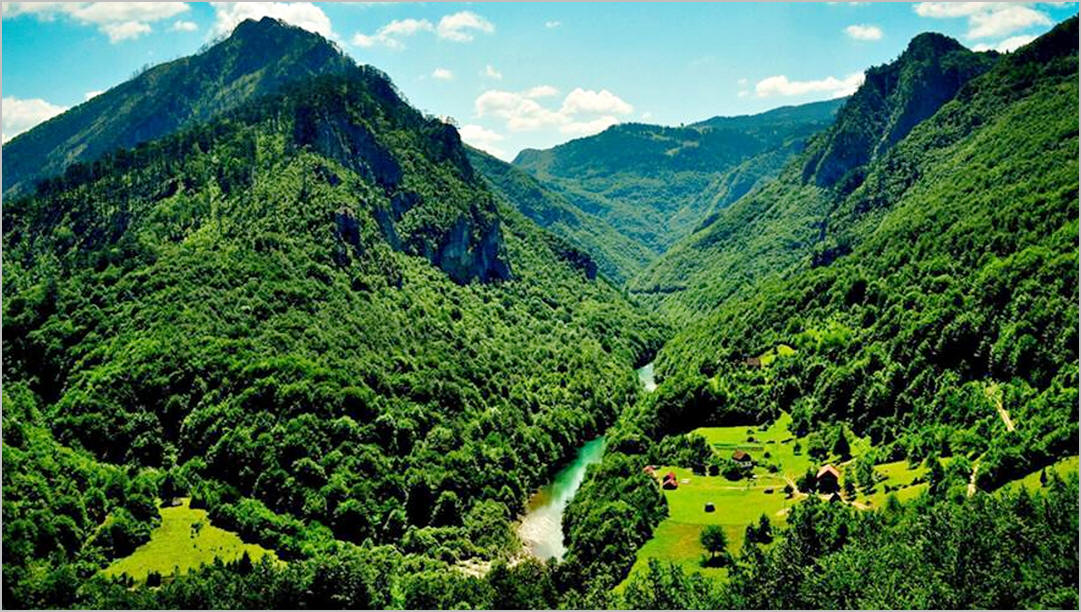 An image from Perucica Forest Bosnia And Herzegovina
.
.
Click the link below for images:
.
__________________________________________
March 15, 2022
Business, Food For Thought, Human Interest, Medical, Political, Science, Technical amazon, business, Business News, current-events, Future, Hotels, human-rights, medicine, mental-health, research, Science, Science News, technology, Technology News, travel, vacation Leave a comment

Click the link below the picture
.
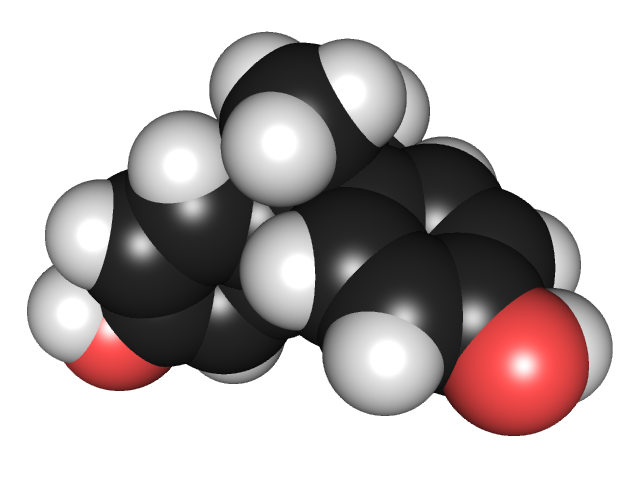
BPA stands for bisphenol A, an industrial chemical that has been used to make certain plastics and resins since the 1950s.
BPA is found in polycarbonate plastics and epoxy resins. Polycarbonate plastics are often used in containers that store food and beverages, such as water bottles. They may also be used in other consumer goods.
Epoxy resins are used to coat the inside of metal products, such as food cans, bottle tops, and water supply lines. Some dental sealants and composites also may contain BPA.
Some research has shown that BPA can seep into food or beverages from containers that are made with BPA. Exposure to BPA is a concern because of the possible health effects on the brain and prostate gland of fetuses, infants, and children. It can also affect children’s behavior. Additional research suggests a possible link between BPA and increased blood pressure, type 2 diabetes, and cardiovascular disease.
.

.
.
Click the link below for the article:
Bisphenol A (BPA) is a chemical compound and one of the simplest and best-known bisphenols. It is produced by the condensation of phenol and acetone, with an estimated 4 million tonnes of produced worldwide in 2015. It is a colorless solid which is soluble in organic solvents, but poorly soluble in water (0.344 wt % at 83 °C).
BPA and its derivatives have many uses, most of which are centered around plastics. Its largest single application is as a co-monomer in the production of polycarbonates and, to a much lesser extent, polysulfones. Its epoxide derivative BADGE (also called DGEBA) is the starting material for most epoxy resins. Low levels of unpolymerised BPA and BADGE are also used in PVC plastisols, as an auxiliary antioxidant and acid scavenger respectively. A common, if minor, use is as a stabilizer in thermal paper. It is not a plasticizer, although it is often wrongly labeled as such.
BPA is a xenoestrogen, exhibiting estrogen-mimicking, hormone-like properties. Although the effect is very weak, the pervasiveness of BPA-containing materials raises concerns. Many of these materials are non-obvious but commonly encountered; such as coatings for the inside of food cans, clothing, shop receipts, and dental fillings. Since 2008, several governments have investigated its safety, which prompted some retailers to withdraw polycarbonate products. Since then, BPA-free plastics have been manufactured using alternative bisphenols such as bisphenol S and bisphenol F, but there is controversy around whether these are actually safer.
Bisphenol A was reported in 1891 by the Russian chemist Aleksandr Dianin.
In 1934 workers at I.G. Farbenindustrie reported the coupling of BPA and epichlorohydrin. Over the following decade, coatings and resins derived from similar materials were described by workers at the companies of DeTrey Freres in Switzerland and DeVoe and Raynolds in the US. This early work underpinned the development of epoxy resins, which in turn motivated production of BPA. The utilization of BPA further expanded with discoveries at Bayer and General Electric on polycarbonate plastics. These plastics first appeared in 1958, being produced by Mobay and General Electric, and Bayer.
Click the link below for the Wikipedia article If desired:
.
__________________________________________
March 15, 2022
Business, Food For Thought, Human Interest, Science, Technical amazon, business, Business News, current-events, Future, Hotels, human-rights, medicine, mental-health, research, Science, Science News, technology, Technology News, travel, vacation Leave a comment

Click the link below the picture
.
Great managers know how to coach, engage and motivate their teams. But the job isn’t easy. The way we work is rapidly changing. Responsibilities are constantly shifting. Workers want to upgrade their skills.
As a managing vice president at Gartner, a global advisory firm, I oversee research and products for learning. To better understand what the best managers do to develop employees in today’s busy work environment, we surveyed 5,000 managers from around the world in different functions.
.

.
.
Click the link below for the article:
.
__________________________________________
March 15, 2022
Crime, Food For Thought, Human Interest, Medical, missed News, Political, Science, sports, Technical amazon, business, Business News, current-events, Future, Hotels, human-rights, medicine, mental-health, research, Science, Science News, technology, Technology News, travel, vacation Leave a comment
.
.
__________________________________________
Să facem glume, nu război
In the world, human beings are facing various problems. People who are full of greed, anger, and ignorance are seen to be fighting with each other in words and deeds. As the fighting continues, various problems such as civil wars, wars of aggression, and wars of aggression are occurring. As world peace is being destroyed, humans are facing unbearable problems. Innocent children and women are not getting the rights they deserve and deserve. I can't think of one thing every time. What is it? The United Nations. If we look at the responsibilities and duties of the United Nations, I think it is not suitable for solving the problems that are happening in the world today. In fact, the United Nations and the World Security Council, such an organization must rule the world, must be able to give orders, and must have various ways to obey orders. There must be no organization that can influence more than that organization. There should be experts from each country. They can even dominate the superpowers like the US, China, and Britain. Only then will global peace be achieved quickly. Now, if a country with power develops more militarily, economically, or socially than its own country, then powerful countries will jealously seek out enemies and wage war. Or they will attack with fighter jets. In this, innocent people are losing their lives. No one understands the value of a life. You should think about how to achieve global peace by controlling these. If the US continues to be the permanent president of the UN, world peace will never be achieved. If you think carefully, no one sees that they are working for the common good, but for their own benefit, for the benefit of their own country. The permanent president of the UN and the Security Council has rejected this, As a young Rohingya, I have come to realize that only by electing the president and secretary from among the countries in the world through a secret ballot system and governing the world fairly can we achieve global peace. The United Nations and the Security Council are organizations in which any country must govern, give orders, and make them obey their orders. For example, only when a defendant is tried in court can we hold the leaders of the countries in check and control them, can we achieve global peace smoothly. Otherwise, it will not be easy for powerful countries to use various excuses to end this war every year, every year, for the benefit of themselves and their countries. No country's leaders pay any attention to the words of the United Nations and the Security Council. If we look at it in practice, look at the Rohingya issue. Myanmar is a small country. Even that country has been under siege for 8 years. What action can be taken? Why is the UN and the Security Council Powerless? Without such Power, how can the organization bring about global peace? Everyone should think about it. Whether there is a veto or a strong one, all countries in the world can only achieve global peace if they are subject to the UN and the Security Council. Seek peace in the quiet embrace of nature. Peace is an indispensable need of the human race. It is not as if one person can kill another person, and it is as if one country can attack another country, but instead of trying to build peace, we must try to destroy the peace now, and the world is getting hotter and is on the verge of collapse. I especially appeal to all the world experts to urgently try to bring about peace in all parts of the world. Mr, Noor Muhamed Arkhan Rohingya Youth Myanmar
Publicație umoristică dedicată glumeților de pretutindeni
Faith saved us from the savages that we were, losing faith makes us savages again
Where Trends Meet Truth
https://www.tangietwoods
Freelance poetry writing
Zalai Betti
INOVATION BLOG PEOPLE AND NEWS
Németh György
Konsultan Lingkungan Hidup di Lombok - NTB
Lea Krasznai (LeaArt21) – Idezetek (Idézetek) WordPress (Budapest, Hungary)
Appunti, spunti e passioni in liberta'
Gyorgy Nemeth
تعنى بتقديم نصائح للمعلمين المبتدئين، والطلبة الممتحنين، ومشاركة الاخرين تجربة الادخار في المال، بترشيد الاستهلاك المنزلي، وترتيب البيت، والحفاظ على البيئة، وتشجيع السيارات صديقةالبيئة، والسياحة والاسفار، ونماء رؤوس الاموال، والطب البديل وتشجيع التعليم الرقمي والذكاء الاصطناعي، والعناية بالنحل وتربية الاسماك، والاسثمار في رؤوس الاموال، الزراعة العضوية، والعناية باسنان الرضع، و صحة الحوامل، وتفسير القران
apprendre pour évoluer
Thoughts on books, language, meaning, and the culture around it.
Outdoor Recreation & Adventure in the Great Lakes Region
News, Info, Bio, Articles, Reviews, Lyrics, Technology, Science, Inspiration, Motivation, Philosphy and many more...
Christian Lifestyle Blogger
CEO and president of The Mullins Companies
Two Cultures. One Life. Endless Stories
Real Estate Development Specialist
¡Bienvenido de vuelta viajero!
so looking to the sky ¡ sing and from my heart to YOU ¡ bring...
CEO and Founder of Nsight Health
Catholic News, Prayers, HD Images, Rosary, Music, Videos, Holy Mass, Homily, Saints, Lyrics, Novenas, Retreats, Talks, Devotionals and Many More
Decoding Power. Defying Narratives.
A creative collaboration introducing the art of nature and nature's art.
The Home Of Entertainment News, Reviews and Reactions
•Whenever you are confronted with an opponent, conquer him with love.(Gandhi)
Algotrader at TRADING-CLUBS.COM
Film and Writing Festival for Comedy. Showcasing best of comedy short films at the FEEDBACK Film Festival. Plus, showcasing best of comedy novels, short stories, poems, screenplays (TV, short, feature) at the festival performed by professional actors.
Peace. Tranquility. Insanity.
Take a ride on the wild side
Découvre des musiques prometteuses (principalement) dans la sphère musicale française.
No tiene que Ser una Pesadilla.
Life in Kana-text (er... CONtext)
Where feelings meet metaphors and make questionable choices.
Finding hope and peace through writing, art, photography, and faith in Jesus.
Eyasu
Eyasu The Wonderful

