January 4, 2022
Mohenjo
Business, Food For Thought, Human Interest, Science, Technical
amazon, business, Business News, current-events, Future, Hotels, human-rights, medicine, mental-health, research, Science, Science News, technology, Technology News, travel, vacation

Click the link below the picture
.
When the Covid-19 pandemic hit, one of the biggest questions was: Why do some people get so much sicker than others? It’s a question that has forced researchers to confront some deep mysteries of the human body and come to conclusions that have startled them.
By the fall of 2020, psychiatrists were reporting that among the many groups who were high risk, people with psychiatric disorders, broadly, seemed to be getting more severe forms of Covid-19 at a higher rate. Katlyn Nemani, an NYU neuropsychiatrist, decided to dig deeper, asking: Just how much more at risk, and which conditions?
In January, she and a group of colleagues published a study of 7,348 Covid-19 patients in New York. One finding was stark: People with a schizophrenia spectrum diagnosis faced more than two and a half times the average person’s risk of dying from Covid-19, even after controlling for the many other factors that affect Covid-19 outcomes, such as cardiovascular disease, diabetes, smoking, obesity, and demographic factors — age, sex, and race.
“That was a pretty shocking finding,” Nemani says. The patients all were hospitalized in the same medical system, in the same region, which implies they weren’t receiving radically different treatments, she says. In sum, it all suggests that the risk was closely linked to the mental illness itself and not to some other variable.
.
:format(webp)/cdn.vox-cdn.com/uploads/chorus_image/image/70215021/covid_19_personality_board1.0.jpg) Christina Animashaun/Vox
Christina Animashaun/Vox
.
.
Click the link below for the article:
.
__________________________________________
January 4, 2022
Mohenjo
Business, Food For Thought, Human Interest, Science, Technical
amazon, business, Business News, current-events, Future, Hotels, human-rights, medicine, mental-health, research, Science, Science News, technology, Technology News, travel, vacation

Click the link below the picture
.
High blood pressure remains a leading cause of death and disability in America today. Nearly half of adults have high blood pressure, and only a quarter of them have their blood pressure under control, putting them at increased risk of heart attack, stroke, dementia, kidney disease and other ills.
Before the coronavirus pandemic, high blood pressure caused or contributed to more than half a million deaths a year in the United States, according to the Centers for Disease Control and Prevention. Those numbers have most likely increased, as blood pressure readings have shot up during the pandemic.
You may have long thought your blood pressure was within normal limits. But in 2017, based on better long-term data, experts lowered the numbers that constitute a healthy blood pressure, resulting in a greater proportion of the population with this risky condition. The former upper limit of “normal” blood pressure, once believed to be 140 over 90 millimeters of mercury, was recognized as too high to prevent serious health problems over time. The current upper limit of normal is 130 over 80, and a blood pressure consistently above 120 over 80 is now considered problematic.
.
 Rachel Levit Ruiz
.
.
Click the link below for the article:
.
__________________________________________
January 3, 2022
Mohenjo
Business, Enthralling, Human Interest, Photographs
amazon, business, Business News, current-events, Future, Hotels, human-rights, medicine, mental-health, research, Science, Science News, technology, Technology News, travel, vacation

Click the link below the picture
.
The Eduardo Avaroa Andean Fauna National Reserve (Reserva Nacional de Fauna Andina Eduardo Avaroa; Spanish acronym: REA) is located in Sur Lípez Province. Situated in the far southwestern region of Bolivia, it is the country’s most visited protected area. It is considered the most important protected area in terms of tourist influx in the Potosí Department.
Located at an altitude between 4,200 m (13,800 ft) and 5,400 m (17,700 ft) in Bolivia, it extends over an area of 714,745 hectares (1,766,170 acres) and includes the Laguna Colorada National Wildlife Sanctuary. Categorized under IUCN Category IV, it is primarily for the protection of birds that inhabit the different lagoons in the reserve. The reserve protects part of the Central Andean dry puna (oligothermic) ecoregion. The reserve’s major attractions are erupting volcanoes, hot springs, geysers, lakes, fumaroles, mountains, and its three endemic species of flamingos in particular.
Established in 1973, the national park is named after Eduardo Avaroa (1838–1879), the Bolivian war hero of the 19th century. It was created by Supreme Decree (SD) of 13 December 1973 and extended on May 14, 1981. Since 2009, the entire reserve is part of the larger Los Lípez Ramsar site.
The reserve is situated in the southern region of Andean mountains in southwestern Bolivia. The mountains rise to heights varying from 3,500–5,000 m (11,500–16,400 ft). The basin features depict active volcanoes, hot springs, geysers, and fumaroles, and a parallel has been drawn with the Yellowstone National Park in the US. Its water resources are limited to lakes and saltwater lagoons due to very low rainfall of 76 mm (3.0 in) annually. Two communities, Quetena Chico and Quetena Grande lie within the reserve.
Lakes include Laguna Verde, Laguna Colorada, Laguna Salada, Laguna Busch and Laguna Hedionda. Laguna Colorada lies at an altitude of 4,278 m (14,035 ft) and covers 60 km2 (23 sq mi). It is named after the effect of wind and sun on the micro-organism that live in it. The lake is very shallow, less than 1 m (3 ft 3 in) deep, and supports some 40 bird species, providing pink algae to population of rare James’s flamingoes who can walk across it. Wikipedia
.
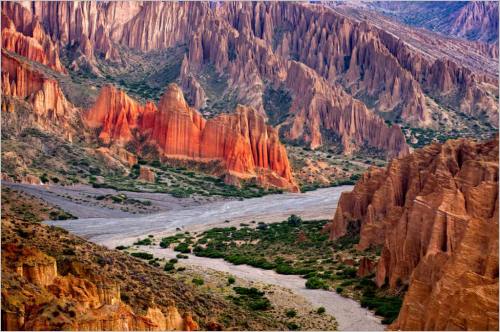 An image from Eduardo Avaroa National Reserve Bolivia
.
.
Click the link below for images:
.
__________________________________________
January 3, 2022
Mohenjo
Business, Human Interest
amazon, business, Business News, current-events, Future, Hotels, human-rights, medicine, mental-health, research, Science, Science News, technology, Technology News, travel, vacation

Click the link below the picture
.
Your brain is hungry. In fact, it is the hungriest organ in your body. Despite making up only around 2 percent of your overall body weight, your brain consumes about 20 percent of your body’s total energy requirement. But it is a mistake to think that it’s only energy that the brain needs to function well; a full complement of micronutrients in sufficient quantities are essential for a healthy brain.
Evidence is growing that deficiencies in these nutrients contribute to poor brain and mental health. Moreover, there is not a single point in the lifespan, from conception to old age, where nutrition doesn’t play an important role in brain structure and mental health.
For example, we know that it is important for women trying to conceive to take folic acid (a B vitamin) to prevent neural tube defects conditions such as spina bifida. Of course, it’s not just folic acid that the developing brain needs. The essential omega-3 fatty acids form the structural building blocks of brain cell membranes.
.
 © Anson Chan
.
.
Click the link below for the article:
.
__________________________________________
January 3, 2022
Mohenjo
Business, Food For Thought, Human Interest, Science, Technical
amazon, business, Business News, current-events, Future, Hotels, human-rights, medicine, mental-health, research, Science, Science News, technology, Technology News, travel, vacation

Click the link below the picture
.
Pull-ups are a foundational strength training exercise that can help you build muscle, with nothing more than bodyweight and a sturdy bar. While they require upper body strength, core stability, and coordination, even beginners can work up to doing full pull-ups, according to fitness experts.
Whether you’re trying to get your first one or want to rep out 100, using variations of the exercise to develop perfect form can help you make steady progress.
.
 Solskin/Getty Images
.
.
Click the link below for the article:
.
__________________________________________
January 2, 2022
Mohenjo
Business, Enthralling, Human Interest, Photographs
amazon, business, Business News, current-events, Future, Hotels, human-rights, medicine, mental-health, research, Science, Science News, technology, Technology News, travel, vacation
Click the link below the picture
.
Gobustan State Reserve located west of the settlement of Gobustan, about 40 miles (64 km) southwest of the center of Baku was established in 1966 when the region was declared as a national historical landmark of Azerbaijan in an attempt to preserve the ancient carvings, mud volcanoes and gas-stones in the region.
Gobustan State Reserve is very rich in archeological monuments, the reserve has more than 6,000 rock carvings, which depict people, animals, battle-pieces, ritual dances, bullfights, boats with armed oarsmen, warriors with lances in their hands, camel caravans, pictures of sun and stars, on the average dating back to 5,000-20,000 years.
Gobustan State Historical and Cultural Reserve acquired national status in 2006 and were added to the UNESCO World Social Legacy List in 2007.
The rock carvings and petroglyphs at the site display mesmerizing images of prehistoric life in the Caucasus. The well-preserved sketches display ancient populations traveling on reed boats; men hunting antelope and wild bulls, and women dancing. The controversial Norwegian anthropologist Thor Heyerdahl returned many times to Azerbaijan between 1961 and his death in 2002 to study the site in his “Search for Odin”.
The language of the ancient population of Gobustan is disputed, but the petroglyphs still give information about the lives of prehistoric people who lived there. More than 4,000 pictures of animals, humans, natural life experiences, hunting, and dancing were carved over a span of thousands of years. Most of the petroglyphs are on large cliffs, divided among multiple ancient residences, and in some cases, they have been carved over older images. The first carvings depicted natural human and animal figures, often irregularly, but over time they began to more closely resemble the measurements and proportions of their subjects, including such details as the foot muscles of people in hunting scenes. The heads of the human figures tend to be small and carved without noses, mouths, eyes, or ears. However, experts do not interpret this lack of facial features as an indication that the Gobustan artists lacked technical skill, since some of the carvings demonstrate a higher degree of complexity and detail. Many scenes from tribal life are depicted among the petroglyphs, and images from the Seven Beauties cave suggest that women may have participated in hunting.
It’s estimated that 300 of the planet’s estimated 700 mud volcanoes sit in Gobustan, Azerbaijan, and the Caspian Sea. Many geologists as well as locals and international mud tourists trek to such places as the Firuz Crater, Gobustan, Salyan and end up happily covered in mud which is thought to have medicinal qualities. Wikipedia
.
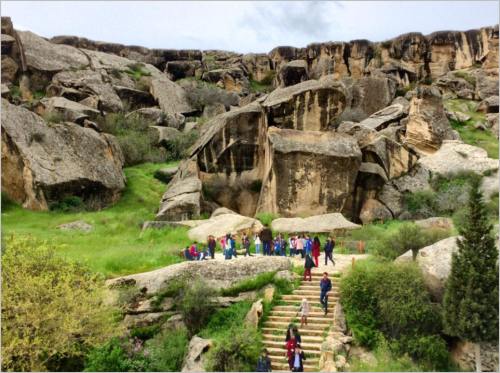 An image from Gobustan National Park
.
.
Click the link below for images:
.
__________________________________________
January 2, 2022
Mohenjo
Business, Food For Thought, Human Interest, Science, Technical
amazon, business, Business News, current-events, Future, Hotels, human-rights, medicine, mental-health, research, Science, Science News, technology, Technology News, travel, vacation

Click the link below the picture
.
Living a heart-healthy lifestyle is important—we know this. Still, in the United States, cardiovascular disease is the number one cause of death, which means heart disease prevention should be at the top of everyone’s priority list.
Fortunately, we learned a lot this year from cardiologists, heart health experts, new research, and the American Health Association (AHA) about what you can do to keep your ticker in tip-top shape.
Ahead, our top learnings this year, each of which can help decrease your risk of health disease and improve your overall well-being.
Yes, walking is enough exercise
On days or weeks when you’re super busy (which, let’s be honest, is most of the time for many of us), it can be challenging to squeeze in a workout—never mind having the energy to do said workout. The good news is that, according to cardiologists, an easy, breezy, 15-minute walk around the block is enough to contribute to a healthy heart and body as a whole.
The morbidity (illness and disease) and mortality benefits of walking happen regardless of how fast your heart beats per minute while doing it. Of course, increasing your cardiovascular fitness and earning even more morbidity and mortality points requires increasing your heart rate and going longer distances.
.
 Photo: Getty Images/ Oliver Rossi
.
.
Click the link below for the article:
.
__________________________________________
January 2, 2022
Mohenjo
Business, Food For Thought, Human Interest, Science, Technical
amazon, business, Business News, current-events, Future, Hotels, human-rights, medicine, mental-health, research, Science, Science News, technology, Technology News, travel, vacation
Click the link below the picture
.
Lower back pain might be one of life’s great mysteries, and unlike, say, Bigfoot, many of us have experienced back pain IRL. Still, it’s challenging to pinpoint the origin because your spine and muscular system are interconnected. One surprising culprit behind back pain? For some people, it involves tight hamstrings. The good news? There are ways to relieve your pain and prevent further discomfort through exploring stretches and strength training. Below, we break down why tight hamstrings happen, how they cause back pain, and how to stretch these large and important muscles.
What are hamstrings, anyway?
The hamstrings are a group of three muscles—semitendinosus, semimembranosus, and biceps femoris—that run from your hips along the back of your thighs to your knees, according to the medical information library Statpearls. They’re essential for standing, walking, sprinting, and assisting knee mobility. So when they are weak or tight, you might feel it in the lower back. This is because tight hamstrings pull your pelvis backward, making it difficult for the glutes to participate in things like standing and walking, which increases the strain on the lower back, according to Jerome Enad, MD, board-certified orthopedic surgeon specializing in sports medicine. This pulling goes against the spine’s natural curvature, contributing to lower back strain. Dr. Enad says this tilt might also reduce the spine’s shock absorption, further agitating the nerves in the spine.
.

.
.
Click the link below for the article:
.
__________________________________________
January 1, 2022
Mohenjo
Business, Enthralling, Human Interest, Photographs
amazon, business, Business News, current-events, Future, Hotels, human-rights, medicine, mental-health, research, Science, Science News, technology, Technology News, travel, vacation
Click the link below the picture
.
The Sámi people are an indigenous Finno-Ugric-speaking people inhabiting the region of Sápmi (formerly known as Lapland), which today encompasses large northern parts of Norway, Sweden, Finland, and of the Murmansk Oblast, Russia, most of the Kola Peninsula in particular. The Sámi have historically been known in English as Lapps or Laplanders, but these terms are regarded as offensive by some Sámi people, who prefer the area’s name in their own languages, e.g. Northern Sami Sápmi. Their traditional languages are the Sámi languages, which are classified as a branch of the Uralic language family.
Traditionally, the Sámi have pursued a variety of livelihoods, including coastal fishing, fur trapping, and sheep herding. Their best-known means of livelihood is semi-nomadic reindeer herding. Currently, about 10% of the Sámi are connected to reindeer herding, which provides them with meat, fur, and transportation. 2,800 Sámi people are actively involved in reindeer herding on a full-time basis in Norway. For traditional, environmental, cultural, and political reasons, reindeer herding is legally reserved for only Sámi people in some regions of the Nordic countries.
Speakers of Northern Sámi refer to themselves as Sámit (the Sámis) or Sápmelaš (of Sámi kin), the word Sápmi being inflected into various grammatical forms. Other Sámi languages use cognate words. As of around 2014, the current consensus among specialists was that the word Sámi was borrowed from the Proto-Baltic word *žēmē, meaning ‘land’ (cognate with Slavic zemlja (земля), of the same meaning).
The word Sámi has at least one cognate word in Finnish: Proto-Baltic *žēmē was also borrowed into Proto-Finnic, as *šämä. This word became modern Finnish Häme (Finnish for the region of Tavastia; the second ä of *šämä is still found in the adjective Hämäläinen). The Finnish word for Finland, Suomi, is also thought probably to derive ultimately from Proto-Baltic *žēmē, though the precise route is debated and proposals usually involve complex processes of borrowing and reborrowing. Suomi and its adjectival form suomalainen must come from *sōme-/sōma-. In one proposal, this Finnish word comes from a Proto-Germanic word *sōma-, itself from Proto-Baltic *sāma-, in turn borrowed from Proto-Finnic *šämä, which was borrowed from *žēmē.
The Sámi institutions — notably the parliaments, radio and TV stations, theatres, etc. — all use the term Sámi, including when addressing outsiders in Norwegian, Swedish, Finnish, or English. In Norwegian and Swedish, the Sámi are today referred to by the localized form Same. Wikipedia
.
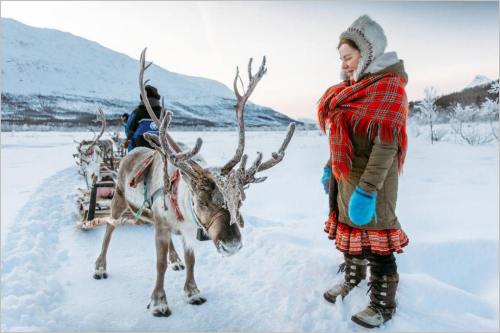 An image of Sami from Norway
.
.
Click the link below for images:
.
__________________________________________
January 1, 2022
Mohenjo
Business, Food For Thought, Human Interest, Science, Technical
amazon, business, Business News, current-events, Future, Hotels, human-rights, medicine, mental-health, research, Science, Science News, technology, Technology News, travel, vacation

Click the link below the picture
.
Time: 5 minutes
Equipment: 5 to 10-pound kettlebell or dumbbell, mat
Good for: Abs
Instructions: For each move, perform as many reps as indicated. Continue to the next move. After you’ve completed all three moves, rest for 30 seconds, then you have the option to repeat the five-minute circuit two to three times if you want to dial up the intensity even more.
Sweat trainer Kelsey Wells says she uses this abs sequence as part of her PWR At Home workout program. It’s perfect for clients who want to transform their core and even helped Kelsey get sculpted and toned during her own fitness journey.
.
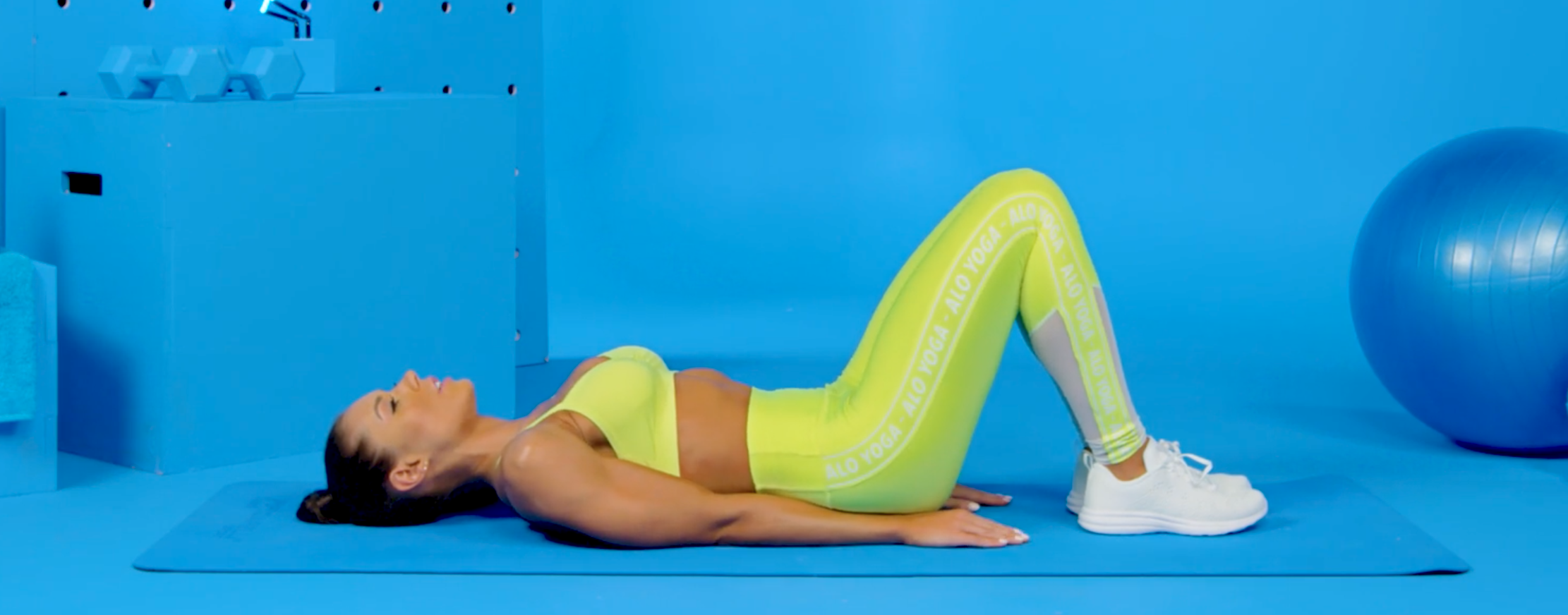 Photos by Women’s Health US
.
.
Click the link below for the article:
.
__________________________________________
Older Entries
Newer Entries

