In post-Charlottesville America, any large gathering of racists and fascists becomes both spectacle and specter. The threat of violence is omnipresent. Locals must “brace” themselves for “chaos and bloodshed.” Everyone dreads “another Charlottesville.” Dread is what Nazis want.
In two small cities near Nashville in Middle Tennessee, the fear was palpable ahead of two “White Lives Matter” rallies here on Saturday.
“So … what brings you to town?” a wary clerk asked guests as they checked into a hotel in Murfreesboro, home to Middle Tennessee State University and 132,000 residents, where one rally will be held Saturday afternoon outside the Rutherford County Courthouse. I heard some version of this question three times before I’d even found my room.
In nearby Shelbyville, a town of 21,000 south of Murfreesboro in Tennessee horse country, another rally ― organized by the same racists and fascists ― is scheduled for Saturday morning. Many Shelbyville residents will stay indoors or clear out altogether, according to local police.
.
Justin Ide/Reuters
Matthew Heimbach, seen here after the white supremacist rally in Charlottesville, Virginia, is head of the Traditionalist Worker Party.
On Oct. 21, Jessica Grubb flipped open her laptop and watched a live stream of her father telling President Barack Obama about her addiction to heroin.
Obama was in Charleston, West Virginia, Jessica’s hometown, to discuss the opioid epidemic. When the local newspaper solicited questions for the president from its readers, Grubb’s parents asked their daughter if they could tell her story.
“Absolutely,” Grubb said, hoping it might help somebody else in need.
If she’d been in Charleston, Grubb would have tried to attend the president’s visit herself. But she was in Michigan, where she’d moved for a residential drug rehab program.
.
Image: Breaking News and Opinion on The Huffington Post
Sara, a recent graduate of Stanford University, is a survivor. During her freshman year at the school, she says, a male student she was dating turned violent after she refused to have sex with him. He choked her and threatened to kill her, whispering in her ear that no one would care if she died, she says.
Sara reported the attack to Stanford administrators, who then spoke with Robert, the alleged assailant. University administrators told Sara that he didn’t contest her story.
The school imposed a no-contact order on Robert, meaning he had to keep his distance from Sara or face punishment. Sara says she was told to focus on her recovery. She agreed to the plan, and says she asked the school to notify her if other victims of his ever came forward. It is not clear if anyone at the university agreed to her request, though Sara says she was under the impression the school would let her know about any future allegations against Robert.
.
Image: Breaking News and Opinion on The Huffington Post
Four American citizens, including a Washington Post reporter, who have been imprisoned in Iran are set to board a Swiss aircraft Saturday from Tehran to an as-yet-undetermined location, where they will be freed as part of a prisoner release deal between the U.S. and Iran. The agreement is the result of 14 months of high-stakes secret negotiations between the two traditional adversaries.
“Our citizens have not yet been flown out of Iran, so we don’t want to do anything that could complicate it,” a senior administration official said Saturday. “But we are told the deal is done, that they will be let out.”
As part of the exchange, the U.S. will release seven Iranians who were being held in the country on sanctions violations. All were born in Iran, but six are dual Iranian-American citizens. The seven men all have the option to remain in the U.S.
.
Image: Breaking News and Opinion on The Huffington Post
Weeks before she stepped down as secretary of state, Hillary Clinton wrote a memo urging President Barack Obama to step up his administration’s efforts to close the military detention facility in Guantanamo Bay in his second term. In the confidential January 2013 memo obtained by The Huffington Post, Clinton told Obama she worried that support for closing Guantanamo would further erode unless the administration took action.
“We must signal to our old and emerging allies alike that we remain serious about turning the page of GTMO and the practices of the prior decade,” Clinton wrote in the document, using the military abbreviation for the U.S. naval base. “The revitalization of transfers, efforts to prosecute some detainees in federal courts, a longer-term approach to the return of Yemeni detainees, and credible periodic reviews would send the signal and renew a credible detention policy.”
She also encouraged Obama to consider moving Guantanamo detainees into the country. “If the law permits, I recommend that you consider transfers to the United States for pre-trial detention, trial, and sentences,” Clinton wrote.
The Thanksgiving story you know probably goes a bit like this: English Pilgrims, seeking religious freedom, landed in Plymouth, Massachusetts, where they found a rich land full of animals and were greeted by a friendly Indian named Squanto, who taught them how to plant corn.
The true story is more complicated. Once you learn about the real Squanto — also known as Tisquantum — you’ll have a great yarn to tell your family over the Thanksgiving table.
I asked historian Charles Mann, the author of 1491: New Revelations of the Americas Before Columbus, and Paula Peters, a member of the Mashpee Wampanoag tribe and an expert on Wampanoag history, to tell me the real story.
.
Library of Congress
This image from “Young Folks’ History of the United States,” published in 1903, is typical of depictions of the Thanksgiving story at the time.
Film and Writing Festival for Comedy. Showcasing best of comedy short films at the FEEDBACK Film Festival. Plus, showcasing best of comedy novels, short stories, poems, screenplays (TV, short, feature) at the festival performed by professional actors.

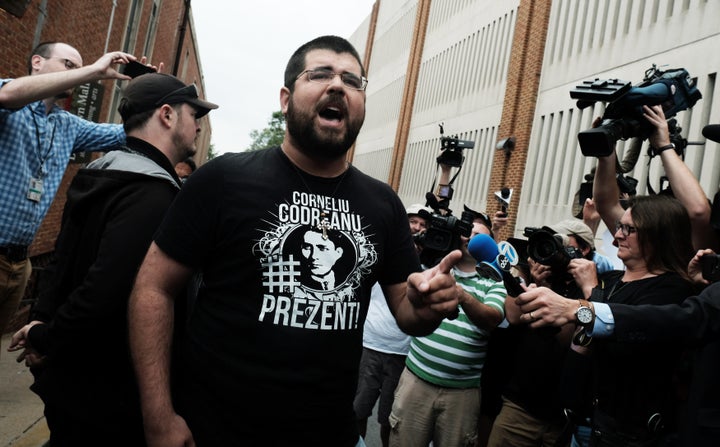

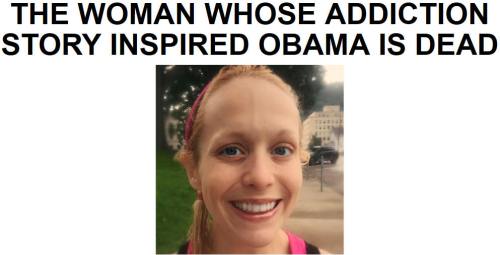 Image: Breaking News and Opinion on The Huffington Post

 Image: Breaking News and Opinion on The Huffington Post
 Hillary Clinton’s Secret Gitmo Memo To Obama
 James' World 2