December 31, 2022
Mohenjo
Business, Food For Thought, Human Interest, Political, Science, Technical
amazon, business, Business News, current-events, Future, Hotels, human-rights, medicine, mental-health, research, Science, Science News, technology, Technology News, travel, vacation

Click the link below the picture
.
Lensa AI’s popularity has had a notable impact on the App Store’s Top Charts. The photo and video editing app recently went viral over its new “magic avatars” feature, powered by the open-source Stable Diffusion model, allowing users to turn their selfies into styled portraits of themselves as sci-fi, anime, or fantasy characters, among other artistic renderings. Consumer demand for the app, and for AI edits more broadly, has now pushed numerous other “AI” apps into the U.S. App Store’s Top Charts. As of Monday, the top three spots on the U.S. App Store are all held by AI photo editors, and even more AI art apps are newly ranking in the Top 100.
The No. 1 spot on the U.S. App Store, however, continues to be held by Lensa AI, which saw 12.6 million global installs in the first 11 days of December, up 600% from the 1.8 million installs it saw during a similar time frame in November (November 20 through November 30), according to new data from app store intelligence firm Sensor Tower. The U.S. accounted for 3.6 million of those new December installs, estimates indicate.
In fact, 8 out of the top 100 apps by downloads on the U.S. App Store were AI art apps during the December 1 through December 11 time frame, the firm’s analysis found.
.
 Image Credits: Lensa AI on Instagram
.
.
Click the link below for the article:
.
__________________________________________
December 31, 2022
Mohenjo
Business, Food For Thought, Human Interest, Political, Science, Technical
amazon, business, Business News, current-events, Future, Hotels, human-rights, medicine, mental-health, research, Science, Science News, technology, Technology News, travel, vacation

Click the link below the picture
.
“A Is for Bee: An Alphabet Book in Translation,” by Ellen Heck
Rather than follow the Anglocentric pattern of apple, ball and cat, this multilingual alphabet book looks across a wide variety of languages to create a new abecedarium.
.

PICTURE BOOKS
.
.
Click the link below for the article:
.
__________________________________________
December 31, 2022
Mohenjo
Crime, Food For Thought, Human Interest, Medical, missed News, Political, Science, Technical
amazon, business, Business News, current-events, Future, Hotels, human-rights, medicine, mental-health, research, Science, Science News, technology, Technology News, travel, vacation

.
News You might have missed!
Use your browser or smartphone back arrow (<-) to return to this table for your next selection.
.
__________________________________________
December 30, 2022
Mohenjo
Business, Food For Thought, Human Interest, Political, Science, Technical
amazon, business, Business News, current-events, Future, Hotels, human-rights, medicine, mental-health, research, Science, Science News, technology, Technology News, travel, vacation

Click the link below the picture
.
You may have noticed a new trend taking over your Instagram feed. Your friends are turning themselves into digital art with the help of an artificial intelligence-generated app called Lensa.
Lensa AI is currently the top free app in Apple
App Store, though you’ll have to pay to use the AI artwork feature.
Lensa first launched as a photo editing tool in 2018, but last month the company released a new feature called “Magic Avatars.” These AI-generated digital self-portraits turn you into works of art in a variety of themes, from pop to fairy princesses, to anime.
You get a 7-day free trial. Subscription fees vary after that, with yearly unlimited access ranging from $14.99 to $49.99. To use the “Magic Avatar” tool, you’ll pay an additional $3.99 for 50 images.
.

Lensa AI image. Sofia Pitt
.
.
Click the link below for the article:
.
__________________________________________
December 30, 2022
Mohenjo
Business, Food For Thought, Human Interest, Political, Science, Technical
amazon, business, Business News, current-events, Future, Hotels, human-rights, medicine, mental-health, research, Science, Science News, technology, Technology News, travel, vacation

Click the link below the picture
.
When the pandemic began, I didn’t place any bets on what the future would hold. But if I had, I would certainly be out a lot of money. One of my expectations was that pandemic-induced economic uncertainty would result in a baby bust. I had research on my side indicating that unemployment leads to reduced conceptions. Others made similar predictions—Brookings Institution researchers forecast in June 2020 that the pandemic would result in up to half a million fewer births in 2021. “Recessions mean fewer children,” they wrote.
.
 H. Armstrong Roberts / Getty; FPG / Getty
.
.
Click the link below for the article:
.
__________________________________________
December 30, 2022
Mohenjo
Crime, Food For Thought, Human Interest, Medical, missed News, Political, Science, Technical
amazon, business, Business News, current-events, Future, Hotels, human-rights, medicine, mental-health, research, Science, Science News, technology, Technology News, travel, vacation
.
News You might have missed!
Use your browser or smartphone back arrow (<-) to return to this table for your next selection.
.
__________________________________________
December 29, 2022
Mohenjo
Business, Food For Thought, Human Interest, Political, Science, Technical
amazon, business, Business News, current-events, Future, Hotels, human-rights, medicine, mental-health, research, Science, Science News, technology, Technology News, travel, vacation

Click the link below the picture
.
On November 4, just hours after Elon Musk fired half of the 7,500 employees previously working at Twitter, some people began to see small signs that something was wrong with everyone’s favorite hellsite. And they saw it through retweets.
Twitter introduced retweets in 2009, turning an organic thing people were already doing—pasting someone else’s username and tweet, preceded by the letters RT—into a software function. In the years since the retweet and its distant cousin the quote tweet (which launched in April 2015) have become two of the most common mechanics on Twitter.
But on Friday, a few users who pressed the retweet button saw the years roll back to 2009. Manual retweets, as they were called, were back.
The return of the manual retweet wasn’t Elon Musk’s latest attempt to appease users. Instead, it was the first public crack in the edifice of Twitter’s code base—a blip on the seismometer that warns of a bigger earthquake to come.
.

.
.
Click the link below for the article:
.
__________________________________________
December 29, 2022
Mohenjo
Human Interest
amazon, business, Business News, current-events, Future, Hotels, human-rights, Immigration, medicine, mental-health, research, Science, Science News, technology, Technology News, travel, vacation, Video

Click link below picture
.
Extremely informative video!
.
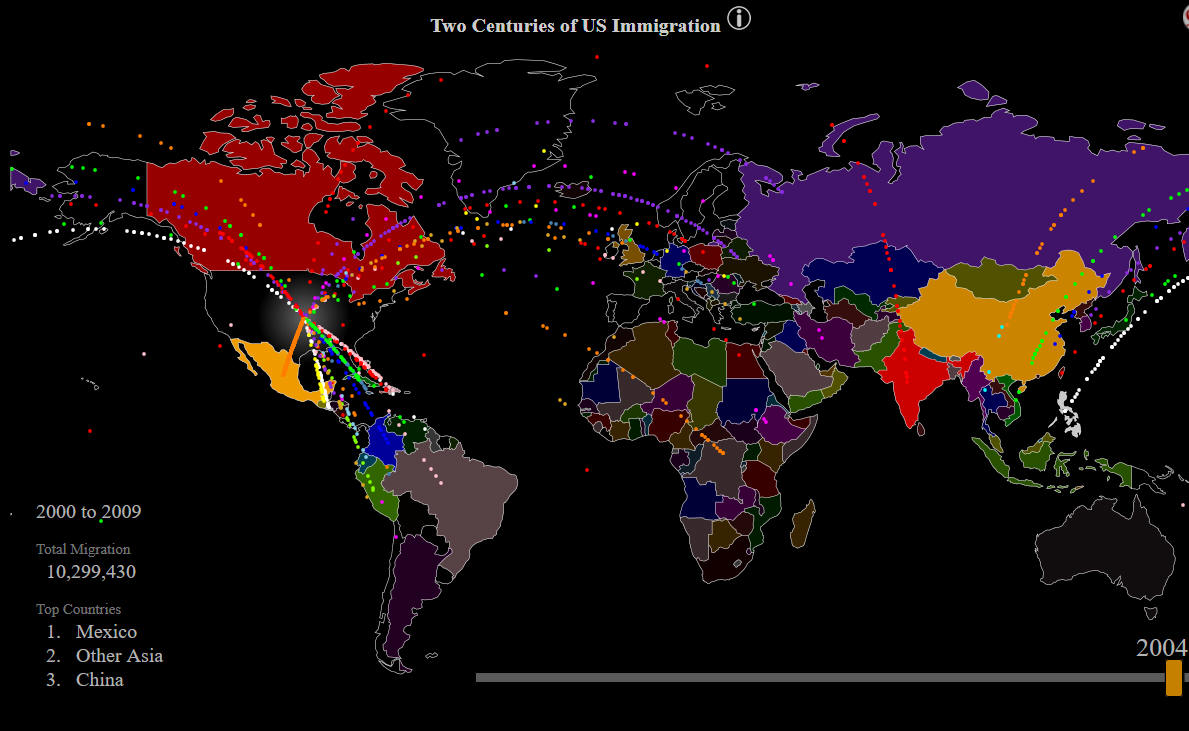 Two Centuries of US Immigration: video
.
.
Click link below for video:
http://metrocosm.com/us-immigration-history-map.html
.
__________________________________________
December 29, 2022
Mohenjo
Crime, Food For Thought, Human Interest, Medical, missed News, Political, Science, Technical
amazon, business, Business News, current-events, Future, Hotels, human-rights, medicine, mental-health, research, Science, Science News, technology, Technology News, travel, vacation
.
News You might have missed!
Use your browser or smartphone back arrow (<-) to return to this table for your next selection.
.
__________________________________________
December 28, 2022
Mohenjo
Business, Food For Thought, Human Interest, Political, Science, Technical
amazon, business, Business News, current-events, Future, Hotels, human-rights, medicine, mental-health, research, Science, Science News, technology, Technology News, travel, vacation

Click the link below the picture
.
In a press conference that Ars attended today, Department of Defense officials discussed the benefits of partnering with Google, Oracle, Microsoft, and Amazon to build the Pentagon’s new cloud computing network. The multi-cloud strategy was described as a necessary move to keep military personnel current as technology has progressed and officials’ familiarity with cloud technology has matured.
Air Force Lieutenant General Robert Skinner said that this Joint Warfighting Cloud Capability (JWCC) contract—worth $9 billion—would help quickly expand cloud capabilities across all defense departments. He described new accelerator capabilities like preconfigured templates and infrastructure as code that will make it so that even “people who don’t understand cloud can leverage cloud” technologies. Such capabilities could help troops on the ground easily access data gathered by unmanned aircraft or space communications satellites.
“JWCC is a multiple-award contract vehicle that will provide the DOD the opportunity to acquire commercial cloud capabilities and services directly from the commercial Cloud Service Providers (CSPs) at the speed of mission, at all classification levels, from headquarters to the tactical edge,” DOD’s press release said.
Until now, officials did not have direct access to cloud providers, and military personnel located around the world didn’t have cloud technology capable of providing access to files at all three classification levels: unclassified, secret, and top secret. With JWCC, that’s changed, and now the defense department expects to be able to pass on intelligence more quickly.
.
 Glow/images
.
.
Click the link below for the article:
.
__________________________________________
Older Entries
Newer Entries

