Udaipur, also known as the “City of Lakes”, is a city in the state of Rajasthan, India. It is the historic capital of the kingdom of Mewar in the former Rajputana Agency. It was founded in 1559 by Udai Singh II of the Sisodia clan of Rajput when he shifted his capital from the city of Chittorgarh to Udaipur after Chittorgarh was besieged by Akbar. It remained as the capital city till 1818 when it became a British princely state, and thereafter the Mewar province became a part of Rajasthan when India gained independence in 1947.
The city is located in the southernmost part of Rajasthan, near the Gujarat border. It is surrounded by the Aravali Range, which separates it from the Thar Desert. It is around 660 km from Delhi and approximately 800 km from Mumbai, placed almost in the middle of two major Indian metro cities. Besides, connectivity with Gujarat ports provide Udaipur a strategic geographical advantage. Udaipur is well connected with nearby cities and states by means of road, rail, and air transportation facilities. The city is served by the Maharana Pratap Airport. Common languages spoken include Hindi, English, and Rajasthani (Mewari). Wikipedia
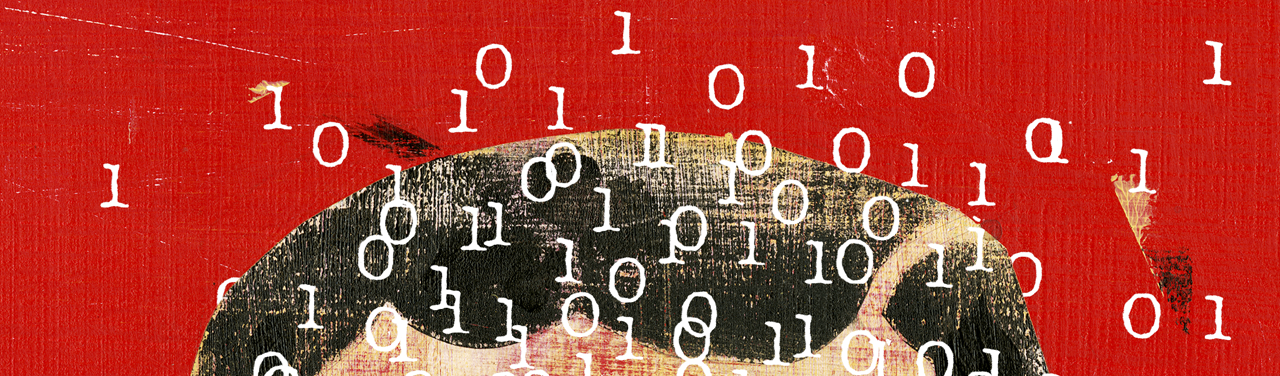
In 1953, at the dawn of modern computing, Nils Aall Barricelli played God. Clutching a deck of playing cards in one hand and a stack of punched cards in the other, Barricelli hovered over one of the world’s earliest and most influential computers, the IAS machine, at the Institute for Advanced Study in Princeton, New Jersey. During the day the computer was used to make weather forecasting calculations; at night it was commandeered by the Los Alamos group to calculate ballistics for nuclear weaponry. Barricelli, a maverick mathematician, part Italian and part Norwegian, had finagled time on the computer to model the origins and evolution of life.
Inside a simple red brick building at the northern corner of the Institute’s wooded wilds, Barricelli ran models of evolution on a digital computer. His artificial universes, which he fed with numbers drawn from shuffled playing cards, teemed with creatures of code—morphing, mutating, melting, maintaining. He created laws that determined, independent of any foreknowledge on his part, which assemblages of binary digits lived, which died, and which adapted. As he put it in a 1961 paper, in which he speculated on the prospects and conditions for life on other planets, “The author has developed numerical organisms, with properties startlingly similar to living organisms, in the memory of a high-speed computer.” For these coded critters, Barricelli became a maker of worlds.
My favorite book of 2018 was Dan Sperber and Hugo Mercier’s The Enigma of Reason. I covered it in my book club as a podcast, but the ideas are so interesting that I wanted to take a second chance to explain them.
The basic puzzle is this:
If reason is so useful, why do human beings seem to be the only animals to possess it? Surely, a lion who had excellent reasoning abilities would catch more gazelles? Yet human beings seem to be alone in the ability to reason about things.
If reason is so powerful, why are we so bad at it? Why do we have tons of cognitive biases? Reasoned thinking is supposed to be good, but we seem to use it fairly little as a species.
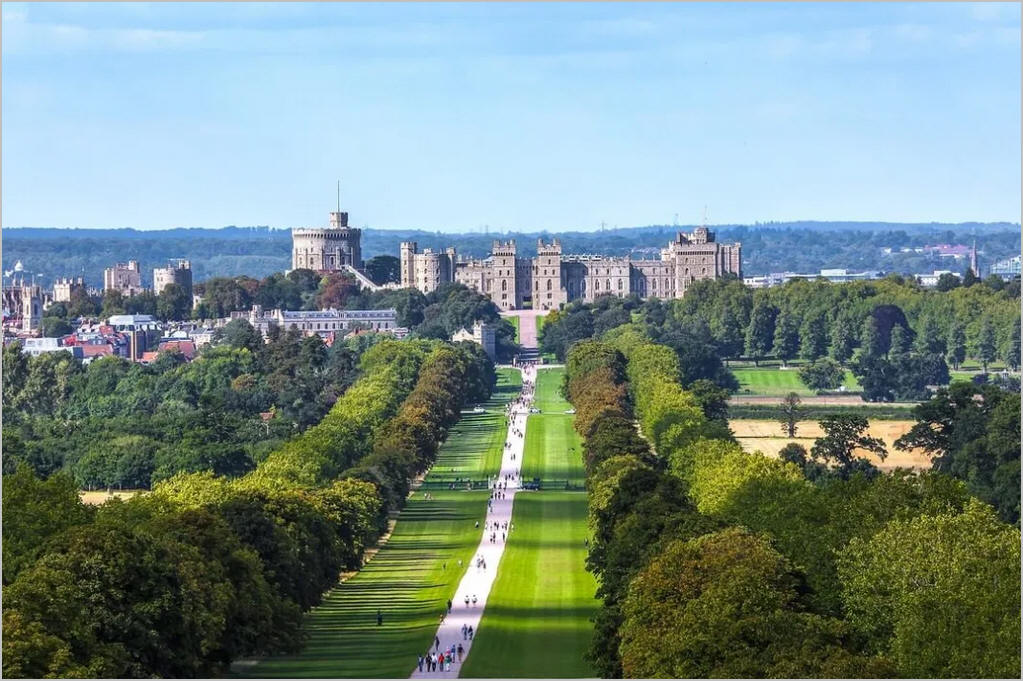
Windsor is a historic market town and unparished area in the Royal Borough of Windsor and Maidenhead in Berkshire, England, close to London. It is the site of Windsor Castle, one of the official residences of the British monarch.
The town is situated 21.7 miles (34.9 km) west of Charing Cross, central London, 5.8 miles (9.3 km) southeast of Maidenhead, and 15.8 miles (25.4 km) east of the county town of Reading. It is immediately south of the River Thames, which forms its boundary with its smaller, ancient twin town of Eton. The village of Old Windsor, just over 2 miles (3 km) to the south, predates what is now called Windsor by around 300 years; in the past Windsor was formally referred to as New Windsor to distinguish the two. Wikipedia
Ivan Afonso checked his computer one last time before picking up the phone. It was April 2020, and like most of Spain, Afonso was stuck at home under a strict Covid lockdown. But his mind was in the mountains.
An environmental scientist, Afonso also served as head of the environmental division in the Aran Valley, a tiny area of the Pyrenees mountain range that forms a dent along Spain’s border with France. For the past three years, his duties had included monitoring the movements of Cachou, a 6-year-old, 130-kilo (287-pound) brown bear. The bear was a local celebrity, one of the few males born in the wild in the Pyrenees and living proof that conservationists’ efforts to rejuvenate the region’s struggling brown bear colony were working.
The task had been a nightmare from the start. Cachou was young and fiery, and—to the dismay of conservationists and farmers—prone to wreaking havoc. Like most bears, Cachou had a sweet tooth. He’d started with assaulting bee farms, but by 2019, he’d learned to hunt horses many times his size. Eventually, authorities put a tracker on him, but even that didn’t work. At one point he was blamed for four attacks within two weeks.
.
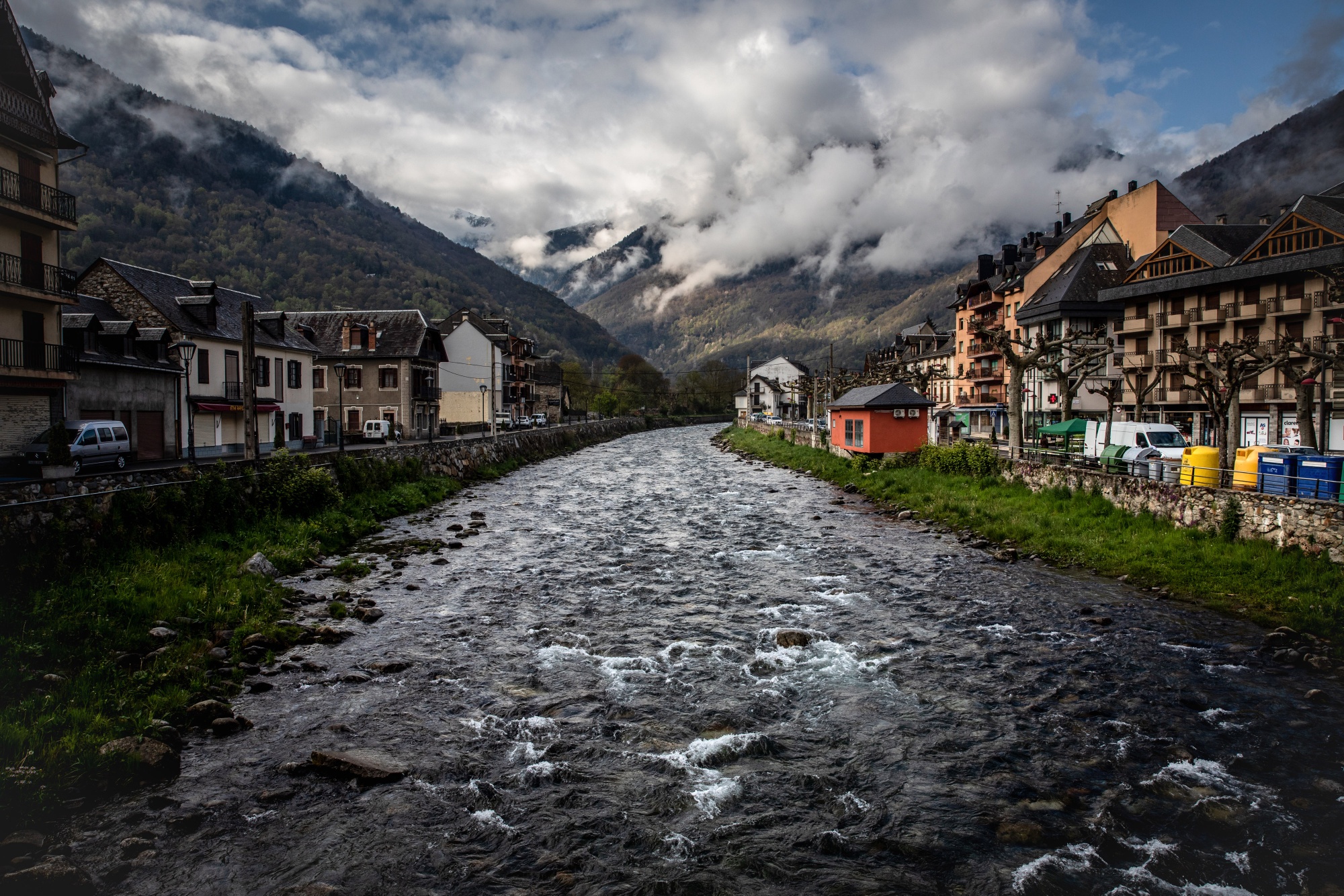
The Garona River, seen here from the village of Bossost, is born high on the Pyrenees and flows into the Atlantic Ocean in France.
Eric Richins looked out from his pontoon boat to the shallows on the lake’s western edge. He squinted and paused as if he had come upon a foreign shore. For the first time in a career navigating the waters of the American West, he didn’t know where he was.
“I could have sworn I was here just six weeks ago catching smallmouth and bigmouth bass,” said the 35-year-old fisherman who runs tours on this 247-square-mile basin where the Colorado River meets the Hoover Dam to form the nation’s largest reservoir.
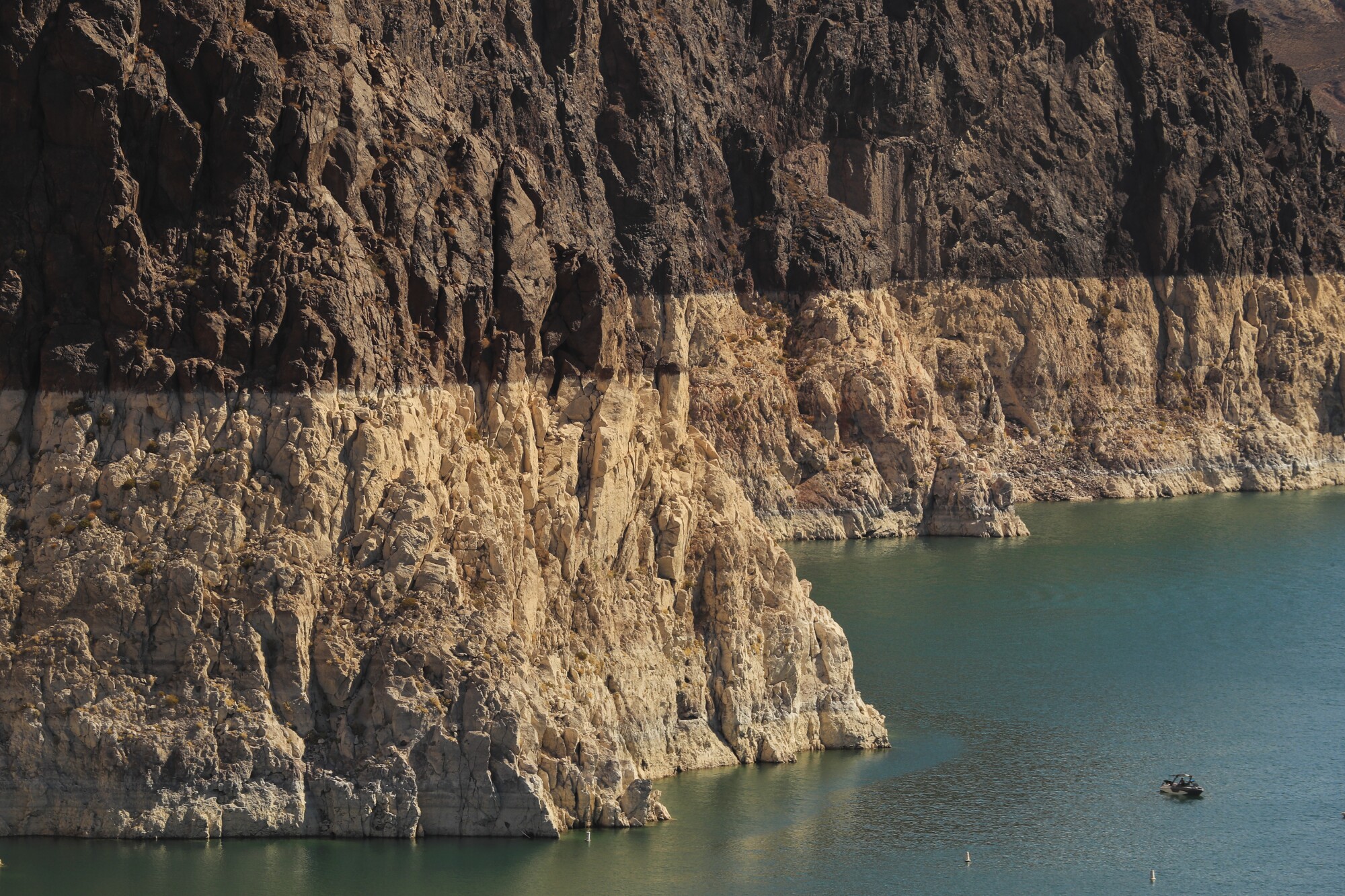
He pointed ahead to what looked like dozens of tiny steps made from successive layers of dried mud now covered in tall grass and weeds — the effect of rapidly creeping vegetation over a shoreline that has been dropping by nearly a foot a week.
“Now it looks like a lawn. I knew the drought was bad. I didn’t realize it was this bad,” he said. “This place is unrecognizable.”
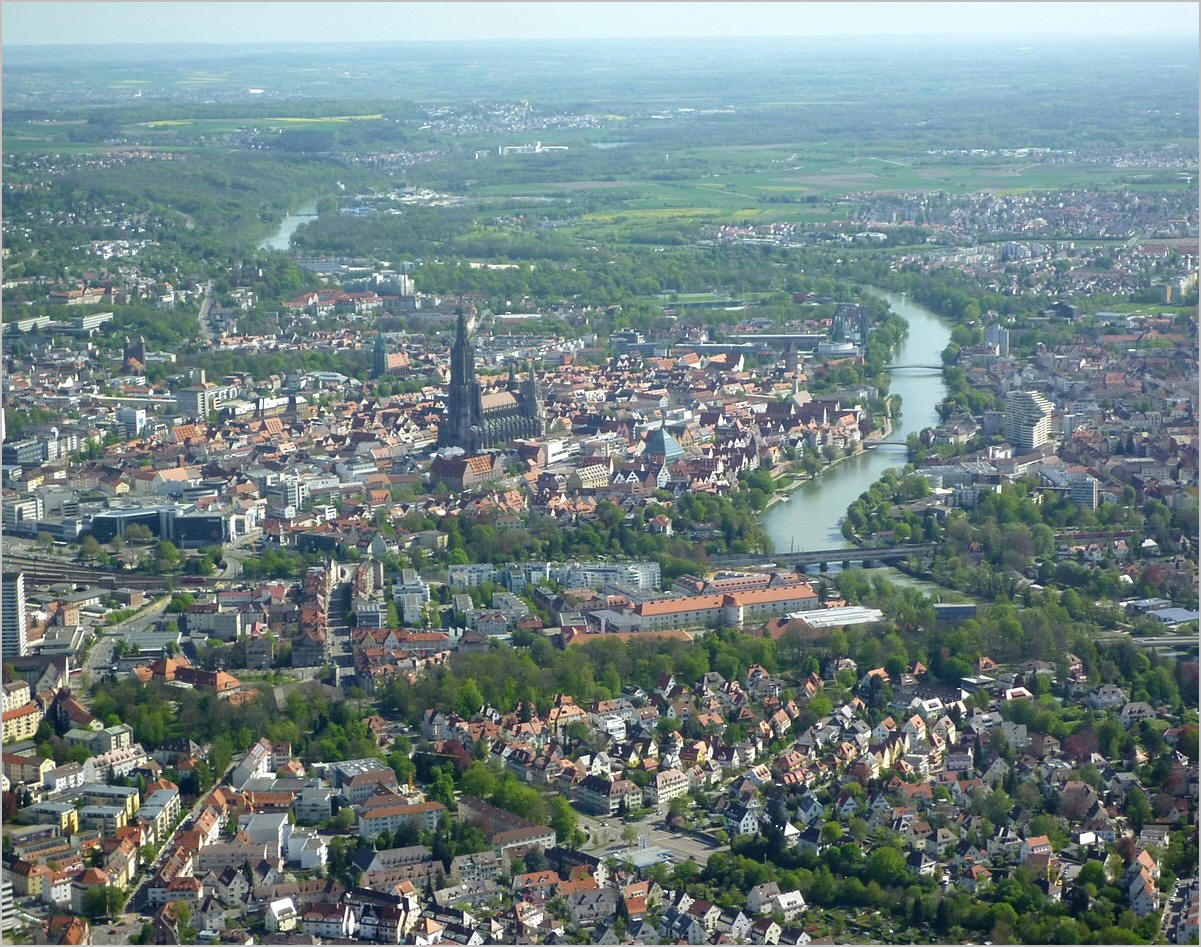
Ulm is a city in the German state of Baden-Württemberg, situated on the River Danube on the border with Bavaria. The city, whose population is estimated at more than 126,000 (2018), forms an urban district of its own (German: Stadtkreis) and is the administrative seat of the Alb-Donau district.
Founded around 850, Ulm is rich in history and traditions as a former free imperial city (German: freie Reichsstadt). The neighboring town of Neu-Ulm in Bavaria was part of Ulm until 1810.
Today, Ulm is an economic center due to its varied industries, and it is the seat of the University of Ulm. Internationally, the city is primarily known for having the church with the tallest steeple in the world (161.53 m or 529.95 ft), the Gothic minster (Ulm Minster, German: Ulmer Münster), and as the birthplace of Albert Einstein. Wikipedia
The weather, often derided as a mundane conversation topic of last resort, has actually been a prolific source of entertainment. Natural disasters drive big-budget blockbusters. Solar power fuels Lorde’s latest single. Double rainbows produced a lasting meme. But is the weather worthy of an entire streaming service?
Fox certainly thinks so. This fall, the network is set to launch Fox Weather, a platform for meteorology programming 24/7, rain or shine.* So does the Weather Channel, which is starting a streaming service it hopes will have 30 million subscribers by 2026—a far cry from Netflix’s more than 200 million subscribers, but on par with smaller streamers such as HBO Max and Hulu. According to TheNew York Times, these impending launches have led to bidding wars over star TV meteorologists, the building of posh new high-tech studios, and debates over the potential influence on public opinion: The prospect of Fox Weather is already worrying many, given the network’s history of climate-change denial.
.
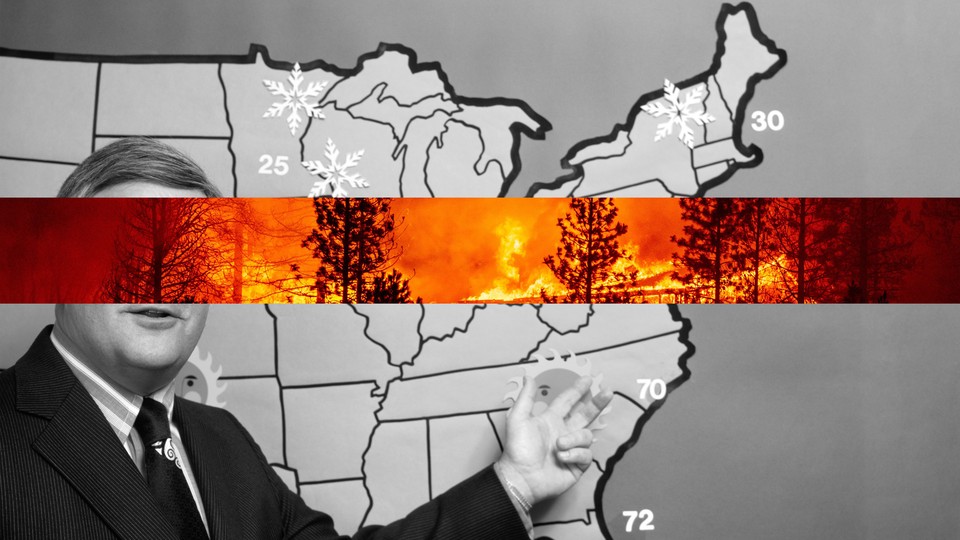
H. Armstrong Roberts / ClassicStock / Getty; Josh Edelson / AFP /Getty; The Atlantic
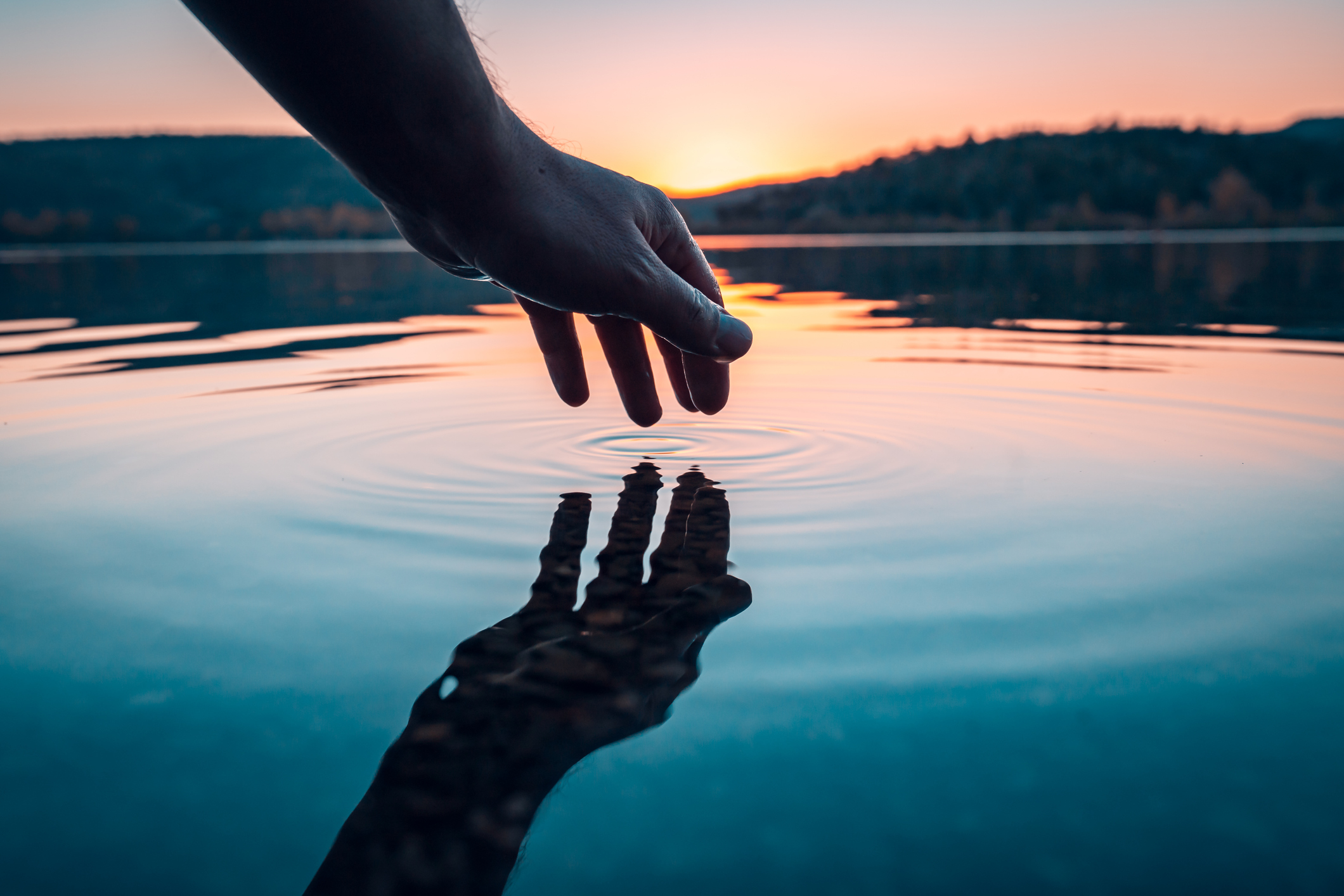
In the world, human beings are facing various problems. People who are full of greed, anger, and ignorance are seen to be fighting with each other in words and deeds. As the fighting continues, various problems such as civil wars, wars of aggression, and wars of aggression are occurring. As world peace is being destroyed, humans are facing unbearable problems. Innocent children and women are not getting the rights they deserve and deserve. I can't think of one thing every time. What is it? The United Nations. If we look at the responsibilities and duties of the United Nations, I think it is not suitable for solving the problems that are happening in the world today. In fact, the United Nations and the World Security Council, such an organization must rule the world, must be able to give orders, and must have various ways to obey orders. There must be no organization that can influence more than that organization. There should be experts from each country. They can even dominate the superpowers like the US, China, and Britain. Only then will global peace be achieved quickly. Now, if a country with power develops more militarily, economically, or socially than its own country, then powerful countries will jealously seek out enemies and wage war. Or they will attack with fighter jets. In this, innocent people are losing their lives. No one understands the value of a life. You should think about how to achieve global peace by controlling these. If the US continues to be the permanent president of the UN, world peace will never be achieved. If you think carefully, no one sees that they are working for the common good, but for their own benefit, for the benefit of their own country. The permanent president of the UN and the Security Council has rejected this, As a young Rohingya, I have come to realize that only by electing the president and secretary from among the countries in the world through a secret ballot system and governing the world fairly can we achieve global peace. The United Nations and the Security Council are organizations in which any country must govern, give orders, and make them obey their orders. For example, only when a defendant is tried in court can we hold the leaders of the countries in check and control them, can we achieve global peace smoothly. Otherwise, it will not be easy for powerful countries to use various excuses to end this war every year, every year, for the benefit of themselves and their countries. No country's leaders pay any attention to the words of the United Nations and the Security Council. If we look at it in practice, look at the Rohingya issue. Myanmar is a small country. Even that country has been under siege for 8 years. What action can be taken? Why is the UN and the Security Council Powerless? Without such Power, how can the organization bring about global peace? Everyone should think about it. Whether there is a veto or a strong one, all countries in the world can only achieve global peace if they are subject to the UN and the Security Council. Seek peace in the quiet embrace of nature. Peace is an indispensable need of the human race. It is not as if one person can kill another person, and it is as if one country can attack another country, but instead of trying to build peace, we must try to destroy the peace now, and the world is getting hotter and is on the verge of collapse. I especially appeal to all the world experts to urgently try to bring about peace in all parts of the world. Mr, Noor Muhamed Arkhan Rohingya Youth Myanmar
Film and Writing Festival for Comedy. Showcasing best of comedy short films at the FEEDBACK Film Festival. Plus, showcasing best of comedy novels, short stories, poems, screenplays (TV, short, feature) at the festival performed by professional actors.

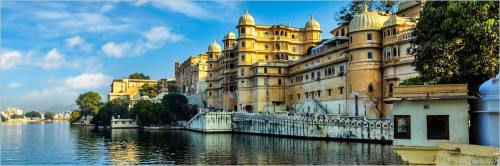 An image from Udaipur, Rajasthan, India





 H. Armstrong Roberts / ClassicStock / Getty; Josh Edelson / AFP /Getty; The Atlantic
