
Click the link below the picture
.
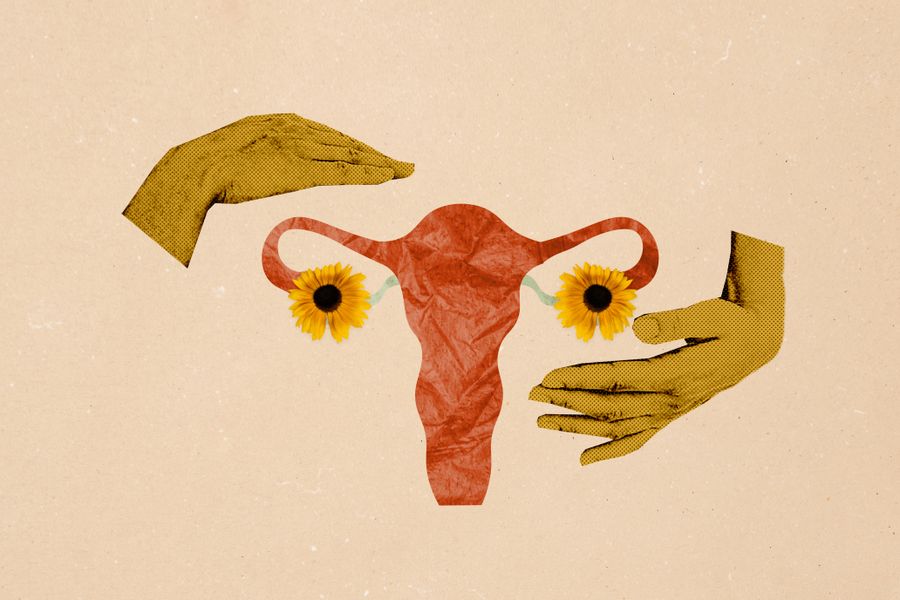
Menopause, despite being a fact of life for most women, is something of a scientific enigma. We know it occurs when the ovaries stop releasing new eggs and estrogen production drops. But the biological consequences of this change beyond reproduction are murky at best. Now new research raises questions about a “physiological cliff” at menopause.
In a recent study published in Nature Medicine, researchers analyzed health data from more than one million women in the U.S. and Israel and found certain “jumps” in physiological traits such as bone density, liver health and other markers at the onset of menopause.
“Menopause is not a slow part of aging. It’s an abrupt, body-wide transition across bone, liver, kidney, blood chemistry, fats, and more,” says Uri Alon, the study’s senior author and a professor at the Weizmann Institute of Science in Rehovot, Israel. “That makes sense since estrogen has receptors in almost every cell in the body.”
The study analyzed trends in menopause using a population-wide analysis that averaged hundreds of millions of health tests.
Alon and his colleagues pinpointed certain “jumps” in health markers: in the case of bone health, they found a “jump in the direction of bone loss,” Alon says. They also observed sudden changes in tests related to kidney function, liver health, and more. Some of these leaps were positive—such as for iron and hemoglobin levels, likely because monthly bleeding stops, Alon says.
The results were surprising, he says: previous work had suggested menopause’s physiological changes were more gradual. When Alon and his team saw the “cliff” in the data, “the hair on the back of our necks stood up,” he says. “So we tested it hard.”
“We ran it on men with the same age distribution and saw no jumps,” he says. Location also didn’t seem to matter—medical records from women in the U.S. and in Israel revealed similar “jumps” across health tests.
Women who were on hormone therapy tended to see smaller jumps in some tests, “especially in bone, liver and kidney,” Alon says. The findings suggest some women might benefit from starting this therapy earlier in life, before menopause—but more research is needed to understand how hormone therapy might help.
.
 Deagreez/Getty Images
.
.
Click the link below for the complete article:
.
__________________________________________


Leave a Reply