From

Click the link below the picture
.
Key Points
- A University of Cambridge researcher ranked 20 common protein sources based on their environmental impact, nutritional value, affordability, and availability.
- Tofu ranked first overall, followed by chia seeds, beans, and quinoa. It earned a perfect Planet Score, producing significantly fewer greenhouse gas emissions and requiring less land than beef per 100 grams of protein.
- Lentils were the least expensive source per 100 grams of protein, while cod had the lowest saturated fat content among the 20 foods evaluated. However, the analysis was conducted by a single researcher and used grocery prices from U.K. stores only.
Gone are the days when protein powder and bars were the extent of the protein universe. Now, protein chips, protein coffee (or “proffee”), and even protein waters are available to consumers just about everywhere. But before you load up your grocery cart with these protein-packed snacks, know that a Cambridge researcher has ranked the protein source that gives you the most bang for your buck.
Protein has been the reigning nutrient in food and nutrition for some time now, fueled largely by the rise of GLP-1 medications and a steady chorus of influencers across social media singing its praises. As Food & Wine reported in January, Cargill’s 2025 Protein Profile found that 61% of consumers reported eating more protein in 2024, up from 48% in 2019. Additional data from NielsenIQ found that the average U.S. supermarket now stocks 38,708 products that advertise their protein content.
So rather than consuming more and more of it, the name of the game may be choosing the right kind of protein in the first place. And a new paper published in July in the journal Frontiers in Sustainable Food Systems may have the answer.
The paper by Chris Macdonald, a researcher at the University of Cambridge and founder of the Better Protein Institute, argues that many food labels, such as carbon footprint ratings, measure only one factor, which can obscure trade-offs. “Unidimensional ratings may conceal inconvenient truths,” he wrote in the piece. His answer for protein is the BPI Score, a “multidimensional rating system” to help people better understand their protein options. “The goal is not necessarily to create another front-of-package label, but to foster a new literacy that empowers consumers, policymakers, and organizations to make more informed decisions,” he added.
Specifically, the BPI Score rates 20 common high-protein foods, from beef steak and salmon to lentils and chia seeds, across two categories. The Planet Score assesses greenhouse gas emissions, water pollution, land use, and freshwater use. The People Score weighs sodium, saturated fat, cholesterol, affordability, and availability, as well as whether a food is a complete protein, meaning it contains all nine essential amino acids. Every food was measured per 100 grams of protein, so that every protein source, be it eggs, walnuts, or steak, is on equal footing.
What the 4 highest-scoring proteins have in common
Tofu, chia seeds, beans, and quinoa made up the highest-scoring group in a University of Cambridge researcher’s analysis of 20 protein sources. The scoring system considered sodium, saturated fat, cholesterol, and whether a food contains all nine essential amino acids, alongside environmental impact, affordability, and availability. Here’s how the four foods performed on measures highlighted in the research.
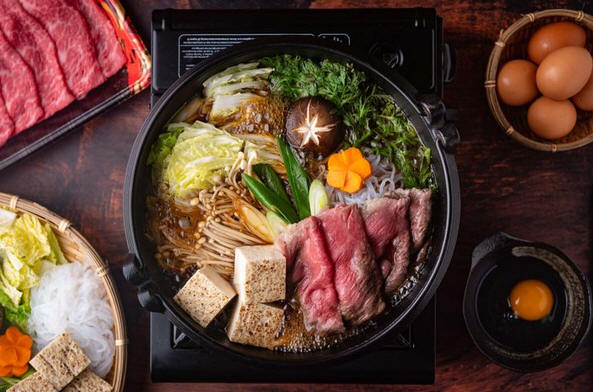
- Tofu: This soy product earned the highest People Score, with 20 out of 24 points, and was classified as a complete protein, meaning it contains all nine essential amino acids. It also earned a perfect 16 out of 16 for environmental impact, giving it the highest overall score of 36 out of 40.
- Chia seeds: These seeds were among the four highest-scoring foods for environmental impact. Producing 100 grams of chia protein was associated with 3.07 grams of water pollution, measured in phosphate equivalents, compared with 46.23 grams for pork. Chia seeds also placed among the four highest-scoring foods overall.
- Beans: Beans performed particularly well on sodium and saturated fat, containing just 11.11 milligrams of sodium and 1.11 grams of saturated fat per 100 grams of protein. They also had exceptionally low freshwater use, measured as consumptive blue water, at 0.07 liters per 100 grams of protein. Beans were also among the four highest-scoring foods on the People Score, which combines nutritional characteristics, affordability, and availability.
- Quinoa: This grain finished among the four highest-scoring protein sources overall, despite being the most expensive food per 100 grams of protein in the analysis. Prices were based on listings from Aldi stores in the United Kingdom. The paper does not identify which individual nutritional or environmental measures contributed most to quinoa’s overall placement.
After putting everything on a level playing field, tofu emerged as the winner with 36 points overall, including a perfect score in the planet category. Macdonald noted that tofu produced 0.61 kilograms of greenhouse gas emissions per 100 grams of protein, compared with 64.19 kilograms for beef. Beef also required about 211 square meters of land for the same amount of protein, while tofu needed just over 2. Tofu, chia seeds, beans, and quinoa made up the top four, while mozzarella, lamb, beef, and cheddar ranked at the bottom.
It wasn’t an entirely clean sweep for plant-based proteins. Cod came out as the winner in the saturated fat category, with the least saturated fat of any food on the list. Furthermore, every animal protein was considered a complete protein, while most plant options were not. And when it came to spending cold, hard cash on protein, Macdonald found that lentils were the cheapest protein per 100 grams, while quinoa, another plant, was the most expensive.
This rating system has some caveats. First, it’s from a single author; it’s not data from a controlled trial; grocery prices were taken from UK stores only, making it hard to assess for the rest of the world; whey isn’t on this list at all; and, as Macdonald said, this is the “first iteration” of the score.
But he added, “The score provides a robust foundation for a more nuanced conversation. Ultimately, beyond the spreadsheets and scores, lies a fundamental reckoning: our protein choice is a referendum on the compassion we are willing to show to the planet and to future generations.”
.
.
 Credit: ahirao_photo / Getty Images
.
.
Click the link below for the complete article:
.
__________________________________________


Leave a Reply