Some content on this page was disabled on April 15, 2025 as a result of a DMCA takedown notice from Guardian Media Group. You can learn more about the DMCA here:
‘Look closely and there’s a tear in Armstrong’s eye’: the Apollo space missions as you’ve never seen them before
September 24, 2022
Business, Food For Thought, Human Interest, Photographs, Political, Science, Technical amazon, business, Business News, current-events, Future, Hotels, human-rights, medicine, mental-health, research, Science, Science News, technology, Technology News, travel, vacation Leave a comment
I love you but I don’t want to see you for the next six weeks: the case for a ‘marriage sabbatical’
September 24, 2022
Business, Food For Thought, Human Interest, Political, Science, Technical amazon, business, Business News, current-events, Future, Hotels, human-rights, medicine, mental-health, research, Science, Science News, technology, Technology News, travel, vacation 1 Comment
Some content on this page was disabled on April 15, 2025 as a result of a DMCA takedown notice from Guardian Media Group. You can learn more about the DMCA here:
Missed News 996
September 24, 2022
Crime, Food For Thought, Human Interest, Medical, missed News, Political, Science, Technical amazon, business, Business News, current-events, Future, Hotels, human-rights, medicine, mental-health, research, Science, Science News, technology, Technology News, travel, vacation Leave a comment

.
News You might have missed!
Use your browser or smartphone back arrow (<-) to return to this table for your next selection.
Some news you might have missed!>Click Title of Item You Wish to Select< |
|
|---|---|
| NEWS | TED TALKS |
| Hillary Clinton Compares Trump To Hitler In Disturbing Interview | Dr. Anthony Fauci: Is the pandemic actually over? It’s complicated |
| Actor Ryan Grantham was jailed for life after he killed his mother to stop her witnessing him murdering Justin Trudeau | The Shift We Need to Stop Mass Surveillance | Albert Fox Cahn |
| Your Daily AM Roundup | The Bias behind Your Undiagnosed Chronic Pain | Sheetal DeCaria |
| ——————— | ——————— |
.
__________________________________________
Forest Trees
September 23, 2022
Business, Enthralling, Human Interest, Photographs amazon, business, Business News, current-events, Future, Hotels, human-rights, medicine, mental-health, research, Science, Science News, technology, Technology News, travel, vacation Leave a comment

Click the link below the picture
.
A forest is an area of land dominated by trees. Hundreds of definitions of forest are used throughout the world, incorporating factors such as tree density, tree height, land use, legal standing, and ecological function. The United Nations’ Food and Agriculture Organization (FAO) defines a forest as, “Land spanning more than 0.5 hectares with trees higher than 5 meters and a canopy cover of more than 10 percent, or trees able to reach these thresholds in situ. It does not include land that is predominantly under agricultural or urban use.” Using this definition, Global Forest Resources Assessment 2020 (FRA 2020) found that forests covered 4.06 billion hectares (10.0 billion acres; 40.6 million square kilometers; 15.7 million square miles), or approximately 31 percent of the world’s land area in 2020.
Forests are the predominant terrestrial ecosystem of Earth and are found around the globe. More than half of the world’s forests are found in only five countries (Brazil, Canada, China, the Russian Federation, and the United States of America). The largest share of forests (45 percent) are in the tropical latitudes, followed by those in the boreal, temperate, and subtropic domains.
Forests account for 75% of the gross primary production of the Earth’s biosphere and contain 80% of the Earth’s plant biomass. Net primary production is estimated at 21.9 gigatonnes of biomass per year for tropical forests, 8.1 for temperate forests, and 2.6 for boreal forests.
Forests at different latitudes and elevations, and with different precipitation and evapotranspiration form distinctly different biomes: boreal forests around the North Pole, tropical moist forests and tropical dry forests around the Equator, and temperate forests at the middle latitudes. Areas at higher elevations tend to support forests similar to those at higher latitudes, and the amount of precipitation also affects forest composition.
Almost half the forest area (49 percent) is relatively intact, while 9 percent is found in fragments with little or no connectivity. Tropical rainforests and boreal coniferous forests are the least fragmented, whereas subtropical dry forests and temperate oceanic forests are among the most fragmented. Roughly 80 percent of the world’s forest area is found in patches larger than 1 million hectares (2.5 million acres). The remaining 20 percent is located in more than 34 million patches around the world – the vast majority less than 1,000 hectares (2,500 acres) in size.
Human society and forests influence each other in both positive and negative ways. Forests provide ecosystem services to humans and serve as tourist attractions. Forests can also affect people’s health. Human activities, including unsustainable use of forest resources, can negatively affect forest ecosystems. Wikipedia
.
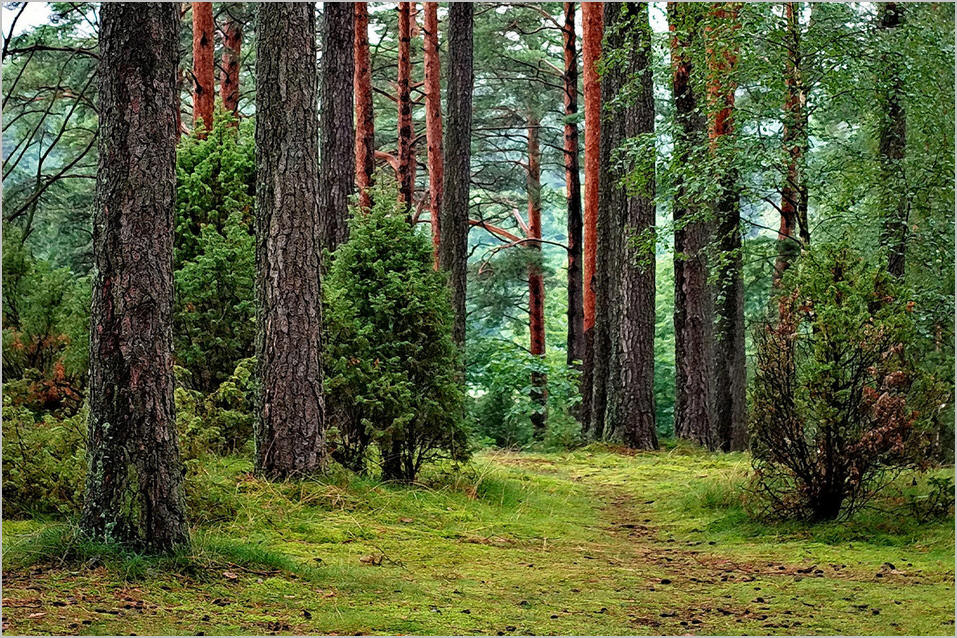 An image from Forest Trees
.
.
Click the link below for article:
.
__________________________________________
Could dragons be real? Not in the way we think.
September 23, 2022
Business, Food For Thought, Human Interest, Political, Science, Technical amazon, business, Business News, current-events, Future, Hotels, human-rights, medicine, mental-health, research, Science, Science News, technology, Technology News, travel, vacation Leave a comment

Click the link below the picture
.
When it comes to dragons, the human imagination has been stuck in one gear for centuries. Whether it be the Loong dragon of Chinese astrology, the Fafnir of Viking legend, J. R. R. Tolkien’s Smaug, or Westeros’s “fire-made flesh,” the formula of flight, ferocity and volcanic breath hardly changes. Which leads us to ask, are these storytellers onto something?
The new HBO drama House of the Dragon gave us an excuse to bug some reptile and dinosaur experts, and have them share their scientific interpretations of these magical hellfire beasts.
The House of the Dragon reptiles look pretty ho-hum to me. They are your standard Western dragon we’re all pretty familiar with, pretty much all the same form and likely the same species, and are only about as different from each other as two Komodo dragons. In a show boasting 17 dragons, I would have loved to see some of the many other forms dragons have taken in mythology and folklore, whether that be a many-headed hydra, a legless wyrm, or an Eastern dragon, similar to the Chinese dragons with antlers and fish fins.
In Game of Thrones, Reign of Fire, and Dragonheart, the obvious dragon characteristics include a giant size, leathery wings, and the ability to breathe fire. Some of these traits are more plausible than others. Giant reptiles have soared over the skies, so large that they could travel between continents. Quetzalcoatlus was a pterosaur with a wingspan about 33 feet across. That’s pretty impressive, especially when you consider that this flier was the same stature as a giraffe on the ground. It also flew on wings made up of a resilient membrane stretched out on an extraordinarily-elongated fourth finger, so that’s getting pretty close to traditional dragon territory. Of course, Quetzalcoatlus was pretty light for its size—in the neighborhood of 200 pounds—meaning that those House of the Dragon stars look a little too massive to be airborne. Pterosaur bones are paper thin and were likely much more fragile creatures than the burly dragons on our televisions.
.
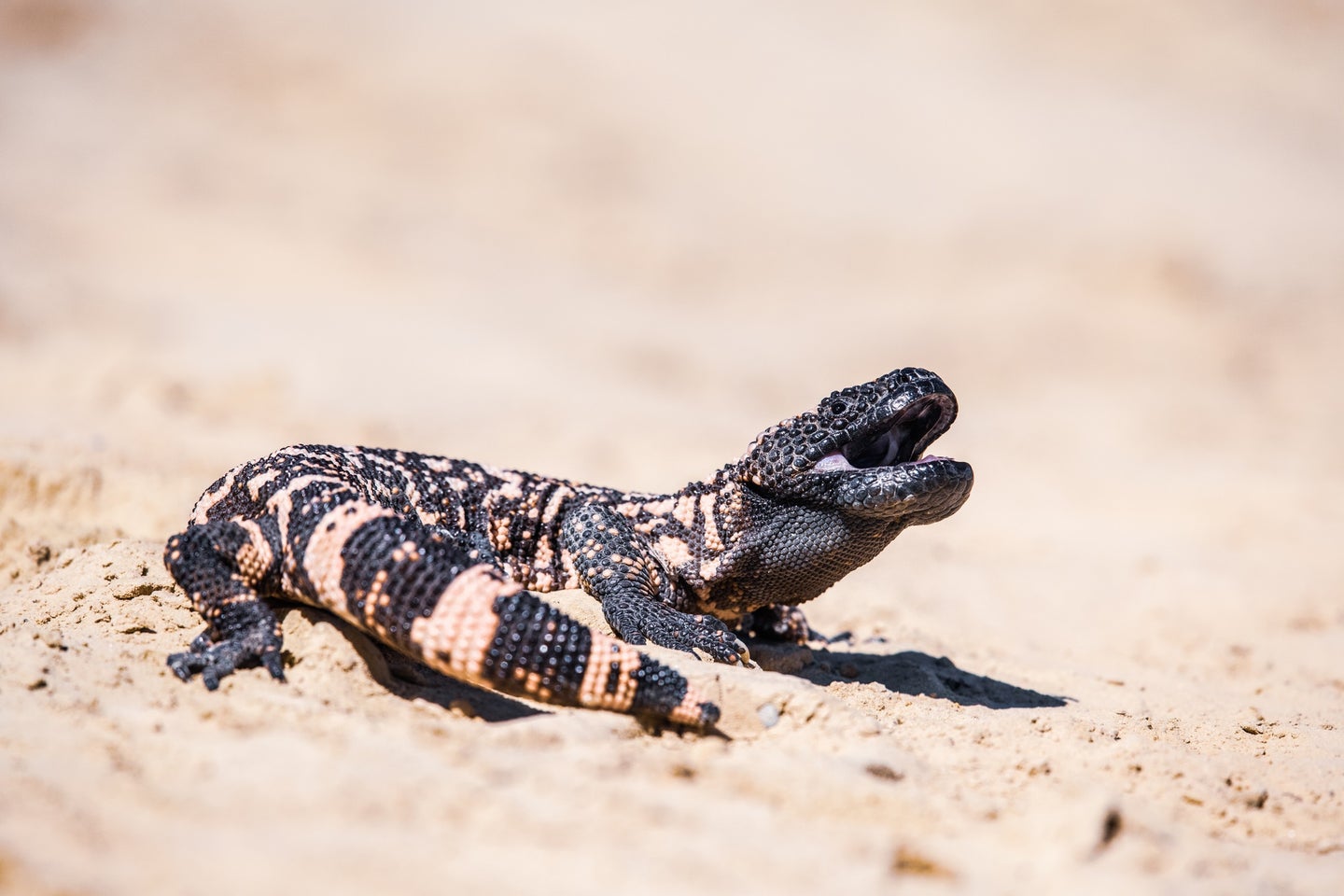 The Gila monster’s raised scales give it an armored appearance, not unlike a dragon’s. And then there’s that valuable venom. Deposit Photos
.
.
Click the link below for the article:
.
__________________________________________
The Reason Serena Williams’ Husband Resigned From Reddit
September 23, 2022
Business, Food For Thought, Human Interest, Political, Science, Technical amazon, business, Business News, current-events, Future, Hotels, human-rights, medicine, mental-health, research, Science, Science News, technology, Technology News, travel, vacation Leave a comment

Click the link below the picture
.
Serena Wiliams’ husband, Alexis Ohanian, recently stepped down from the board of Reddit, a company he co-founded. Ohanian revealed his powerful reason for stepping down on his website, explaining that he wanted to one day be able to show his daughter, Olympia, that he stood by the Black community and fought against racism. “It is long overdue to do the right thing,” said Ohanian. “I’m doing this for me, for my family, and for my country.”
“I have resigned as a member of the Reddit board, I have urged them to fill my seat with a Black candidate, and I will use future gains on my Reddit stock to serve the Black community, chiefly to curb racial hate, and I’m starting with a pledge of $1M to Colin Kaepernick’s Know Your Rights Camp,” wrote Ohanian. “I believe resignation can actually be an act of leadership from people in power right now. To everyone fighting to fix our broken nation: do not stop.”
.

By Christine-Marie Liwag Dixon/Updated: Dec. 20, 2020, 7:14 pm EDT
.
.
Click the link below for the article:
.
__________________________________________
Missed News 995
September 23, 2022
Crime, Food For Thought, Human Interest, Medical, missed News, Political, Science, Technical amazon, business, Business News, current-events, Future, Hotels, human-rights, medicine, mental-health, research, Science, Science News, technology, Technology News, travel, vacation Leave a comment
.
News You might have missed!
Use your browser or smartphone back arrow (<-) to return to this table for your next selection.
.
__________________________________________
Serena Williams’ Husband, Alexis Ohanian, Is Reddit Co-Founder
September 23, 2022
Business, Food For Thought, Human Interest, Political, Science, Technical amazon, business, Business News, current-events, Future, Hotels, human-rights, medicine, mental-health, research, Science, Science News, technology, Technology News, travel, vacation Leave a comment

Click the link below the picture
.
Serena Williams’ husband, Alexis Ohanian, has had a successful career in the business world. Ohanian is the co-founder of Reddit and is involved in the venture capital company Initialized. Ohanian noted on his Instagram profile that the company is valued at $36 billion. In an article he wrote for Inc., Ohanian described Reddit as the “front page of the internet.”
“We built Reddit in three weeks,” Ohanian explained on Inc. “It was just Web links and text submitted by users, with Interesting or Uninteresting buttons that you could click on underneath. Simple: That’s all it was. After a contentious debate, we added Comments. We knew our business was in our user base, that that was the most important part.”
Ohanian and his partner sold the company to Conde Nast in 2016 for between $10 to $15 million. The Reddit founder has an estimated net worth of $70 million, per Forbes. Ohanian’s newer project Initialized focuses on helping startups succeed by pairing them with an experienced panel of entrepreneurs.
.
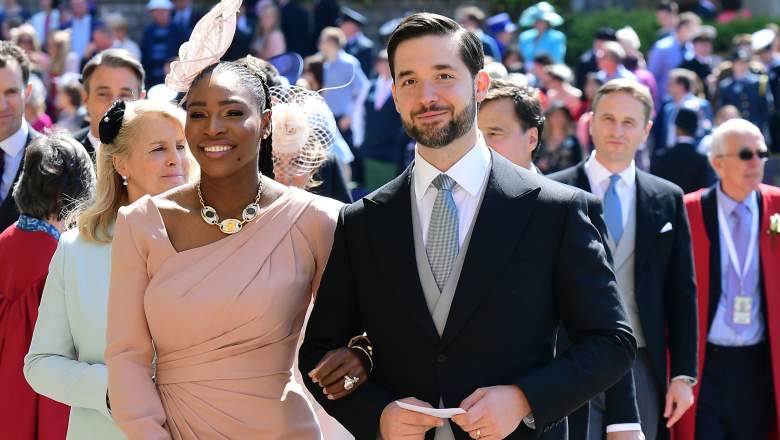 Getty Serena Williams and her husband Alexis Ohanian arrive for the wedding ceremony of Britain’s Prince Harry and US actress Meghan Markle at St George’s Chapel, Windsor Castle on May 19, 2018, in Windsor, England.
.
.
Click the link below for the article:
.
__________________________________________
Lagazuoi Refuge, Cinque Torri, Italy
September 22, 2022
Business, Enthralling, Human Interest, Photographs amazon, business, Business News, current-events, Future, Hotels, human-rights, medicine, mental-health, research, Science, Science News, technology, Technology News, travel, vacation Leave a comment
Click the link below the picture
.
Lagazuoi is a mountain in the Dolomites of northern Italy, lying at an altitude of 2,835 meters (9,301 ft), about 18 kilometers (11 mi) southwest by road from Cortina d’Ampezzo in the Veneto Region. The mountain is part of the “Natural Park of the Ampezzo Dolomites”.
It is accessible by cable car and contains the Rifugio Lagazuoi, a mountain refuge situated beyond the northwest corner of Cima del Lago.
The mountain range is well known for its wartime tunnels and First World War mine warfare. The extensive tunnels were built by the Italian troops trying to wrest control from Austro-Hungarian troops who also built tunnels. The tunnels are now open as a de facto museum. Wikipedia
.
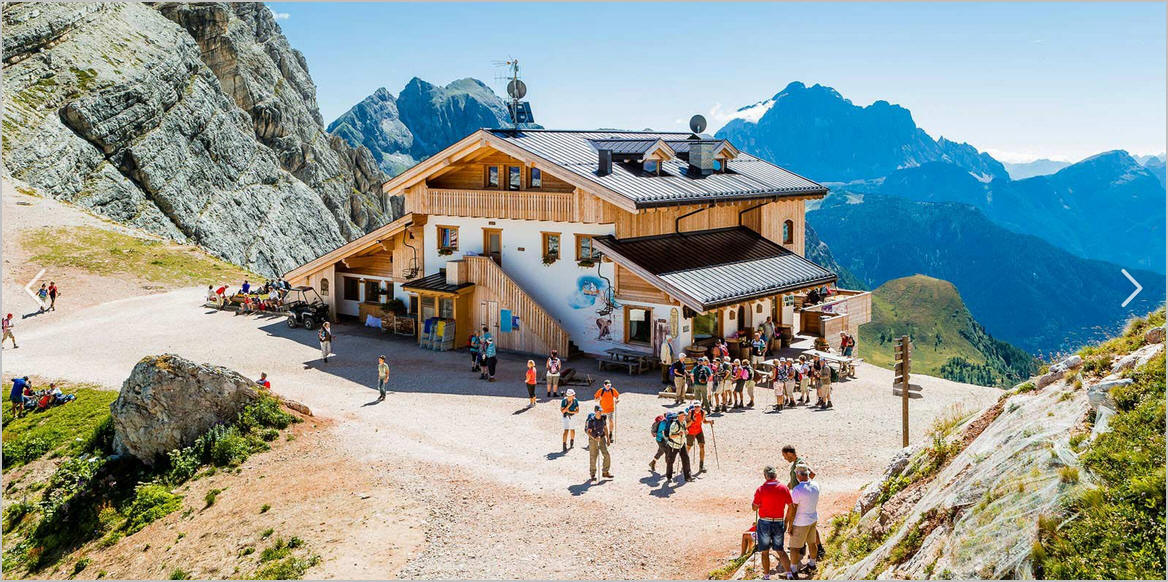 An image from Lagazuoi Refuge, Cinque Torri, Italy
.
.
Click the link below for images:
.
__________________________________________
This logarithmic view of the Universe will blow your mind
September 22, 2022
Business, Food For Thought, Human Interest, Political, Science, Technical amazon, business, Business News, current-events, Future, Hotels, human-rights, medicine, mental-health, research, Science, Science News, technology, Technology News, travel, vacation Leave a comment

Click the link below the picture
.
It’s a long way from planet Earth to the Universe’s edge. Our tiny home world, seemingly massive, is merely 12,742 km (7,917 miles) across. We typically think linearly: where the Sun is ~10,000 times farther away than Earth’s diameter. But cosmically, logarithmic scales — where each multiplicative factor of “10” defines another mark on our cosmic ruler — serve us far better. On a logarithmic scale, the Sun, Mercury, and Mars are practically equidistant. Another factor of ~10,000 in distance takes us to the Oort cloud. (see article for clarification)
.
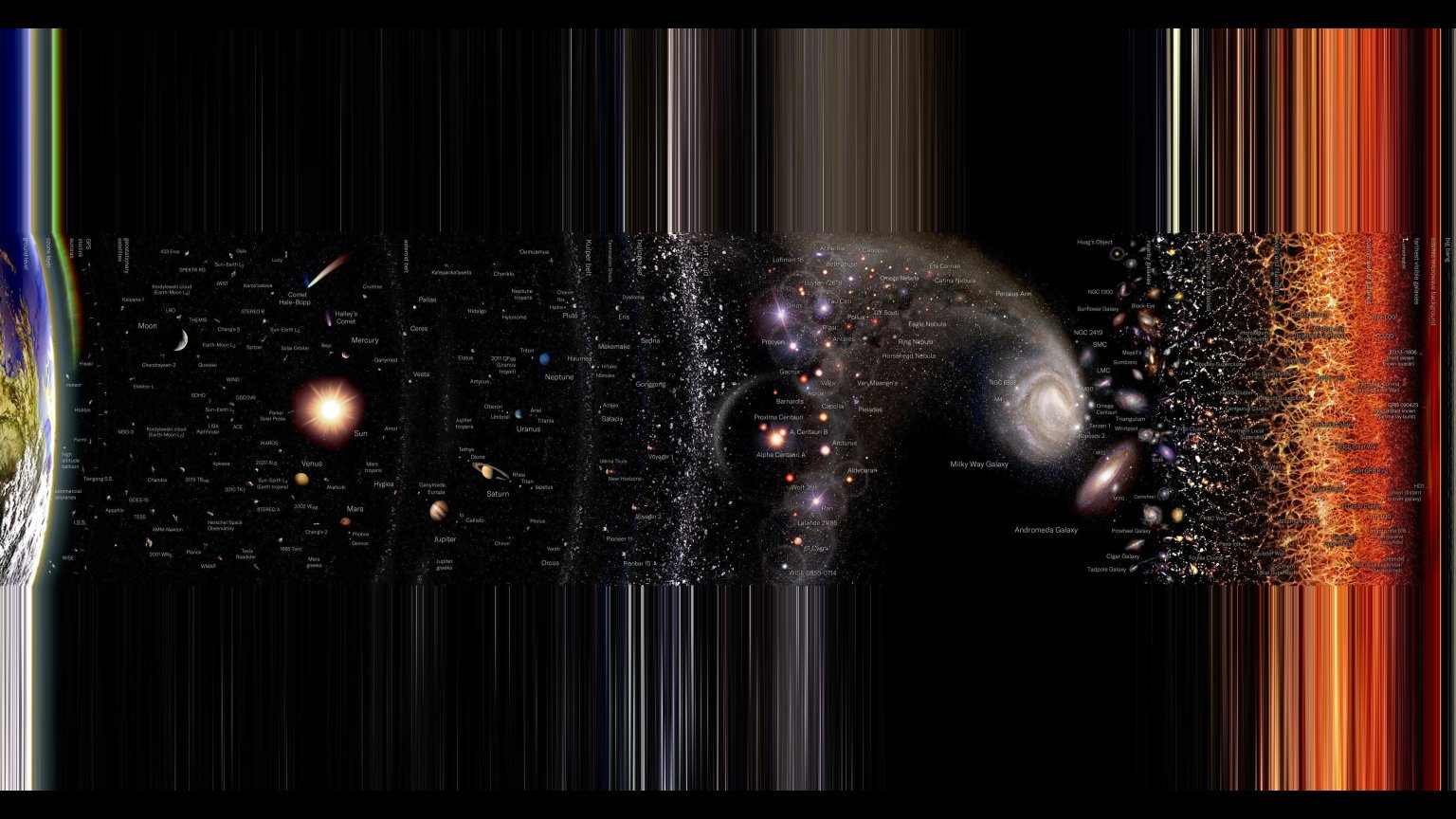 This horizontally-oriented logarithmic map of the Universe shows how, from left to right, we go from Earth-sized scales to the largest cosmic distances of all. As spectacular as this logarithmic view is, it “only” spans about 20 orders of magnitude: from the size of the Earth to the size of the present-day cosmic horizon. Credit: Pablo Carlos Budassi)
.
.
Click the link below for the article:
.
__________________________________________

