Last month, the New York Times Magazine published an in-depth look at the increasing flooding problems faced by New Jersey’s coastal cities and towns and said that the sea level has risen 18 inches in the past century, which is twice as fast as the global average, with incidences of nuisance flooding (which is associated with high tides) more than doubling in the past 20 years.
This followed closely on the heels of the latest report from the Intergovernmental Panel on Climate Change, which found that global warming is accelerating, and “unless there are immediate, rapid and large-scale reductions in greenhouse gas emissions, limiting warming to close to 1.5°C or even 2°C will be beyond reach.” The window of opportunity for decisive action is closing, as the long life of greenhouse gases in the atmosphere means that a certain amount of further warming is already baked into the system. Upon publication of a special report in 2018, IPCC co-chair Debra Roberts said ominously, “The next few years are probably the most important in our history.”
.
The B.L. England plant is seen in this file photo. Andrew Mills/The Star-Ledger
Communities across New Jersey are suffering from respiratory diseases and other health impacts because of dangerously high levels of air pollution. Most of our counties have failing levels of ozone and particulate matter, both of which are emitted in large amounts by diesel trucks. This pollution increases the incidence of asthma, heart disease, heart attacks, cancers, chronic lung diseases, and premature deaths, with a disproportionate impact on communities of color. One out of every four children in Newark has asthma, a rate three times the national average. Trenton has four times more asthma-related emergency room visits than the state average.
There is a critical need for improving air quality and meeting our climate targets in New Jersey. Not only does diesel pollution directly impact the health of our communities, but it also contributes to climate-related impacts. Extreme heat can lead to heat-related illness or make existing health conditions worse. Storms and sea-level rise lead to flooding, impacting some of our most vulnerable communities.
I am a born executive. I am obsessed with efficiency and detached from my emotions. I share similarities with Margaret Thatcher and Harrison Ford. I am among 2% of the general population, and 1% of women.
People like us are highly motivated by personal growth, and occasionally ruthless in the pursuit. We make difficult partners and parents, but good landscape architects. We are ENTJs: extroverted, intuitive, thinking, judging – also known as the executive type or, sometimes, “the Commander”.
This, over a decade ago, was my auspicious entry into the world of the Myers-Briggs Type Indicator (MBTI). Based on psychiatrist Carl Jung’s theories of personality, the assessment maintains that we are all born with a preference for extroversion or introversion, intuition or sensing, thinking or feeling, and judging or perceiving.
.
The MBTI’s different permutations amount to 16 types of personality, each with innate strengths and blind spots. Photo by PeterPencil/Getty Images
The ride home from school can feel like a battle of wills with my oldest son. When I start the car, he’s a bundle of ecstatic energy. But when I begin asking him about his day, his smile vanishes, and he locks his mouth up like a safe. The remainder of the trip is more nerve-wracking than an episode of Law and Order as I listen for any clue that will get him to open up to me.
My wife and I shared in our son’s excitement to start kindergarten this year. But now that he’s several weeks in, it has been difficult for us to gauge his enthusiasm. And as someone who found socializing at school challenging, I’m always concerned that other kids are bullying him or he is finding the curriculum hard to handle.
But getting kids to talk about their day has been a struggle of parents for generations. And judging from the plethora of articles that deal with this topic, the fight to find out what happens at school will continue to be waged within minivans and around dining room tables far into the future.
To aid in the struggle, we researched why children don’t talk about what happens after we drop them off—and share some strategies and questions that might encourage kids to open up.
There are many things we might miss about working in the office: free coffee, free air conditioning, an excuse to wear something other than sweatpants.
But the thing we might miss the most is other people – and our conversations with them. Specifically, how Mike’s partner just had another baby, how the fridge is filled with Jane’s moldy old lunches, that the IT help desk is as slow as ever, and how the boss gave Mark and not Jean that pay rise. In other words: gossip.
While some gossip can be petty and unprofessional, other types of gossiping can be fun, normal, even healthy and productive. Experts say that talking about others behind their backs doesn’t have to be a guilty office pastime – it can be a useful tool to navigate the workplace and learn important information.
Gossip’s surprising utility
“I think, generally, gossip is a good thing,” says Elena Martinescu, a research associate at Vrije Universitetit Amsterdam, who’s extensively studied the psychology of gossiping. “According to evolutionary theory, humans have developed gossip in order to facilitate co-operation in a group.”
Back-to-school jitters are normal every fall. But as families prepare for the beginning of the 2021–22 school year, these run-of-the-mill worries are colliding with fresh uncertainties about the ongoing COVID-19 pandemic, leaving kids and parents more anxious than usual.
Parents can use many strategies to help their children handle this challenging situation, according to Elizabeth Reichert, clinical associate professor of psychiatry and behavioral sciences at the Stanford University School of Medicine.
“I often talk to parents about being the lighthouse in their child’s storm, the light that shines steadily in a predictable rhythm and doesn’t waver no matter how big the storm is,” Reichert said. “Their job is to be that lighthouse.”
Reichert spoke with science writer Erin Digitale about how parents can help ensure that budding students of any age—from preschool to high school—are ready to handle anxieties as the school year begins.
Our work-life balance has, to borrow a term we all learned in the 2020 Olympics, been feeling “the twisties” during the pandemic. So many of us had to adapt to working from home, adjustments and accommodations, mass layoffs, career pivots, and rehiring.
Even if you managed to keep your job, it likely changed in some significant way. And change doesn’t always mean for the better.
Even before Covid-19, more than half of Americans found their job unsatisfactory, according to an annual survey by the Conference Board research group. The nation had been hovering around the halfway mark of job dissatisfaction since at least 2000.
That statistic means half the people you work with every day are living a work-life that Henry David Thoreau would have described as one of “quiet desperation.”
.
This essay is part of a column called The Wisdom Project,
Film and Writing Festival for Comedy. Showcasing best of comedy short films at the FEEDBACK Film Festival. Plus, showcasing best of comedy novels, short stories, poems, screenplays (TV, short, feature) at the festival performed by professional actors.



 Renée Pollard and Bill Beren



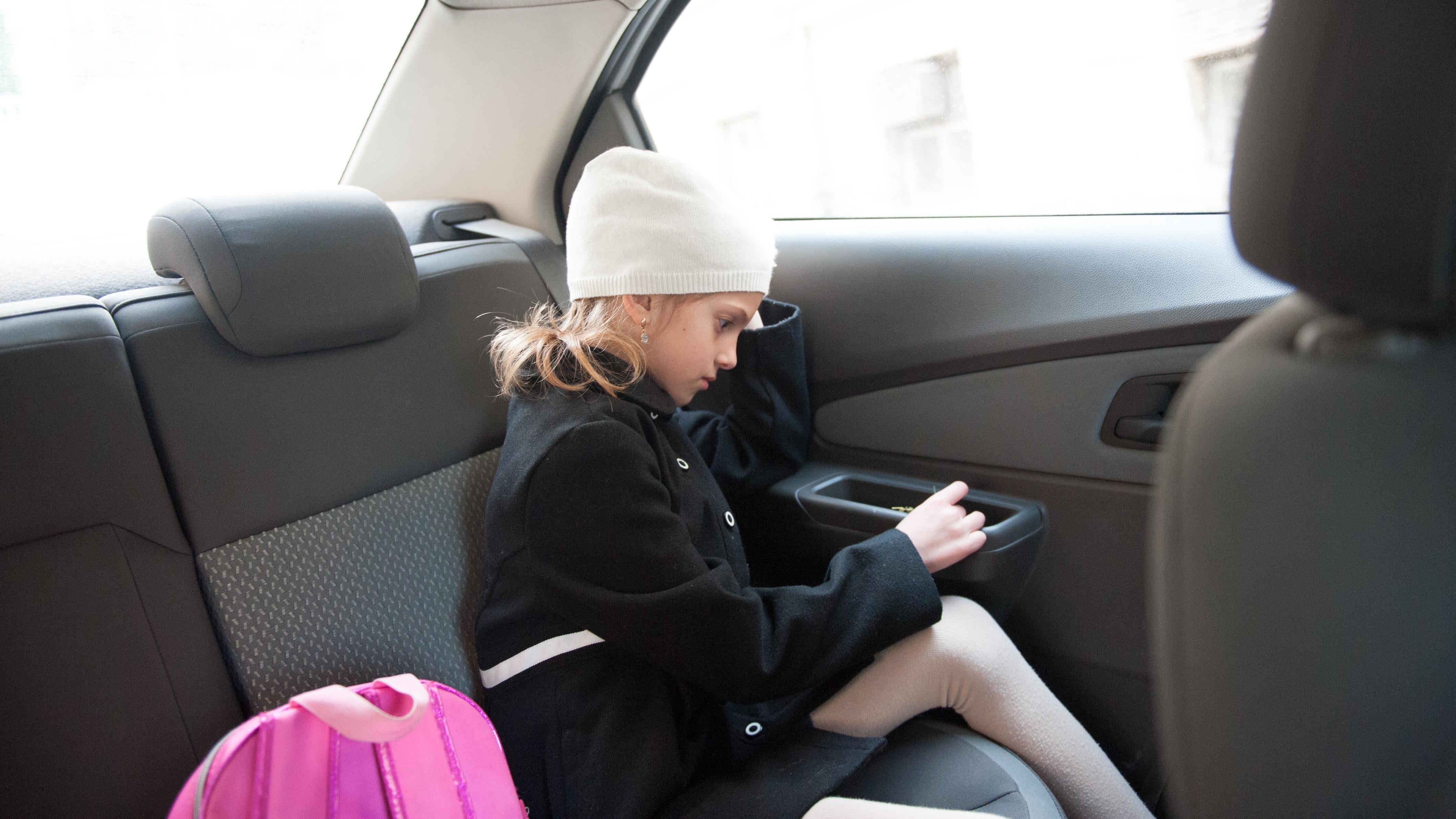 Photo: Ruslan Shugushev (Shutterstock)


 Kids Who Are Anxious
 This essay is part of a column called The Wisdom Project,
