The price of gasoline today isn’t exceptional — well off the $3+ spikes seen in the early part of the 2010s. On the other hand, a gallon of regular gas is still significantly higher (when accounting for inflation) than where it was in the 1990s.
Don’t let a “well, it’s been worse” mentality blind you to the fact that filling the tank is taking money out of your wallet, money that could be spent on more fun stuff, or even invested.
When fuel prices spike, lots of tips and tricks to save on gas get trotted out. They’re not all worthy.
One email about a $15 million gift, suspected of phishing, sat unopened for a month. Several others about a $20 million pledge went ignored by an assistant, who thought the nondescript sender was fake. The recipient of another memo, promising millions more, turned to their lawyer, who said it was likely a scam.
All of those big-fortune messages, and hundreds more like them, were not only legitimate, they came from the same source: a team working on behalf of MacKenzie Scott, fourth richest woman in the world — and, increasingly, the most powerful and mysterious force in philanthropy today.
With almost $8.6 billion in gifts announced in just 12 months, Scott has vaulted to the tippy top of philanthropic giving, outspending the behemoth Gates and Ford Foundations’ annual grants — combined. But, for someone who is single-handedly reshaping nonprofits, Scott, who declined to comment for this story, has only given the public glimpses into the thinking driving her decisions. These days, she shares little more than the list of lucky organizations and an inspirational quote.
To get a better sense of which causes are benefiting from Scott’s coffers — and where she might turn her attention to next — Bloomberg categorized, by location and type, all 786 gifts she has given so far. We then tracked the money, using a survey and reporting, and found at least $4.3 billion distributed in 375 grants. The recipients of the remaining 411 haven’t disclosed the size of Scott’s gifts.
Like many people during COVID, I reevaluated what I really want my quality of life to be. I’ve lived in big cities making a high salary, but I’m single and have been intimidated by homeownership only having one income source (my job).
I’m 52, a renter, and have around $230,000 in retirement, brokerage, and savings accounts. I pared back my lifestyle, and I’m now saving $5,000 a month to play a bit of catch-up. I’ve been advised to consider real estate as part of my investment strategy. I have little debt beyond a car note ($300 a month) and a 750 credit score. Should I buy a home or invest in a property like a condo near a resort?
I am yearning for a more stable lifestyle as I age, and my family all own homes, so they are pressuring me to buy something near them in a lower-cost market. With remote working, this is now a feasible option. I would look at a 15- or a 20-year mortgage either way given my age.
Sincerely,
Too old to buy?
.
Buying a home later in life involves different calculations. Getty Images
There’s one question I hear as a personal finance writer more than any other. It’s not how to game the stock market, or become a billionaire—it’s simply how to make a budget work while still saving enough to retire comfortably.
And of course, it’s simple: Change your habits so you can put money aside for the things that matter to you. But that’s also really, really hard to do.
That’s because understanding personal finance is an uphill battle for many Americans. We’re not taught about the practicalities of money in school, because the truth is many industries profit from our ignorance. While wages have hardly budged in decades, shareholders and CEOs have never been richer. The cost of living in many major cities is prohibitive to just about anyone but the super privileged, or those willing to take on a lot of debt or make enormous sacrifices. While the stock market soars, just 52% of U.S. adults actually owned stock in 2016, according to Gallup, and the wealthiest 1% of households owned 38% of all stock shares in 2013. The government is actively working against consumers to make it easier for financial institutions to prey on its citizens, and a single medical bill can send a person into debt for the rest of their life.
When the federal government enacted the CARES Act in March 2020, it boosted jobless aid and expanded the benefits to include people who weren’t typically covered, like gig workers. The legislation was designed to cushion workers against the massive blow of a partial economic shutdown during the pandemic.
But if you haven’t already buried your memories of last year, you probably remember how difficult it was to get those unemployment benefits.
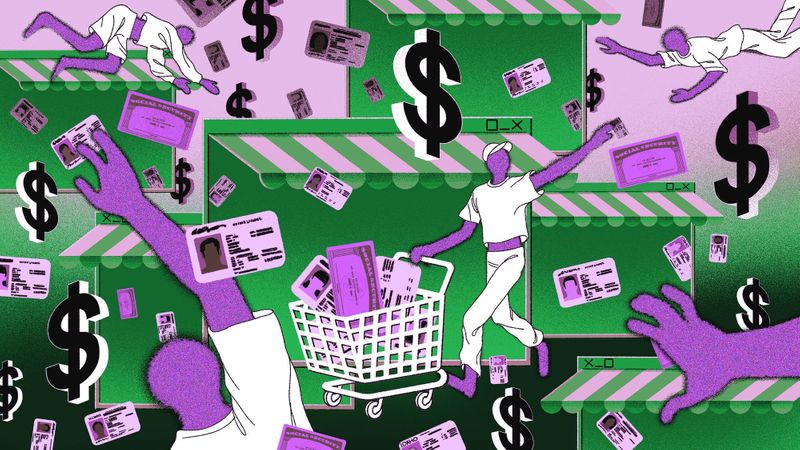
Horror stories circulated about people waiting on hold for weeks, trying to get the money they needed to stay afloat. Maybe you remember spending long hours on the phone or the computer yourself. Delays in unemployment benefits heightened feelings of uncertainty that characterized much of 2020 and made the experience of losing your job even more frightening. But as Cezary Podkul reported for ProPublica this week, this expansion of benefits also attracted fraudsters from all over the world who sought to cash in on the CARES Act. In hindsight, the millions of phony unemployment insurance claims were a large part of what clogged states’ overtaxed computer systems, delaying payments to unemployed Americans filing legitimate claims.
Film and Writing Festival for Comedy. Showcasing best of comedy short films at the FEEDBACK Film Festival. Plus, showcasing best of comedy novels, short stories, poems, screenplays (TV, short, feature) at the festival performed by professional actors.

 Photos from Getty Images.
 Mackenzie Scott





 James' World 2