
.
News You might have missed!
Use your browser or smartphone back arrow (<-) to return to this table for your next selection.
.
__________________________________________
Assorted human interest posts.
September 11, 2021
Crime, Food For Thought, Human Interest, Medical, missed News, Political, Science, Technical amazon, business, Business News, current-events, Future, Hotels, human-rights, medicine, mental-health, research, Science, Science News, technology, Technology News, travel, vacation Leave a comment
.
.
__________________________________________
September 10, 2021
Business, Enthralling, Human Interest, Photographs amazon, business, Business News, current-events, Future, Hotels, human-rights, medicine, mental-health, research, Science, Science News, technology, Technology News, travel, vacation Leave a comment

Click the link below the picture
.
While Northern Argentina is among the least explored areas of the country, it is undoubtedly one of the most rewarding areas to visit. Sitting at the foot of the Andes, it offers spectacular scenery of snow-capped volcanoes, vast salt flats, and otherworldly rock formations.
.
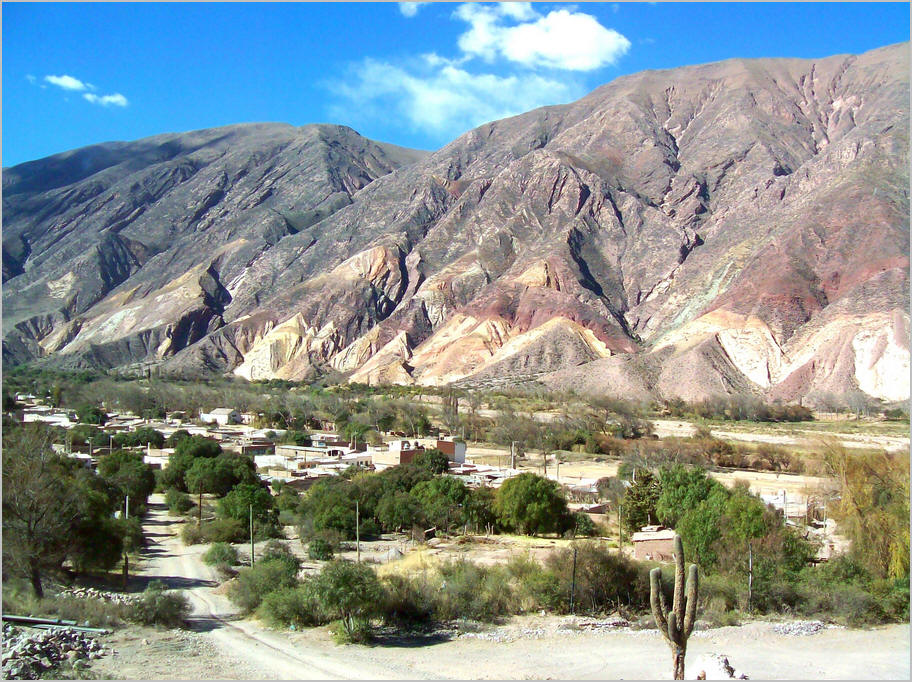 An image from Northern Argentina
.
.
Click the link below for images:
.
__________________________________________
September 10, 2021
Business, Food For Thought, Human Interest, Science, Technical amazon, business, Business News, current-events, Future, Hotels, human-rights, medicine, mental-health, research, Science, Science News, technology, Technology News, travel, vacation Leave a comment

Click the link below the picture
.
Just hitting adulthood and figuring out the financial realities that await you? Or following through on a pandemic pledge to reboot the ones you already have? Now is as good a time as any to sort them out, and the good news is that we’re here to help.
We know, your financial life often feels way more complicated than it ought to be. Finding the mental and budgetary space to start saving money when, for example, you’re staring down a decent chunk of student debt can be overwhelming. Or maybe you’ve landed a job with a decent salary, but you aren’t sure how to optimize your finances or what to prioritize.
Everyone’s situation is different, but there are certain fundamentals that apply to all of us. So we picked 20 truly essential money lessons, paired with simple tasks for you to take on. Sign up for the 20-Day Money Challenge and we’ll send them to you, day by day, in free bite-size pieces. We’ve got a bit of banking, some investing, a helping of student loan and other debt management — and credit, so you can borrow with confidence if you need to. (Note that you can sign up for the challenge whenever you like.)
.
 Robert Neubecker
.
.
Click the link below for the article:
.
__________________________________________
September 10, 2021
Business, Food For Thought, Human Interest, Science, Technical amazon, business, Business News, current-events, Future, Hotels, human-rights, medicine, mental-health, research, Science, Science News, technology, Technology News, travel, vacation Leave a comment

Click the link below the picture
.
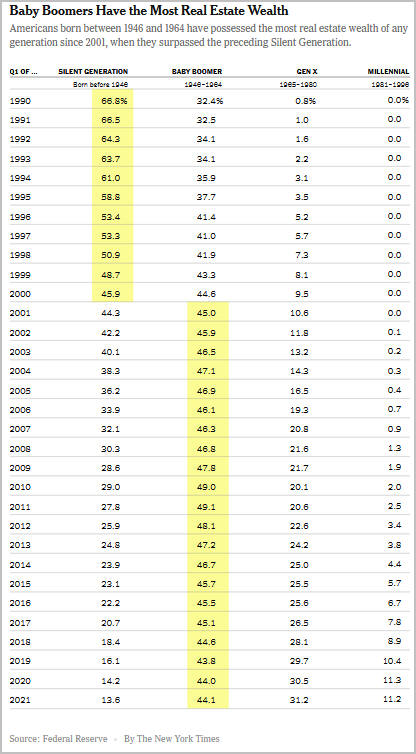
The concept of aging in place, already growing in popularity before the pandemic, has found renewed interest among baby boomers, some of whom are now wary of nursing homes, where at least one-third of U.S. Covid-19 deaths have occurred. The trend is intensifying pandemic home-inventory shortages and price increases, frustrating younger buyers who want to grab their share of real estate wealth.
The bulk of real estate wealth was long held by baby boomers’ predecessors, the Silent Generation (those born before 1946), but they generally followed the familiar pattern of selling later in life and moving in with extended family, to assisted-living facilities or nursing homes. Aging-in-place boomers are disrupting this trend. This week’s chart, using Federal Reserve data, shows that boomers surpassed the Silent Generation in real estate wealth in 2001, and have yet to yield that position.
.
 .
.
.
Click the link below for the article:
.
__________________________________________
September 10, 2021
Finance, Food For Thought, Human Interest, Medical, missed News, Political, Science, Technical amazon, business, Business News, current-events, Future, Hotels, human-rights, medicine, mental-health, research, Science, Science News, technology, Technology News, travel, vacation Leave a comment
.
.
__________________________________________
September 9, 2021
Business, Enthralling, Human Interest, Photographs amazon, business, Business News, current-events, Future, Hotels, human-rights, medicine, mental-health, research, Science, Science News, technology, Technology News, travel, vacation Leave a comment
Click the link below the picture
.
Zürich is the largest city in Switzerland and the capital of the canton of Zürich. It is located in north-central Switzerland, at the northwestern tip of Lake Zürich. As of January 2020, the municipality has 434,335 inhabitants, the urban area (agglomeration) 1.315 million (2009), and the Zürich metropolitan area 1.83 million (2011). Zürich is a hub for railways, roads, and air traffic. Both Zurich Airport and its main railway station are the largest and busiest in the country.
Permanently settled for over 2,000 years, Zürich was founded by the Romans, who, in 15 BC, called it Turicum. However, early settlements have been found dating back more than 6,400 years (although this only indicates human presence in the area and not the presence of a town that early). During the Middle Ages, Zürich gained the independent and privileged status of imperial immediacy and, in 1519, became a primary center of the Protestant Reformation in Europe under the leadership of Huldrych Zwingli.
The official language of Zürich is German, but the main spoken language is the local variant of the Alemannic Swiss German dialect, Zürich German.
Many museums and art galleries can be found in the city, including the Swiss National Museum and Kunsthaus. Schauspielhaus Zürich is considered to be one of the most important theatres in the German-speaking world.
Zürich is among the world’s largest financial centers despite having a relatively small population. The city is home to many financial institutions and banking companies. Wikipedia
.
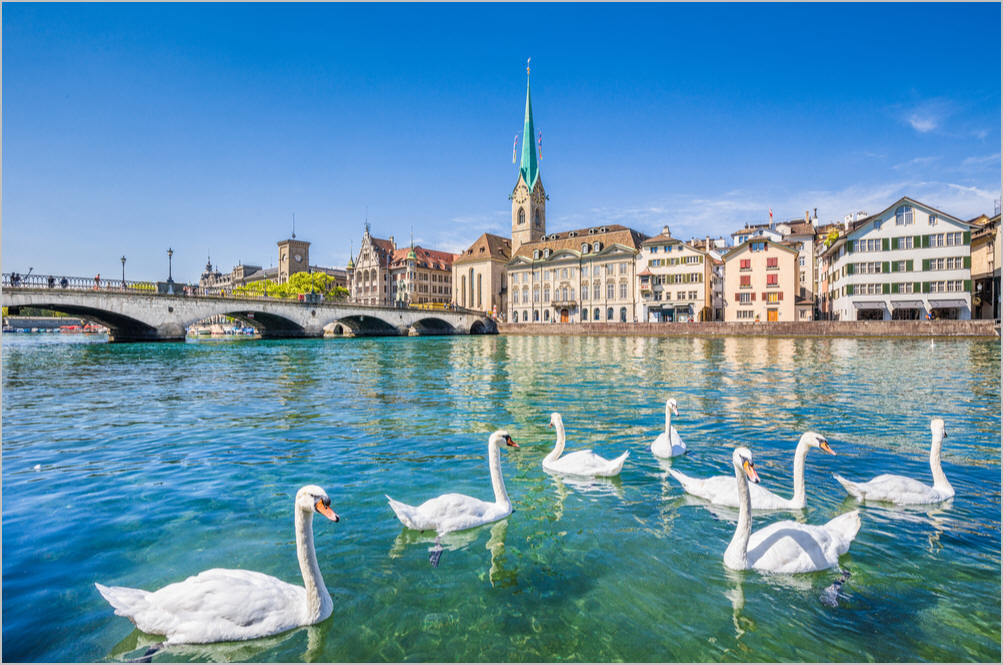 An image from Zurich, Switzerland
.
.
Click the link below for images:
.
__________________________________________
September 9, 2021
Business, Finance, Food For Thought, Human Interest, Science, Technical amazon, business, Business News, current-events, Future, Hotels, human-rights, medicine, mental-health, research, Science, Science News, technology, Technology News, travel, vacation Leave a comment

Click the link below the picture
.
The parallels are hard to ignore: the record prices, the bidding wars, the subdivisions that fill up as soon as they’re built, the resourceful buyer who clinched a deal by dropping off cupcakes that matched the home’s interior paint colors. Today’s real estate market feels a lot like the bubble market circa 2006. “The numbers don’t make sense. How do you make a rational offer on a house when you have irrational people in the game?” asks James Carmer, a software engineer who’s toured more than 100 houses in Austin.
So are we staring at another housing bubble? One hopes not, because when the last one burst, it triggered a global financial crisis and what at the time was the deepest economic downturn since the Great Depression. For most Americans, a home is their most valuable asset—as well as the collateral for a pile of debt. If housing goes down, so does the economy. “Real estate is suddenly pretty bubbly in almost every interesting market in the world,” said bearish investor Jeremy Grantham at a recent Morningstar Inc. investment conference in Sydney. “Eventually there’ll be a day of reckoning.”
.
 Photo Illustration: 731: Photo: Getty Images
.
.
Click the link below for the article:
.
__________________________________________
September 9, 2021
Business, Finance, Food For Thought, Human Interest, Science, Technical amazon, business, Business News, current-events, Future, Hotels, human-rights, medicine, mental-health, research, Science, Science News, technology, Technology News, travel, vacation Leave a comment

Click the link below the picture
.
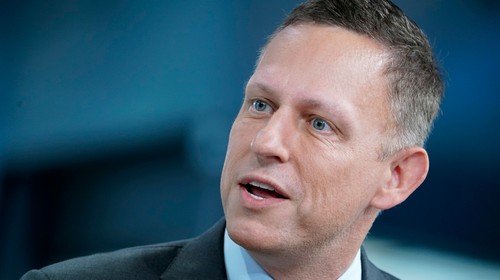
Last week, ProPublica published an investigation about how venture capital billionaire Peter Thiel has managed to turn a $2,000 initial investment into a $5 billion fortune inside of a Roth IRA, a type of retirement account that allows money to grow tax-free, meaning he will never pay taxes on his investment gains. The tactic used by Thiel is upsetting to people who would like to see the ultra-wealthy meaningfully taxed. The article hit different for another subset of people, though: Thiel’s strategy is now the hottest advice in the personal finance world.
The personal finance online media ecosystem consists of a large set of bloggers, podcasters, YouTubers, and TikTokers who give people common-sense financial advice like “pay down debt,” “have an emergency fund,” and “invest money.” The hottest subset of personal finance influencers at the moment are those who are trying to help people achieve Financial Independence (FI), the point at which you can quit your job and live off your investment returns, money from rental properties, or other investments (this is also called FIRE—Financial Independence, Retire Early).
.
.
.
Click the link below for the article:
.
__________________________________________
September 9, 2021
Crime, Food For Thought, Human Interest, Medical, missed News, Political, Science, Technical amazon, business, Business News, current-events, Future, Hotels, human-rights, medicine, mental-health, research, Science, Science News, technology, Technology News, travel, vacation Leave a comment
.
.
__________________________________________
September 8, 2021
Business, Enthralling, Human Interest, Photographs amazon, business, Business News, current-events, Future, Hotels, human-rights, medicine, mental-health, research, Science, Science News, technology, Technology News, travel, vacation 3 Comments
Click the link below the picture
.
Tegenungan Waterfall is a waterfall in Bali, Indonesia. It is located at the village of Tegenungan Kemenuh, in the Gianyar Regency, north from the capital Denpasar and close to the Balinese artist village of Ubud. The waterfall is isolated but has become a popular tourist attraction. It is one of the few waterfalls in Bali that is not situated in highlands or mountainous territory. The amount and clarity of the water at the site depend on rainfall but it contains green surroundings with fresh water that can be swum in. The waterfall includes varying highs that can be climbed after the descent down stairs to reach it. This attraction also features a viewing point to the jungle and waterfall at the main entrance. Wikipedia
.
 An image from Tegenungan Waterfall
.
.
Click the link below for images:
.
__________________________________________
Dragoste si lumina
Find the Best Forex Broker for Your Trading Success
AS HUMILDES OPINIÕES DE UMA MULHER DE CORAGEM QUE DIZ SIM À VIDA!
Să facem glume, nu război
In the world, human beings are facing various problems. People who are full of greed, anger, and ignorance are seen to be fighting with each other in words and deeds. As the fighting continues, various problems such as civil wars, wars of aggression, and wars of aggression are occurring. As world peace is being destroyed, humans are facing unbearable problems. Innocent children and women are not getting the rights they deserve and deserve. I can't think of one thing every time. What is it? The United Nations. If we look at the responsibilities and duties of the United Nations, I think it is not suitable for solving the problems that are happening in the world today. In fact, the United Nations and the World Security Council, such an organization must rule the world, must be able to give orders, and must have various ways to obey orders. There must be no organization that can influence more than that organization. There should be experts from each country. They can even dominate the superpowers like the US, China, and Britain. Only then will global peace be achieved quickly. Now, if a country with power develops more militarily, economically, or socially than its own country, then powerful countries will jealously seek out enemies and wage war. Or they will attack with fighter jets. In this, innocent people are losing their lives. No one understands the value of a life. You should think about how to achieve global peace by controlling these. If the US continues to be the permanent president of the UN, world peace will never be achieved. If you think carefully, no one sees that they are working for the common good, but for their own benefit, for the benefit of their own country. The permanent president of the UN and the Security Council has rejected this, As a young Rohingya, I have come to realize that only by electing the president and secretary from among the countries in the world through a secret ballot system and governing the world fairly can we achieve global peace. The United Nations and the Security Council are organizations in which any country must govern, give orders, and make them obey their orders. For example, only when a defendant is tried in court can we hold the leaders of the countries in check and control them, can we achieve global peace smoothly. Otherwise, it will not be easy for powerful countries to use various excuses to end this war every year, every year, for the benefit of themselves and their countries. No country's leaders pay any attention to the words of the United Nations and the Security Council. If we look at it in practice, look at the Rohingya issue. Myanmar is a small country. Even that country has been under siege for 8 years. What action can be taken? Why is the UN and the Security Council Powerless? Without such Power, how can the organization bring about global peace? Everyone should think about it. Whether there is a veto or a strong one, all countries in the world can only achieve global peace if they are subject to the UN and the Security Council. Seek peace in the quiet embrace of nature. Peace is an indispensable need of the human race. It is not as if one person can kill another person, and it is as if one country can attack another country, but instead of trying to build peace, we must try to destroy the peace now, and the world is getting hotter and is on the verge of collapse. I especially appeal to all the world experts to urgently try to bring about peace in all parts of the world. Mr, Noor Muhamed Arkhan Rohingya Youth Myanmar
Publicație umoristică dedicată glumeților de pretutindeni
Faith saved us from the savages that we were, losing faith makes us savages again
Where Trends Meet Truth
https://www.tangietwoods
Freelance poetry writing
Zalai Betti
INOVATION BLOG PEOPLE AND NEWS
Németh György
Konsultan Lingkungan Hidup di Lombok - NTB
Lea Krasznai (LeaArt21) – Idezetek (Idézetek) WordPress (Budapest, Hungary)
Appunti, spunti e passioni in liberta'
Gyorgy Nemeth
تعنى بتقديم نصائح للمعلمين المبتدئين، والطلبة الممتحنين، ومشاركة الاخرين تجربة الادخار في المال، بترشيد الاستهلاك المنزلي، وترتيب البيت، والحفاظ على البيئة، وتشجيع السيارات صديقةالبيئة، والسياحة والاسفار، ونماء رؤوس الاموال، والطب البديل وتشجيع التعليم الرقمي والذكاء الاصطناعي، والعناية بالنحل وتربية الاسماك، والاسثمار في رؤوس الاموال، الزراعة العضوية، والعناية باسنان الرضع، و صحة الحوامل، وتفسير القران
apprendre pour évoluer
Thoughts on books, language, meaning, and the culture around it.
Outdoor Recreation & Adventure in the Great Lakes Region
News, Info, Bio, Articles, Reviews, Lyrics, Technology, Science, Inspiration, Motivation, Philosphy and many more...
Christian Lifestyle Blogger
CEO and president of The Mullins Companies
Two Cultures. One Life. Endless Stories
Real Estate Development Specialist
¡Bienvenido de vuelta viajero!
so looking to the sky ¡ sing and from my heart to YOU ¡ bring...
CEO and Founder of Nsight Health
Catholic News, Prayers, HD Images, Rosary, Music, Videos, Holy Mass, Homily, Saints, Lyrics, Novenas, Retreats, Talks, Devotionals and Many More
Decoding Power. Defying Narratives.
A creative collaboration introducing the art of nature and nature's art.
The Home Of Entertainment News, Reviews and Reactions
•Whenever you are confronted with an opponent, conquer him with love.(Gandhi)
Algotrader at TRADING-CLUBS.COM
Film and Writing Festival for Comedy. Showcasing best of comedy short films at the FEEDBACK Film Festival. Plus, showcasing best of comedy novels, short stories, poems, screenplays (TV, short, feature) at the festival performed by professional actors.
Peace. Tranquility. Insanity.
Take a ride on the wild side
Découvre des musiques prometteuses (principalement) dans la sphère musicale française.
No tiene que Ser una Pesadilla.
Life in Kana-text (er... CONtext)
Where feelings meet metaphors and make questionable choices.

