November 4, 2016
Mohenjo
Human Interest, Science
amazon, Astronomy, business, Business News, current-events, Environment, Future, Hotels, huffingtonpost, human-rights, Inspiration Generation, medicine, mental-health, Moon, research, Science, Science News, Slideshow, Solar System, Space, technology, Technology News, travel, vacation, Video

Click link below picture
.
On Nov. 14, skywatchers will be treated to a supermoon so big and bright that it’s being billed as a “super-dupermoon” or an “extra-supermoon.”
Supermoons aren’t especially uncommon, but this will be the nearest that a full moon has come to Earth since January 26, 1948. The full moon won’t get this close again until November 25, 2034.
The term supermoon refers to a full moon that occurs when our planet’s natural satellite is at its closest point to Earth in its elliptical orbit. Astronomers call that point perigee, and so “perigee moon” is another term for supermoon. (The point at which the moon is most distant from Earth in its orbit is known as apogee.)
A supermoon can appear up to 14 percent bigger and 30 percent brighter than an apogee full moon, according to NASA. The effect is most pronounced when the moon is viewed near the horizon.
.
.
.
Click link below for article, video and slideshow:
http://www.huffingtonpost.com/entry/supermoon-watch_us_581a04e6e4b0a76e174c3538
.
__________________________________________
September 30, 2016
Mohenjo
Science
amazon, Black Moon, business, Business News, Hotels, human-rights, Lunar Event, medicine, mental-health, Moon, New Moon, Rare Black Moon, research, Science, Science News, technology, Technology News, travel, vacation
FROM
THE HUFFINGTON POST
Click link below picture
.
This September ends with the eerily named black moon rising.
On Friday night, watch for this relatively rare lunar event ― something that hasn’t happened since March 2014, according to AccuWeather.
So you’re probably wondering what a black moon is. It actually has a few definitions. The one we’re using here is a second new moon in a calendar month ― not to be confused with a blue moon, which is the second full moon in a calendar month.
.
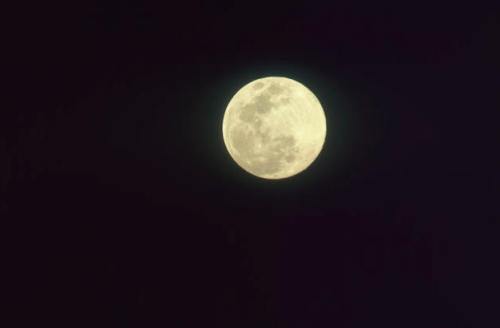 Jeff Foott/Getty Images
This is a full moon — not a new moon, black or otherwise.
.
.
Click link below for article and slideshow:
http://www.huffingtonpost.com/entry/black-moon-friday-sept-30_us_57eaa416e4b0c2407cd9ce11?section=&
.
__________________________________________
September 7, 2013
Mohenjo
Science
amazon, Astronomy, business, Business News, dust environment, Hotels, huffingtonpost, Ladee, LADEE Launch, LADEE Livestream, LADEE Mision, LADEE Nasa, lunar atmosphere, Lunar-Atmosphere-And-Dust-Environment-Explorer, Moon, Moon Mission, Moon Mission Launch, Nasa Ladee, nasa launch, Nasa Moon Mission, nasa tv, research, Science, Science News, Slideshow, Space, Space Program, technology, Technology News, travel, vacation, Video, virginia weather, Watch LADEE, wide swath
FROM

Click link below picture
.
NASA will launch a new spacecraft tonight (Sept. 6) to unlock the mysteries of moon dust and the wispy lunar atmosphere, and you can watch the blastoff live online.
The space agency’s Lunar Atmosphere and Dust Environment Explorer, nicknamed LADEE, is poised to liftoff atop a brand-new Minotaur V rocket from Wallops Island, Va., at 11:27 p.m. EDT (0327 Sept. 7 GMT) in what will be the first-ever lunar mission to launch from Virginia. Weather permitting, the nighttime launch may be visible to millions of observers along a wide swath of the U.S. East Coast that stretches from Maine to North Carolina.
But for observers outside the viewing area, NASA has two webcasts to offer live video views of tonight’s planned moon shot. You can watch the LADEE launch live on SPACE.com beginning at 9:30 p.m. EDT (0130 GMT), courtesy of NASA TV.
.
.
.
Click link below for story, videos and slideshow:
.
______________________________________________________________________________
June 25, 2013
Mohenjo
Science
2013 Supermoon, amazon, Astronomy, business, celestial phenomenon, Earth, Environment, full moon, Hotels, html ref, huffingtonpost, Moon, NASA, research, Science, Science News, skywatchers, Slideshow, Solar System, Space, spectacular images, submit photos, Supermoon, Supermoon 2013, Supermoon Images, Supermoon June 2013, Supermoon Photos, Supermoon Photos 2013, Supermoon Pictures, technology, Technology News, travel, vacation, Video
FROM
Click link below picture
.
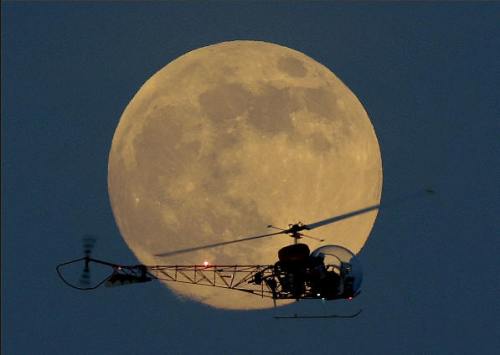
Did you get a chance to see the supermoon? Don’t worry if you didn’t. In our gallery of supermoon photos (see below), you can page through scores and scores of spectacular images — snapped by skywatchers around the world. Many were collected during our supermoon live blog, which has now concluded.
But there’s still time to submit any photos you might have snapped of the dazzling celestial phenomenon. You can tweet them to us using the #HPsupermoon hashtag, or submit them directly in the gallery.
.
.
.Click link below for story, video, and slideshow:
http://www.huffingtonpost.com/2013/06/23/supermoon-2013-photos-biggest-full-moon-slideshow_n_3487882.html?ref=topbar
.
_____________________________________________________
May 21, 2013
Mohenjo
Science
amazon, Astronomy, business, climate, Environment, environment office, Hotels, huffingtonpost, looking at the moon, Lunar Reconnaissance Orbiter, mare imbrium, Meteorite Crash, Meteorites, Meteors, Moon, Moon Explosion, Moon Meteorite, myaol, NASA, nasa scientists, research, Science, Science News, Slideshow, Space, Space Rocks, technology, Technology News, travel, vacation, Video
FROM
Click link below picture
.
The moon has a new hole on its surface thanks to a boulder that slammed into it in March, creating the biggest explosion scientists have seen on the moon since they started monitoring it.
The meteorite crashed on March 17, slamming into the lunar surface at a mind-boggling 56,000 mph (90,000 kph) and creating a new crater 65 feet wide (20 meters). The crash sparked a bright flash of light that would have been visible to anyone looking at the moon at the time with the naked eye, NASA scientists say.
“On March 17, 2013, an object about the size of a small boulder hit the lunar surface in Mare Imbrium,” Bill Cooke of NASA’s Meteoroid Environment Office said in a statement. “It exploded in a flash nearly 10 times as bright as anything we’ve ever seen before.” [The Greatest Lunar Crashes Ever]
.

This artist’s illustration shows a meteor crashing into the surface of the moon. Scientists say hundreds of space rocks impact the lunar surface every year.
.
.Click link below for story, videos, and slideshow:
http://www.huffingtonpost.com/2013/05/18/moon-explosion-meteorite-crash-lunar-surface-nasa_n_3294710.html?icid=maing-grid7|myaol|dl12|sec1_lnk3%26pLid%3D315221
.
___________________________________________________
January 21, 2013
Mohenjo
Science
America's Inauguration, America's Inauguration Night, Astronomy, aviation, brightest objects in the nighttime sky, climate, entertainment, Environment, How To See Jupiter, huffingtonpost, Jupiter, Jupiter Monday, jupiter moon, Jupiter Moon Together, keeping the moon, Moon, moon 78 percent illuminated, Moon And Jupiter, nature, non-twinkling, pairing-off between two of the brightest objects, research, Science, Science News, silvery "star, Sky Map, Stargazers, Stargazing, technology, transportation, travel, vacation, very bright, Video, waxing gibbous phase
FROM
Click link below Picture
.
Stargazers looking up as darkness falls on Monday (Jan. 21) will notice an eye catching pairing-off between two of the brightest objects in the nighttime sky, weather permitting.
The moon, appearing as a waxing gibbous phase, 78 percent illuminated, will appear to stand close below a very bright, non-twinkling, silvery “star.” But it won’t be a star that will be keeping the moon company on America’s Inauguration Night, but the largest planet in our solar system: Jupiter.
.

This sky map shows the location of Jupiter as it dances with the moon on
the evening of Jan. 21, 2013. This diagram shows the appearance of the pair
from Jan. 20 to Jan. 23rd, looking south, high in the evening sky.
.
.Click link below for story, slideshow, and video:
http://www.huffingtonpost.com/2013/01/20/jupiter-moon-together_n_2515967.html?ref=topbar
.
_____________________________________________________


 James' World 2