March 12, 2021
Mohenjo
Business, Enthralling, Human Interest, Photographs
amazon, business, Business News, current-events, Future, Hotels, human-rights, medicine, mental-health, research, Science, Science News, technology, Technology News, travel, vacation

Click the link below the picture
.
Istanbul, historically known as Byzantium and Constantinople, is the largest city in Turkey and the country’s economic, cultural and historic center. The city straddles the Bosphorus Strait, and lies in both Europe and Asia, with a population of over 15 million residents, comprising 19% of the population of Turkey. Istanbul is the most populous city in Europe and the world’s fifteenth-largest city.
.
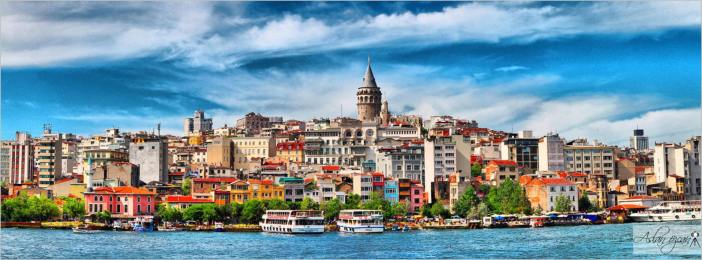
.
.
Click the link below for the article:
.
__________________________________________
March 12, 2021
Mohenjo
Business, Food For Thought, Human Interest, Technical
amazon, business, Business News, current-events, Future, Hotels, human-rights, medicine, mental-health, research, Science, Science News, technology, Technology News, travel, vacation

Click the link below the picture
.
I am a firm believer in the power of a roasted vegetable. Not only can virtually every vegetable be cooked in this way — no recipe required — but roasted vegetables are also universally pleasurable to eat. Have a picky eater in the house? Want a break from your usual steamed veggie side dish? Try roasting your broccoli or green beans or cauliflower tonight. I think you’re in for a treat.
What Vegetables to Roast
Root vegetables — like potatoes, parsnips, sweet potatoes, and carrots — are old standbys when it comes to roasting, of course, but take a look through your crisper drawer and you’ll find all sorts of roasting candidates — from crucifers like broccoli and Brussels sprouts to surprises like zucchini, onions, bell peppers, and cabbage. Even tomatoes can be roasted.
If you’re not sure if a particular vegetable can be roasted, my recommendation is to just give it a try. It might not end up being your favorite way to eat that vegetable, but it’s definitely worth the experiment to find out.
.

Photo by Faith Durand.
.
.
Click the link below for article:
.
__________________________________________
March 12, 2021
Mohenjo
Business, Human Interest
amazon, business, Business News, current-events, Future, Hotels, human-rights, medicine, mental-health, research, Science, Science News, technology, Technology News, travel, vacation

Click the link below the picture
.
Pete Marra is haunted by cats. He sees them everywhere: slinking down alleys, crouched under porches, glaring at him out of wild, starved eyes.
People assume that Marra, head of the Smithsonian Migratory Bird Center and author of the book Cat Wars, hates cats. This is not the case. “I love cats,” he says, calling them “fascinating, magnificent animals,” that seem to have a “freakish love for me.” He’s even considered a pet cat, despite being mildly allergic. “This is the thing people don’t realize,” Marra told me at a café near his office in Washington, D.C. “I’m both a wild animal advocate and a domestic animal advocate. If my mother thought I wasn’t supporting cats, she’d be flipping in her grave.”
It’s an understandable mistake. After all, Marra has made himself the public face of what sounds a lot like an anti-cat crusade. For years, the wildlife ecologist has been investigating the lethal implications of cats and urging that pet owners keep them indoors. He argues in Cat Wars: The Devastating Consequences of a Cuddly Killer, co-authored with freelance writer Chris Santella, the time has come for more drastic action: a concerted, nationwide effort to rid the landscape of cats. (The book is based on Marra’s personal and scientific research, and the views and conclusion are expressly his own and do not represent those of the Smithsonian Institution.)
That effort will require an ugly reality: the targeted killing of felines. “No one likes the idea of killing cats,” Marra concludes in his book. “But sometimes, it is necessary.”
.
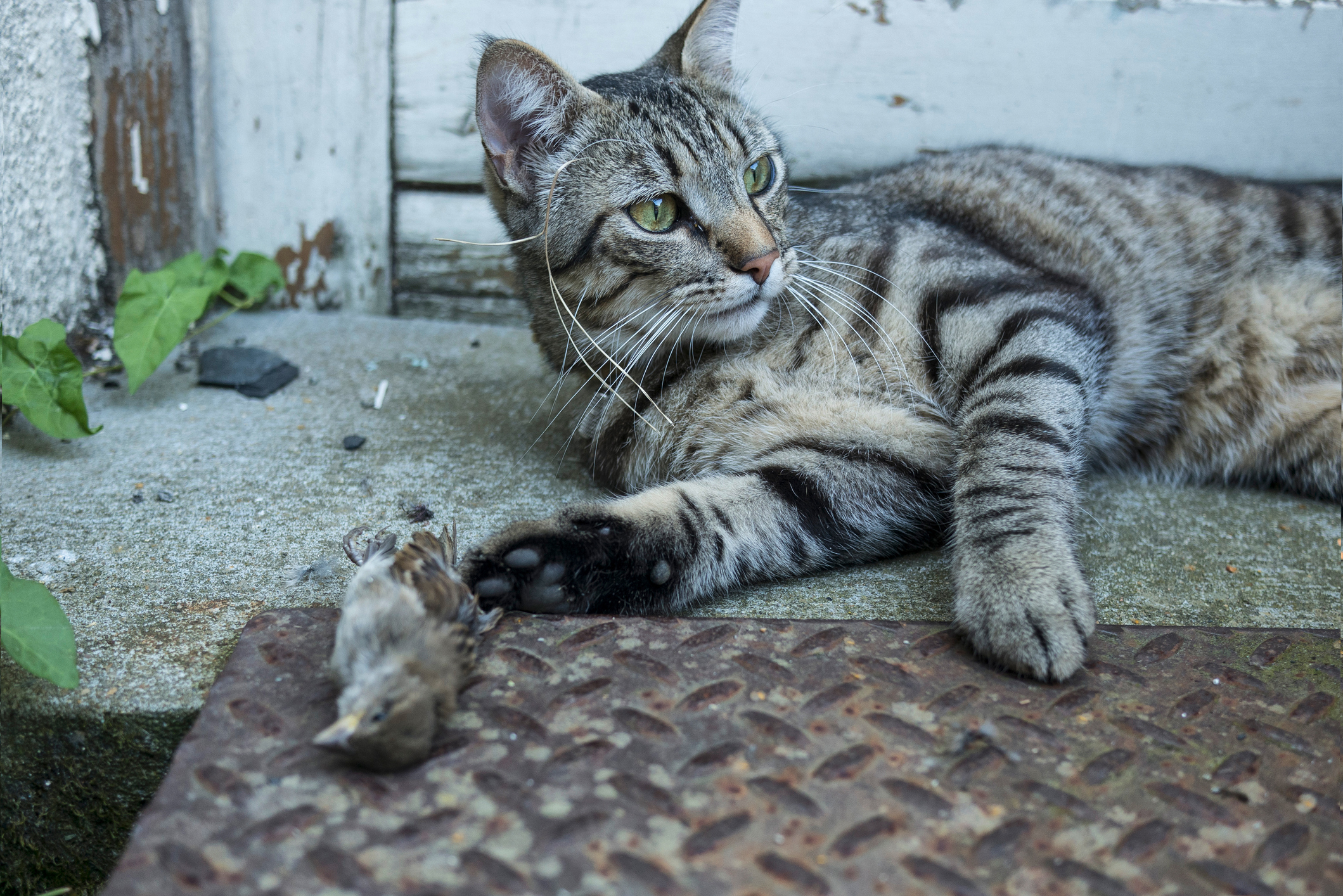
Do outdoor cats need to die? Photo by Louise LeGresley / Getty Images.
.
.
Click the link below for the article:
.
__________________________________________
March 12, 2021
Mohenjo
Food For Thought, Human Interest, Medical, missed News, Political, Science, Technical
amazon, business, Business News, current-events, Future, Hotels, human-rights, medicine, mental-health, research, Science, Science News, technology, Technology News, travel, vacation

.
News You might have missed!
Use your browser or smartphone back arrow (<-) to return to this table for your next selection.
.
__________________________________________
March 11, 2021
Mohenjo
Business, Enthralling, Human Interest, Photographs
amazon, business, Business News, current-events, Future, Hotels, human-rights, medicine, mental-health, research, Science, Science News, technology, Technology News, travel, vacation

Click the link below the picture
.
Lake Geneva is a deep lake on the north side of the Alps, shared between Switzerland and France. It is one of the largest lakes in Western Europe and the largest on the course of the Rhône. 60% (345.31 km2 or 133.32 sq mi) of the lake belongs to Switzerland (the cantons of Vaud, Geneva, and Valais), and 40% (234.71 km2 or 90.62 sq mi) to France (the department of Haute-Savoie).
.
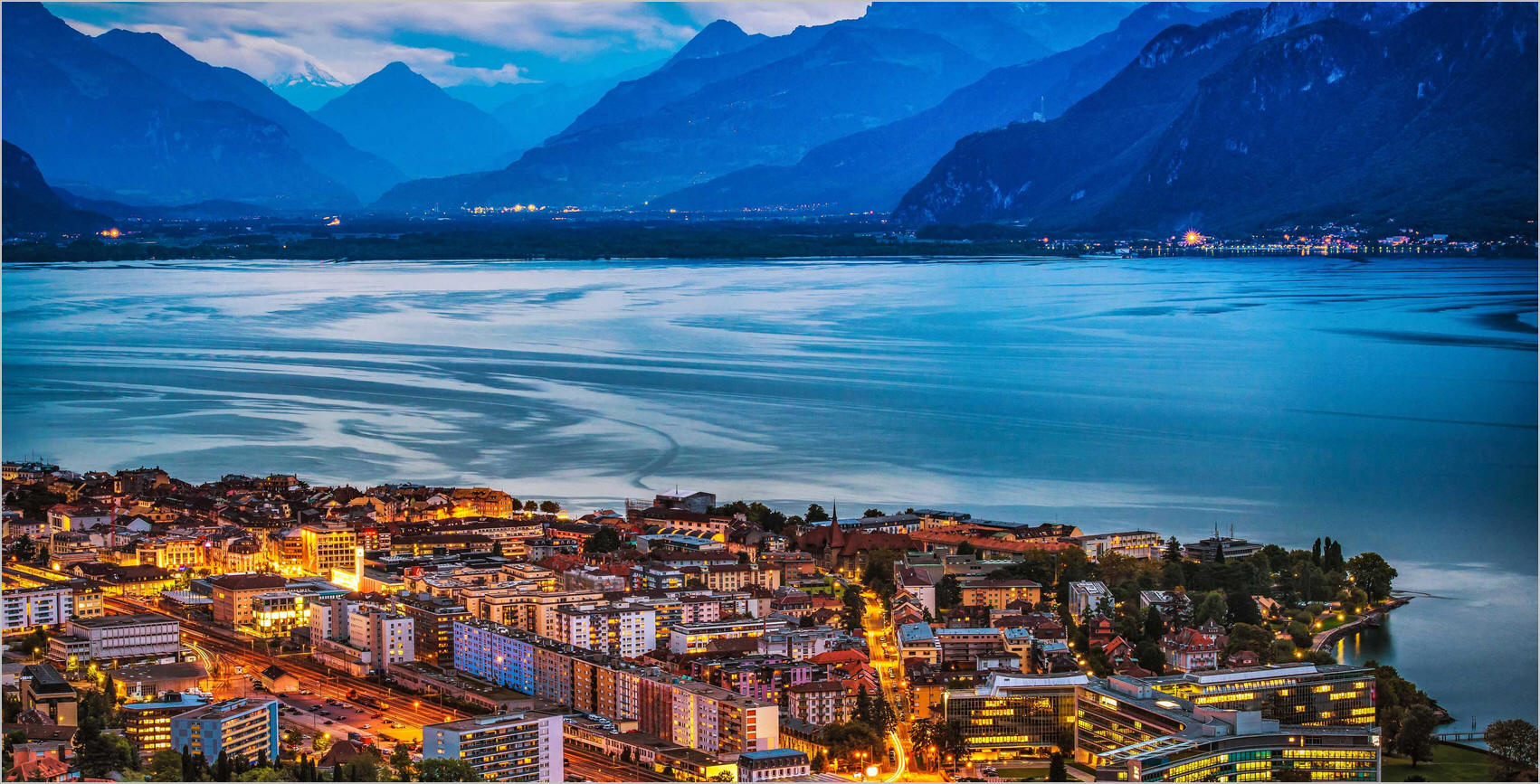 An image of Lake Geneva From the Shores of Lutry, Switzerland
.
.
Click the link below for images:
.
__________________________________________
March 11, 2021
Mohenjo
Business, Food For Thought, Human Interest, Medical, Science, Technical
amazon, business, Business News, current-events, Future, Hotels, human-rights, medicine, mental-health, research, Science, Science News, technology, Technology News, travel, vacation

Click the link below the picture
.
In 2009, you could immediately spot the cool kids at my middle school in Seoul based on a single item: face masks. The masks specifically had to be from Sakun, a Korean streetwear brand that became known for its black masks with teeth marks printed on the front. It was common all over Korea to see 15-year-olds with thick bangs and Sakun masks, only their eyes visible. The masks signaled that you were mysterious, trendy and a little intimidating—everything a middle-schooler wanted to be.
The trend first kicked off when a member of Big Bang, the most popular boy band in Korea at the time, wore a Sakun mask in a series of selfies in 2008. From there, ulzzangs—late 2000s influencers who built massive fan bases by posting flattering photos on social media—adopted the masks in their daily fashion. Until that point, face masks were occasionally worn by sick people in Korea, but now they started to go mainstream: as a way to cover pimples, block out air pollution and, eventually, protect wearers from getting or spreading airborne viruses.
So, when the Covid-19 outbreak hit, it wasn’t surprising that Koreans reached for their masks en masse even before the government required them to, or that the government began producing some 186 million masks each week for a country of 51.6 million people. Masks are a completely normal part of Korean life. Growing up, it was not uncommon to walk down the street in Seoul on a spring day and see gaggles of people emerging from subway stations with masks on. Even after the Sakun trend petered out, many kids, me included, still kept some kind of mask buried in the corner of our wardrobes. When a new epidemic hit, we knew what to do.
The same simply cannot be said for the United States, where states are battling cities over local face-covering requirements; congressional staffers have reported getting berated for wearing masks at work; and no shortage of politicians, including, for several months, the president himself, have resisted mask-wearing. Despite the scientific evidence supporting the effectiveness of masks in minimizing viral transmission, the share of Americans who say they “always” wear a mask when they go out hovers around 50 percent in recent polls.
.
 People wearing masks sit out at a book store on May 11, 2020, in Seoul, South Korea. | Chung Sung-Jun/Getty Images
.
.
Click the link below for the article:
.
__________________________________________
March 11, 2021
Mohenjo
Business, Human Interest
amazon, business, Business News, current-events, Future, Hotels, human-rights, medicine, mental-health, research, Science, Science News, technology, Technology News, travel, vacation

Click the link below the picture
.
Fragments of glassy petrified grass and microscopic traces of plant material, dating to around 200,000 years ago, are all that’s left of a Paleolithic hunter-gatherer’s bed in the back of Border Cave. In the same part of the rock shelter, archaeologists found layers of ash with more recent (as in only around 43,000 years old) and better-preserved leaves of dried grass laid on top, as if people had burned their old, dirty bedding and then laid fresh, clean sheaves of grass over the ashes—the rock shelter version of changing the sheets.
The finds shed light on an aspect of early human life that we rarely get to consider. Most of the artifacts that survive from more than a few thousand years ago are made of stone and bone; even wooden tools are rare. That means we tend to think of the Paleolithic in terms of hard, sharp stone tools and the bones of butchered animals. Through that lens, life looks very harsh—perhaps even harsher than it really was. Most of the human experience is missing from the archaeological record, including creature comforts like soft, clean beds.
.
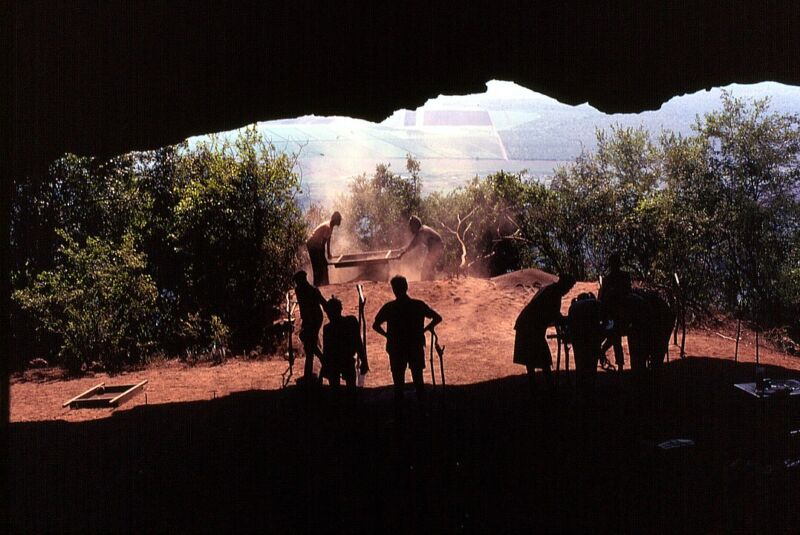 Working outside the cave
.
.
Click the link below for the article:
.
__________________________________________
March 11, 2021
Mohenjo
Business, Food For Thought, Human Interest, Medical, missed News, Political, Technical
amazon, business, Business News, current-events, Future, Hotels, human-rights, medicine, mental-health, research, Science, Science News, technology, Technology News, travel, vacation
.
News You might have missed!
Use your browser or smartphone back arrow (<-) to return to this table for your next selection.
.
__________________________________________
March 10, 2021
Mohenjo
Business, Enthralling, Human Interest, Photographs
amazon, business, Business News, current-events, Future, Hotels, human-rights, medicine, mental-health, research, Science, Science News, technology, Technology News, travel, vacation
Click the link below the picture
.
Islamabad is the capital city of Pakistan and is federally administered as part of the Islamabad Capital Territory. Islamabad is the ninth-largest city in Pakistan, while the larger Islamabad–Rawalpindi metropolitan area is the country’s fourth-largest with a population of about 3.1 million. Built as a planned city in the 1960s to replace Karachi as Pakistan’s capital, Islamabad is noted for its high standards of living, safety, and abundant greenery.
The city’s master plan, designed by Greek architect Constantinos Apostolou Doxiadis, divides the city into eight zones, including administrative, diplomatic enclave, residential areas, educational sectors, industrial sectors, commercial areas, and rural and green areas which are administered by the Islamabad Metropolitan Corporation, supported by the Capital Development Authority. The city is known for the presence of several parks and forests, including the Margalla Hills National Park and the Shakarparian. The city is home to several landmarks, with the most notable one being the Faisal Mosque − the largest mosque in South Asia and the fifth largest in the world. Other landmarks include the Pakistan National Monument and Democracy Square.
.
 An image from Islamabad, Pakistan
.
.
Click the link below for images:
.
__________________________________________
March 10, 2021
Mohenjo
Arts, Business, Food For Thought, Human Interest, Technical
amazon, business, Business News, current-events, Future, Hotels, human-rights, medicine, mental-health, research, Science, Science News, technology, Technology News, travel, vacation

Click the link below the picture
.
In July of 1852, a 32-year-old novelist named Herman Melville had high hopes for his new novel, Moby-Dick; or, The Whale, despite the book’s mixed reviews and tepid sales. That month he took a steamer to Nantucket for his first visit to the Massachusetts island, homeport of his novel’s mythic protagonist, Captain Ahab, and his ship, the Pequod. Like a tourist, Melville met local dignitaries, dined out, and took in the sights of the village he had previously only imagined.
And on his last day on Nantucket, he met the broken-down 60-year-old man who had captained the Essex, the ship that had been attacked and sunk by a sperm whale in an 1820 incident that had inspired Melville’s novel. Captain George Pollard Jr. was just 29 years old when the Essex went down, and he survived and returned to Nantucket to captain a second whaling ship, Two Brothers. But when that shipwrecked on a coral reef two years later, the captain was marked as unlucky at sea—a “Jonah”—and no owner would trust a ship to him again. Pollard lived out his remaining years on land, as the village night watchman.
Melville had written about Pollard briefly in Moby-Dick, and only with regard to the whale sinking his ship. During his visit, Melville later wrote, the two merely “exchanged some words.” But Melville knew Pollard’s ordeal at sea did not end with the sinking of the Essex, and he was not about to evoke the horrific memories that the captain surely carried with him. “To the islanders, he was a nobody,” Melville wrote, “to me, the most impressive man, tho’ wholly unassuming, even humble—that I ever encountered.”
.

Herman Melville drew inspiration for Moby-Dick from the 1820 whale attack on the Essex. Credit: Wikimedia Commons / Public Domain.
.
.
Click the link below for the article:
.
__________________________________________
Older Entries
Newer Entries

