It was two weeks, originally. Who couldn’t do two weeks with the kids at home? Two weeks to bend the curve. It was simple.
Then it was two months—because nothing bent—and, well, we did two weeks and that went okay, so two months would be doable, right? Right?
And then it was summer, and kids are always home in the summer, so how was that different? Sure, we can’t go anywhere, but we’ll just do a little more TV, a little more iPad, a little more of everything we’re already doing. Besides, school is just around the corner and finally, they’ll go back.
Except they didn’t. Instead, it was a year in limbo: school on stuttering Zoom, school in person, and then back home again for quarantine, school all the time and none of the time. No part of it was good, for kids or parents, but most parts of it were safe, and somehow, impossibly, we made it through a full year. It was hell, but we did it. We did it.
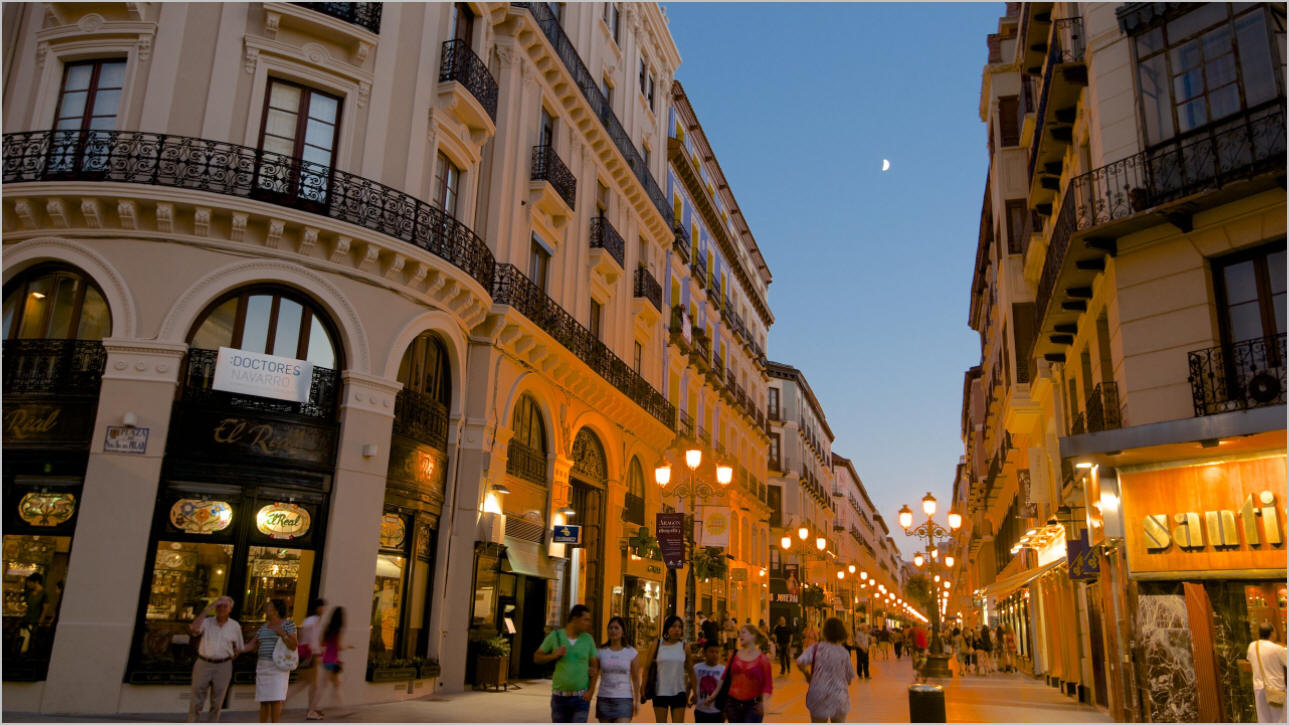
Zaragoza is the capital city of the Zaragoza Province and of the autonomous community of Aragon, Spain. It lies by the Ebro river and its tributaries, the Huerva and the Gállego, roughly in the center of both Aragon and the Ebro basin.
On 1 January 2019, the population of the municipality of Zaragoza was 706,904, (the fifth most populated in Spain) on a land area of 973.78 square kilometers (375.98 square miles). The population of the metropolitan area was estimated in 2006 at 783,763 inhabitants. The municipality is home to more than 50 percent of the Aragonese population. The city lies at an elevation of about 208 meters (682 feet) above sea level.
Zaragoza hosted Expo 2008 in the summer of 2008, a world’s fair on water and sustainable development. It was also a candidate for the European Capital of Culture in 2012.
The city is famous for its folklore, local cuisine, and landmarks such as the Basílica del Pilar, La Seo Cathedral, and the Aljafería Palace. Together with La Seo and the Aljafería, several other buildings form part of the Mudéjar Architecture of Aragon which is a UNESCO World Heritage Site. The Fiestas del Pilar are among the most celebrated festivals in Spain.
The Iberian town that preceded Roman colonization was called Salduie[ or Salduba. The Romans called the ancient city Caesaraugusta, from which derive the Arabic name سرقسطةSaraqusṭa (used during the Al-Andalus period), the medieval Çaragoça, and the modern Zaragoza. Wikipedia
There was an aphorism in the movement: “Bad roads make good communes.” And the road we’re on today is bad. Several miles inland from California’s foggy coastline, we’re driving down a single lane hemmed in by 50-foot fir trees and then turn onto a rocky dirt path, joggling our rented SUV. Photographer Michael Schmelling and I are in Mendocino County, about a three-hour drive north of San Francisco, looking for what remains of perhaps the most famous of the hundreds of rural communes established across Northern California in the late ’60s and ’70s: Table Mountain Ranch.
The entire expanse—which once was a kind of American Arcadia, home to scores of hippies who’d fled San Francisco to live a new, idealistic kind of life—now looks deserted. We pass tree stumps, logging equipment, and mounds of dirt. The only sound is the chirping of birds. Eventually, in the middle of an open field, we come upon a peeling wood building where a lone man is perched up a ladder. Ascetically thin, with long red hair and a patchy beard, he tells us that he’s one of Table Mountain Ranch’s last remaining members. Now in his mid-70s, he’s wary of supplying his name, wary of being somehow “on the map” after so much time off the grid, so I tell him that I’ll refer to him as Jack Berg. Attempting to set the foundation for a second-story balcony, he struggles to balance on the ladder while positioning a two-by-four, an unlit roach in his fingers. As we look on, he brusquely puts us to work, chastising Michael for snapping a picture instead of immediately helping with the load.
Berg is restoring the Whale Schoolhouse, a progressive academy founded in 1971 that became the pride of communards across the Albion region of Northern California. Fifty kids, from elementary to high school age, were enrolled here, but it’s sat unused for decades—and now Berg is moving in. “Nobody cared about this building,” he says. “It was disintegrating.” He takes us inside. It’s a single room, the size of half a tennis court, with old class pictures on a corkboard. A circular window overlooks an empty field that had long ago been a playground.
.
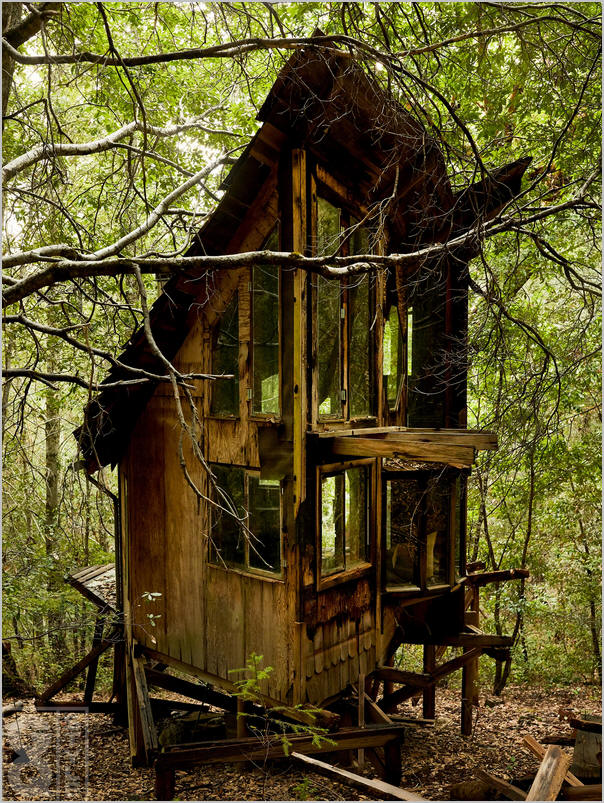
An abandoned structure at the Nonagon commune in Humboldt County.
Some content on this page was disabled on April 15, 2025 as a result of a DMCA takedown notice from Guardian Media Group. You can learn more about the DMCA here:
Ägerisee or Lake Aegeri is a glacial lake in the Canton of Zug, Switzerland. The two municipalities along its shore are Oberägeri and Unterägeri.The main tributary is the Hüribach; the Lorze river drains the Ägerisee. Since 1992 the lake has been used as a water reservoir.
The Battle of Morgarten took place in 1315 on the shores of the Ägerisee.
The orders have been sudden, dramatic, and often baffling. Last week, “American Idol”-style competitions and shows featuring men deemed too effeminate were banned by Chinese authorities. Days earlier, one of China’s wealthiest actresses, Zhao Wei, had her movies, television series, and news mentions scrubbed from the Internet as if she had never existed.
Over the summer, China’s multibillion-dollar private education industry was decimated overnight by a ban on for-profit tutoring, while new regulations wiped more than $1 trillion from Chinese tech stocks since a peak in February. As China’s tech moguls compete to donate more to President Xi Jinping’s campaign against inequality, “Xi Jinping Thought” is taught in elementary schools, and foreign games and apps like Animal Crossing and Duolingo have been pulled from stores.
A dizzying regulatory crackdown unleashed by China’s government has spared almost no sector over the past few months. This sprawling “rectification” campaign — with such disparate targets as ride-hailing services, insurance, education, and even the amount of time children can spend playing video games — is redrawing the boundaries of business and society in China as Xi prepares to take on a controversial third term in 2022.
.
Chinese President Xi Jinping, seen pledging his vows to the party during the celebrations of the 100th anniversary of the founding of the Communist Party, is shaking up Chinese society. (Ng Han Guan/AP)
IN 2020, AMAZON turned 26 years old. Over the previous quarter of a century, the company had transformed shopping. With retail revenues in excess of $213bn (£150bn), it was larger than Germany’s Schwarz Group, America’s Costco, and every British retailer. Only Walmart, with more than half a trillion dollars of sales, was bigger. But Amazon was by far and away the world’s largest online retailer. Its online business was about eight times larger than Walmart’s. Amazon was more than just an online shop, however. Its huge businesses in areas such as cloud computing, logistics, media, and hardware added a further $172bn in sales.
At the heart of its success is a staggering $36 billion research and development budget in 2019, used to develop everything from robots to smart home assistants. This sum leaves other companies – and many governments – behind. It is not far off the UK government’s annual budget for research and development. Tesco, the largest retailer in Britain – with annual sales in excess of £50 billion – had a research lab whose budget was in “six figures” in 2016.
Film and Writing Festival for Comedy. Showcasing best of comedy short films at the FEEDBACK Film Festival. Plus, showcasing best of comedy novels, short stories, poems, screenplays (TV, short, feature) at the festival performed by professional actors.

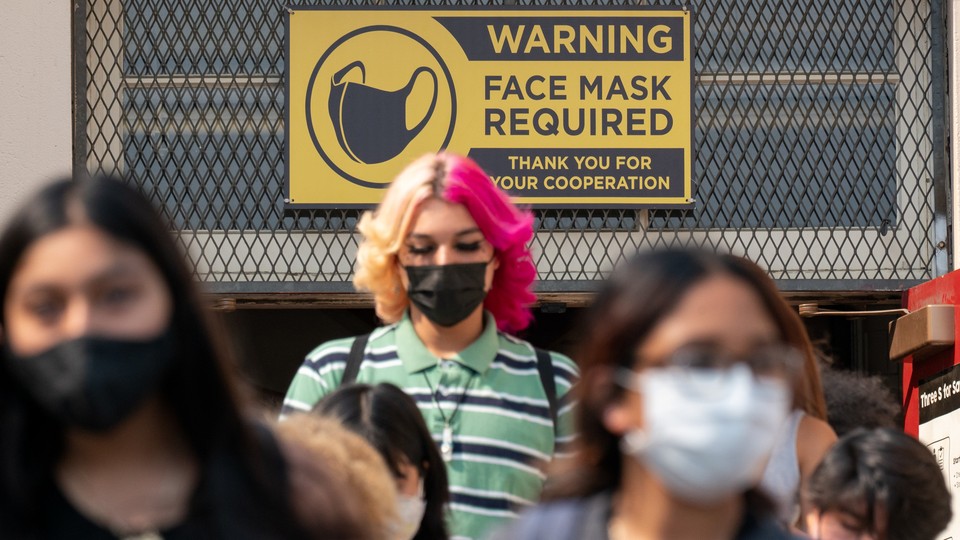 Bing Guan / Bloomberg / Getty


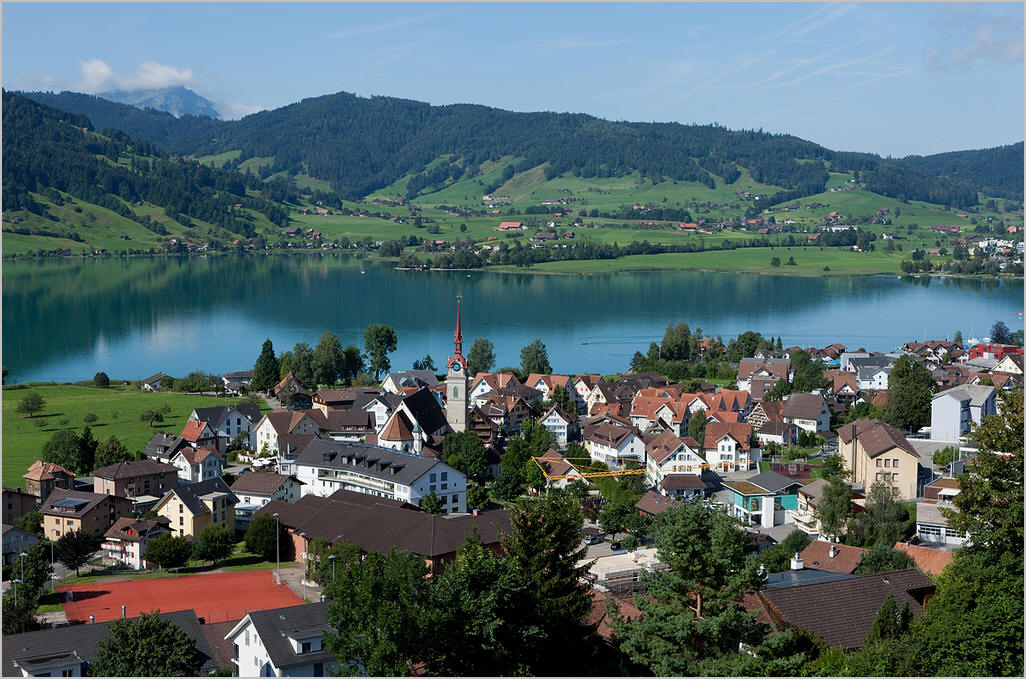 An image from Agerisee Switzerland