March 15, 2021
Mohenjo
Business, Food For Thought, Human Interest, Technical
amazon, business, Business News, current-events, Future, Hotels, human-rights, medicine, mental-health, research, Science, Science News, technology, Technology News, travel, vacation

Click the link below the picture
.
Maps are reflections of our world—how it is organized, how we experience it—or at least that’s what they’re supposed to be. At their best, maps help you understand the space around you, but at their worst, they can warp reality, by stripping communities of their power or rights, for example. And you thought bad directions were the worst that could happen.
Maps are contentious in part because the land is so often tied to identity. Urban neighborhoods, as one of the more nebulous and amorphous spaces for cartography, often make for interesting, if low-stakes, confusion. And when the desire to name and label everything runs into data and algorithms, strange things can happen.
In summer 2018, Jeff Sisson, a 31-year-old software engineer, was a new arrival to Queens, the largest borough in New York City by some 40 square miles. Sisson was getting to know his new environs by foot and bike, and one day while surfing Google Maps, he noticed something strange. He saw a designation on the map for something he had never heard of before, a place called Haberman.
“After having to route myself into some areas that are near that particular place in Queens, it just sort of stood out to me,” he says. “The size of it was large enough that implied something very real, present, and visible, but it was not totally clear what it referred to.”
.
 In this image looking southeast at the border between Queens and Brooklyn, the area briefly known as Haberman is at center-left, beside Newtown Creek. Photo credit: Joe Mabel / Wikimedia.
.
.
Click the link below for the article:
.
__________________________________________
March 13, 2021
Mohenjo
Business, Food For Thought, Human Interest, Political, Technical
amazon, business, Business News, current-events, Future, Hotels, human-rights, medicine, mental-health, research, Science, Science News, technology, Technology News, travel, vacation

Click the link below the picture
.
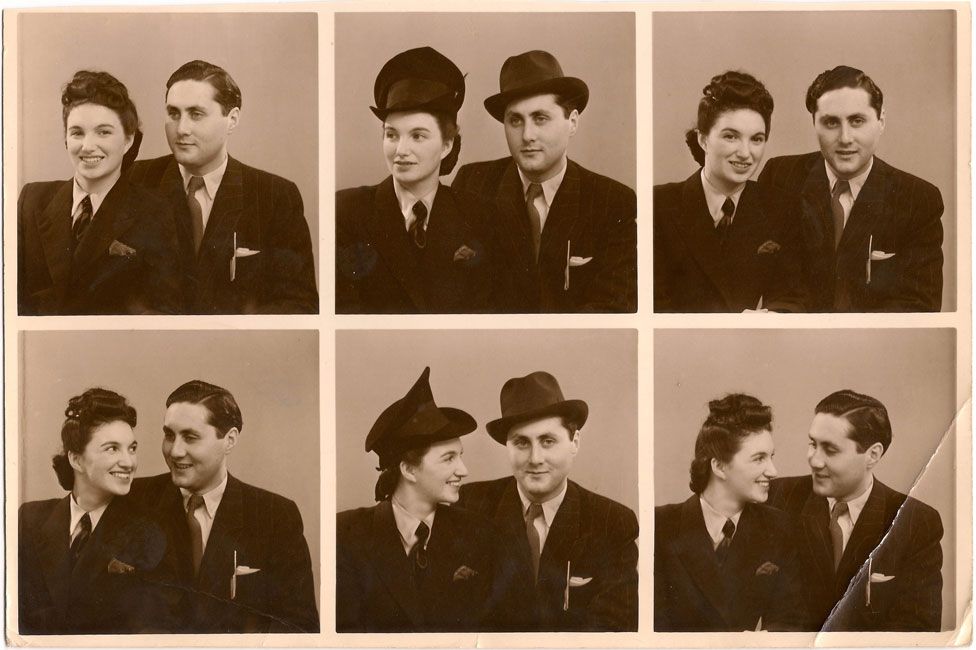
It was a cold October night 75 years ago when my grandparents, Fanny and Raphael Bodin, stood on the dock of a harbor on the east coast of Denmark with their 15-month-old daughter, Lis, in their arms.
I imagine they peered into the darkness, nervously awaiting the fisherman who would take them across the water to the safety of neutral Sweden. Until that point, the Jews of Denmark – unlike those in other parts of occupied Europe – had been free to go about their business. But now the order had been given to transport them to Germany “for processing”.
So my grandparents and aunt fled. As they boarded the fishing boat they handed the fisherman a substantial sum of money for the hour-long boat trip across the Oresund – the narrow stretch of water between Denmark and Sweden. Then it started to rain and my aunt began to cry. The fisherman, fearing the Germans would hear her cries, ordered my grandparents either to leave their child on the dock or get off the boat. They chose the latter and watched as the boat cast off for Sweden with their money and perhaps their last chance of escape.
.
 Saved
Saved
.
.
Click the link below for the article:
.
__________________________________________
March 13, 2021
Mohenjo
Business, Human Interest
amazon, business, Business News, current-events, Future, Hotels, human-rights, medicine, mental-health, research, Science, Science News, technology, Technology News, travel, vacation
Click the link below the picture
.
When you think of Colonial America, soldiers marching to fife and drum and Benjamin Franklin flying a kite are probably what come to mind. But the Colonial Period—which stretched from roughly 1607 to 1776, starting when America was just a group of colonies on the east side of the continent and ending with the Revolutionary War and the signing of the Declaration of Independence—was a fascinating but complicated time in which settlers from England forged a proud new identity. These new settlers brought the English language with them when they came, and whenever English finds a new home, it often takes on a new life. America was no exception.
.
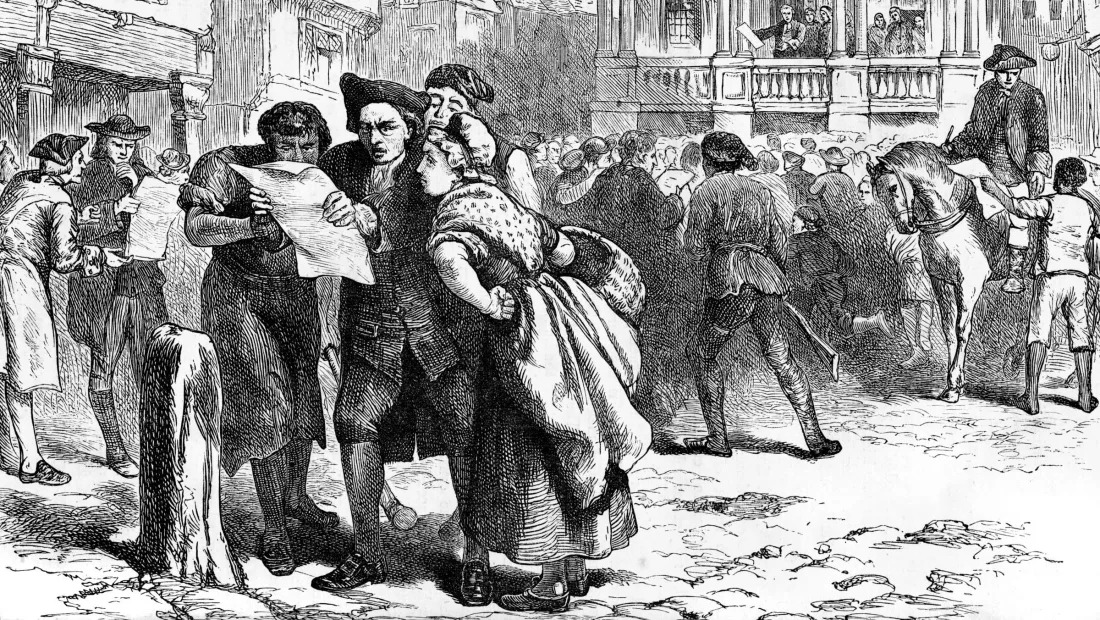
Photo from the Print Collector / Print Collector / Getty Images.
.
.
Click the link below for the article:
.
__________________________________________
March 13, 2021
Mohenjo
Business, Food For Thought, Human Interest, Technical
amazon, business, Business News, current-events, Future, Hotels, human-rights, medicine, mental-health, research, Science, Science News, technology, Technology News, travel, vacation

Click the link below the picture
.
When I was a teenager, I would come home from school hours before my parents got back from work. Sometimes I wonder if they ever worried about me being at home alone—whether I was getting up to any teenage mischief or not. Unless they called, there was no way for them to know.
Nowadays there’s texting, which certainly helps this problem. But your security system can also be a huge help in knowing your kids are home safe and behaving well.
SimpliSafe Components That Go the Extra Mile:
SimpliSafe has lots of customizable features that allow you to create a solution that fits your family’s needs.
The SimpliSafe security camera records videos any time your system is tripped, but did you know it also records a short clip anytime the system is armed or disarmed? It’s great for checking in on who’s home. You can see which friends your teen has over. Is it their study partner or that bad apple from down the block? You can check in any time. And don’t worry. The privacy shutter on the camera gives you and your family privacy when they’re home.
.
 Safe
Safe
.
.
Click the link below for the article:
.
__________________________________________
March 13, 2021
Mohenjo
Business, Human Interest
amazon, business, Business News, current-events, Future, Hotels, human-rights, medicine, mental-health, research, Science, Science News, technology, Technology News, travel, vacation
Click the link below the picture
.
Frans de Waal calls his book Mama’s Last Hug in reference to an emotional encounter between Mama, a 58-year-old chimpanzee, and Jan van Hooff, an 80-year-old biology professor. Mama is frail and near death when Van Hooff, who had overseen her care for decades, enters her cage at Burgers Zoo in the Netherlands. Mama smiles and Van Hooff bends toward her. She strokes his white hair and drapes one of her arms around his neck, patting the back of his head with her long fingers. “This was typical Mama,” writes De Waal, who had long observed the chimpanzee. De Waal gave her the name Mama because of her matriarchal position. “She had the air of a grandmother who had seen it all and didn’t take nonsense from anybody,” De Waal writes. “I had never sensed such wisdom and poise in any other species but my own.” When Van Hooff entered Mama’s cage, “she must have sensed Jan’s trepidation about invading her domain, and she was letting him know not to worry. She was happy to see him.”
The touching scene between Mama and Van Hooff has been viewed over 10 million times on YouTube. Clearly, it has struck a deep emotional chord in people, no doubt because of the joy and tenderness that the chimpanzee displays at the end of her long life. De Waal, who runs Living Links Center at the Yerkes National Primate Research Center in Atlanta, uses the scene to open his investigation into the emotions of animals, from primates to dogs to rats. “Let me start off with a radical proposal: emotions are like organs,” he writes. “They are all needed, and we share them with all with other mammals.” Those who are familiar with De Waal’s research know the proposal is not so radical, as the primatologist has for decades been showing humans that we are not as special as many of our species seem to think we are. The title of his previous book offers a keen summary of his outlook: Are We Smart Enough to Know How Smart Animals Are?
.

Illustration by John Hendrix.
.
.
Click the link below for the article:
.
__________________________________________
March 13, 2021
Mohenjo
Business, Food For Thought, Human Interest, Science, Technical
amazon, business, Business News, current-events, Future, Hotels, human-rights, medicine, mental-health, research, Science, Science News, technology, Technology News, travel, vacation
Click the link below the picture
.
The escape of a trip into mountains or a day lying by the beach may feel like an extravagance to city dwellers confined by a traditional work schedule. But exposure to green and blue spaces is far more than just a luxury. For kids, growing up without regular exposure to nature seems to have ripple effects that persist into adulthood, according to research published in the International Journal of Environmental Health and Public Health.
Using data from 3,585 people collected across four cities in Europe, scientists from the Barcelona Institute for Global Health (also called IS Global) report a strong relationship between growing up away from the natural world and mental health in adulthood. Overall, they found a strong correlation between low exposure to nature during childhood and higher levels of nervousness and feelings of depression in adulthood. Co-author Mark Nieuwenhuijsen, Ph.D., director of IS Global’s urban planning, environment, and health initiative, tells Inverse that the relationship between nature and mental health remained strong, even when he adjusted for confounding factors.
“What we found is that the childhood experience of green space can actually predict mental health in later life,” Nieuwenhuijsen says. “The people that reported more exposure to nature actually have better mental health than those that don’t even after we adjust for exposure at the time of the interview when they are adults.”
.

Photo by The-Tor / Getty Images.
.
.
Click the link below for the article:
.
__________________________________________
March 12, 2021
Mohenjo
Business, Enthralling, Human Interest, Photographs
amazon, business, Business News, current-events, Future, Hotels, human-rights, medicine, mental-health, research, Science, Science News, technology, Technology News, travel, vacation

Click the link below the picture
.
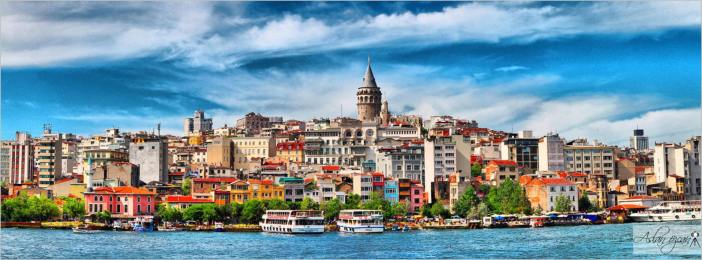
Istanbul, historically known as Byzantium and Constantinople, is the largest city in Turkey and the country’s economic, cultural and historic center. The city straddles the Bosphorus Strait, and lies in both Europe and Asia, with a population of over 15 million residents, comprising 19% of the population of Turkey. Istanbul is the most populous city in Europe and the world’s fifteenth-largest city.
.
.
.
Click the link below for the article:
.
__________________________________________
March 12, 2021
Mohenjo
Business, Food For Thought, Human Interest, Technical
amazon, business, Business News, current-events, Future, Hotels, human-rights, medicine, mental-health, research, Science, Science News, technology, Technology News, travel, vacation
Click the link below the picture
.
I am a firm believer in the power of a roasted vegetable. Not only can virtually every vegetable be cooked in this way — no recipe required — but roasted vegetables are also universally pleasurable to eat. Have a picky eater in the house? Want a break from your usual steamed veggie side dish? Try roasting your broccoli or green beans or cauliflower tonight. I think you’re in for a treat.
What Vegetables to Roast
Root vegetables — like potatoes, parsnips, sweet potatoes, and carrots — are old standbys when it comes to roasting, of course, but take a look through your crisper drawer and you’ll find all sorts of roasting candidates — from crucifers like broccoli and Brussels sprouts to surprises like zucchini, onions, bell peppers, and cabbage. Even tomatoes can be roasted.
If you’re not sure if a particular vegetable can be roasted, my recommendation is to just give it a try. It might not end up being your favorite way to eat that vegetable, but it’s definitely worth the experiment to find out.
.

Photo by Faith Durand.
.
.
Click the link below for article:
.
__________________________________________
March 12, 2021
Mohenjo
Business, Human Interest
amazon, business, Business News, current-events, Future, Hotels, human-rights, medicine, mental-health, research, Science, Science News, technology, Technology News, travel, vacation
Click the link below the picture
.
Pete Marra is haunted by cats. He sees them everywhere: slinking down alleys, crouched under porches, glaring at him out of wild, starved eyes.
People assume that Marra, head of the Smithsonian Migratory Bird Center and author of the book Cat Wars, hates cats. This is not the case. “I love cats,” he says, calling them “fascinating, magnificent animals,” that seem to have a “freakish love for me.” He’s even considered a pet cat, despite being mildly allergic. “This is the thing people don’t realize,” Marra told me at a café near his office in Washington, D.C. “I’m both a wild animal advocate and a domestic animal advocate. If my mother thought I wasn’t supporting cats, she’d be flipping in her grave.”
It’s an understandable mistake. After all, Marra has made himself the public face of what sounds a lot like an anti-cat crusade. For years, the wildlife ecologist has been investigating the lethal implications of cats and urging that pet owners keep them indoors. He argues in Cat Wars: The Devastating Consequences of a Cuddly Killer, co-authored with freelance writer Chris Santella, the time has come for more drastic action: a concerted, nationwide effort to rid the landscape of cats. (The book is based on Marra’s personal and scientific research, and the views and conclusion are expressly his own and do not represent those of the Smithsonian Institution.)
That effort will require an ugly reality: the targeted killing of felines. “No one likes the idea of killing cats,” Marra concludes in his book. “But sometimes, it is necessary.”
.
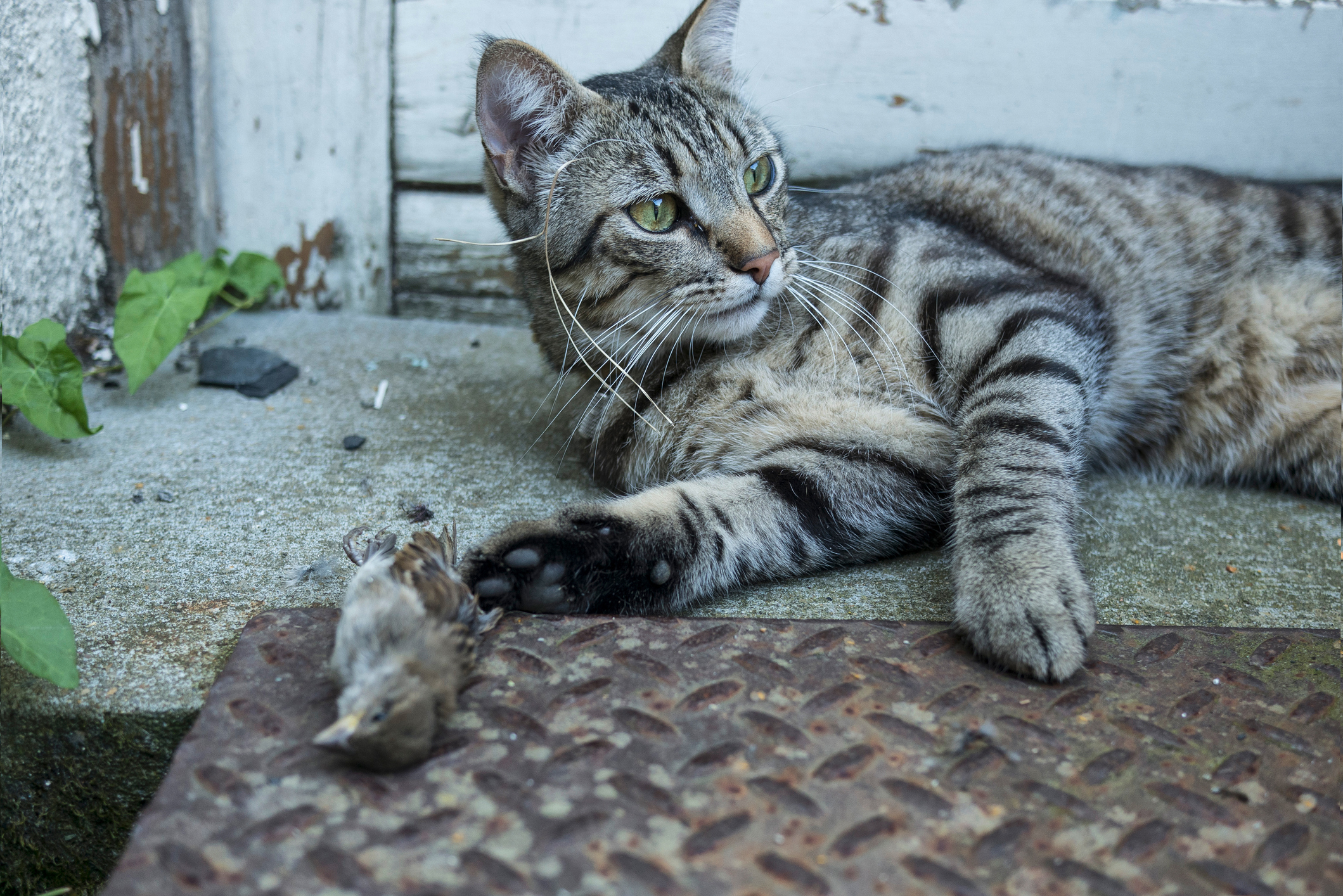
Do outdoor cats need to die? Photo by Louise LeGresley / Getty Images.
.
.
Click the link below for the article:
.
__________________________________________
March 11, 2021
Mohenjo
Business, Enthralling, Human Interest, Photographs
amazon, business, Business News, current-events, Future, Hotels, human-rights, medicine, mental-health, research, Science, Science News, technology, Technology News, travel, vacation
Click the link below the picture
.
Lake Geneva is a deep lake on the north side of the Alps, shared between Switzerland and France. It is one of the largest lakes in Western Europe and the largest on the course of the Rhône. 60% (345.31 km2 or 133.32 sq mi) of the lake belongs to Switzerland (the cantons of Vaud, Geneva, and Valais), and 40% (234.71 km2 or 90.62 sq mi) to France (the department of Haute-Savoie).
.
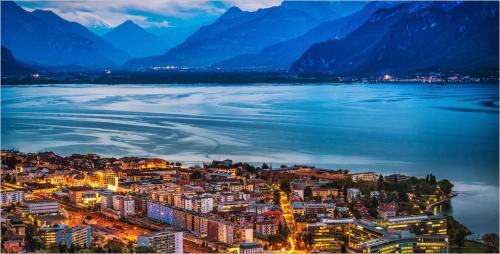 An image of Lake Geneva From the Shores of Lutry, Switzerland
.
.
Click the link below for images:
.
__________________________________________
Older Entries
Newer Entries

