May 6, 2022
Mohenjo
Business, Food For Thought, Human Interest, Science, Technical
amazon, business, Business News, current-events, Future, Hotels, human-rights, medicine, mental-health, research, Science, Science News, technology, Technology News, travel, vacation

Click the link below the picture
.
Are you looking for the Wi-Fi password for a network you’ve logged in to in the past? Whether it’s a school, work, or coffee shop network, the password should be stored on your laptop. But if it doesn’t automatically connect to the network next time, you may have to do a little digging to find out what the password is.
If your computer has connected to that Wi-Fi network before, don’t worry. The first time you connect to a network on a Mac or Windows computer, the network name and password are stored in memory. It’s fairly easy to dive into your computer settings to extract and record the password for other devices.
We’ll tell you how to find the passwords to all of the Wi-Fi networks you’ve ever connected to on MacOS and Windows. For more details, here’s what to know about the latest MacBook Pro and the MacOS Monterey update.
.

Network passwords are usually saved by default on Mac or Windows. Ian Hooten/Getty Images
.
.
Click the link below for the article:
.
__________________________________________
May 5, 2022
Mohenjo
Business, Enthralling, Human Interest, Photographs
amazon, business, Business News, current-events, Future, Hotels, human-rights, medicine, mental-health, research, Science, Science News, technology, Technology News, travel, vacation

Click the link below the picture
.
El Nido, officially the Municipality of El Nido, is a 1st class municipality in the province of Palawan, Philippines. According to the 2020 census, it has a population of 50,494 people.
It is about 420 kilometers (260 mi) southwest of Manila, and about 238 kilometers (148 mi) northeast of Puerto Princesa, Palawan’s capital. A managed resource-protected area, it is known for its white-sand beaches, coral reefs, limestone cliffs, and as the gateway to the Bacuit archipelago.
El Nido has been inhabited by humans as early 2680 BC, or even up to 22,000 years ago. This was confirmed by the fossils and burial sites, dating back to the Late Neolithic Age, that can be found in many caves and excavation sites surrounding the municipality, particularly in Dewil Valley’s Ille Cave in New Ibajay. Chinese traders had been regularly visiting the area of Palawan for its edible birds’ nests during the Song Dynasty (960-1279). The island was mentioned in Chinese records of 1225. Chau Ju-Kua, a trade commissioner of the port of Chuan wrote about the island, Pa-Lao-Yu or Land of Beautiful Harbors in his book Chu Fan Chi.
The town traces its roots from a small Tagbanwa village called Talindak. Sometime in the 16th century, waves of migrants from Cuyo Islands came here to settle. In the 1800s, the Spaniards arrived, and they moved to the part where the present-day Población and Mabini are located. The first Spanish families were the Canovas, Vázquez, Ríos and Rey. In 1890, the Spaniards renamed it as Bacuit. At the time, the center of the town was Cabigsing, then known as Inventario. Chinese families moved into the area about the same period, first settling in Langeblangeban. The first Chinese settlers were named Lim, Chin, Liao, Edsan, Ambao, Que-Ke, Lim Piao, Yu His, Pe Phan, and Pe Khen.
During the Spanish colonization of the Philippines, the town was under the jurisdiction of the Municipality of Taytay, which was the capital of the former Province of Calamianes from 1818, and the Province of Castilla, the area of what is now known as northern Palawan, from 1858. It remained part of Taytay until 1916 when it formally became an independent municipality. The new municipality was then known as Bacuit. Wikipedia
.
 An image from El Nido Palawan
.
.
Click the link below for images:
.
__________________________________________
May 5, 2022
Mohenjo
Business, Food For Thought, Human Interest, Political, Science, Technical
amazon, business, Business News, current-events, Future, Hotels, human-rights, medicine, mental-health, research, Science, Science News, technology, Technology News, travel, vacation

Click the link below the picture
.
WhenWhen I called up iFixit CEO Kyle Wiens, I figured he’d be celebrating — after years of fighting for right-to-repair, big-name companies like Google and Samsung have suddenly agreed to provide spare parts for their phones. Not only that, they signed deals with him to sell those parts through iFixit, alongside the company’s repair guides and tools. So did Valve.
But Wiens says he’s not done making deals yet. “There are more coming,” he says, one as soon as a couple of months from now. (No, it’s not Apple.) Motorola was actually the first to sign on nearly four years ago. And if Apple meaningfully joins them in offering spare parts to consumers — like it promised to do by early 2022 — the era of fixing your own phone may have well and truly come.
Last October, the United States effectively made it legal to open up many devices for the purpose of repair with an exemption to the Digital Millennium Copyright Act. Now, the necessary parts are arriving.
What changed? Weren’t these companies fighting tooth and nail to keep right-for-repair off the table, sometimes sneakily stopping bills at the last minute? Sure. But some legislation is getting through anyhow… and one French law, in particular, might have been the tipping point.
.
/cdn.vox-cdn.com/uploads/chorus_image/image/70730460/ZMAy1r2nNBMo5WNf.0.jpg) Inside a Pixel 5 smartphone.Image: iFixit
Inside a Pixel 5 smartphone.Image: iFixit
.
.
Click the link below for the article:
.
__________________________________________
May 5, 2022
Mohenjo
Business, Food For Thought, Human Interest, Political, Science, Technical
amazon, business, Business News, current-events, Future, Hotels, human-rights, medicine, mental-health, research, Science, Science News, technology, Technology News, travel, vacation

Click the link below the picture
.
.

.
.
Click the link below for the article:
.
__________________________________________
May 4, 2022
Mohenjo
Business, Enthralling, Human Interest, Photographs
amazon, business, Business News, current-events, Future, Hotels, human-rights, medicine, mental-health, research, Science, Science News, technology, Technology News, travel, vacation
Click the link below the picture
.
Nigeria, officially the Federal Republic of Nigeria, is a country in West Africa. It is the most populous country in Africa. It is geographically situated between the Sahel to the north and the Gulf of Guinea to the south in the Atlantic Ocean. It covers an area of 923,769 square kilometers (356,669 sq mi), with a population of over 211 million. Nigeria borders Niger in the north, Chad in the northeast, Cameroon in the east, and Benin in the west. Nigeria is a federal republic comprising 36 states and the Federal Capital Territory, where the capital, Abuja, is located. The largest city in Nigeria is Lagos, one of the largest metropolitan areas in the world and the second-largest in Africa.
Nigeria has been home to several indigenous pre-colonial states and kingdoms since the second millennium BC, with the Nok civilization in the 15th century BC marking the first internal unification in the country. The modern state originated with British colonialization in the 19th century, taking its present territorial shape with the merging of the Southern Nigeria Protectorate and Northern Nigeria Protectorate in 1914 by Lord Lugard. The British set up administrative and legal structures while practicing indirect rule through traditional chiefdoms in the Nigeria region. Nigeria became a formally independent federation on October 1, 1960. It experienced a civil war from 1967 to 1970, followed by a succession of democratically elected civilian governments and military dictatorships, until achieving a stable democracy in the 1999 presidential election; the 2015 election was the first time an incumbent president had lost re-election.
Nigeria is a multinational state inhabited by more than 250 ethnic groups speaking 500 distinct languages, all identifying with a wide variety of cultures. The three largest ethnic groups are the Hausa in the north, Yoruba in the west, and Igbo in the east, together comprising over 60% of the total population. The official language is English, chosen to facilitate linguistic unity at the national level. Nigeria’s constitution ensures freedom of religion and it is home to some of the world’s largest Muslim and Christian populations, simultaneously. Nigeria is divided roughly in half between Muslims, who live mostly in the north, and Christians, who live mostly in the south; indigenous religions, such as those native to the Igbo and Yoruba ethnicities, are in the minority.
Nigeria is a regional power in Africa, a middle power in international affairs, and is an emerging global power. Nigeria’s economy is the largest in Africa, the 25th-largest in the world by nominal GDP, and 25th-largest by PPP. Nigeria is often referred to as the Giant of Africa owing to its large population and economy and is considered to be an emerging market by the World Bank. However, the country ranks very low in the Human Development Index and remains one of the most corrupt nations in the world. Nigeria is a founding member of the African Union and a member of many international organizations, including the United Nations, the Commonwealth of Nations, NAM, the Economic Community of West African States, and OPEC. It is also a member of the informal MINT group of countries and is one of the Next Eleven economies. Wikipedia
.
 An image from Abuja City Nigeria
.
.
Click the link below for images:
.
__________________________________________
May 4, 2022
Mohenjo
Business, Food For Thought, Human Interest, Science, Technical
amazon, business, Business News, current-events, Future, Hotels, human-rights, medicine, mental-health, research, Science, Science News, technology, Technology News, travel, vacation

Click the link below the picture
.
Watch someone else use their iPhone for a few minutes, and you’ll quickly discover that they do a lot of things quite differently than you. You might discover some interactions you’ve never seen before, and you probably have a lot of suggestions for them.
It’s not surprising that the average iPhone user doesn’t use many of its best features. Modern smartphones have grown into enormously powerful and complex devices, and unless you pay close attention, you’re going to be simply unaware of all they can do. So let’s learn some new ones. Here are 10 iPhone tips and features that a surprisingly large percentage of users seem to be completely unaware of. These tips should work on most modern iPhones (those made within the last few years) and assume that you’re running at least iOS 15.
Silence unknown callers
The spam calls have gotten completely out of control. If you’re like me, you get at least three or four a day, and they always look like they’re coming from some legitimate phone number.
.
 IDG
IDG
.
.
Click the link below for the article:
.
__________________________________________
May 4, 2022
Mohenjo
Business, Human Interest
amazon, business, Business News, current-events, Future, Hotels, human-rights, medicine, mental-health, research, Science, Science News, technology, Technology News, travel, vacation

Click the link below the picture
.
If you live in an area with abundant sunlight—hello, fellow southern Californians—you’ve probably thought about installing solar panels on your roof to save on your electric bill. But with so much information, it can be hard to know where to start.
Look no further—start here
Between the different types of panels, financing, inverters, and other jargon, researching solar energy can feel overwhelming at first. That’s why I recommend starting at a solar quote comparison site like EnergySage, Solar-Estimate, or SolarReviews (the latter two are run by the same people).
Both EnergySage and Solar-Estimate act as educational resources and comparison shopping tools to help you field bids. I’ve been using EnergySage, which is chock-full of articles explaining the technology involved. You can also watch videos, look at their buyer’s guide, or start getting quotes. Their Solar 101 series of articles will help you understand the basics, and when you’re done, scroll through the site’s “Learn About Solar” sidebar to read even more articles that’ll give you a feel for the process.
To understand what your home requires, though, you’ll need to look up how much electricity you use. If your bill tells you the average amount of electricity you use each month, make a note of that, or calculate a quick and dirty average yourself. The more information you have on your usage, the more accurate an estimate you can get from installers.
.
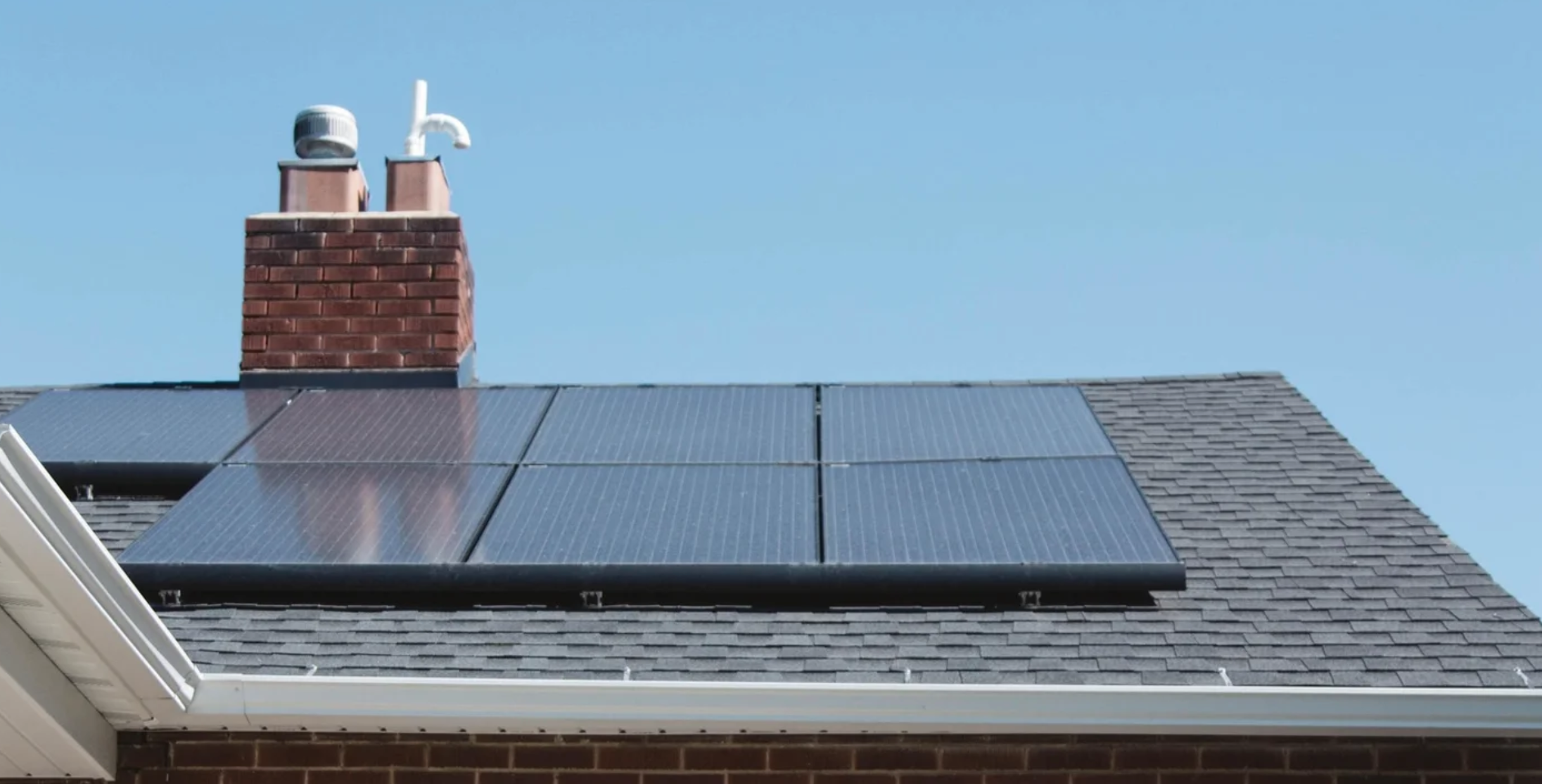 Behold the power of the sun. Vivint Solar/Unsplash
.
.
Click the link below for the article:
.
__________________________________________
May 3, 2022
Mohenjo
Business, Enthralling, Human Interest, Photographs
amazon, business, Business News, current-events, Future, Hotels, human-rights, medicine, mental-health, research, Science, Science News, technology, Technology News, travel, vacation
Click the link below the picture
.
Martha’s Vineyard is an island located south of Cape Cod in Massachusetts in the United States in North America that is known for being a popular, affluent summer colony. Martha’s Vineyard includes the smaller adjacent Chappaquiddick Island, which is usually connected to the Vineyard. The two islands have sometimes been separated by storms and hurricanes, which last occurred from 2007 to 2015. It is the 58th largest island in the United States, with a land area of about 96 square miles (250 km2), and the third-largest on the East Coast of the United States, after Long Island and Mount Desert Island. Martha’s Vineyard constitutes the bulk of Dukes County, Massachusetts, which also includes the Elizabeth Islands and the island of Nomans Land.
The Vineyard was home to one of the earliest known deaf communities in the United States; consequently, a sign language, the Martha’s Vineyard Sign Language, emerged on the island among both deaf and hearing islanders. The 2010 census reported a year-round population of 16,535 residents, although the summer population can swell to more than 100,000 people. About 56 percent of the Vineyard’s 14,621 homes are seasonally occupied.
Martha’s Vineyard is primarily known as a summer colony. However, its year-round population has considerably increased since the 1960s. The island’s year-round population increased about a third each decade from 1970 to 2000, for a total of 145 percent or about 3 percent to 4 percent per year (46 percent, 30 percent, and 29 percent in each respective decade). The population of the Vineyard was 14,901 in the 2000 Census and was estimated at 15,582 in 2004. (Dukes County was 14,987 in 2000 and 15,669 in 2004). Dukes County includes the six towns on Martha’s Vineyard and Gosnold; it increased by more than 10 percent between 2000 and 2010, according to Census data released in 2011, gaining nearly 1,548 residents. The Island’s population increased from 14,987 to 16,535.
A study by the Martha’s Vineyard Commission found that the cost of living on the island is 60 percent higher than the national average, and housing prices are 96 percent higher. A study of housing needs by the Commission found that the average weekly wage on Martha’s Vineyard was “71 percent of the state average, the median home price was 54 percent above the state’s and the median rent exceeded the state’s by 17 percent,” all leading to a stark example of severe income inequalities between year-round residents and their seasonal counterparts.
There is no definitive source for “Martha’s Vineyard” but it is thought to be named for the mother-in-law or daughter, both named Martha, of the English explorer Bartholomew Gosnold, who led the first recorded European expedition to Cape Cod in 1602. A smaller island to the south was first to be named “Martha’s Vineyard” but this later became associated with this island. It is the eighth-oldest surviving English place name in the United States. The island was subsequently known as Martin’s Vineyard (perhaps after the captain of Gosnold’s ship, John Martin); many islanders up to the 18th century called it by this name.
When the United States Board on Geographic Names worked to standardize placename spellings in the late 19th century, apostrophes were dropped. Thus for a time, Martha’s Vineyard was officially named Marthas Vineyard, but the Board reversed its decision in the early 20th century, making Martha’s Vineyard one of the five placenames in the United States that take a possessive apostrophe.
According to historian Henry Franklin Norton, the island was known by Native Americans as Noepe or Capawock. It is referred to in the 1691 Massachusetts Charter (which transferred the island from Province of New York during the breakup of the Dominion of New England) as Cappawock. Wikipedia
.
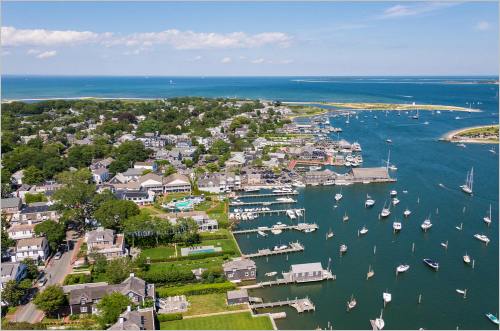 An image from Martha’s Vineyard Massachusetts
.
.
Click the link below for images:
.
__________________________________________
May 3, 2022
Mohenjo
Business, Food For Thought, Human Interest, Science, Technical
amazon, business, Business News, current-events, Future, Hotels, human-rights, medicine, mental-health, research, Science, Science News, technology, Technology News, travel, vacation

Click the link below the picture
.
If you’re of a certain vintage (i.e., old), you know that buying lightbulbs used to be a relatively simple process: You noted the wattage that you needed and you bought more of the same. A 40-watt bulb produced dimmer light than a 100-watt bulb. Easy! Sure, there were always more exotic bulbs out there—halogen bulbs for that weird floor lamp you accidentally bought after college graduation, those tiny bulbs inside the kitchen appliances you swore you would replace for years before finally simply replacing the appliance itself because it was easier—but for the basic task of lighting the rooms in your house, it was a pretty simple process.
Today, things are much more complicated. As usual, this is because technology has advanced. Not only are lightbulbs more energy-efficient and long-lasting, but they also offer a wider range of brightness, warmth, and aesthetics. This has made it possible to fine-tune the lighting in your home, but that also means buying lightbulbs has become a pretty fraught activity. Even the lightbulb section in your local supermarket is now crowded with what seem like exotic choices, and the old-fashioned watt system is no longer as meaningful as it was.
The good news? It’s still a pretty simple process to choose the right bulb for the right purpose. Here’s all you need to know to understand modern light bulbs.
.
 Photo: l i g h t p o e t (Shutterstock)
.
.
Click the link below for the article:
.
__________________________________________
May 3, 2022
Mohenjo
Business, Food For Thought, Human Interest, Medical, Political, Science, Technical
amazon, business, Business News, current-events, Future, Hotels, human-rights, medicine, mental-health, research, Science, Science News, technology, Technology News, travel, vacation

Click the link below the picture
.
In the backroom of an old and graying building in the northernmost region of New Zealand, one of the most advanced computers for artificial intelligence is helping to redefine the technology’s future.
Te Hiku Media, a nonprofit Māori radio station run by life partners Peter-Lucas Jones and Keoni Mahelona, bought the machine at a 50% discount to train its own algorithms for natural-language processing. It’s now a central part of the pair’s dream to revitalize the Māori language while keeping control of their community’s data.
Mahelona, a native Hawaiian who settled in New Zealand after falling in love with the country, chuckles at the irony of the situation. “The computer is just sitting on a rack in Kaitaia, of all places—a derelict rural town with high poverty and a large Indigenous population. I guess we’re a bit under the radar,” he says.
.
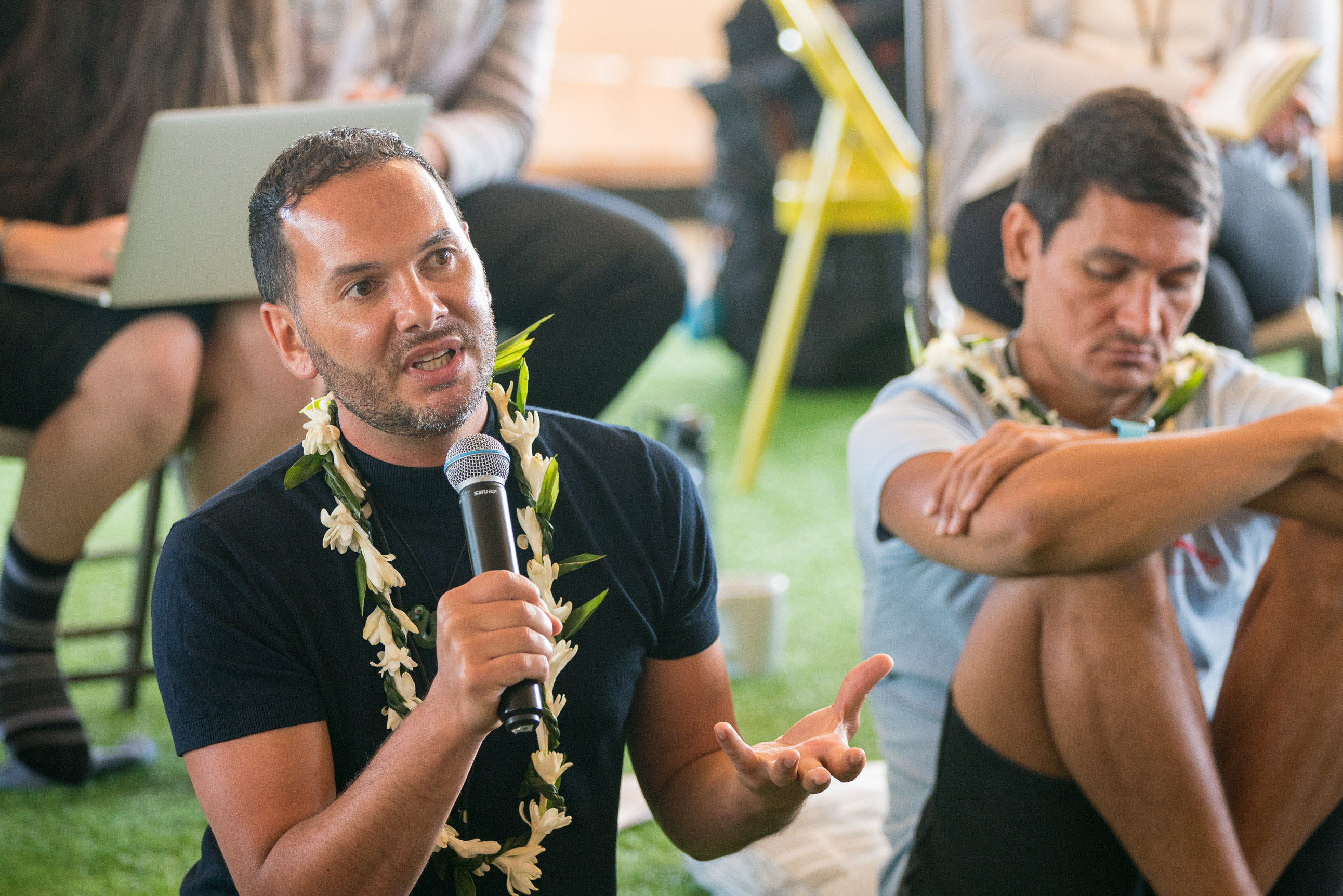 Peter-Lucas Jones (left) and Keoni Mahelona (right) attend an Indigenous AI workshop in 2019. COURTESY PHOTO
.
.
Click the link below for the article:
.
__________________________________________
Older Entries
Newer Entries

