Home

New York Times Wins 3 Pulitzer Prizes

Leave a comment

Click the link below the picture

.

The New York Times won three Pulitzer Prize awards on Monday, including for an investigation into how President Trump is profiting from his deal-making, and news photography documenting starvation and destruction in Gaza. The Times also won for opinion writing, for columns by M. Gessen analyzing the rise of authoritarianism.

The Athletic, the sports site owned by The New York Times Company, won in the audio category for the podcast “Pablo Torre Finds Out.” The podcast is produced by Meadowlark Media and licensed by The Athletic.

Reuters and The Washington Post each won two awards. The Post won the prestigious public service prize for its exhaustive coverage of the Trump administration’s overhaul of federal agencies, including the extent of job and funding cuts and how they were reshaping the country.

The Pulitzer Prizes, which were first awarded in 1917, are given out annually by Columbia University for excellence in journalism, literature, and the arts. The journalism winners are decided by juries from a pool of more than a thousand entries.

The breaking news reporting prize went to the staff of The Minnesota Star Tribune for coverage of a shooting at Annunciation Catholic Church in Minneapolis that left two children dead and injured many more.

The staff of The Times won for investigative reporting for articles that revealed the extent to which Mr. Trump and his inner circle were enriching themselves through national security dealings.

The explanatory reporting award was given to Susie Neilson, Megan Fan Munce, and Sara DiNatale of The San Francisco Chronicle for “Burned,” a series that uncovered the faulty algorithms, used by insurers, that devastated Californians who lost their homes to wildfires.

The Pulitzers reintroduced the beat reporting category this year after 20 years. Jeff Horwitz and Engen Tham of Reuters received the award for their reporting that showed how Meta tolerated ads for scams and banned products to protect its revenue. Reuters was also awarded the prize for national reporting. The staff members involved, including Ned Parker, Linda So, Peter Eisler, and Mike Spector, examined how the president expanded his executive power and sought retribution against his political enemies.

Another new category this year was opinion writing, instead of the previous editorial writing and commentary categories. M. Gessen of The Times was given the award for a collection of reported essays that mixed history and the author’s personal experience in their native Russia to examine the actions of the Trump administration.

The local reporting prize went to two winners. The staff of The Chicago Tribune was recognized for coverage of Immigration and Customs Enforcement’s immigration sweep throughout the city. And Dave Altimari and Ginny Monk of The Connecticut Mirror, along with Sophie Chou and Haru Coryne of ProPublica, were recognized for a series that showed how Connecticut’s towing laws have led to abuses by towing companies against drivers.

Dake Kang, Garance Burke, Byron Tau, Aniruddha Ghosal, and Yael Grauer of The Associated Press were given the international reporting prize for an investigation that showed how governments around the world are using American-made surveillance technology for mass surveillance.

The feature writing prize went to Aaron Parsley of Texas Monthly for his personal account of surviving the Central Texas floods in July that destroyed his home and took the life of his nephew.

Mark Lamster of The Dallas Morning News was awarded the criticism prize for his architecture criticism, which the Pulitzer Prize Board said used “wit and expertise to amplify his opinions and advocate for city residents.”

The illustrated reporting and commentary prize went to Anand RK, Suparna Sharma, and Natalie Obiko Pearson of Bloomberg for “trAPPed,” a graphic novel that showed how digital scams are targeting wealthy Indians using the threat of arrests and forcing them to comply with bizarre conditions.

.

https://static01.nyt.com/images/2026/05/04/multimedia/04biz-pulitzer-saher-sub-mplf/04biz-pulitzer-saher-sub-mplf-superJumbo.jpg?quality=75&auto=webpA photo that was part of the Pulitzer Prize-winning entry by Saher Alghorra, a contributor to The New York Times, in the breaking news photo category. It showed a child wounded in Gaza City being transferred to a hospital in April last year. Credit…Saher Alghorra for The New York Times

.

.

Click the link below for the complete article:

https://www.nytimes.com

.

__________________________________________

What happened after the fall of Rome? Ancient genomes offer new clues

Leave a comment

Click the link below the picture

.

When the Western Roman Empire fell in the fifth century C.E., Europe was plunged into chaos as barbarian Germanic forces advanced south—or so the story goes. But a new study shows that some communities on the continent actually coalesced, becoming more cosmopolitan and diverse.

“Traditionally, the whole story … was seen as a clash of civilizations between Germanic hordes in the north and the Roman Empire in the south,” says Joachim Burger, an anthropologist and a population geneticist at Johannes Gutenberg University Mainz in Germany. But Burger and his colleagues have shown otherwise: in a new study published today in Nature, they found that “it’s actually more a story of peaceful integration,” he says.

The researchers analyzed human remains at various grave sites in Germany and determined that two genetically distinct groups of people—a settlement of ancient Roman soldiers and a neighboring group of people of northern European descent—intermarried and developed a shared culture, including a common burial method, after the fall of Rome in C.E. 476.

The researchers analyzed 258 ancient genomes collected from grave sites on the Roman Empire’s border in what is now southern Germany that dated to between C.E. 400 and 660. They compared these with a reference set of other ancient and modern genomes and revealed that former Roman soldiers, who carried with them a mix of DNA from Italy, southeastern Europe, and the Balkans, traveled to villages on the empire’s frontier where people with DNA from areas such as what are now northern Germany, Denmark, and the Netherlands lived. The oldest genomes from the burial sites suggest that these two groups didn’t mix much before the fall of Rome. But after that time, they did, with intermixed families being buried together.

These later burials are called row-grave cemeteries because the graves were perfectly parallel to one another. This practice started among communities with northern ancestry but became the norm after the two communities came together. The grave sites also include features that suggest a strong emphasis on monogamy and the nuclear family. And the researchers say these practices, such as kin being entombed together, likely came from Roman culture.

“At the time, this is a quite unique and new pattern that was developed in late Roman society and even codified in laws,” Burger says. “But now we see it … in an early medieval, presumably Germanic society. So late antiquity isn’t actually finished; it’s just transforming into a new, less urban and more agricultural society.”

“It was really a tight kin group,” says Toomas Kivisild, a professor of human evolutionary genetics at the Catholic University of Leuven (KU Leuven) in Belgium, who was not involved in the study. Other post-Roman communities in Europe, such as in England, do not show such closeness among families, he says. “The kinship intensity in those cemeteries is far less intense compared to [these new findings].”

.

The skull of an early medieval woman, still resting in her grave and adorned with a necklace of beads. © Kreisarchäologie Landshut/Richter

.

.

Click the link below for the complete article:

https://www.scientificamerican.com/article/what-happened-after-the-fall-of-rome-ancient-genomes-offer-new-clues/

.

__________________________________________
Why Founders Need to Build Trust Before They Can Monetize Attention

Leave a comment

Click the link below the picture

.

A concise founder-focused article arguing that while attention and virality can be engineered, long-term business value comes from protecting audience trust through disciplined monetization decisions and a clear “Trust Stack” filter.

Key Takeaways

  • We live in an era where going viral is often a repeatable process rather than a random stroke of luck.
  • Engineered attention can grow your audience fast, but one bad monetization decision can permanently destroy the trust that makes it valuable.

Generating attention is no longer a dark art. It is a highly predictable engineering problem. Between algorithmic hooks, short-form video mechanics, and optimized content funnels, fast-growing founders and operator-led brands can manufacture reach at an unprecedented scale.

We live in an era where going viral is often a repeatable process rather than a random stroke of luck. But while attention can be engineered with the right playbook, trust cannot. For founders building a sustainable business, confusing these two distinct assets is a fatal commercial mistake.

The monetization trap

The moment a founder, creator or operator achieves real scale, whether that means tens of thousands of dedicated newsletter subscribers or hundreds of millions of video views across platforms, the monetization pressure begins. The inbox inevitably fills with partnership offers, sponsorship deals, and affiliate opportunities. On paper, these deals look like pure margin. They offer immediate, high-yield cash flow for simply inserting a pre-roll ad, posting a link or sending a dedicated email.

In reality, many of these offers are highly toxic loans taken directly against your brand’s equity. As the audience’s value grows, the inbound offers become increasingly aggressive. They often rely on fake urgency, manufactured authority, or opaque value propositions designed to separate your followers from their capital as quickly as possible. For founders, the real business choice is rarely about whether they should monetize, but how they can do so without creating irreversible reputational damage.

The cost of manufactured virality

This tension is particularly visible in high-stakes, high-reward niches like finance and fintech, where the cost of bad advice is devastating. Consider the trajectory of Ivan Patriki, a fintech marketing expert, founder of Amora Media, and co-founder and growth operator at QuantMap. Patriki sits at the exact intersection of attention economics, creator growth, and monetization pressure. Having built a large finance audience and generated hundreds of millions of views, he understands intimately that modern virality is deliberately engineered. He has seen exactly how creator funnels in the finance space are built, moving audiences systematically from short-form discovery to long-form authority, and finally into high-ticket conversion funnels.

But Patriki also saw firsthand what happens when that engineered attention reaches critical mass. The inbound monetization opportunities he received often included dubious financial offers, aggressive trading platforms, and products that relied on fake “live” selling environments or manufactured scarcity. The upfront payout for promoting these products is notoriously high, but the cost is entirely borne by the creator’s credibility.

Instead of renting out his audience to the highest bidder for a quick cash injection, Patriki leveraged his understanding of market data and audience needs to co-found QuantMap, a platform backed by decades of market data and long-range historical testing. By building a product that actually served his audience’s need for institutional-grade analytics, he protected his most valuable asset: his trust.

Reputational debt is a commercial liability

Patriki’s experience highlights a critical lesson for any founder or operator-led brand navigating the modern digital landscape. Trust is not a soft, intangible concept reserved for public relations statements; it is a hard, measurable commercial asset. When you endorse a bad partner, promote a misaligned offer, or push a leaky funnel, you might secure a short-term revenue spike. But you also accumulate what is known as reputational debt.

This debt manifests in your business metrics in very real, painful ways: lower future conversion quality, weaker repeat customer rates, a drastic drop in organic referrals, and a deeply skeptical audience that requires higher and higher incentives to take action.

Once an audience learns that a founder views them merely as extraction targets rather than a community to serve, the dynamic changes permanently. Your Customer Acquisition Cost (CAC) skyrockets because your organic reach no longer converts, and your Lifetime Value (LTV) plummets because nobody buys from you twice. Brand recovery in the digital age is incredibly expensive, and in many cases, it is entirely impossible. The internet has a long memory, and a burned audience rarely returns.

The trust stack: A founder’s decision filter

To avoid this trap, fast-growing founders need a rigorous, objective decision filter before they attempt to monetize their attention. Before accepting a sponsorship, launching a partnership, or pushing a new product to your audience, you must evaluate whether the offer strengthens your authority or quietly rents it out. Founders should run every commercial opportunity through a framework we can call the “Trust Stack”:

  • Product Clarity and Audience Fit: Is the value proposition immediately clear, or does it rely on obfuscation, complex jargon, and hype? If you cannot explain exactly how the product works, how it makes money, and why your specific audience needs it in one simple sentence, it does not belong on your platform.
  • Incentive Transparency: Are the risks, fees, and incentives out in the open? In sectors like fintech, software or health, hidden fees or unstated risks destroy credibility instantly. If a partner asks you to obscure the terms and conditions or downplay the risks, you must walk away.
  • Operator Credibility and Compliance: Who is actually behind the offer? Are they operating in a regulated jurisdiction with clear compliance standards, or are they hiding behind offshore entities and anonymous holding companies? You are lending them your face and your reputation; you need to know exactly whose business you are legitimizing.
  • User Recourse: If something goes wrong (if the product fails, the software crashes, or the service severely underdelivers), what is the recourse for the user? If your audience gets burned, they will not blame the faceless sponsor or the third-party vendor; they will blame the founder who told them to buy it.
  • Reputation Survivability: This is the ultimate stress test. Fast-forward twelve months into the future. If this product, company, or platform collapses publicly in a scandal, will your personal brand and business survive the association? If the answer is no, or even a hesitant maybe, the short-term payout is simply not worth the existential risk to your company.

Long-term authority over short-term extraction

We operate in a highly saturated ecosystem where attention is increasingly commoditized. Anyone with the right playbook, enough capital, or a clever algorithm hack can buy or manufacture their way to a million impressions. But converting those fleeting impressions into a sustainable, high-margin, long-term business requires an audience that fundamentally believes what you say.

Founders must stop viewing their audience as a natural resource to be aggressively mined and start treating them as partners in a long-term ecosystem. A bad monetization strategy is a silent killer; it quietly rents out your hard-earned trust until there is nothing left to sell. By applying a strict trust filter to every commercial decision, founders ensure that every dollar they make today actively strengthens their authority for tomorrow.

.

  The Need to Build Trust

.

.

Click the link below for the complete article:

https://www.entrepreneur.com/growing-a-business/attention-is-cheap-heres-why-trust-is-the-real-currency/504113

.

__________________________________________

Trump Faces the Complicated Reality of a Costly, Unpopular War in Iran

Leave a comment

Click the link below the picture

.

Two months into the war in Iran, President Trump is confronting the complicated reality of a conflict that has proved costly, deeply unpopular, and lacks a clear endgame.

Energy markets are in turmoil. The Pentagon has given its first public estimate of the war’s cost: $25 billion so far. Key Republicans in Congress are growing impatient. And Mr. Trump is lashing out at foreign allies, like Germany, who have shown no interest in joining the fight.

Speaking to a crowd of supporters on Friday, Mr. Trump insisted he had no regrets.

“I did something that was, I don’t know, foolish, brave, but it was smart,” Mr. Trump said at The Villages, a retirement community in a solidly Republican area. “I would do it again.”

Still, Mr. Trump’s predictions of a relatively short-term conflict with minimal economic consequences appear to be crumbling around him.

Mr. Trump has repeatedly defended the war, which he launched alongside Israel on Feb. 28, and said it is imperative that Iran never has a nuclear weapon. The United States and Israel have taken out military targets and killed senior Iranian leaders — including the Supreme Leader — but the government there remains intact and able to inflict pain on the United States.

As the conflict continues, Mr. Trump has encouraged Americans to keep things “in perspective,” citing the long wars in Vietnam and Iraq to suggest that U.S. involvement in Iran is “not very long at all.”

Just three weeks ago, Mr. Trump said Iran had agreed to all of his demands, and he suggested a breakthrough was near. Iran would work with the United States to remove its enriched uranium, energy prices would drop, and a growing global crisis with potential severe political ramifications would subside.

None of that happened.

Mr. Trump has issued mixed messages about the future of the war, arguing that Iran wanted to make a deal while also saying that the leadership in Tehran was so “disjointed” that it was hard to tell who was calling the shots. He also said it’s not worth having his envoys travel 18 hours on a plane to negotiate a deal that might not come together.

And on Friday, after saying he was not satisfied with Iran’s latest proposal to reopen the Strait of Hormuz, Mr. Trump said, “frankly, maybe we’re better off not making a deal at all. Do you want to know the truth? Because we can’t let this thing go on.”

On Saturday, he appeared to double down, saying on social media that he was reviewing Iran’s latest proposal, though he couldn’t “imagine that it would be acceptable.”

Mr. Trump has said his model for Iran was the U.S. operation in Venezuela in January, when U.S. forces toppled Nicolás Maduro. But the two scenarios are very different. In Venezuela, only Mr. Maduro was ousted, while much of the rest of the government remained in place and was willing to work with the Trump administration. That is not the case in Iran, in part because Iran’s leadership oversees extensive military capabilities.

For the moment, the two sides appear to be locked in a test of wills. Washington has maintained a blockade on Iranian shipping as Iranians have refused to accede to his demands to turn over enriched uranium. Mr. Trump on Friday described the U.S. Navy as acting like “pirates” as he celebrated the takeover of one of Iran’s cargo ships. On Saturday, a senior Iranian general said that renewed confrontation between Iran and the United States was possible, according to a report from the Fars news agency.

Mr. Trump has also acknowledged that military strikes might start up again. He told reporters in Florida on Saturday that a resumption of military strikes in Iran is a possibility, though he wouldn’t give details. “But you know, it’s a possibility that could happen,” he said.

The Strait of Hormuz is expected to remain effectively closed for weeks, raising the prospect of prolonged high energy prices. Despite Mr. Trump’s claims of gas prices dropping soon, Secretary of Energy Chris Wright acknowledged last month they could remain elevated for the rest of the year.

The closure of the strait also complicates Mr. Trump’s high-stakes trip to China in two weeks. President Xi Jinping has demanded the United States reopen the waterway through which China imports about a third of its oil and gas.

The war has deepened Mr. Trump’s fissures with global allies. After German Chancellor Friedrich Merz said Mr. Trump was being “humiliated” over the war with Iran, Mr. Trump lashed out at the leader, and his administration announced it would withdraw thousands of troops from Germany. He suggested he might do the same for Italy and Spain, which have both distanced themselves from the war.

The president has declined to ask Congress for permission to continue the war, despite passing the 60-day statutory deadline to do so on Friday. The administration has argued it does not need such approval because the cease-fire essentially stopped the clock.

Just hours after letters were sent to Congress making that case, the president undercut his own argument.

“You know we’re in a war,” Mr. Trump said in Florida. “Because I think you would agree we cannot let lunatics have a nuclear weapon.”

Some Republicans balked at the stopped-clock argument as concerns increase over the cost of the war, just six months from midterm elections in which Republicans are expected to suffer losses. Earlier this week, Pentagon officials said the war had so far cost $25 billion — roughly the cost of expanding Obamacare subsidies that were at the center of the extended government shutdown last year.

Mr. Trump has responded by repeating over and over again — including at a state dinner with the royal family and in a speech about tax cuts in Florida — that the war is worth any surge in gas prices if it means shutting down Iran’s nuclear capabilities.

Most polls, however, have shown the war to be unpopular among Americans.

Matthew Bartlett, a Republican strategist and former State Department official who worked in the first Trump administration, said the inconsistent messaging will likely not satisfy voters.

“The messaging has been more than a mess,” Mr. Bartlett said. “It’s worth noting this week the political, economic, and even diplomatic aspects continue to get worse. The trajectory was down across the board, and that is not a good thing as we dive into another week and even month of war.”

.

https://static01.nyt.com/images/2026/05/03/multimedia/03dc-trump-iran-qbhw/03dc-trump-iran-qbhw-superJumbo.jpg?quality=75&auto=webp

.

.

Click the link below for the complete article:

https://www.nytimes.com

.

__________________________________________

What’s faster than light? Darkness

4 Comments

Click the link below the picture

.

The speed of light in a vacuum has been known as both a universal constant and a hard speed limit for all matter in the universe ever since Albert Einstein published his special theory of relativity in 1905. Rules, however, are made to be broken. And an international team of physicists appears to have found just such a loophole: the only thing that goes faster than light, it turns out, is darkness.

More specifically, individual dark spots known as optical vortices, or phase singularities, do so. As a light wave travels through space, it oscillates and twists—at the center of that twist, the peaks and troughs of the light wave cancel each other out, creating dark spots that—under certain conditions—outrun the light wave itself. The research was conducted by Technion–Israel Institute of Technology physicist Ido Kaminer and his colleagues.

“Our discovery reveals universal laws of nature shared by all types of waves, from sound waves and fluid flows to complex systems such as superconductors,” Kaminer said in a statement. The discovery confirms a prediction dating to the 1970s. Importantly, these vortices don’t carry mass, energy, or information, so they don’t violate Einstein’s rules, according to the researchers. “Phase singularities do not carry energy or information and thus can ‘move’ superluminally without breaking causality,” the physicists wrote in their study, which was published last month in Nature.

To make their discovery, the researchers constructed a unique microscope system that let them observe optical vortices in hexagonal boron nitride, a two-dimensional form of ceramic that can be used to convert light into quasiparticles that are a mixture of light and matter called polaritons. Polaritons move relatively sluggishly—around 100 times slower than the speed of light. With that speed, the team was able to observe how oppositely charged singularities approached each other and accelerated each other to superluminal, or faster-than-light, speeds before they were annihilated.

The technique used to measure the singularities’ velocity could open the door to studying other tiny, fast phenomena in physics, chemistry, and biology—or perhaps to find new ways to encode quantum information in materials, according to the researchers.

“We believe these innovative microscopy techniques will enable the study of hidden processes in physics, chemistry, and biology, revealing for the first time how nature behaves in its fastest and most elusive moments,” Kaminer said.

.

https://static.scientificamerican.com/dam/asset/e8b4a4a2-487e-40ce-b250-b77e285de312/Spinning-lights.jpg?m=1777496469.651&w=900MirageC/Getty Images

.

.

Click the link below for the complete article:

https://www.scientificamerican.com/article/whats-faster-than-light-darkness/

.

__________________________________________

Why Americans Are Suddenly Going Out to Eat Again

Leave a comment

From

Click the link below the picture

.

Diners who had been skipping sit-down meals returned first, fueling triple-digit spending gains at casual chains.

Key Points

  • Tax refunds are giving Americans a short-term boost in dining out, with restaurant spending jumping 53% in the two weeks after refunds were deposited, according to Chime data.
  • Full-service restaurants are seeing the biggest gains, as diners use refunds to return to sit-down meals they had been skipping due to rising costs.
  • While grocery spending also increased, much of it went toward restocking essentials, highlighting how refunds briefly ease budget pressures.

The cost of eating out has climbed faster than grocery prices for three straight years, with full-service restaurant prices rising another 0.3% in March, according to the Bureau of Labor Statistics  More than 70% of consumers would dine out more often if they had more disposable income, the National Restaurant Association’s 2026 State of the Restaurant Industry report found — but for most Americans, that extra room simply hasn’t been there.

Tax refund season changed that, at least temporarily. Chime, a financial services app that tracked spending among members who filed taxes through its platform, found that overall spending jumped 85% in the two weeks after refunds were deposited, with restaurant spending rising 53% in that same window.

The analysis covered 148,000 members who deposited their refunds through the app and made 15 or more purchases per month in the four months before and after filing. The surge came after members had already set aside a portion in savings, meaning the jump reflects people choosing to eat out, not just spending because the money was there.

The refunds arriving this season are also larger than in recent years. The average refund reached $3,462 in 2026, up more than 11% from the same point last year, according to the IRS’s filing season update on April 3. For many lower- and middle-income families, that check is the largest single deposit of the year, and a significant share of it went to a restaurant table.

Janelle Sallenave, Chime’s chief operating officer, notes that members came into tax season ready to act. “More than half of those using the in-app tool filed in January and February,” Sallenave says. “Members were deliberate with their refunds, both increasing their spending and also setting aside a portion for savings. On the savings side, we see about a quarter of the refund moved to savings accounts on average, and balances remained up nearly 50% several months later.”

Diners splurge on sit-down meals after tax refunds


Diners who had been skipping sit-down meals returned to full-service restaurants first once refunds were in hand. Spending climbed 183% at Chili’s, 127% at Texas Roadhouse, and 80% at Buffalo Wild Wings. McDonald’s saw a 36% increase, which is meaningful but well below what the sit-down chains recorded. Diners have been heading back to chain steakhouses like Texas Roadhouse steadily since mid-2024, drawn by meals that feel worth the spend even when budgets are tight. For people who had been choosing between cooking at home and grabbing something quick, the refund was enough to bring them back to the kind of meal they’d been putting off.

More people were walking into restaurants in February than at any point in the previous nine months, according to the National Restaurant Association’s Restaurant Performance Index. The timing lines up with early refund deposits, though whether those diners keep coming back once the money works its way through is another question.

Shoppers restocked groceries, but spending stayed modest


Shoppers who had been paring down their grocery lists for months used the refund to add back what they’d dropped. Spending at Kroger, Safeway, Publix, and Food Lion generally rose by less than 60%, while growing by closer to 115% each at Walmart and Target. At traditional grocers, people were restocking essentials like meat, dairy, and cereals — categories where the Bureau of Labor Statistics reported falling prices in March. At Walmart and Target, they were buying across the store, picking up household items and other things that had been kept off the list because budgets were stretched.

Refund-fueled spending may already be slowing


Tax Day falls on April 15, and the IRS has issued 69.8 million refunds as of early April, with more still processing. Restaurant prices haven’t come down, and the pressure that kept diners away from sit-down meals for most of last year hasn’t eased. The refund gave Americans a few weeks to eat the way they wanted to, not the way they had to — and for most, that window may already be closing again.

.

https://www.foodandwine.com/thmb/Gc6DNdRE0ptymu93J4Pg4t3czew=/750x0/filters:no_upscale():max_bytes(150000):strip_icc()/How-Where-Americans-Spending-Tax-Refund-FT-DGTL0426-d584638b8f5744ca8c6eb547c1cc9ba8.jpgCredit: Jurij Pliatsushok / Getty Images

.

.

Click the link below for the complete article:

https://www.foodandwine.com/tax-refund-spending-restaurant-dining-surge-11950124

.

__________________________________________

Abortion Providers Forced to Adapt After Court Blocks Pill Access by Mail

Leave a comment

Click the link below the picture

.

The Fifth Circuit court’s ruling, which is being appealed, reinstates a requirement that patients visit a health care provider in person to obtain mifepristone, upending abortion access in the United States.

More than a hundred reproductive health physicians were gathered in Washington, D.C., on Friday afternoon, listening to an update on the shifting legal landscape of reproductive health care.

The presentation was delivered by Molly Meegan, the chief legal officer of the American College of Obstetricians and Gynecologists, who had no idea that another ruling on the abortion pill mifepristone had arrived as she spoke, temporarily blocking the drug’s prescription by telemedicine and delivery by mail.

“This is not a ruling based in evidence, science, or best interests of women,” she said, after learning of the decision by a panel of the U.S. Court of Appeals for the Fifth Circuit.

The order is already being challenged, but if the Supreme Court lets it stand, it would upend access to a means of abortion that has been steadily growing in recent years. The ruling has also thrust abortion into the national spotlight in advance of the midterm elections, as organizations that provide and support abortion services and those that oppose abortions unleashed a flurry of responses.

“This decision represents the most sweeping threat to abortion since the overturning of Roe v. Wade,” said Kelly Baden, vice president for public policy at the Guttmacher Institute, a research organization that supports abortion rights. “If allowed to stand, it would severely restrict access to mifepristone in every state, including those where abortion is broadly legal and where voters have acted to protect abortion rights.”

Louisiana, which has a near-total ban on abortion, went to court to stop distribution of the drug by mail. The appeals court said that while that lawsuit proceeded, the Food and Drug Administration needed to reinstate a requirement that patients visit medical providers in person to obtain mifepristone.

A mifepristone manufacturer filed an emergency appeal to the Supreme Court on Saturday, asking it to restore full access to mifepristone. A second mifepristone maker said it would file a similar appeal. The Trump administration has so far declined to comment on the ruling or what steps it might take.

Anti-abortion groups celebrated the ruling. Marjorie Dannenfelser, president of Susan B. Anthony Pro-Life America, called the court’s decision “a huge victory for victims and survivors of Biden’s reckless mail-order abortion drug regime.”

Carol Tobias, president of National Right to Life, said in a news release that the ruling “recognizes that the FDA cannot simply sweep legitimate safety concerns aside in favor of politics.”

Abortion opponents have argued that the F.D.A.’s decision to allow abortion pills to be available by mail posed safety risks to women and violated the sovereignty of states that had banned abortion. Major medical organizations and supporters of reproductive rights have pointed out that more than 100 studies have found the pills to be safe and effective, with serious side effects being rare.

Medication is now the method used in nearly two-thirds of abortions in the United States, and is typically delivered in the form of a two-drug regimen through the first 12 weeks of pregnancy.

The first of those drugs is mifepristone, which was approved in 2000, and blocks a hormone needed for a pregnancy to develop. The second drug, misoprostol, has many other medical uses and was not affected by the Fifth Circuit ruling.

Typically, misoprostol, which causes contractions similar to a miscarriage, is taken 24 to 48 hours after mifepristone. But several providers said they were prepared to continue telemedicine services, prescribing only misoprostol, which can be used on its own for abortion, although it is considered somewhat less effective and more likely to have side effects.

Earlier on the day of the ruling, Planned Parenthood of Greater New York had announced an expansion of its telemedicine abortion service. After the Fifth Circuit decision, the organization said it would continue to provide telehealth abortion with misoprostol.

“In the wake of yesterday’s harmful decision by the Fifth Circuit, Planned Parenthood Direct is mailing misoprostol-only prescription kits,” said Jacquelyn Marrero, a spokesperson for Planned Parenthood of Greater New York.

Telemedicine abortion has steadily increased since the F.D.A. began allowing it in 2021. As of the first six months of 2025, more than one-fourth of abortions in the country were provided via telemedicine, according to a report from a reproductive rights research group.

Although abortion is currently banned or restricted in 20 states, over 100,000 patients per year in those states have been receiving pills through the mail. Those pills are prescribed and shipped by medical practitioners in states that have abortion shield laws. Officials in those shield-law states are prevented from obeying subpoenas, extradition requests and other legal actions that states with bans take against abortion providers.

The laws are being tested by several cases that are expected to lead to a constitutional showdown over whether states must honor one another’s abortion laws. Some abortion providers said they had anticipated the Fifth Circuit’s ruling, given the court’s conservative leanings, and many had already developed contingency plans.

Julie Burkhart, who runs Wyoming’s only abortion clinic, said that the Fifth Circuit’s ruling was “devastating, but it’s not surprising.” Ms. Burkhart said her clinic had temporarily suspended telehealth medication abortion appointments in response to the decision, but hoped to quickly reopen them.

“We’re trying to move very quickly to get something into place so we can have that continuity of care, but we want to be also thoughtful and intentional, so that we are giving the best possible care to our patients,” she said.

Dr. Angel Foster, co-founder of The Massachusetts Medication Abortion Access Project, which operates under that state’s shield law, said in a statement that her organization was consulting legal experts about the ruling’s implications and that the group would “do everything in our power to continue providing care to people in all 50 states.”

Dr. Jodi Abbott, a specialist in high-risk pregnancies who is a consultant to the Massachusetts project, said that, like some other providers, the organization would shift to prescribing and mailing only misoprostol for abortions. “We have no concerns about its safety or efficacy,” Dr. Abbott, who is also a clinical professor at Boston University, said of using misoprostol alone. “But we also know it’s not optimal.”

.

https://static01.nyt.com/images/2026/05/02/multimedia/02nat-abortion-pill-wfcp/02nat-abortion-pill-wfcp-jumbo.jpg?quality=75&auto=webpIf the court’s temporary ruling stands, patients would have to make an in-person visit to obtain the abortion pill mifepristone. Credit…Hannah Yoon for The New York Times

.

.

Click the link below for the complete article:

https://www.nytimes.com/2026/05/02/us/abortion-pill-mifepristone-5th-circuit-court-ruling.html

.

__________________________________________

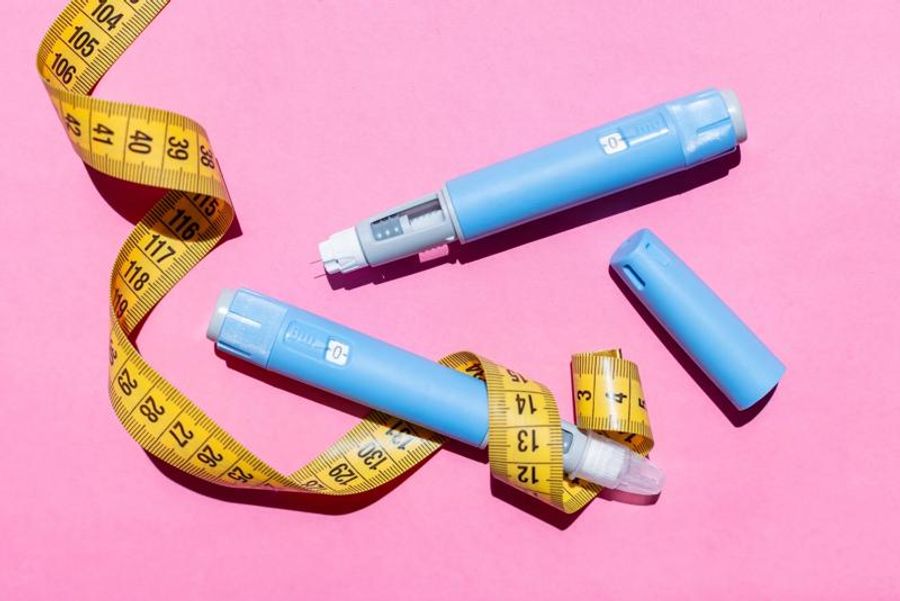
Ozempic’s greatest benefit might be its anti-inflammatory power

Leave a comment

Click the link below the picture

.

Ozempic, Zepbound, and other glucagonlike peptide 1 (GLP-1) drugs have shown sweeping health benefits—they can control blood sugar, manage body weight, and improve heart health. And last year, GLP-1 drugs received U.S. Food and Drug Administration approval to treat kidney and liver disease.

Some scientists think these body-wide benefits are likely tied to the drugs’ weight-loss effects, but growing research suggests another factor may be at play: taming inflammation. To tease this out, researchers are trying to chart which anti-inflammatory pathways the drugs might activate. This could help them better understand what’s been seen clinically and open the door to GLP-1 treatments for a variety of inflammatory diseases, says Daniel Drucker, an endocrinologist at the University of Toronto, who is studying GLP-1 drugs’ widespread effects.

“Yes, weight loss is important, but it’s by no means the whole story,” he says. “We have patients [taking GLP-1s] who are telling us, ‘Wow, my arthritis is better,’ ‘My Crohn’s or colitis is better,’ and that motivates us to say, ‘Well, how is that happening?’”

When a healthy immune system kicks into gear, it boosts inflammation to help fight off threats, such as bacteria or viruses. But research has shown that several metabolic and heart diseases impair the immune system’s ability to moderate inflammation, causing harmful levels of inflammation in response to high cholesterol, fat, or glucose.

“The immune system gets ramped up where it shouldn’t,” says Marc Bonaca, a cardiologist and vascular medicine specialist at the University of Colorado Anschutz. Treatments that suppress the immune system can help lower chronic inflammation. But there’s a trade-off: dampening the immune system weakens its ability to tackle real infections.

Clinical trials and real-world data suggest that GLP-1s may be able to strike this balance, Bonaca says. Studies have shown that semaglutide (the active ingredient in Ozempic) leads to about a 40 percent reduction in the inflammation blood marker C-reactive protein—independent of weight loss. Other analyses suggest that GLP-1 drugs lower the risk of infections. Combined, this evidence suggests the drugs may be “calibrating or resetting the immune system in a way, not just suppressing it,” Bonaca says.

The receptors for GLP-1—the main hormone that the drugs mimic—are found in the gut and in many other organs. This means GLP-1 drugs can bind to cells throughout the body. “The liver, the heart, the blood vessels, the kidney, and probably the brain as well—those are the major organs where we are pretty confident there’s a reduction of inflammation [from GLP-1 drugs],” Drucker says. This aligns with the list of conditions GLP-1 drugs have been approved to treat so far.

Most recently, Drucker’s team published a paper this month investigating cells of mice that were engineered to have a type of severe liver disease called metabolic dysfunction-associated steatohepatitis (MASH). Excess fat in the liver drives inflammation, which, over time, can lead to fibrosis—a severe scarring and stiffening of tissues. If the condition remains untreated, people can develop cirrhosis and require a liver transplant.

“Type 2 diabetes and obesity will [over time] contribute substantially to accumulating fat in the liver,” Drucker says. “So there’s no question that controlling blood sugar and losing weight are helpful. But very often that’s extremely difficult to do in people with metabolic liver disease, and diet and lifestyle modification alone has never been proven to substantially reverse the disease in a clinical trial.”

Semaglutide has been shown to help resolve MASH in human clinical trials, and the FDA approved the drug for that disease last year. Drucker’s team wanted to know if these clinical improvements were driven purely by weight loss or by lower inflammation as well.

GLP-1 receptors are expressed at very low levels in the liver, specifically in rare cells called liver sinusoidal endothelial cells. These specialized cells are part of the immune barrier between the gut and liver and “are intimately involved in tissue defense,” says Adnan Said, a gastroenterologist and liver transplant expert at the University of Wisconsin–Madison, who was not involved in the recent study.

By turning off genes that express GLP-1 receptors involved in weight loss outside of the liver, Drucker’s team demonstrated that activating liver sinusoidal endothelial cells with semaglutide independently improved liver disease in mice. When the drug bound to the GLP-1 receptors in this small subset of liver cells, they secreted proteins that turned on a half-dozen other cell types throughout the liver. Those proteins are linked to an array of regulatory actions, including fat synthesis, liver metabolism, immune function, and cell survival.

“All of the information that flows out of this subpopulation of liver cells ends up being very important for healing the liver—reducing the amount of fat that’s in the liver, reducing the amount of inflammation that’s in the liver, reducing the amount of fibrosis,” Drucker says. “It’s a very powerful, orchestrated system that’s directed by semaglutide.”

In the liver, the researchers also found GLP-1 receptors in immune cells called T cells, which could contribute some anti-inflammatory benefits, but their role couldn’t be confirmed in the study. While GLP-1 receptors are present in the same set of liver cells in humans, the mechanism will need to be verified through human tissue studies.

“This is preclinical work, and mice models may not replicate the GLP-1 pathways in [a] human liver,” Said says. Other weight-independent benefits of semaglutide, such as increased insulin sensitivity, may also be involved in the observed liver disease improvements, he says.

Still, the findings open compelling new avenues of investigation into how GLP-1 drugs’ anti-inflammatory effects may help with other conditions such as heart failure, sleep apnea, and chronic kidney disease, Said says.

Bonaca, who was not involved in the recent research, says the study aligns with observations he and other groups have made on GLP-1 treatments for cardiovascular conditions. He led a trial funded by Novo Nordisk (which makes and sells Ozempic) that tested semaglutide on peripheral artery disease—blockages in the large arteries of the legs that can cause severe cramping and mobility issues. Bonaca suspects that the walking improvements seen in trial participants who took semaglutide were likely from anti-inflammatory mechanisms in the vascular endothelial muscles.

“We see a unique therapeutic profile for these agents, and it’s really unrelated to weight loss,” he says. Bonaca adds that the insights from the new study on MASH reinforces the point. “These are vascular, anti-inflammatory drugs with broad benefits,” he says.

Drucker is interested in seeing similar molecular studies that could clarify anti-inflammatory pathways in other organs. Researchers are already investigating the drugs’ use for various chronic inflammatory diseases. Eli Lilly, the developer of the GLP-1 drugs Zepbound and Mounjaro, is currently running clinical trials on GLP-1 treatments for Chron’s disease, arthritis, and psoriasis.

There are limitations: how much GLP-1 drugs curb inflammation matters for different diseases. The anti-inflammatory properties might help with liver disease, for instance, but may have little or no effect in improving other conditions. “We’ll have to look at each disease one by one,” Drucker says. (Drucker has consulted and given talks for Eli Lilly and Novo Nordisk.)

As more evidence reveals the ways in which these drugs work beyond weight loss and blood sugar control, it could change how they are used and prescribed, he says.

The new evidence reflects “an evolution” in how scientists are thinking about GLP-1 drugs, Drucker says. “If your health is more complicated, then your health care provider needs to understand that achieving weight-loss thresholds is not the [clearest] way to think about the benefits of these medicines.”

.

https://static.scientificamerican.com/dam/asset/00315c31-195a-418d-9e0e-a1a337804dce/GettyImages-1344765624_liver.jpg?m=1777061465.448&w=900

Mohammed Haneefa Nizamudeen/Getty Images

.

.

Click the link below for the complete article:

https://www.scientificamerican.com/article/zepbounds-and-ozempics-greatest-benefit-may-be-their-anti-inflammatory-power/

.

__________________________________________

Trump approval rating so low on inflation he ‘broke the scale,’ pollster says

Leave a comment

Click the link below the picture

.

Data journalist and pollster G. Elliott Morris says that President Donald Trump’s approval rating on inflation is so low that he had to redo his graph to account for it.

Recent polling shows that the president faces historic disapproval on reducing the cost of living. A new Reuters/Ipsos poll has found that only 21 percent of Americans approve of his handling of inflation.

A poll from Fox News showed that he has only a 28 percent approval rating on inflation, while 72 percent of Americans disapprove of his handling of it. Meanwhile, the Associated Press-NORC Center for Public Affairs Research released a poll last month showing that his approval on the economy dropped from 38 percent in March to 30 percent in April.

Morris, who runs the polling aggregator 50plusOne, showed that the polling average for Trump’s approval rating on inflation and the cost of living is well below what he had set on his graph. His website shows as of the end of April, his approval rating on inflation is at negative 40.3 percent.

“Trump literally broke the scale of this graph on my data portal,” Morris tweeted.

Trump largely won the 2024 presidential election due to frustration from voters about the increased cost of living. But ever since returning to office, Trump has enacted an aggressive policy of imposing tariffs on foreign countries, causing prices to increase.

In addition, the war in Iran has caused the price of gas to skyrocket not just in the United States but around the world. Iran has largely responded to the Trump administration’s assault by closing off the Strait of Hormuz, through which 20 percent of the world’s oil supply passes.

There are few signs that inflation will abate. Last month, the Bureau of Labor Statistics released its survey showing that the Consumer Price Index rose 0.9 percent in March as the war in Iran began, and the report showed that prices rose 3.3 percent in the past year.

On Thursday, the Bureau of Economic Analysis released the latest Personal Consumption Expenditures index, a key inflation indicator used by the Federal Reserve to determine how to set interest rates.

The data showed that the number jumped to its highest level in three years, hitting 0.7 percent in March, 3.2 percent higher than it was a year ago. Bloomberg’s April survey of economists showed that economists expect the PCE index to increase 3.6 percent in the second

The price of gas also hit $4.23 a gallon, its highest since Russia invaded Ukraine.

All of this could spell dire news for Republicans ahead of the 2026 midterm election. Morris’s website shows that ahead of the midterm, Democrats a five-point lead on the generic ballot, which measures whether voters would prefer to vote for a generic Democrat versus a generic Republican to Congress.

Earlier this week, Federal Reserve Chairman Jerome Powell said in his last meeting as chairman that the central bank would keep interest rates steady amid concerns about inflation. Trump has tried to push Powell to reduce interest rates.

.

Trump broke the scale!

.

.

Click the link below for the complete article:

https://www.the-independent.com/news/world/americas/us-politics/trump-approval-rating-inflation-low-b2968888.html

.

__________________________________________

Since Congress Let Obamacare Subsidies Expire, Millions Are Dropping Coverage

2 Comments

Click the link below the picture

.

Millions of Americans appear to be dropping Obamacare coverage in the months since Congress failed to extend the generous subsidies that had become a defining feature of the Affordable Care Act.

Initial sign-ups had already fallen by about 1.2 million people. But insurance companies, state officials, and industry analysts are reporting that many more have lost Obamacare coverage now that people are facing long-term higher costs. The federal government has yet to report current enrollment data.

Many insurers and analysts are estimating overall declines of about 20 percent, dropping to around 19 million from the 24 million who were covered under the A.C.A. last year. Other indications suggest there could be even larger potential losses by the end of the year, a deep retrenchment for Obamacare coverage, and a reversal of significant gains in the last several years.

The rising cost of health care has shown up as a top concern among Americans in several public opinion polls. Premiums are rising for Americans who get insurance through work, too, as health care costs have been increasing nationwide. Out-of-pocket costs are growing, too, as plans with high deductibles have become popular.

Though health care has faded somewhat as a priority for the Republican-controlled Congress since lawmakers hit a stalemate over the subsidies at the end of 2025, it is likely to figure prominently in the midterm elections this year.

One analysis, by Wakely Consulting Group, a firm with access to detailed insurance industry data, estimates that coverage in the marketplaces will drop by as much as 26 percent this year compared with last year’s average enrollment.

In Georgia, where coverage had nearly tripled since Congress first authorized the extra financial help in 2021, state data show enrollment has fallen by more than a third, according to information obtained by the news organizations The Current GA and The Georgia Recorder.

The Georgia state insurance department did not respond to a request for comment.

Some Blue Cross plans lost 20 to 30 percent of customers this year. And many people are switching to plans with lower premiums but much higher out-of-pocket costs, said David Merritt, a spokesman for the Blue Cross Blue Shield Association. “We are waiting on official data like everyone else,” he said.

The insurers and state officials said early retirees with middle-class incomes, who faced the largest increases in premiums, appeared to be among the hardest hit. In some markets, the cost of insurance for this group rose by $1,000 a month or more.

In many states, around 10 percent of people who are still insured have chosen less generous coverage by picking so-called bronze plans, which carry deductibles as high as $10,600 a year.

The Trump administration has downplayed the losses. Officials at the Centers for Medicare and Medicaid Services, which oversees the marketplaces, have characterized the current enrollment as a success. “The marketplace remains strong and resilient, continuing to provide millions of Americans with access to high-quality, affordable health care coverage options,” said Chris Krepich, the agency’s director of communications.

In testimony before the House Committee on Education and the Workforce last month, Robert F. Kennedy, Jr., the nation’s health secretary, attributed the initial reductions to an administration crackdown on fraud.

Mr. Kennedy also emphasized the low cost of much of the insurance for most people who are buying it. He said 87 percent of people enrolled in Obamacare in January owed less than $96 a month, numbers contained in a federal report in March.

But a swath of Americans are paying much more. The escalating cost of insurance — and the expected coverage losses — was a major Democratic theme this winter, and Democratic lawmakers’ effort to extend the financing was a central demand during the record 43-day government shutdown.

Many consumers are still eligible for financial help to buy Obamacare. But additional money Congress authorized in 2021, which expired this year, lowered the costs for nearly all who bought their own insurance. The subsidies made insurance free for the lowest-income customers, and provided new assistance to those who earned more than around $63,000 a year.

The maps below show how costs of a typical plan have changed for people who now earn just too much to qualify for subsidies. The increase depends on customers’ age and where they live. The first map illustrates age 27 instead of a round number like 20 because many younger adults get coverage through their parents until age 26.


.

Older people who are medically high risk, but too young for Medicare, are facing unaffordable health insurance premiums after federal health care credits lapsed earlier this year. Now that the grace period has expired, some Americans are struggling to get the care they need. CreditCredit…Lauren-Pruitt/The New York Times

.

.

Click the link below for the complete article:

https://www.nytimes.com

.

__________________________________________

Older Entries Newer Entries

Joe Mullins Commissioner

CEO and president of The Mullins Companies

The Luttie Board

Two Cultures. One Life. Endless Stories

Charles Maxwell DeCook

Real Estate Development Specialist

MRS. T’S CORNER

https://www.tangietwoods

Amor Entre Estrellas

¡Bienvenido de vuelta viajero!

Heart of Loia `'.,°~

so looking to the sky ¡ will sing and from my heart to YOU ¡ bring...

Michael Ciullo

CEO and Founder of Nsight Health

Nelson MCBS

Catholic News, Prayers, HD Images, Rosary, Music, Videos, Holy Mass, Homily, Saints, Lyrics, Novenas, Retreats, Talks, Devotionals and Many More

Global geopolitics

Decoding Power. Defying Narratives.

Talk Photo

A creative collaboration introducing the art of nature and nature's art.

Movie Burner Entertainment

The Home Of Entertainment News, Reviews and Reactions

Le Notti di Agarthi

Hollow Earth Society

C r i s t i a n a' s Fine Arts ⛄️

•Whenever you are confronted with an opponent, conquer him with love.(Gandhi)

TradingClubsMan

Algotrader at TRADING-CLUBS.COM

Comedy FESTIVAL

Film and Writing Festival for Comedy. Showcasing best of comedy short films at the FEEDBACK Film Festival. Plus, showcasing best of comedy novels, short stories, poems, screenplays (TV, short, feature) at the festival performed by professional actors.

Bonnywood Manor

Peace. Tranquility. Insanity.

Warum ich Rad fahre

Take a ride on the wild side

Madame-Radio

Découvre des musiques prometteuses (principalement) dans la sphère musicale française.

Ir de Compras Online

No tiene que Ser una Pesadilla.

Kana's Chronicles

Life in Kana-text (er... CONtext)

Jam Writes

Where feelings meet metaphors and make questionable choices.

emotionalpeace

Finding hope and peace through writing, art, photography, and faith in Jesus.

...

love each other like you're the lyric to their music

Luca nel laboratorio di Dexter

Comprendere il mondo per cambiarlo.

Tales from a Mid-Lifer

Mid-Life Ponderings

Creative

Travel,Tourism, Life style "Now in hundreds of languages for you."

freedomdailywriting

I speak the honest truth. I share my honest opinions. I share my thoughts. A platform to grow and get surprised.

The Green Stars Project

User-generated ratings for ethical consumerism

Cherryl's Blog

Travel and Lifestyle Blog

Sogni e poesie di una donna qualunque

Questo è un piccolo angolo di poesie, canzoni, immagini, video che raccontano le nostre emozioni

My Awesome Blog

“Log your journey to success.” “Where goals turn into progress.”

pierobarbato.com

scrivo per dare forma ai silenzi e anima alle storie che il mondo dimentica | Sito Gratuito No-Profit

Thinkbigwithbukonla

“Dream deeper. Believe bolder. Live transformed.”

Vichar Darshanam

Vichar, Motivation, Kadwi Baat ( विचार दर्शनम्)

Komfort bad heizung

Traum zur Realität

Chic Bites and Flights

Savor. Style. See the world.

ومضات في تطوير الذات

معا نحو النجاح

Broker True Ratings

Best Forex Broker Ratings & Reviews

Blog by ThE NoThInG DrOnEs

art, writing and music by James McFarlane and other musicians