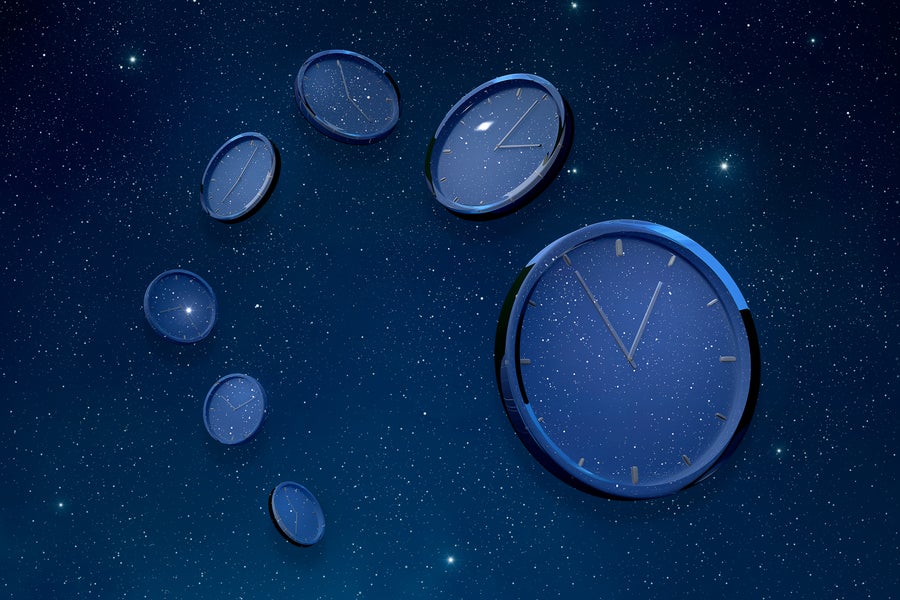
As memes go, it wasn’t particularly viral. But for a couple of hours on the morning of November 6, the term “darkest timeline” trended in Google searches, and several physicists posted musings on social media about whether we were actually in it. All the probabilities expressed in opinion polls and prediction markets had collapsed into a single definite outcome, and history went from “what might be” to “that just happened.” The two sides in this hyperpolarized U.S. presidential election had agreed on practically nothing—save for their shared belief that its outcome would be a fateful choice between two diverging trajectories for our world. That raises rather obvious (but perhaps pointless) questions: Could a “darkest
timeline” (or any other “timeline,” for that matter) be real? Somewhere out there in the great beyond, might there be a parallel world in which Kamala Harris electorally triumphed instead?
It turns out that, outside of fostering escapist sociopolitical fantasies and putting a scientific gloss on the genre of counterfactual history, the notion of alternate timelines is in fact something physicists take very seriously. The concept most famously appears in quantum mechanics, which predicts a multiplicity of outcomes—cats that are both alive and dead and all that. If a particle of light—a photon—strikes a mirror that is only partially silvered, the particle can, in a sense, both pass through and reflect off that surface—two mutually exclusive outcomes, known in physics parlance as a superposition. Only one of those possibilities will manifest itself when an observation is made, but until then, the particle juggles both possibilities simultaneously. That’s what the mathematics says—and what experiments confirm. For instance, you can create a superposition and then uncreate it by directing the light onto a second partially silvered mirror. That wouldn’t be possible unless both possibilities remained in play. Although this feature is usually framed in terms of subatomic particles, it is thought to be ubiquitous across all scales in the universe.
What supports the idea that these timelines are real, and not just imaginative fictions, is that they can “interfere”with one another, either enhancing or diminishing the probability of their occurrence. That is, something that might have happened but doesn’t has a measurable effect on what does, as if the former reaches from the shadowy realm of the possible into the world of the actual.
Consider the bomb detector that physicists Avshalom Elitzur and Lev Vaidman proposed in 1993 and that has since been demonstrated (fortunately not with real bombs): Perform the experiment with the partially silvered mirror but place a light-sensitive bomb along one of the two paths the photon can take. This blockage prevents you from uncreating the superposition to restore the traveling photon to its original state. It does so even if the bomb never goes off, indicating that the photon never touched it. The mere possibility that the photon could strike the bomb affects what happens. In theory, you could use this principle—known as counterfactual definiteness—to take x-ray images of cells without subjecting them to damaging radiation. In an emerging subject known as counterfactual quantum computing, a computer outputs a value even if you never press the “run” button.
One way to think about counterfactual definiteness is known as the many-worlds interpretation. A photon striking a mirror causes the cosmic timeline to branch, creating one world in which the particle passes through the mirror and one in which it reflects off that surface. Each of us is stuck inside our world and therefore sees only one outcome at a time, but the other is still there, visible to an inhabitant of the alternate world. All such worlds, taken together, constitute a “multiverse.”
Whether they agree with the many-worlds interpretation or not, physicists and philosophers certainly love to argue about it. Some admire its elegance; others grouse about conceptual difficulties, such as the slippery matter of what exactly constitutes a “world.” Quantum theory not only allows multiple worlds but also offers an infinity of ways to define them.
There’s no such thing as privacy anymore: Whatever you’re up to, someone, somewhere has all the details. Even if you take heroic steps to mask your online activity and scrupulously protect your privacy in real-life situations, you’re still not totally anonymous. We all know that your credit history is pretty easy to access—and is increasingly used in just about every aspect of your life, from getting a job to renting an apartment. If you’re paying attention, you probably froze your credit report long ago.
But there’s another report that is just as invasive and just as important—and just as necessary to lock down so that it can’t be used against you without your knowledge. It’s called The Work Number, and you really need to start paying attention to it—and freezing it.
What is The Work Number?
The Work Number is an “employment verification” system run by our old friends Equifax, well-known for their careful handling of our private data through the years. Employers send employee data into the system—e.g., your job, your wage or salary details, the dates of your employment, among other details. When you apply for a job somewhere else, that employer can then order a copy of your Employment Data Report (EDR).
Companies send this data to The Work Number because it makes their lives easier: Human Resources (HR) departments are asked to provide work verification on a regular basis (for example, if you’re applying for an apartment and your landlord needs to check your employment status). Giving this information to The Work Number automates the process so they don’t have to respond manually to every verification request. Plus, they benefit when hiring people because they can quickly and easily verify your resume.
All that seems pretty anodyne—until you consider the other ways your EDR can be used. For example, if you’re working extra jobs to make ends meet, one of your employers might use The Work Number to find out—and fire you. A prospective employer can also access your work history when negotiating salary, undermining your leverage. And Equifax absolutely sells this data—or at least some of it—to anyone who wants it, including debt collectors. That means you should take control of your EDR in the same way you take control of your credit report—by freezing it.
How to freeze your EDR
Equifax argues that you shouldn’t freeze your EDR because it actually benefits you in the sense that it makes it easy for people to verify your employment history, reducing delays when you’re applying for a mortgage or interviewing for a new job. And that’s true—but that small bit of convenience doesn’t really outweigh the negatives.
The Work Number falls under the Fair Credit Reporting Act (FCRA) just like your credit reports, so you’re entitled to a) get a free copy of it once a year, and b) freeze it—or unfreeze it—at any time, at your discretion. When you freeze your credit report, you can unfreeze it when you know you’ll be applying for credit. Similarly, you can unfreeze your Work Number any time you know you’ll need employment verification.
The process is pretty easy: Go to the official Work Number website and click on “Log In.” Search for a past employer and check the “I’m not a robot” box. Click your employer (if your employer doesn’t come up in a search, try a different one). Click “Register Now!” and enter your information (note: it requires your Social Security Number).
That’s it! You can now access your EDR via the Work Number dashboard—and you should. Review it and make sure it’s accurate, just as you would a credit report—and dispute any problems you find. Then go back to the dashboard and select “Freeze Your Data.” You’ll have more forms to fill out, and The Work Number will send you a letter confirming the freeze, along with a PIN you’ll need to unfreeze it later. You can also send your request via physical mail, email, or by phone.
Think of the last time you concentrated deeply to solve a challenging problem. To solve a math puzzle or determine a chess move, for example, you might have had to screen through multiple strategies and approaches. But little by little, the conundrum would have come into focus. Numbers and symbols may have fallen into place. It might have even felt, at some point, like your problem effortlessly resolved itself on the blackboard of your mind.
In recent research, my colleagues and I set out to investigate the neural mechanisms underlying these experiences. Specifically, we wanted to understand what happens in the brain while a person engages in abstract and demanding thought—so we designed a study involving math expertise.
Mathematics relies on an ancient brain network located in the parietal regions at the top and center of the brain’s outer folded cortex. That network helps us process space, time, and numbers. Past studies on neurocognition in mathematics have focused on brain activity while considering problems that take a few seconds to solve. These studies have helped illuminate brain activity that supports focused attention and a special form of recall called working memory, which helps people keep numbers and other details top of mind in the short term.
But our study used longer, more complex math challenges that involve
multiple steps to solve. These problems are more akin to the tricky puzzles that mathematicians must tackle regularly. We found that people with more experience in mathematics enter a special state of deep concentration when thinking about challenging math problems. Understanding that state could help scientists to someday understand the power of concentration more broadly, as well as the possible trade-offs of off-loading our problem-solving to our devices.
For our experiment, we recruited 22 university students—at both the graduate and undergraduate level—who were in math and math-related programs, such as physics or engineering, along with 22 fellow students in disciplines with minimal to no quantitative emphasis, such as physiotherapy and arts. We determined each student’s verbal, spatial, and numerical intelligence quotient (IQ), as well as their level of math anxiety.
We asked the students to watch step-by-step presentations that explained how to solve several challenging math problems—such as proving a Fibonacci identity. Throughout this demonstration, students wore a cap covered with electrodes so that we could noninvasively track electrical activity in their brain. After each presentation, they had to report whether they thought they had understood the demonstrations and how engaged they felt during this experience. We also encouraged the participants to watch the demos carefully by telling them that they would have to explain the problem afterward.
We found that the students with greater math expertise showed markedly different brain activity than those with less. For example, the students whose coursework involved little mathematics showed more signs of complex activity in the prefrontal cortex, an area just behind the forehead that is engaged in all kinds of cognitive efforts. This finding may reflect how hard they were working to understand the various steps of the complex math demonstrations.
But things really got interesting when we turned to students who engaged in quantitative thinking regularly. We noted significant activity that appeared to link the frontal and parietal regions of their brain. More specifically, these areas exhibited a pattern of activity that neuroscientists describe as delta waves. These are very slow waves of electrical activity that are typically associated with states such as deep sleep. Of course, these students were wide awake and deeply engaged—so what was going on?
Some recent research suggests that these “sleepy” slower delta waves may play a crucial role in the cognitive processing that supports deep internal concentration and information transfer between distant brain regions. For example, recent studies show that large-scale delta oscillation emerges among experienced meditators when they enter meditative states. One reason that meditation, mathematical problem-solving and sleep resemble one another might be that, in each case, the brain needs to suppress irrelevant external information and unneeded thoughts to really focus and concentrate on the task at hand. (Indeed, even sleep can be a busy time for the brain. Sleep research has revealed deep sleep’s irreplaceable role in memory consolidation; slow-wave sleep retracts the neural patterns that were previously activated during a learning task.)
Dementia and brain disorders are getting a lot of attention these days. And for good reason. About 1 in 10 Americans over 65 have dementia. And it’s estimated that the number of people 65 and older living with some form of dementia—the loss of cognitive functioning and the ability to think, remember or reason—could double to 88 million by 2050.
It’s important to understand that the changes in the brain that lead to dementia begin decades before symptoms show up. And there are many things you can do to help prevent dementia.
Related: The #1 Activity to Limit to Reduce Your Risk of Dementia, According to Dietitians
For example, the MIND diet, a fusion of the Mediterranean and DASH diets, is loaded with foods to help keep your brain young and sharp. And there is evidence that regular physical activity helps reduce your risk of dementia, including Alzheimer’s disease, a type of dementia. Not getting enough quality sleep can also increase your risk of dementia.
All of these habits also influence factors that can raise dementia risk, like high blood pressure, high cholesterol and diabetes.
But there’s another factor that increases the risk of dementia that might surprise you—loneliness. A new meta-analysis led by researchers at Florida State University College of Medicine and published on October 9 in Nature Mental Health takes a closer look at this connection. Here’s what they found.
How Was This Study Conducted & What Did It Find?
This study was a meta-analysis, which reviews studies previously done on the topic of loneliness and dementia. The researchers looked for certain criteria, so not all studies on loneliness and dementia were included. In this case, they examined ongoing, long-term studies on aging that assess loneliness and cognition over time, as well as previously published studies.
The studies that made the cut for this meta-analysis focused on the association between loneliness and all-cause dementia, as well as the risk for two specific types of dementia—Alzheimer’s disease and vascular dementia. They also examined the association between loneliness and cognitive impairment that’s not dementia or non-specific impairments in one or more cognitive functions—thinking, memory, and reasoning—that may precede dementia.
According to the researchers, this resulted in the largest meta-analysis on the association between loneliness and dementia that’s been done to date. In the end, 21 studies were included, adding up to over 600,000 participants.
Most Americans could probably guess that heart disease, diabetes, and cancer are among the world’s fastest-growing causes of death. Yet one rapidly accelerating health threat now lurks under the radar, despite its devastating consequences.
The threat comes from antimicrobial resistance, or AMR, the evolved immunity of dangerous microbes to lifesaving drugs. AMR killed 1.27 million people in 2019, more than malaria and HIV combined—according to the most recent comprehensive global analysis. Now, a groundbreaking study published in the Lancet estimates that, without action, AMR will kill more than 39 million people in the next quarter century. Average annual deaths are forecast to rise by nearly 70 percent between 2022 and 2050.
We don’t have to stay on this trajectory. But changing direction will require decisive moves from the U.S. government. As the global leader in pharmaceutical development, the U.S. has a moral obligation to lead the way on solving this global problem. We need to jump-start research and development on new antimicrobial drugs and shore up the patent system that enables us to bring so many new medicines to market.
AMR occurs when disease-causing microbes—most often bacteria—evolve to evade the drugs created to kill them, turning them into so-called “superbugs.” Some better-known ones include methicillin-resistant Staphylococcus aureus (MRSA), multidrug-resistant tuberculosis, and Streptococcus pneumoniae, a bacterium that causes pneumonia and can be resistant to penicillin. In 1993 U.S. hospitals recorded fewer than 2,000 MRSA infections. In 2017 that number had jumped to 323,000—according to the latest data available from the Centers for Disease Control and Prevention. Preliminary data shows that cases of another superbug called C. auris jumped five-fold between 2019 and 2022.
A major cause of AMR is overuse and misuse of antibiotics. The more a bacterium is exposed to a particular antibiotic, the more opportunities it has to
mutate and become resistant. The danger is that as these essential medicines stop working, even minor infections will become hard to treat. That will make even routine surgeries and common illnesses much more dangerous—and make it much harder for those battling cancer whose immune systems are compromised, in particular, to fight off infections. Without action and investment soon to support the development of new antibiotics, we could be thrown back to the pre-penicillin era, when a simple cut could turn deadly.
Yet despite the urgent need for new antibiotics, the pipeline for developing them is drying up. As of today, only four major pharmaceutical companies still work on antibiotics, down from dozens just a few decades ago. The reason is simple: the economics of modern antibiotic development don’t work. Creating a single new drug takes an average of 10 to 15 years and costs more than $2 billion. But since antibiotics are typically used for short periods ranging from seven to 14 days and must be used sparingly to limit AMR, their profitability is necessarily low. This built-in roadblock means companies have a hard time justifying the expense and risk.
The new Lancet study recommends several ways to fight back. One of them, unsurprisingly, is to develop new antibiotics—an area in which the U.S. has an opportunity to show global leadership, expand its influence, and make an enormous difference.
America has the world’s best system of intellectual property protection, which has made us the global frontrunner in biopharmaceuticals as well as dozens of other high-tech industries. IP protections—in particular patents—provide a window of market exclusivity that allows companies to recoup their enormous investments in research and development. Without reliable patents, few businesses would take the risk of developing new antimicrobial drugs.
.
Colored scanning electron micrograph (SEM) of bacteria cultured from a mobile phone. Tests have revealed the average handset carries 18 times more potentially harmful germs than a flush handle in a men’s toilet. With frequent use phones remain warm, creating the ideal breeding ground for bacteria. With touch-screen phones, the same part of the phone touched with fingertips is pressed up against the face and mouth, increasing chances of infection. In tests, E. coli, Haemophilus influenza, and MRSA were amongst infectious bacteria found on handsets. Common harmless bacteria include Staphylococcus epidermidis, Micrococcus, Streptococcus viridans, Moraxella, and bacillus species. Steve Gschmeissner/ Science Source
Two conversations, two different outcomes. The first was talking with a plumber about how to run waste lines for a bathroom addition. I thought we should use an existing vent pipe for a washer box that would be abandoned. He thought we should run two new vent pipes.
“I think one of those is overkill,” I said. “I don’t see why it’s necessary.”
He stood up, crossed his arms, and stared at me.
“You saying I don’t know my job?” he said.
The second was talking to a cabinet supplier about trim. She was adamant I only needed crown molding.
“Huh,” I said. “It’s interesting you say that. I was sure you would say I needed starter crown, too.”
She explained why I didn’t. Ceiling height. A wider built-in lip at the top of the cabinet for nailing. A more streamlined profile. I didn’t necessarily agree, but when I said, “I feel sure I’ll end up being wrong… but I think I would like you to include it, just in case,” she laughed and said, “Absolutely. And even though we don’t normally do this, you can return it when you realize I’m right.”
In the first example, I turned a disagreement into an argument by challenging—or at least appearing to challenge—the person’s knowledge and experience. While I didn’t mean to, for him, my choice of words made it personal, and he responded emotionally.
The second is an example of what Amanda Ripley, the author of High Conflict: Why We Get Trapped and How We Get Out, calls productive conflict. I could have just said, “Tell me why you feel that way,” but that could have come across as challenging (in both scenarios).
Instead, I reframed disagreement as curiosity. Softening it with words like, “It’s interesting you say that,” and delivering those words with a genuine sense of curiosity, showed I was interested. I was open. I didn’t want to argue. I wanted to learn. She also responded emotionally, but this time in a good way—because I had implicitly shown I respected her (possibly greater) knowledge.
Science backs up that approach. A study published in Cognitive Science found that rather than trying to win an argument, “arguing” to learn makes other people more receptive to your views. As the researchers write:
Participants who engaged in cooperative interactions were less inclined to agree that there was an objective truth about that topic than were those who engaged in a competitive interaction…. When people are in cooperative arguments, they see the truth as more subjective.
In sum, people change their evaluation of truth to be consistent with the goals of their particular argumentative mindset.
Or in non-researcher-speak, challenge me and I’m unlikely to change my mind, even in the face of better evidence. Make me feel you want to learn, though, and I’ll be more open to learning as well. (To quote the eminent philosopher Rocky Balboa, “If I can change, youse can change.”)
Of course, “It’s interesting you say that…” aren’t the only words you can use to avoid making people feel defensive. Here are some other sentence starters Ripley recommends. (Again, you can’t just parrot the words to seem curious—you also have to be curious.)
In the age of precision medicine, targeted drugs are transforming cancer treatment. But cancer cells persist in many patients, even in breast cancer, where much-lauded hormone therapies and targeted therapies have had a huge impact. Despite these and other advances in precision medicine, the five-year survival rate for advanced breast cancer is still only about 30 percent.
To help more patients whose breast cancer recurs, scientists have developed targeted therapies, which typically rely on monoclonal antibodies or small-molecule inhibitors to stop runaway cell growth. A new type of therapy takes a different approach. Unlike prior generations of small-molecule drugs, a new class of compounds called protein degraders not only bind to cancer-driving target proteins—they spur cells to digest them.
This two-pronged attack hits an essential signaling pathway that drives many breast cancers that are more resistant to standard treatments. The goal for this tactic is to be as specific as possible, in order to leave more healthy cells unharmed. This advance is unleashing opportunities for therapeutic approaches that might “prolong life with fewer treatment side effects,” says Katherine Ansley, a clinical associate professor of hematology and oncology at Wake Forest University School of Medicine.
An elusive target
Discovered in the mid-1980s, PI3K is an intracellular enzyme, part of an essential pathway that signals healthy cells to grow and proliferate. Several isoforms of PI3K exist, each with distinct and essential roles. Mutations in one of them, known as PI3K-alpha, result in overactive growth signaling in as many as 40 percent of women with the most common form of breast cancer—tumors that grow in response to the hormones estrogen or progesterone, and produce low levels of human epidermal growth factor receptor 2 (HER2).
Although drugs exist that can block mutant PI3K, breast cancer can outsmart such therapies. What’s more, earlier drugs that attack this pathway shut down multiple isoforms of PI3K, inadvertently disabling pathways that healthy cells rely on. This low level of selectivity has made prior generations of PI3K inhibitors overly toxic. It also made scientists think that the PI3K signaling pathway would be difficult to target.
Researchers pressed on anyway, and developed various inhibitors that selectively target specific PI3K isoforms, and since 2014 the U.S. Food and Drug Administration has approved nearly half a dozen isoform-selective PI3K inhibitors.
To unlock the full therapeutic potential of targeting PI3K and to reach more patients, the key is “treating the right population with ever more selective compounds,” says Jennifer Schutzman, lead medical director at Genentech. “More selective inhibitors may be safer.”
A two-part mechanism
Genentech started working on PI3K nearly two decades ago, focusing mainly on an isoform that is often dysregulated in a common form of breast cancer, called hormone-receptor-positive (HR-positive), HER2-negative breast cancer. Genentech scientists sought to target the PI3K pathway with exquisite precision. To do so, they tweaked chemical structures in a painstaking search for molecules that bind primarily to the PI3K-alpha isoform, while leaving other PI3K isoforms largely untouched. Over about 20 years, the Genentech team gradually developed molecules that bind to the PI3K-alpha isoform with high selectivity.
But the research also led to a big scientific surprise. The researchers discovered that the small molecules do more than bind to the protein—they also induce the cell to digest it.
That discovery marked a turning point, says Marie-Gabrielle Braun, a chemist and senior principal scientist at Genentech who designed the compounds. “It showed that we had done something fundamentally different than what had been achieved with prior generations of these compounds, and it gave us strong confidence that we could potentially have better outcomes in the clinic.”
The dual-action mechanism of this new class of compounds, now known as “protein degraders,” offered unanticipated therapeutic opportunities. It meant that treatments “might be even safer and more efficacious,” Schutzman says. “That’s because you’re taking what you know is a growth-promoting signal and essentially getting rid of it for a more durable period of time. So, you may get increased benefits for patients.”
Expanding use
In addition to treatments for later stages of cancer, Ansley is hopeful that some forms of PI3K protein degraders might offer new treatment options at earlier stages of the disease. In such cases, the aim of treatment is to stop or slow tumor-cell proliferation so that oncologists can regain control of the disease.
To bring these new treatments to the clinic, oncologists can screen for eligible patients by testing for gene mutations that generate the abnormal protein by having biopsy samples tested using next-generation sequencing. They can also collect cell-free DNA (cfDNA) from a blood sample and have it analyzed using one of several commercially available kits that use the polymerase chain reaction (PCR), which is less invasive and less expensive, but also less comprehensive, than sequencing.
.
Breast cancer often recurs, in part because breast cancer cells like these can spread rapidly and invade other tissues and organs. Steve Gschmeissner/Science Photo Library
The Taurid meteor shower will be visible in the night sky for the next week for the phenomenon’s annual appearance.
Earth passes through the debris left behind by comets every fall from September to November and the meteor shower was expected to be most visible beginning early Tuesday through Nov. 12.
The phenomenon gets its name from the path it travels across the sky from the constellation Taurus, the Bull. Watchers can see more meteors, or fireballs, the higher the shower’s radiants are in the sky.
Bill Cooke, the head of NASA’s Meteoroid Environment Office, told ABC News that the Taurid meteor is the result of the Comet Encke, one of the largest in the solar system. Encke is a small portion of an even larger comet that broke up about 10,000 years ago.
“What makes them so special is the Taurids are big,” Cooke said. “They’re big pieces of debris, and they produce these very spectacular fireballs. You don’t want to look at Taurus, because the meteor coming from there will have short trains and be faint.”
The Taurid meteor shower comes in two waves, the Southern Taurids and the Northern Taurids.
Visibility for the Southern Taurids was expected to be best Monday and Tuesday, as a dimmer moon — just 11% full — won’t obstruct visibility.
The Northern Taurids are expected to reach their peak next on Nov. 11-12 but the moon will be 79% full during that period which will harm visibility.
.
From three meteor showers to a planetary alignment right next to a famous constellation, here are the top astronomy events to mark on your November 2024 calendar.
The neuron, the specialized cell type that makes up much of our brains, is at the center of today’s neuroscience. Neuroscientists explain perception, memory, cognition, and even consciousness itself as products of billions of these tiny neurons busily firing their tiny “spikes” of voltage inside our brain.
These energetic spikes not only convey things like pain and other sensory information to our conscious mind, but they are also in theory able to explain every detail of our complex consciousness.
At least in principle. The details of this “neural code” have yet to be worked out.
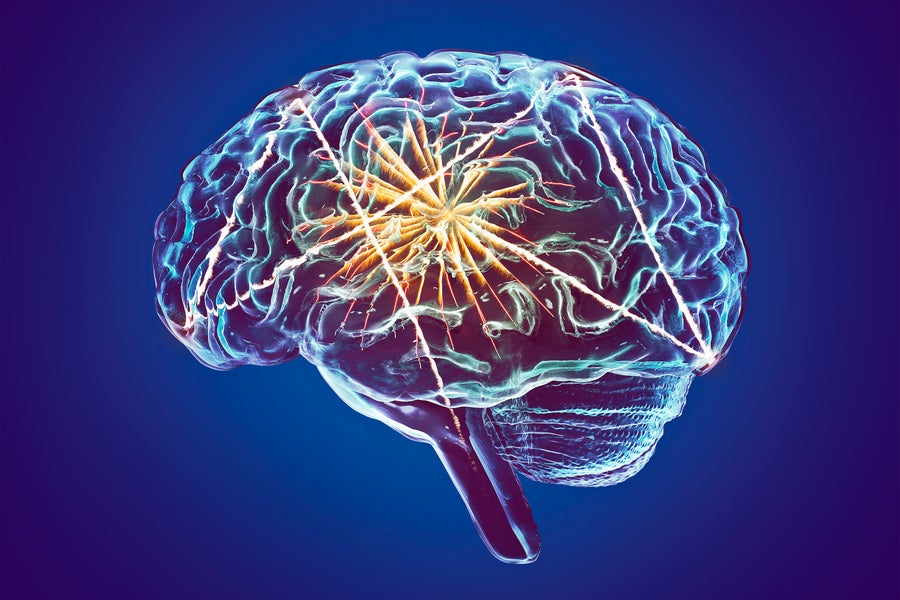
While neuroscientists have long focused on spikes travelling throughout brain cells, “ephaptic” field effects may really be the primary mechanism for consciousness and cognition. These effects, resulting from the electric fields produced by neurons rather than their synaptic firings, may play a leading role in our mind’s workings.
In 1943 American scientists first described what is known today as the neural code, or spike code. They fleshed out a detailed map of how logical operations can be completed with the “all or none” nature of neural firing—similar to how today’s computers work. Since then neuroscientists around the world have engaged in a vast endeavor to crack the neural code in order to understand the specifics of cognition and consciousness.
To little avail. “The most obvious chasm in our understanding is in all the things we did not meet on our journey from your eye to your hand,” confessed neuroscientist Mark Humphries in 2020’s The Spike, a deep dive into this journey: “All the things of the mind I’ve not been able to tell you about, because we know so little of what spikes do to make them.”
Brain researchers have long acknowledged that there are a number of ways other than firing by which neurons could communicate, including the little-known mechanism known as ephaptic coupling. This coupling results from electromagnetic (EM) fields at the medium and large scales of the brain interacting, alongside much smaller scale fields accompanying synaptic spikes (which themselves result from a type of highly localized EM field activity) operating at nanometer scales.
Retinal neurons, for example, operate without any neural firing. These cells employ a type of electrodiffusion, the diffusion of charged particles without synapses, the connection points between neurons. Electrodiffusion passes along a signal to the optic nerve at very fast rates and with high bandwidth. We couldn’t see without this.
The “ephaptic” in ephaptic coupling simply means “touching.” Though not well-known, ephaptic field effects result from the textbook electric and magnetic interactions that power our cells. Intriguing experimental results suggest these same forces play a bigger role in the brain than one suspected and perhaps even in consciousness.
Ephaptic field effects first came to my attention in a significant way with a remarkable 2019 paper from the Case Western Reserve laboratory of Dominique Durand. That lab demonstrated that the mouse cortex was affected without synaptic connections—by definition, ephaptic field interactions. This remarkable effect was found by the Durand team after they cut a slice of mouse hippocampus in half and then measured the voltage potential going up and down the slice. There wasalmost no change in that measured voltage even after the slice was fully severed, demonstrating a strong influence from ephaptic fields.
The influence did, they found, wane after a certain distance, as we’d expect. Once the cut slices were separated by 400 microns or more, the ephaptic field effect mostly disappeared.
These results were considered so remarkable by peer reviewers that they required the Durand lab to replicate the results not once but twice before they approved publication of the paper. One scholar stated at the time of the paper’s publication that the findings of Chiang and colleagues “should probably (and quite literally) electrify the field.”
Film and Writing Festival for Comedy. Showcasing best of comedy short films at the FEEDBACK Film Festival. Plus, showcasing best of comedy novels, short stories, poems, screenplays (TV, short, feature) at the festival performed by professional actors.

 Hiroshi Watanabe/Getty Images





 Getty Images. EatingWell design.

 Photo: Getty Images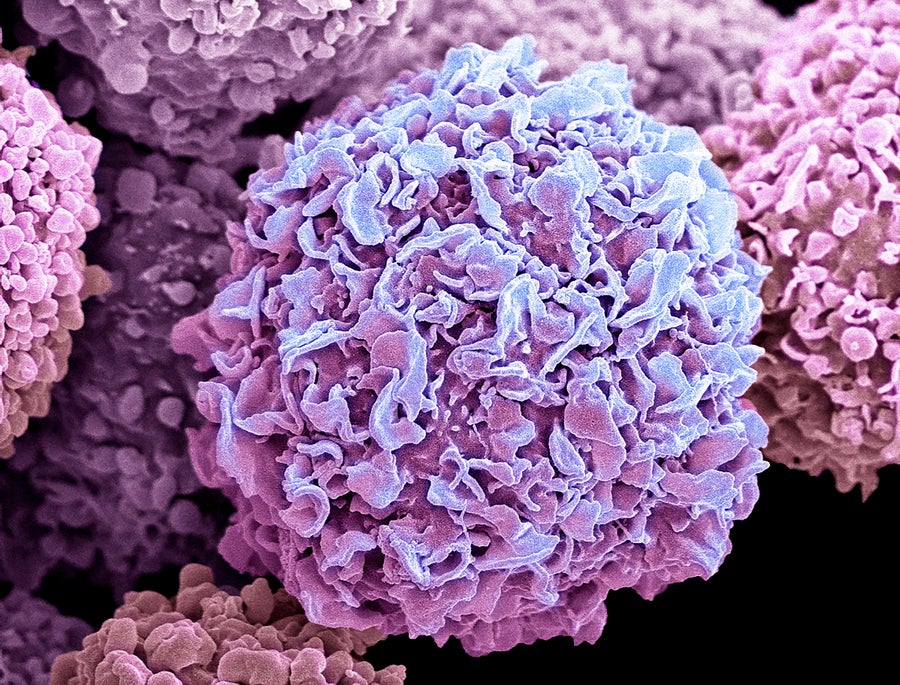

 From three meteor showers to a planetary alignment right next to a famous constellation, here are the top astronomy events to mark on your November 2024 calendar.
 Hiroshi Watanabe/Getty Images
