It doesn’t matter what you do for a living. Welcoming a child and then getting back to work is one of the most complicated things for a mother to adjust to. It’s especially complex if you’re an athlete.
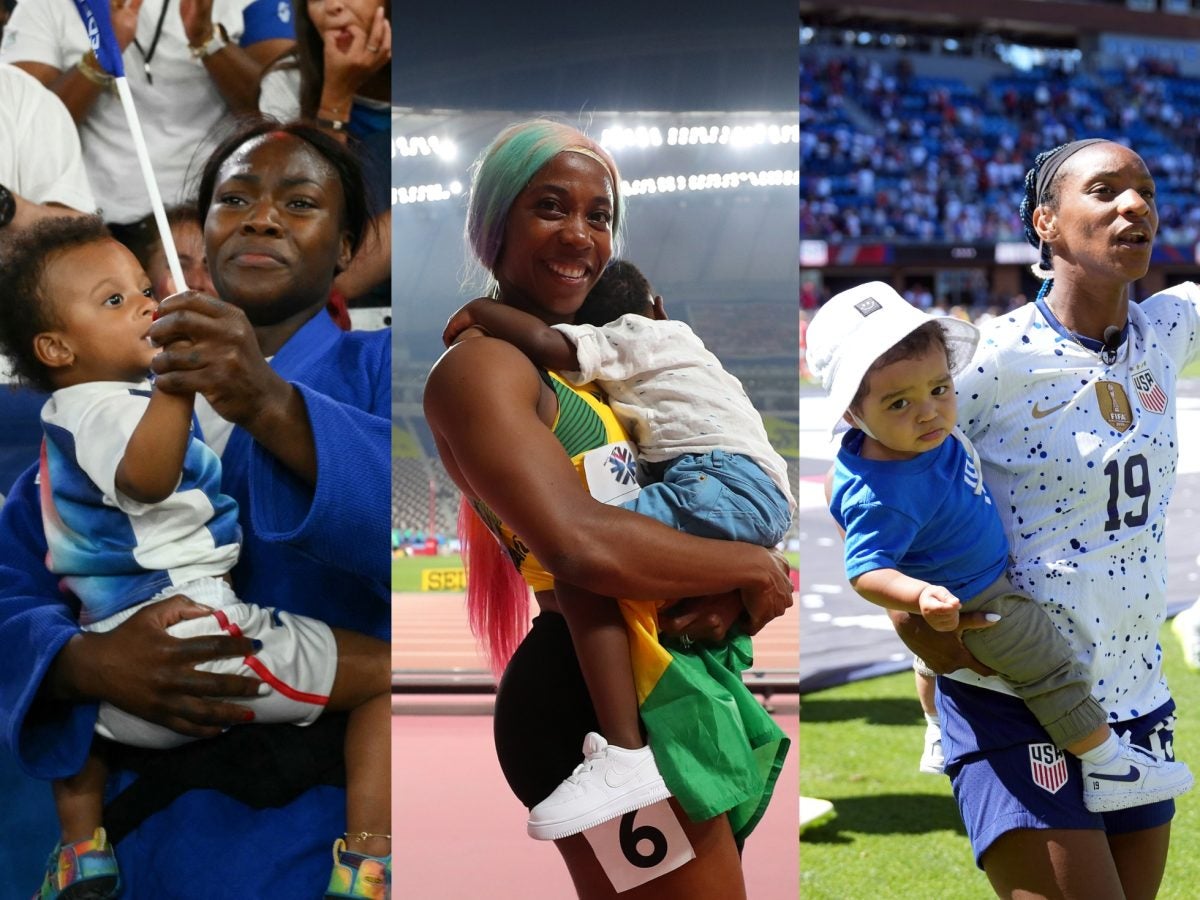
Constant travel for competitions and games and the consistent training required, there are so many aspects of being a sportswoman that can take you away from home and away from your children. But many athletes are making it work, including at this year’s summer Olympics in Paris. With the addition of support like a nursery in Olympic Village for athlete mothers, quite a few Olympians brought their children along for the unforgettable experience.
Whether they’ve become champions after delivering a child or grapple with the emotions of having to leave their kids back home to play for their country, these moms are superheroes. And whether they take home gold or not, they’re winners for what they’re accomplishing and the inspiration they are to their children and mothers everywhere.
Dearica Hamby
Hamby, a mother of two to daughter Amaya and son Legend, is representing USA in Paris. The WNBA All-Star earned a bronze medal playing 3×3 basketball. “Unfortunately, our society and work culture perpetuate ‘mom guilt’ as they go back to work, or making moms feel like they can’t both parent and provide,” Hamby told ESSENCE in 2023. “It’s a false choice, and I’m proud to show just how strong moms are and to support other mothers going back to work. Being a mom and doing what I love is really special.”
Shelly-Ann Fraser-Pryce
In what has been a stellar career on the track, “The Pocket Rocket,” a mother to soon-to-be 6-year-old son Zyon, is competing in her last Olympics. She knows she has more in her, but the 37-year-old said she plans to hang up her spikes for her family. “My son needs me,” she told ESSENCE in our January/February 2024 issue. “My husband and I have been together since before I won in 2008. He has sacrificed for me. We’re a partnership, a team. And it’s because of that support that I’m able to do the things that I have been doing for all these years. And I think I now owe it to them to do something else.”
Clarisse Agbegnenou
The French judoka, who took home a bronze in the individual competition and gold with the French mixed team, is a mother to daughter Athéna, who would come with her to train in preparation for the Olympic Games in her home city. “I want women athletes who follow me to feel free and legitimate, to break codes to change mentalities and change the rules,” she told Le Parisien. “We can have a life as a woman and mother as well as champion at the same time.”
.
Luis Robayo/AFP/Getty Images; Richard Heathcote/Getty Images Sport; Brad Smith/ISI Photos/USSF/Getty Images Sport
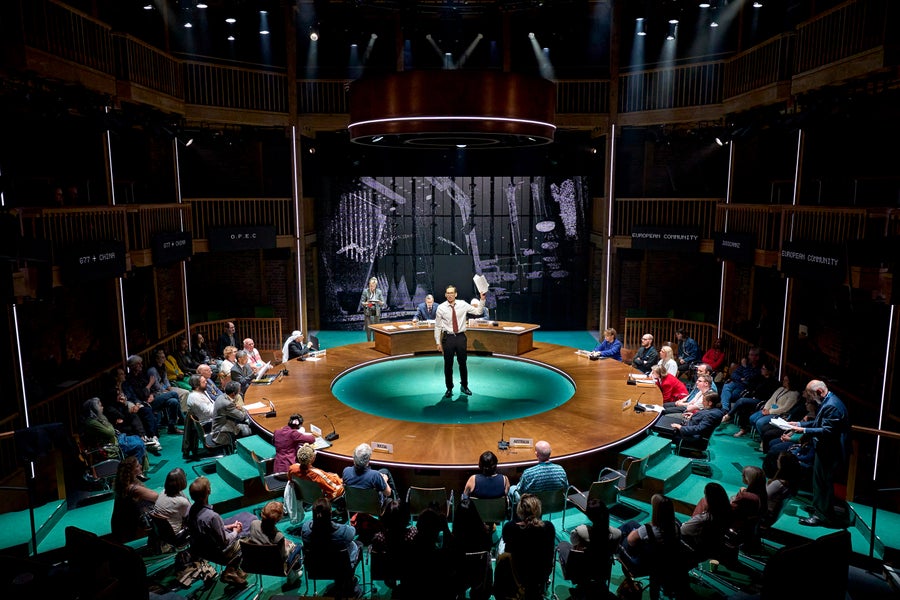
It’s a very strange experience to watch a play in which you are a character—and to shake hands with the person who plays you. I did both this July while attending a performance of Kyoto at the Swan Theatre in Stratford-upon-Avon in England. The moment meant more, of course, than just a glimpse of oneself on history’s stage. The play shows how science won out over climate denial in a critical face-off between scientists and industry over the future of the planet.
Kyoto is a play about the Kyoto Protocol—an agreement made more than 25 years ago that, as summarized by the United Nations, committed “industrialized countries and economies in transition to limit and reduce greenhouse gases (GHG) emissions in accordance with agreed individual targets.” Written by Joe Murphy and Joe Robertson, the play is a co-production of Good Chance and the Royal Shakespeare Company that provides a dramatic retelling of a historic meeting in Kyoto, Japan, in December 1997, where the protocol was finalized.
At this meeting, a key Intergovernmental Panel on Climate Change (IPCC) scientific assessment helped to inform the international emissions reduction negotiations—the Working Group I part of the IPCC Second Assessment Report, which was completed in 1995 and published in early 1996. I was convening lead author of chapter eight, “Detection of Climate Change and Attribution of Causes.” The role of the IPCC, back in 1995 and today, was to advise the governments of the world on the science and impacts of climate change, as well as on strategies for mitigating and adapting to those impacts.
In 1990 the first IPCC scientific assessment had concluded that the jury was still out on whether a human-caused climate change signal could be identified in real-world climate data. The 1995 assessment’s chapter reached a very different conclusion, encapsulated in 12 simple words: “The balance of evidence suggests a discernible human influence on global climate.” This was a powerful, historic statement from cautious scientists and a rather conservative organization.
Multiple factors contributed to this dramatic transition. Advances in the science of climate fingerprinting, for example, made a big difference in climate research during the five years between the two reports.
Fingerprinting seeks to understand the unique signatures of different human and natural influences on Earth’s climate. This uniqueness becomes apparent if we probe beyond a single number—such as the average temperature of Earth’s surface, including land and oceans—and look instead at complex patterns of climate change. Patterns have discriminatory power and allow scientists to separate the signature of human-caused fossil-fuel burning from the signatures of purely natural phenomena (such as El Niño and La Niña climate patterns, changes in the sun’s energy output, and effects of volcanic eruptions).
Kyoto describes some of the fingerprint evidence that was presented during a key meeting in Madrid in November 1995, ahead of the Kyoto face-off dramatized in the performance. The “discernible human influence on global climate” conclusion was finalized in Madrid, where the participants included 177 delegates from 96 countries, representatives from 14 nongovernmental organizations, and 28 lead authors of the IPCC Second Assessment Report. As a lead author of the evidence chapter, I was there among them in that Madrid plenary room. So were several of the other characters in Kyoto, including the play’s central one—Donald Pearlman, who was a lawyer and lobbyist for the Climate Council, a consortium of energy interests.
Pearlman and I were on opposite sides of the Madrid chessboard. My efforts were directed toward synthesizing and assessing complex science and ensuring that the science was accurately represented in the IPCC report. His were directed toward delaying international efforts to reduce emissions of heat-trapping greenhouse gases. Such reductions were bad for the business interests he represented and for the revenues of oil-producing countries, such as Saudi Arabia and Kuwait.
Pearlman, who passed away in 2005, understood the singular importance of the Madrid “discernible human influence” conclusion. He knew it was the scientific equivalent of the Biblical handwriting on the wall. The jury was no longer out. Human-caused fingerprints had been identified in records of Earth’s surface and atmospheric temperature. Humans were no longer innocent bystanders in the climate system; they were active participants. Burning fossil fuels had changed the chemistry of Earth’s atmosphere, thereby warming the planet and sending Earth’s vital signs into concerning territory. The Madrid conclusion meant that the days of unfettered fossil-fuel use and carbon pollution were numbered.
.
Kyoto production photo at the Swan Theatre, June 17, 2024. Manuel Harlan/RSC
For their whole life, your firstborn felt like the center of the universe. Then—bam!—this new crying critter barges in, demanding so much attention. To boot, a toddler’s brain is in “caveman” mode with limited patience, communication, and impulse control. Acting out, sleep struggles, and inflexible demands (like parental preference), are 100-percent-normal tot responses to a new sibling.
Here’s what you should do to ease the transition.
Stick to a Predictable Evening Routine
A predictable bedtime routine with reliable sleep cues can go a long way to help get sleep back on track. Start your routine about an hour before bedtime. Turn off all screens, including your own phone! Dim the lights, turn on some low, rumbly white noise, and play it all night to help mask late-night disturbances like a crying baby brother or sister. Tuck your little guy in with his favorite lovey (these important transitional objects can provide a lot of comfort during times of upheaval) and read together.
Then snuggle up close and finish your routine with what I call “Bedtime Sweet Talk.” In a calm voice, remind your child all the good things he did that day and preview some of the fun things he can look forward to tomorrow. Filling your little one’s sleepy mind with loving words helps to make bedtime something to look forward to instead of dread. Plus, he gets a heaping helping of your undivided attention.
The reader who submitted this question said their toddler is currently experiencing strong preference for Mom. Whether it’s Mom or Dad they are clinging to, it’s a good idea for you and your spouse to take turns being on night-night duty, and stick to the plan so your son knows what to expect. You could even rehearse your routine during the day with a Beddy-Bye Book, a special homemade book that illustrates all of the getting-ready-for-bed steps.
Feed the Meter During the Day
Another powerful tool for helping your newly minted big brother feel extra respected and loved, which, believe it or not, can help keep bedtime battles at bay, is a technique I call “feeding the meter.” Just like you must feed a parking meter to keep from getting a parking ticket, feeding your toddler’s “meter” with frequent bits of love and attention helps keep toddlers happy and extend their patience and good behavior. Take a minute to sing a song with them, compliment something they are wearing or how well they are playing, pull them in for a hug, or kiss them on the head as they play blocks. It all counts!
Here are some more great ways to keep their meters topped up:
Catch your big kid being good. Every time your toddler puts their toys away or kisses their baby brother, offer a little “snack” of attention. Nothing over the top, just a thumbs-up, a warm smile, and a bit of understated praise, like “You put your toys away yourself. Thank you!”
Try a little “gossip.” “Gossiping” is a fun little way to make your compliments and criticism more effective. Tell your child directly what you want them to hear “Yay! You picked up your toys super fast!” Then, a little later, when you’re on the phone to Grandma (or pretend to talk to one of your tot’s stuffed animals), whisper the same compliment. When your child overhears you saying it to someone else, without winking at them or letting them know that you know they are there, your child will feel doubly proud and think, “Wow, I’m hearing it a lot lately!”
Beef up “Special Time.” Offering one or two five-minute chunks of Special Time can work wonders! It’s when you give your oldest your undivided attention—no phones or baby siblings—and do whatever your tyke wants. Wrestling and pillow tossing helps your tot vent aggression in an acceptable way. Always start with a little ten-second made-up song (like, “It’s Bobby’s Special, Special, Time!”) and set a timer. When it’s over, you can remind your child that they will have another special time tomorrow.
Over billions of years, gravity has pulled the universe’s matter into a chaotic netting of filaments, tendrils, and voids known as the cosmic web. Galaxies are strewn along these strands like beads on a string, and New Mexico State University astronomer Farhanul Hasan and his colleagues wondered how environments created by the filaments affect galaxies’ evolution. “I like to call them galactic ecosystems,” he says.
To find out, the researchers needed to accurately map the cosmic web over time. But the mixture of gas, galaxies and dark matter that constitutes the web makes this task challenging, because although the stars in the galaxies are easy to see, the rest is not.
To connect the dots in a computer simulation of the universe, Hasan and his colleagues brought in a special “collaborator”: a species of the humble slime mold. These single-celled organisms are experts at exploring the space around them. Their membranes push outward in a synchronized wave in every direction. When they find a food source, nearby membranes relax, allowing subsequent pushes to send more material to that region.
Scientists have used slime molds’ exploration prowess to solve mazes and logic puzzles, to re-create transportation systems, and to inspire efficient computer algorithms. “It’s a really good mapping algorithm because it’s not really biased by the first direction you decide to look in; [it’s] capable of exploring everything at once,” says New Jersey Institute of Technology slime mold specialist Simon Garnier.
Hasan and his team gave a slime-mold-based algorithm a set of galaxies’ positions as “food” and let it map connections across the simulated universe at various time points. The slime-mold map created a cleaner filament structure than any human-designed algorithm they had tried; it was also sensitive to smaller features and traced dark matter more easily. The researchers found that neither the proximity nor the thickness of the universe’s filaments seemed to affect the galaxies early on, but as the universe matured, things changed: material pulled into the web eventually disrupted star formation in galaxies that were too close.
“The crucial difficulty in using the cosmic web to constrain galaxy formation is in describing it with the accuracy needed to observe its effect,” says New York City College of Technology astrophysicist Ari Maller. “The use of the slime-mold algorithm seems to have accomplished that goal.”
The study’s results, appearing in the Astrophysical Journal, are just the beginning. New surveys are stretching observations even further back in time. Conclusions from the simulated universe eventually can be tested against older glimpses of the real cosmic web—and the slime-mold algorithm is poised to map them all.
I was in Istanbul for a few days and on my way to visit my grandfather. He’d moved in with my father at the beginning of the pandemic because we had been worried about him living alone, in the town by the Black Sea where he’d retired. We’d urged him to come to the city, just for a short time. It had been a wise decision; my grandfather’s health deteriorated rapidly in those months, and his stay became indefinite. He could no longer go out for long walks as he used to, or even remain upright for extended periods.
My grandfather had always spent his days outdoors. Whenever he came to Istanbul, he’d take buses and ferries all over the city, sometimes going as far as the city’s gates. He traveled around the country with a tent. He stayed in mountain villages and invited himself to breakfast at the homes of locals. He loved that sort of thing—meeting strangers, seeing different lives. He often urged us, his grandchildren, to join him. He showed us pictures of the people he’d met on these trips, with whom he kept in touch. One time, when I was having breakfast with him at a seaside café in Istanbul, a boy of ten or eleven video-called to wish him a happy bayram.
“Come again soon, Grandpa,” the boy said.
My cousins and I all lived abroad, and we found it difficult to set aside time for such travels; our visits back home consisted of seeing many people in a short span. But we were proud of our grandfather—his youthful spirit and his sense of adventure. Perhaps we felt that it indicated something about us as well, something like a family identity.
Since my arrival, I had seen relatives and friends, and had also been to the Bosphorus, to Moda, and Cihangir—outings that had always signified a proper visit back, though I could no longer say that I enjoyed them. The neighborhoods changed rapidly between my trips, and they were so crowded. The city was packed beyond belief, filled with tourists—a thick stream of people moving slowly, engulfing everything. I felt resentment toward them, and I longed for the city where I’d grown up.
I had phoned my grandfather the night before to tell him I would visit the following afternoon. Had I called sooner, he would have asked me to come straightaway and planned meals together throughout my stay. My father was going to be out when I went over. He had a few things to do, he told me, and, besides, he preferred to spend time alone with me, rather than see me with my grandfather. This wasn’t very convenient, but I sensed that the living arrangement had begun to take its toll. It now seemed inconceivable that my grandfather would be able to go back to his small town. Of course, my father never mentioned any of this, but I gathered from phone conversations that he was out more and more. Later that afternoon, I would meet him for a coffee, before going to my mother’s for a dinner with my aunts. It was exhausting to be home, to feel torn between obligations because of our fractured family.
I’d just got into the taxi when my grandfather called to ask where I was.
“I’m on my way,” I told him, “but it will take me some time to get there.” I could picture his impatience. He must have got dressed hours ago. He would have been looking out the window, scouting for my arrival. He called again as the taxi was crossing the bridge. He’d forgotten to tell me that the downstairs buzzer didn’t always work, so I should press hard when I got there. Then he called a third time to say I should just phone as I was approaching.
It was 3 A.M., and my seven-month-old would not stay asleep. She didn’t want to nurse. She cried when I offered her a bottle. I bounced her in my arms, softly singing the Cure’s Just Like Heaven. That didn’t help, either.
With a sigh, I put her in her crib, left the room, and set my phone timer for 15 minutes. I would check on her again after my alarm buzzed.
I was sleep-training my baby.
Sleep training has become the third rail of parenting conversations, with fierce defenders and opponents on either side. Some claim it’s a miracle. Others liken it to torture—for both the baby and the parent. Still, others aren’t convinced it will actually “work.”
Sleep training is a catchall term for any behavioral intervention intended to improve a child’s ability to fall and stay asleep independently, often as it relates to sleep in infants (those under one year old). The idea is to avoid reinforcing the baby’s cries and yells for attention at bedtime, ultimately allowing those behaviors to fade, or go extinct, over time. Practices vary, from setting a structured bedtime routine to what is commonly referred to as “cry it out” (considered full extinction), where caregivers allow a baby to cry until the baby falls asleep. My family chose a version of the Ferber method (called graduated extinction), where we initially comforted our baby when she cried but slowly increased the amount of time between her cry and when we intervened.
Parents may not ask for or take advice regarding sleep training their child for many reasons. The dread of enduring crying or fears around bonding with one’s baby are often cited as main barriers for parents to sleep train. Conflicting information abounds, as one study found that parenting advice books about sleep had authors with a broad range of backgrounds, nearly half lacking professional credentials in medicine, counseling or academic research; the books’ advice varied widely as well, with some endorsing full extinction and others opposing it.
Overall the evidence suggests that sleep training (broadly defined) is safe and effective at addressing sleep difficulties. Multiple reviews that summarize all the available research on sleep training show that these practices improve sleep in children, from those under six months through five years old. “Cry it out” is particularly effective, though the evidence supports a range of practices that vary in how much crying a parent wants to tolerate.
Despite the evidence, maybe there’s a question still nagging at you: Am I a bad parent if I let my baby suffer just so I can get some shut-eye?
I’m here to convince you that sleep is not a luxury and a desire for sleep is anything but selfish.
Poor sleep during the first year of a baby’s life is related to an increased risk of mothers developing postpartum depression, a condition that affects approximately one in six women. Postpartum depression can involve feelings of sadness, guilt, and lack of enjoyment in everyday things, making it difficult for moms to take care of themselves and their children. To make matters worse, depression can lead to insomnia, which exacerbates depression, creating a terrible catch-22. When moms are depressed, babies sleep worse, too. Further, when moms get poor sleep, other caregivers suffer: One study found that when mothers had poor sleep at six months postpartum, both mothers and fathers reported more depression symptoms six months later.
.
Having a baby can be exhausting, especially when they won’t go to sleep. South_agency/Getty Images
Teach your teen how to take care of their bodies. Rather than set ground rules about hygiene and fitness, which can backfire by making them self-conscious or defensive, talk to them about how good self-care feels. That means emphasizing the importance of nutrition, physical activity, and sleep.
Diet and nutrition
Many adolescents don’t get enough calcium, iron, zinc, and vitamin D. A well-rounded diet should help your teen get all the essential vitamins and minerals they need from food, without the need for supplements.
Teens should aim for a caloric intake that’s appropriate for their age, size, and activity level. Generally, boys need about 2,800 calories per day and girls need around 2,200 calories per day.
Teens make many of their own food choices, which might mean grabbing fast food with their friends. It’s important to educate your teen about making nutrient-rich food choices and to keep the focus on health, instead of weight. Discuss the importance of fueling their body and brain. Stock the kitchen with healthy fruits and vegetables, and reserve sugary, high-fat items for an occasional treat.
“With increased focus on body image and appearance, teens may also develop patterns of eating or restricted eating related to body image concerns,” explains Katie Reynolds, PsyD, a professor at the University of Colorado School of Medicine and psychologist at Children’s Hospital Colorado.
Be on the lookout for dieting and body image issues. Eating disorders often emerge during the teenage years.
Physical activity
Teens should get about 60 minutes of physical activity most days. Cardiovascular exercise—the kind that gets your heart pumping and makes you a little out of breath—is most important.
If your teen isn’t interested in joining a sports team, don’t force it. Help them find something they genuinely enjoy. If your teen isn’t into organized sports, encourage them to try:
A daily walk or a bike ride
Indoor rock climbing wall/gym
Kayaking or paddle boarding
Martial arts or kickboxing class
Yoga
Sleep
The American Academy of Pediatrics (AAP) recommends teens receive between 8 and 10 hours of sleep each night. Early school start times can make it difficult for teens to get the recommended amount of sleep. Their biological clocks cause them to stay up later and sleep in longer.
Infrastructure across the U.S. is struggling under the climate crisis. Dramatic examples include torrential rains turning New York City’s subway entrances into waterfalls, record cold temperatures shutting down Texas’s power grid, and the rising Pacific Ocean eating away at coastal highways.
Extreme heat is leaving its own, more subtle mark on the built environment. Roads, power lines, transportation systems, and hospitals are being harmed. For some types of infrastructure, researchers are just beginning to understand what heat is doing.
“Heat itself is sort of an invisible hazard,” says Sara Meerow, an urban planner at Arizona State University. “Compared to flooding, hurricanes, wildfires, you don’t immediately see the impacts. But they are there.”
Heat-induced infrastructure problems can arise not only in places such as Arizona, where temperatures can be brutal, but also in traditionally cooler locations such as the Pacific Northwest that are seeing warmer temperatures than ever before. That’s because local infrastructure was not designed to withstand a changing climate. It’s not the absolute temperature that matters so much as how far the temperature is outside of engineers’ expectations when infrastructure was built.
For example, roads across the U.S. are made with several different asphalt recipes, depending on climate conditions. No matter the recipe, when a road faces hotter temperatures than it can handle, the asphalt softens. Heavy vehicles can then push down into the asphalt as if it were mud, leaving behind ruts; overheated asphalt can also crack.
Many heat disruptions arise from ruthless physical realities, such as that most materials expand when warmed. “We don’t need to be engineers to know that when materials are subjected to temperature variations, they deform,” says Alessandro Rotta Loria, an architecture engineer at Northwestern University.
Overheated train rails can kink and bridges can buckle or lose the ability to operate as they should. For example, a New York City swing bridge got stuck open last month. Airlines struggle because it’s more difficult for planes to generate lift in thinner air, and they need extra runway. They are also more likely to encounter turbulence.
Some infrastructure can be hit by compound issues. Power lines at full capacity can sag in high heat, which becomes a fire risk if the wire touches a tree or other impediment. To lessen the risk, grid managers reduce the amount of energy flowing through the lines. Coal-fired and nuclear power plants rely on safety mechanisms that use water to keep systems cool. But in hot weather, this water starts out much warmer and can’t absorb as much heat, forcing managers to slow energy production to keep the system safe.
“The heat is actually making it harder for power plants to supply the electricity they might supply on a normal day,” says Kristina Dahl, a climate scientist at the Union of Concerned Scientists. “It’s difficult for plants to keep up with the average load when it’s extremely hot, just because of the way that the plants and energy lines function.” At the same time, energy demand soars because people rely on power-hungry air-conditioning to stay safe from the heat.
The facts of the so-called fertility crisis are well publicized: Birth rates in the United States have been trending down for nearly two decades, and other wealthy countries are experiencing the same. Among those proposing solutions to reverse the trend, the conventional wisdom goes that if only the government were to offer more financial support to parents, birth rates would start ticking up again.
But what if that wisdom is wrong?
In 1960, American women had, on average, 3.6 children; in 2023, the total fertility rate (the average number of children a woman expects to have in her lifetime) was 1.62, the lowest on record and well below the replacement rate of 2.1. Meanwhile, rates of childlessness are rising: In 2018, more than one in seven women aged 40 to 44 had no biological children, compared with one in 10 in 1976. And according to a new report from Pew Research Center, the share of American adults younger than 50 who say they are unlikely to ever have children rose 10 percentage points between 2018 and 2023, to 47 percent. In mainstream American discourse, explanations for these trends tend to focus on economic constraints: People are deciding not to have kids because of the high cost of child care, a lack of parental leave, and the wage penalty mothers face. Some policy makers (and concerned citizens) suggest that expensive government interventions could help change people’s minds.
.
Illustration by Matteo Giuseppe Pani. Source: Getty.
Film and Writing Festival for Comedy. Showcasing best of comedy short films at the FEEDBACK Film Festival. Plus, showcasing best of comedy novels, short stories, poems, screenplays (TV, short, feature) at the festival performed by professional actors.

 Luis Robayo/AFP/Getty Images; Richard Heathcote/Getty Images Sport; Brad Smith/ISI Photos/USSF/Getty Images Sport




 TommyIX/Getty Images



:max_bytes(150000):strip_icc():format(webp)/parenting-advice-for-teens-2609022-705c249538f84d93b3560f6a93f67d44.png)
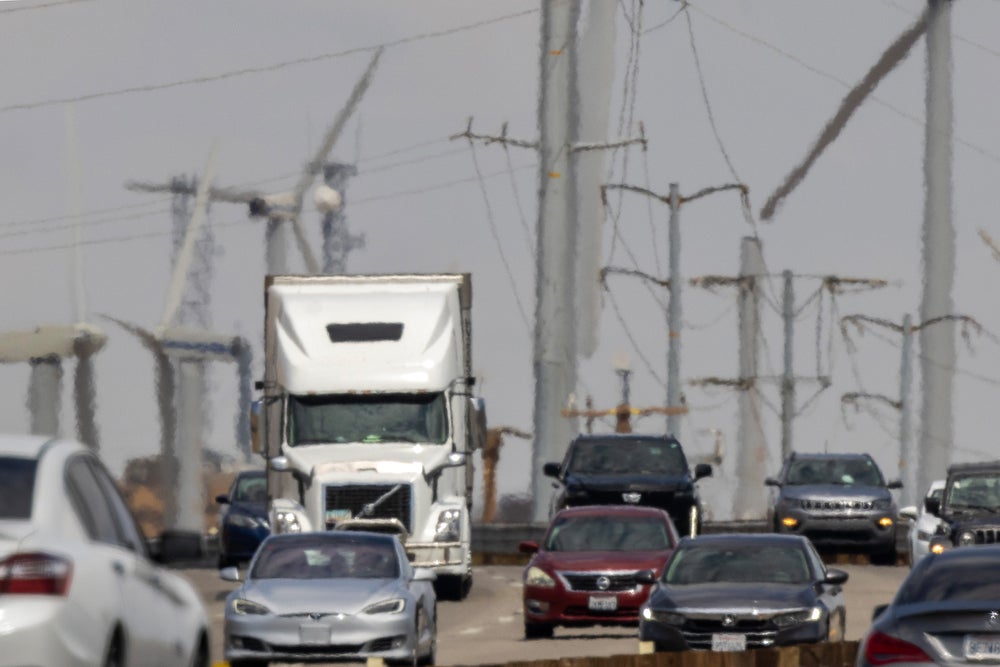

 Illustration by Matteo Giuseppe Pani. Source: Getty.
 James' World 2