
Click the link below the picture
.
In 2026, frugality might feel to some more like a survival strategy than a lifestyle choice. A recent survey by price comparison site, Lenspricer, found that people across the country are adopting “broke behaviors,” from skipping delivery fees to delaying purchases, to cope with the rising cost of living.
The online survey of just over 3,000 adult U.S. respondents highlights an interesting trend. People across the country are making strategic (though often small) adjustments to fine-tune their spending and hopefully save money in the long run.
Yet the real “win” may not be just saving $5 on a pickup order; it’s leveraging those good (or bad) frugal habits to create a tax-advantaged strategy.
For instance, you can reinvest your savings from a delivery into a health savings account (HSA) or maximize your contributions to a 529 plan for your kid’s education. Lowering your tax bill can also help cover increased expenses and grow wealth in other areas, like retirement.So here’s how to turn “broke planning” habits into legitimate wealth-building in 2026.
1. Obsessively turning off lights
California, New York, and North Carolina are just a few states that lead the nation in saving on electricity by “obsessively” turning off lights, according to the Lenspricer survey.
Although switching off lights might save the annual household $25 to $172 per year (depending on bulb wattage, hours of operation, and utility rates), the “tax advantage” may be in your home’s infrastructure.
How to turn “energy efficient” habits into potential tax savings:
- Electric vehicle (EV) charger installation. Installing a home charging station before June 30, 2026, could net you a tax credit of up to 30% of the cost (capped at $1,000), provided your addition is eligible.
- Adding insulation to walls and ceilings to improve energy efficiency. You may obtain cost savings by reducing “leakage” of hot air inside a cool house, or vice versa.
For the second bullet, if your home upgrades follow the IRS rules for “medically necessary,” they may be deductible on next year’s federal return. However, be sure the renovations meet the federal tax agency’s strict eligibility requirements.
2. Reusing something you probably shouldn’t have
Residents in high-tax state Massachusetts reportedly admitted to reusing items they probably shouldn’t.
While this may include innocuous items like washing and reusing plastic containers or cutlery, it can also extend to potentially dangerous behaviors, like wearing prescription contacts past expiration.
But in the tax world, “recycling” can be a high-pay-off plan.
How to “reuse, recycle” in a tax strategy:
- Roth conversions. Early retirement years (between retirement and age 73) are typically lower-income, making them perhaps ideal to “reuse” lower federal tax brackets to convert traditional IRA funds to a Roth IRA.
- Tax-loss harvesting. “Recycle” your investment losses by netting them against capital gains to lower your taxable income. However, you’ll want to watch the wash sale rule if you plan on repurchasing any securities.
3. Waiting weeks for a sale
Maryland and Iowa residents are more likely to practice the “wait-and-see” purchase method, according to the Lenspricer survey. This means they’re waiting days, even weeks, to see if an item will go on sale before making a purchase. You can use a similar practice for deductions on federal income taxes.
How to turn “waiting for the sale” habits into a tax strategy:
- Bunching deductions. Between new rules for 2026 charitable deductions and a higher standard deduction, next year’s return might be harder to itemize compared to years past.
- You can potentially navigate around this obstacle by “waiting” and stacking two years’ worth of charitable donations or medical expenses into a single tax year, thus perhaps surpassing the thresholds.
4. ‘Doomscrolling’ your bank app
New Jersey, Florida, and Tennessee residents — to name a few — may check their banking apps like they’re social media, according to the Lenspricer survey.
Even though staying on top of your finances is prudent, “financial doomscrolling” to the point of obsession can increase feelings of anxiety and stress and even impair decision-making.
Fortunately, in 2026, you can hand over that anxiety to a well-planned tax strategy.
How to help minimize the “doomscrolling” habit for your taxes:
-
Use the IRS tax withholding estimator. If you faced an underpayment penalty (or abnormally high tax refund) during the 2026 tax season, you can use the withholding estimator to maximize your tax home pay this year. That can give you more funds in your pocket (or save you from a large surprise tax bill later), without anxiously wondering whether you’re paying the “right” amount of tax throughout the year.
-
Leverage automated investment platforms to handle decisions like tax-loss harvesting for you. Look for platforms that offer investment oversight and tax planning, which could free you from manual daily tracking of tax-oriented goals.
.
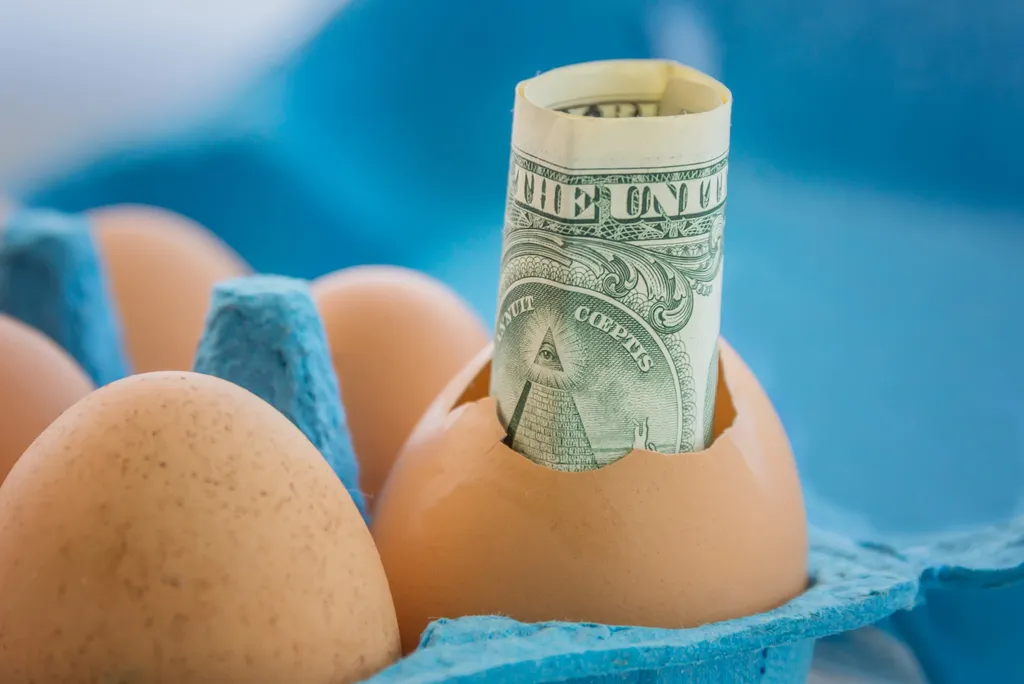 (Image credit: Getty Images)
.
.
Click the link below for the complete article:
.
__________________________________________


Leave a Reply