
Click the link below the picture
.
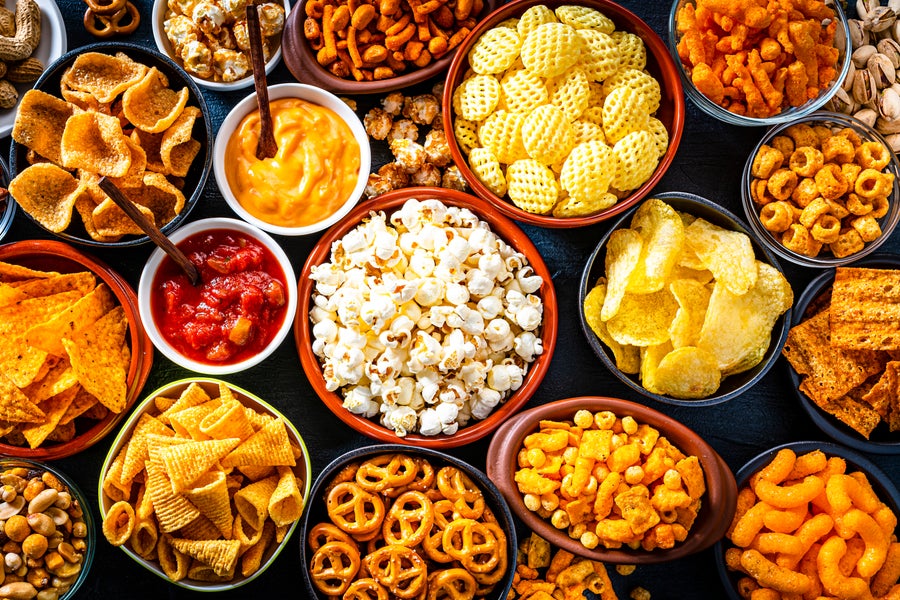
Climbing rates of colon and rectal cancer among people under 50 years old is a striking recent trend that has alarmed and puzzled clinicians racing to figure out why. Now a new study published in Gut offers what might be a crucial insight: specific lipids, or fatty acids, that are abundantly found in ultra-processed foods may be promoting inflammation that causes cancerous colon cells to run amok.
Colorectal cancer tumor samples from 81 people in the U.S. had excessive amounts of inflammation-boosting lipids, called omega-6 fatty acids—and lacked helpful lipids called omega-3 fatty acids, which help stop inflammation.
Inflammation is a normal defensive response that the immune system switches on to heal wounds or fight off infection. But researchers in the 1800s found that colon tumors under a microscope looked like “poorly healed wounds,” says Timothy Yeatman, a co-author of the study and a professor of surgery at the University of South Florida. Rampant inflammation over long periods of time damages cells and hampers their ability to fight potentially cancerous cell growth. Omega-6 fatty acids often come from our diet, and Yeatman suspects ultraprocessed food is likely a major source of them.
“We don’t know the full effects of these ultraprocessed foods on our body, but we do know that that’s a major thing that’s changed from 1950 onward,” Yeatman says. “Young people today, particularly rural and impoverished people, are being exposed to more of these processed foods than anybody else because they’re cheap and they’re in all the fast-food restaurants.”
Many ultraprocessed foods and fast foods are prepared with seed oil—a cheap, common type of vegetable-based cooking oil that is chemically processed from seeds such as canola (rapeseed), corn, grapeseed, and sunflower. These oils contain high amounts of omega-6 fatty acids. The study was not able to definitively connect the lipids detected in the colon cancer tumors to any specific food or oil, however.
“I think the study confirms that diet is important but probably one of many factors,” says Andrew Chan, a gastroenterologist at Massachusetts General Hospital and a professor of medicine at Harvard Medical School, who was not involved in the new research. Chan and other researchers note that genetics, exercise, lifestyle, and chemical or environmental exposures may influence colon cancer risk, too. Additionally, “there’s a lot of complexity to the food we eat, how it’s converted, how it’s metabolized, and how it might eventually lead to tissue changes around things like lipids,” Chan says. “So there are still some pieces that need to be filled in before we can really tell a cohesive story about it.”
.
 fcafotodigital/Getty Images
.
.
Click the link below for the complete article:
.
__________________________________________
 James' World 2
Dec 18, 2024 @ 02:43:47
Nice post
LikeLike
Dec 18, 2024 @ 07:23:05
Thank you sir, all the things I love ❤️
LikeLiked by 1 person
Dec 18, 2024 @ 14:54:57
Our food habits are the cause of some diseases. Well shared 💐
LikeLike