
Click the link below the picture
.
I live in a one-bedroom “garden” apartment, which means that I get to have my own front door, porch, and small strip of flower bed. The only downside? The flower bed is under the porch roof, which means it’s constantly damp and shady, and also an ideal mosquito habitat.
So this year, after frantically trying to squash a few rogue mosquitoes that snuck indoors while I was carrying in groceries, I’ve decided to get myself some mosquito-repelling plants.
Yes, there are some plants that mosquitoes don’t like, due to their potent smell. The oils of some of these plants are used to formulate natural mosquito repellents, but there’s also some preliminary research to suggest that some live plants can also help keep at least some mosquitoes away.
I’m not expecting my mosquito-repelling plants to work miracles, but hopefully, they’ll discourage a few of those blood-suckers from coming too close. If you’re out doing a bit of weeding, or flipping burgers on the grill, try crushing the leaves of these plants and rubbing the oils on your skin to get the most protection.
Want to try growing your own mosquito-resistant garden? Here’s what you should plant.
Citronella Grass
The essential oil from citronella grass is used to make those insect-repellent candles you’ve probably come across at a summer barbecue. Make sure you’re buying the tall spiky grass Cymbopogon nardus, not “citronella plant” (Pelargonium citrosum), which is actually a type of geranium that smells similar to citronella but doesn’t contain the same mosquito-repelling oils. Citronella grass prefers partial sun and moist, loamy soil, so water every day if you’re growing it in a container. It is a perennial in tropical climates, but can be grown as an annual in colder places.
.
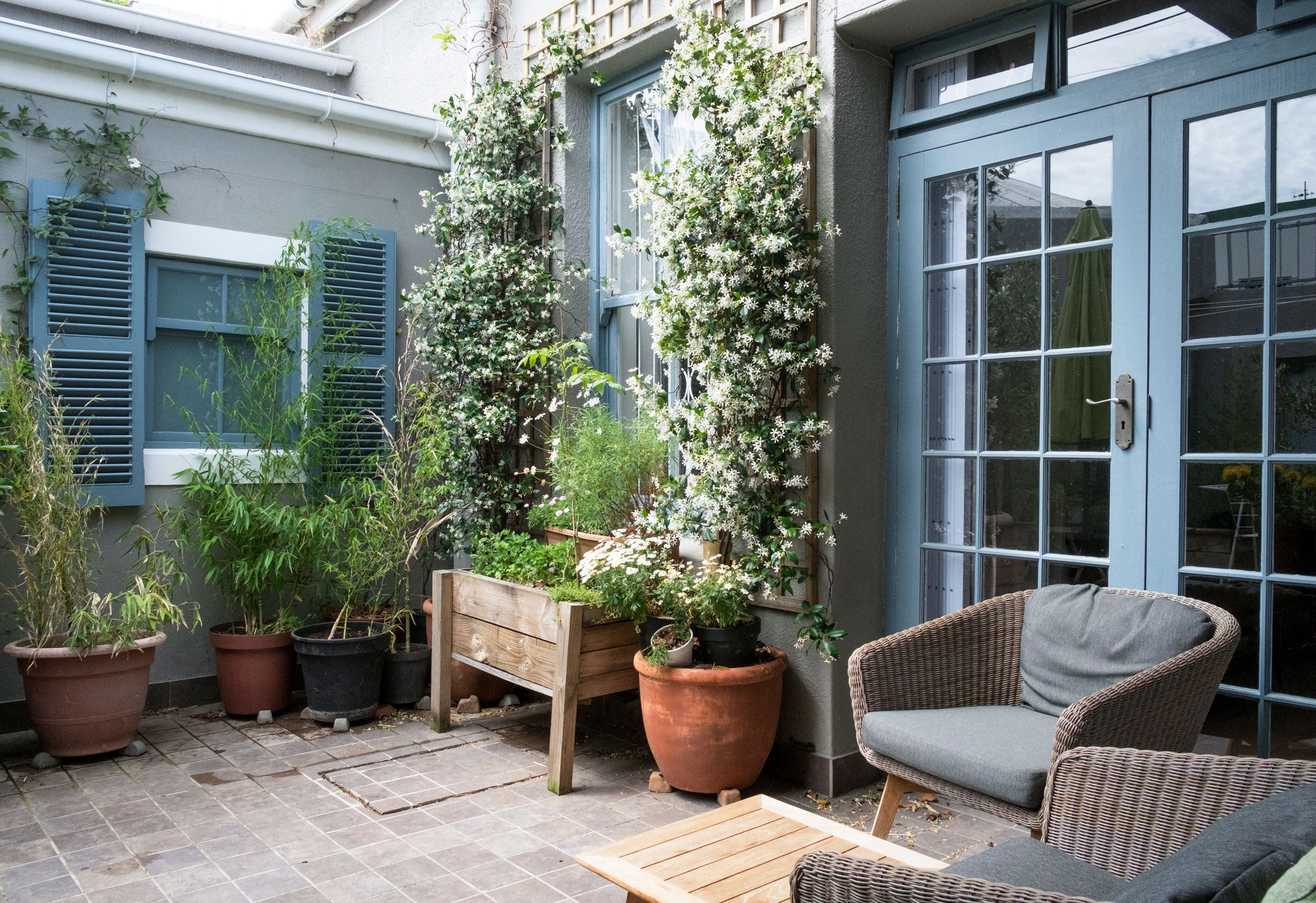 Photo by Lana Kenney
.
.
Click the link below for the article:
.
__________________________________________
 James' World 2
Nov 24, 2023 @ 00:42:37
Thank you for sharing this very helpful information 😊🌏
LikeLiked by 1 person