
Click the link below the picture
.
At first glance, Renée DiResta thought the LinkedIn message seemed normal enough.
The sender, Keenan Ramsey, mentioned that they both belonged to a LinkedIn group for entrepreneurs. She punctuated her greeting with a grinning emoji before pivoting to a pitch for software.
“Quick question — have you ever considered or looked into a unified approach to message, video, and phone on any device, anywhere?”
DiResta wasn’t interested and would have ignored the message entirely, but then she looked closer at Ramsey’s profile picture. Little things seemed off in what should have been a typical corporate headshot. Ramsey was wearing only one earring. Bits of her hair disappeared and then reappeared. Her eyes were aligned right in the middle of the image.
“The face jumped out at me as being fake,” said DiResta, a veteran researcher who has studied Russian disinformation campaigns and anti-vaccine conspiracies. To her trained eye, these anomalies were red flags that Ramsey’s photo had likely been created by artificial intelligence.
That chance message launched DiResta and her colleague Josh Goldstein at the Stanford Internet Observatory on an investigation that uncovered more than 1,000 LinkedIn profiles using what appear to be faces created by artificial intelligence.
.
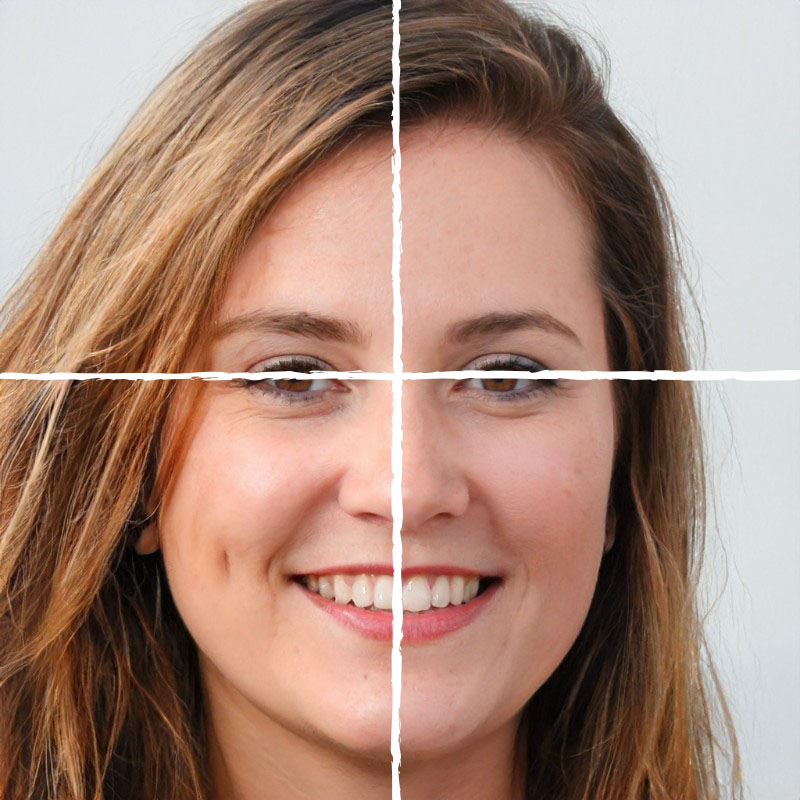
Some of the likely AI-generated faces from fake LinkedIn profiles identified by Stanford University researchers. The central positioning of the eyes is a telltale sign of a computer-created face. Click on the animation to pause. Source: Stanford Internet Observatory Credit: Connie Hanzhang Jin/NPR
.
.
Click the link below for the article:
.
__________________________________________
 James' World 2
Leave a comment