
Click the link below the picture
.
As the car with the blacked-out windows came to a halt in a sidestreet near Tübingen’s botanical gardens, keen-eyed passersby may have noticed something unusual about its number plate. In Germany, the first few letters usually denote the municipality where a vehicle is registered. The letter Y, however, is reserved for members of the armed forces.
Military men are a rare, not to say unwelcome, sight in Tübingen. A picturesque 15th-century university town that brought forth great German minds including the philosopher Hegel and the poet Friedrich Hölderlin, it is also a modern stronghold of the German Green party, thanks to its left-leaning academic population. In 2018, there was growing resistance on campus against plans to establish Europe’s leading artificial intelligence research hub in the surrounding area: the involvement of arms manufacturers in Tübingen’s “cyber valley”, argued students who occupied a lecture hall that year, brought shame to the university’s intellectual tradition.
Yet the two high-ranking officials in field-grey Bundeswehr uniforms who stepped out of the Y-plated vehicle on 1 February 2018 had traveled into hostile territory to shake hands on a collaboration with academia, the like of which the world had never seen before.
The name of the initiative was Project Cassandra: for the next two years, university researchers would use their expertise to help the German defense ministry predict the future.
.
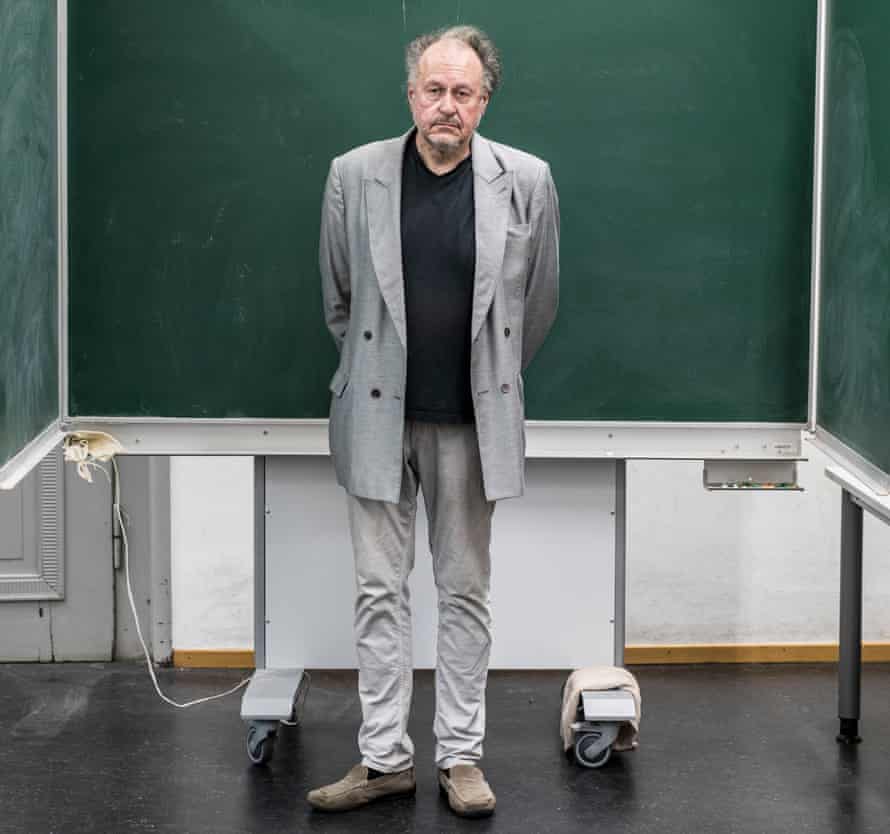 Jürgen Wertheimer, who set up Project Cassandra: ‘Writers operate on a plane that is both objective and subjective.’ Photograph: Dominik Gigler/The Guardian
.
.
Click the link below for the article:
.
__________________________________________
 James' World 2
Leave a comment