
Click the link below the picture
.
On April 26, 1986, Reactor No. 4 exploded at the Chernobyl Nuclear Power Plant in Ukraine, causing the worst nuclear accident in history. Now, thirty-five years later, smoldering nuclear “embers” are still buried within the Chernobyl site, raising questions about just what might happen there—and what’s at stake.
Ukrainian scientists recently realized that leftover nuclear fission fuel made of uranium has begun reacting again in an “inaccessible room” deep within a damaged area of the shuttered plant. The telltale sign is increased readings of neutron activity—a measurable byproduct of nuclear fission, according to the scientists from the Institute for Safety Problems of Nuclear Power Plants (ISPNPP) in Kyiv, Ukraine, who held discussions about dismantling the reactor last month, according to Science magazine.
Chernobyl Nuclear Power Plant is surrounded by a massive megastructure called Chernobyl New Safe Confinement (NSC). At NSC, there are hundreds of sensors working around the clock to monitor factors like air quality, and the sensors have detected increased neutron activity near the fallen reactor hall where the “embers” are.
.
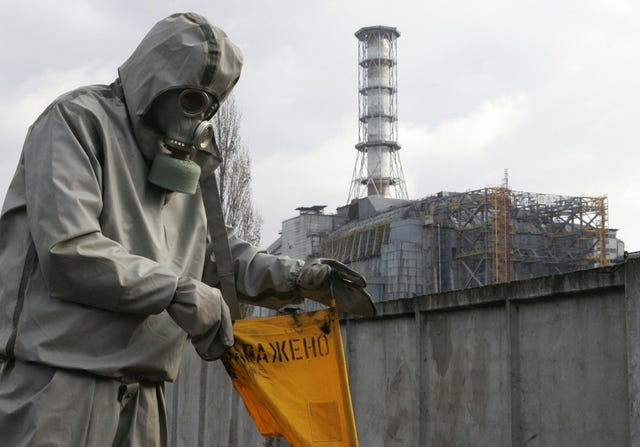
A melted amalgam of nuclear fuel at Chernobyl is beginning to react.
The issue is rainwater, which has activated materials buried deep within the closed plant.
The reaction could burn out naturally, but it could also require human intervention.
.
Click the link below for the article:
.
__________________________________________
 James' World 2
Leave a comment