The first time I truly took a break from social media was in 2015, at a summer camp for burned-out adults called “Camp Grounded.”
There were three rules: Take a camp name of your choosing, like Luna or Huckleberry, avoid talking about “W,” meaning work, and ditch all electronics at the door. At an arrival ceremony deep in the California Redwoods, volunteers in hazmat suits zipped up our devices into brown bags, leaving them locked away in a so-called “Robot Decontamination Area.”
That might seem extreme, a total gimmick.
But it prompted some deep discussion among my campmates. I recall arguing with friends about whether our experience was essentially a PG version of Burning Man, or a harbinger of something bigger, a growing discontent among millennials with social media.
It’s easy to be confused about how to grow in your career. My experience with even the most successful global companies is that they’re between average and poor at developing future talent. They’re often not transparent about your real needs and vague about the most effective development options.
The challenge is that you’re competing against every individual in your industry who wants to be a high performer. If you grow more capabilities more quickly than they do, you’ll perform better today, earn opportunities to perform better in the future, and a virtuous cycle will take hold. Development matters. So how can you chart the shortest, surest path to success?
Machines as intelligent as humans will be invented by 2029, predicts technologist Ray Kurzweil. “Nonsense,” retorts roboticist Rodney Brooks. By that time, he says, machines will only be as smart as a mouse. As for humanlike intelligence — that may arrive by 2200.
Between these two forecasts — machines with human intelligence in 11 or 182 years — lies much of the rest of the artificial intelligence community, a disputatious lot who disagree on nearly everything about their field, Martin Ford, author of “Architects of Intelligence,” tells Axios.
“Rise of the Robots” is a best-selling and well-reviewed book about a dystopian 2015 tract on the coming state of working humans in the new age of automation.
Today, he follows it up with “Architects of Intelligence,” a collection of interviews he conducted over the last year with almost two dozen of the West’s most illustrious artificial intelligence hands.
The Pacific Crest Trail, officially designated as the Pacific Crest National Scenic Trail (PCT) is a long-distance hiking and equestrian trail closely aligned with the highest portion of the Sierra Nevada and Cascade mountain ranges, which lie 100 to 150 miles (160 to 240 km) east of the U.S. Pacific coast.
There are nearly 3.5 million Muslims in America, and none celebrate Ramadan in the exact same way — here’s an intimate look at life during the holy month for four Muslim Americans.
It is a scene that plays out each weekday morning across Tokyo. Suit-clad office workers, gaggles of schoolchildren, and other travelers gamely wend their way through the city’s sprawling rail stations.
To the casual observer, it is chaos; commuters packed shoulder-to-shoulder amid the constant clatter of arriving and departing trains. But a closer look reveals something more beneath the surface: A station may be packed, yet commuters move smoothly along concourses and platforms. Platforms are a whirl of noisy activity, yet trains maintain remarkable on-time performance. Indeed, the staggering punctuality of the Japanese rail system occasionally becomes the focus of international headlines—as on May 11, when West Japan Railways issued a florid apology after one of its commuter trains left the station 25 seconds early.
Tokyo is home to the world’s busiest train stations, with the capital’s rail operators handling a combined 13 billion passenger trips annually. Ridership of that volume requires a deft blend of engineering, planning, and psychology. Beneath the bustle, unobtrusive features are designed to unconsciously manipulate passenger behavior, via light, sound, and other means. Japan’s boundless creativity in this realm reflects the deep consideration given to public transportation in the country.
.
Passengers line up for a bullet train at a platform in Tokyo Station. Photo by Yuya Shino/Reuters
In 2016, my wife and I hiked the Colorado Trail, a 486-mile, high-altitude trek from Denver to Durango. While it’s a challenging hike (only about 150 people complete the trail each year), the Colorado Trail Foundation says many hikers finish in four to six weeks.
The hike ended up taking us 29 days, though two of those were zeros, as they’re called—rest days spent resupplying in town. That’s an average of 18 miles a day for the 27 days we hiked. Short days tended to be around 15 miles, which took us eight to ten hours, but we sometimes hiked as many as 25 miles in a day.
I was curious to know what hiking every day for a month would do to my body. Before we headed to Colorado, I weighed myself at home, monitored my pulse for several weeks with a Polar watch, had my doctor run blood tests, and completed a metabolic efficiency test at Real Rehab, in Seattle, to see how my body was utilizing fat and carbohydrates for fuel during exercise. When I got home from the hike, I ran the tests again. The differences in the results were pretty striking.
When my husband and I became parents a decade ago, we were not prepared for the ways in which sexism was about to express itself in our relationship. Like me, he was enthralled by our daughters. Like him, I worked outside the home. And yet I was the one who found myself in charge of managing the details of our children’s lives.
Too often I’d spend frantic days looking for spring break child care only to hear him ask, “Oh, there’s no school tomorrow?” Or we’d arrive home late with two tired kids, and instead of spearheading their nighttime routine he’d disappear to brush his own teeth. Unless I pointed out these lapses (which he’ll tell you I often did, and I’ll tell you I often did not), he was unaware.
We’ve all heard this story before. Thinking about my own relationship, and watching the other couples I knew, I kept wondering: Why is this still happening?
A couple of hours after the Christchurch massacre, I was on the phone with Whitney Phillips, a Syracuse professor whose research focuses on online extremists and media manipulators. Toward the end of the call, our conversation took an unexpected turn.
Phillips said she was exhausted and distressed, and that she felt overwhelmed by the nature of her work. She described a “soul sucking” feeling stemming in part from an ethical conundrum tied to researching the ills of online extremism and amplification.
In a connected, searchable world, it’s hard to share information about extremists and their tactics without also sharing their toxic views. Too often, actions intended to stem the spread of false and dangerous ideologies only make things worse.
Film and Writing Festival for Comedy. Showcasing best of comedy short films at the FEEDBACK Film Festival. Plus, showcasing best of comedy novels, short stories, poems, screenplays (TV, short, feature) at the festival performed by professional actors.

 .
.
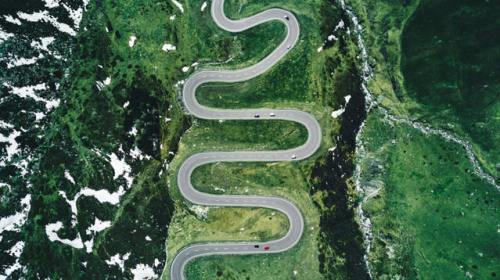 franckreporter/Getty Images
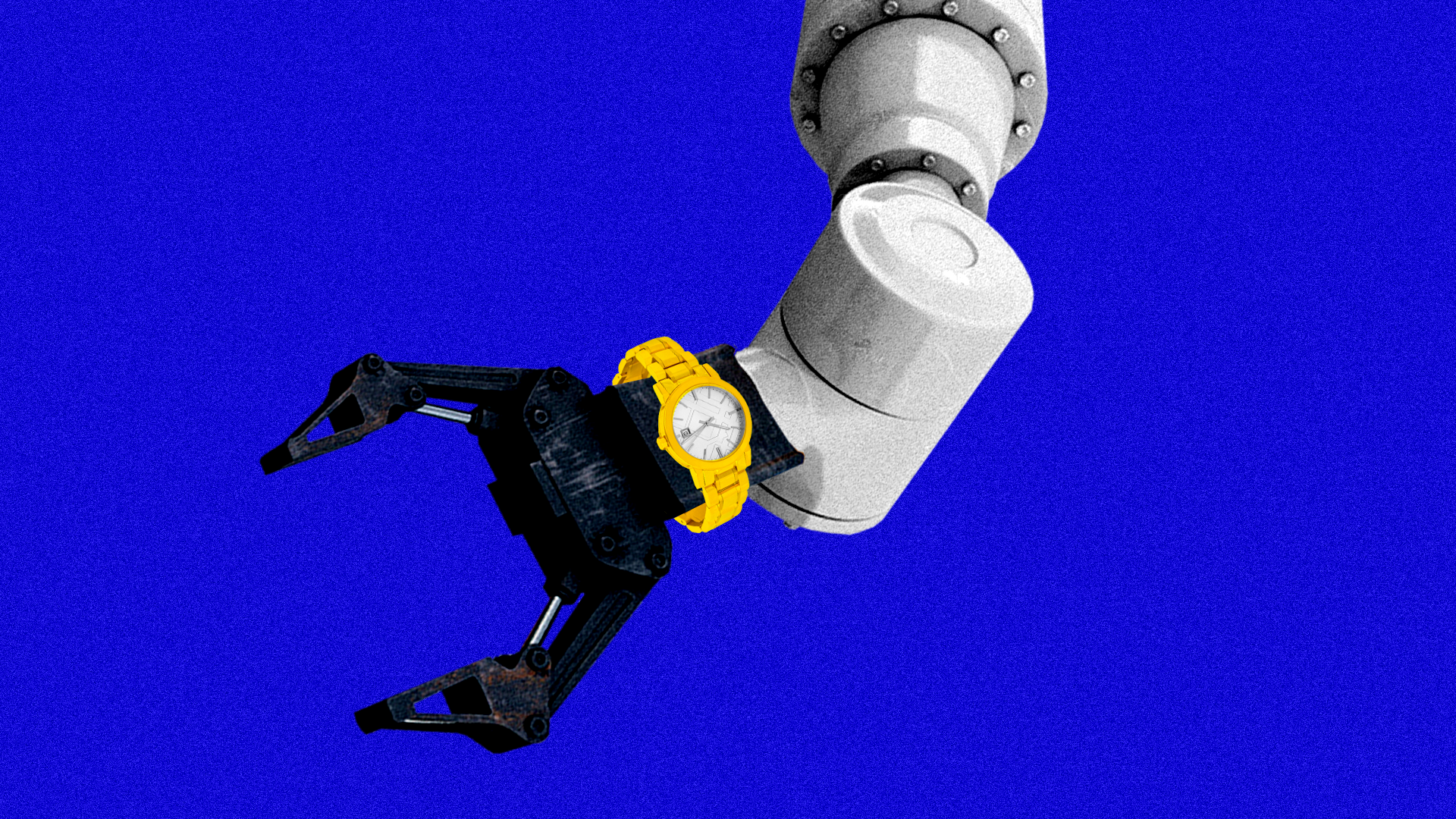


 An image of the Pacific Crest Trail
 .
.




 James' World 2