Republicans in Congress intend to cut about US$880 billion in federal health care spending.
One of their primary targets is Medicaid. That government program covers 82 million Americans with health insurance. Most of the people enrolled in the program are low income, have disabilities, or both.
Medicaid, jointly funded by the federal government and the states, is also the biggest funder in the U.S. of long-term care services, whether they are delivered in the patient’s home, another location where they spend part of their day, or a nursing home. That makes it particularly important for older adults and those with disabilities. All states must meet the basic federal guidelinesfor Medicaid coverage. But 41 states have opted to take advantage of the Affordable Care Act provision that expanded eligibility to cover more people under the program.
We are gerontology researchers who study health and financial well-being in later life. We’ve been analyzing what the potential impacts of Medicaid cuts might be.
While the debate about how to reduce the budget focuses largely on dollars and cents, we believe that cutting federal spending on Medicaid would harm the health and well-being of millions of Americans by reducing their access to care. In our view, it’s also likely that any savings achieved in the short term would be smaller than the long-term increase in health care costs born by the federal government, the states and patients, including for many Americans who are 65 and older.
Weak track record
Wary of backlash from their constituents, Republicans have agreed on a strategy that would largely cut Medicaid spending in a roundabout way.
Previous efforts by the GOP in some states, such as imposing work requirements for some people to get Medicaid benefits, have not greatly reduced costs. That’s largely because there are relatively few people enrolled in the Medicaid program who are physically able to be employed and aren’t already in the workforce. Nor have past efforts to reduce fraud, waste, and abuse led to significant savings.
According to widespread media reports, Republicans are considering changes that would cut the amount of money that the federal government reimburses states for what they spend on Medicaid.
In May 2025, the nonpartisan Congressional Budget Office estimated that 8.6 million Americans would lose their health insurance coverage should the GOP proposal become law.
Historically, states have dealt with budget cuts by reducing their payments to health care providers, limiting eligibility, or restricting benefits. These reductions all particularly affected home- and community-based services that many disabled and older adults rely on.
About 3 in 4 of the people with Medicaid coverage who receive long-term care through the program get that care at home, in their communities, or both, rather than residing in a nursing home. States save an estimated 26 cents for every dollar spent on those services delivered outside nursing homes.
Losing coverage can be harmful for your health
We recently analyzed data from a nationally representative study of approximately 6,000 people who had Medicaid coverage but lost it when they turned age 65 because their income exceeded 100% of the federal poverty level. In 2025, that cutoff is about $15,560 for a single person and $21,150 for a couple.
Medicaid income eligibility generally drops from 138% to 100% of the federal poverty level at age 65 once Medicare becomes a person’s primary health insurer.
The people who participated in the study had lost their Medicaid coverage upon turning 65 between 1998 and 2020. Our team followed the experiences of these participants over a 10-year period starting at age 65 to see how they fared compared with people who continue to be enrolled in Medicaid after their 65th birthday.
What we found was both surprising and disturbing.
Fewer activities of daily living
Over the decade following that milestone, the people who lost their Medicaid coverage had more chronic conditions and could perform fewer activities of daily living, such as bathing and getting dressed, without any assistance as compared with those who still had Medicaid coverage. In addition, they were twice as likely to experience depression and be in fair or poor health.
As people’s health worsened, they also went to the hospital more often and stayed there longer. They also used outpatient surgery services more frequently.
These services are particularly expensive for the health care system. Depending on the service, it may also be costly for patients. Unlike the comprehensive coverage of Medicaid, the Medicare program fully covers only inpatient hospitalizations, short-term nursing facility care, hospice, some short-term home care, annual wellness visits, vaccines and some basic preventive care. Beyond that, Medicare requires the payment of premiums to help with uncovered services that can also include deductibles and copays.
This arrangement can lead to significant out-of-pocket costs that make health care hard for low-income older adults to afford unless they have both Medicare and Medicaid coverage.
We also found that older people who lost Medicaid coverage were less likely to see their primary care physician for routine and follow-up care, despite being enrolled in Medicare. This explains in part why they are going to the hospital more often, likely avoiding routine health care that may incur out-of-pocket costs and eventually utilizing Medicare-covered hospital care when needed.
In short, we found that exiting the Medicaid program upon turning 65 actually leads to an increase in the use of some of the most expensive health care services, such as inpatient hospitalization and outpatient surgery. So although Medicaid may no longer pay for these costs, the rest of the health care system does.
.
Medicaid provides health insurance coverage for more than 82 million Americans. FatCamera/Getty Images
Donald Trump’s push to sharply ease oversight of the cryptocurrency industry, while he and his sons have fast expanded crypto ventures that have reaped billions of dollars from investors, including foreign ones, is raising alarm about ethical and legal issues.
Watchdog groups, congressional Democrats and some Republicans have levelled a firestorm of criticism at Trump for hawking his own meme coin, $Trump, a novelty crypto token with no inherent value, by personally hosting a 22 May dinner at his Virginia golf club for the 220 largest buyers of $Trump and a private “reception” for the 25 biggest buyers.
To attend the two events, the $Trump buyers spent about $148m, which will benefit Trump and partners, according to the crypto firm Inca Digital.
Further, the Trump family crypto venture World Liberty Financial that launched last fall, which his two oldest sons have promoted hard, was tapped this month to play a key part in a $2bn investment deal by an Abu Dhabi financial fund in the crypto exchange Binance, which in 2023 pleaded guilty to US money laundering and other violations.
The new WLF deal was announced at an Abu Dhabi crypto conference that drew Eric Trump two weeks before Trump’s mid-May visit to the United Arab Emirates capital, sparking other concerns of improper foreign influence and ethics issues.
Trump’s ardent pursuit of crypto fortunes was highlighted in a report last month from the watchdog group State Democracy Defenders Fund that estimated his crypto ventures as of mid-March to be worth about $2.9bn. That is a striking sum since Trump’s crypto ventures are less than a year old.
Senate Democrats, led by Jeff Merkley of Oregon and the minority leader, Chuck Schumer of New York, introduced a bill this month that has garnered sizable Democratic backing to block Trump from using his office to benefit his crypto businesses.
Watchdogs say Trump is exploiting his office for personal gain in unprecedented and dangerous ways.
“There is the appearance if not the reality of corruption in the upcoming dinner with Trump on the 22nd at his Virginia golf club for the 220 biggest Trump meme coin buyers and the private reception he’s promised for the top 25 buyers, plus the separate $2bn deal between World Liberty Financial and the Abu Dhabi investment vehicle,” said Richard Painter, a former White House ethics adviser to George W Bush who co-authored the Democracy Defenders Fund report.
“Trump is marketing access to himself as a way to profit his memecoin,” said the Columbia Law professor Richard Briffault, an expert on government ethics. Briffault added: “People are paying to meet Trump, and he’s the regulator in chief. It’s doubly corrupt. This is unprecedented. I don’t think there’s been anything like this in American history.”
Such concerns were fueled when Trump quickly chose crypto industry allies to run the Securities and Exchange Commission and as his “czar” for crypto and AI. Among other moves, the SEC has dropped or put on hold investigations and prosecutions of over a dozen crypto firms.
Fears of possible corruption have also focused on Chinese-born Justin Sun, the biggest investor in Trump’s crypto ventures. Sun bought about $20m of $Trump to become its top purchaser before the dinner on the 22nd, which he attended. Sun previously invested at least $75m in World Liberty Financial to become its lead investor and an adviser.
.
A $Trump memecoin, a novelty crypto token that has generated millions for the president and his family as buyers vie for access. Photograph: Jonathan Raa/NurPhoto/REX/Shutterstock
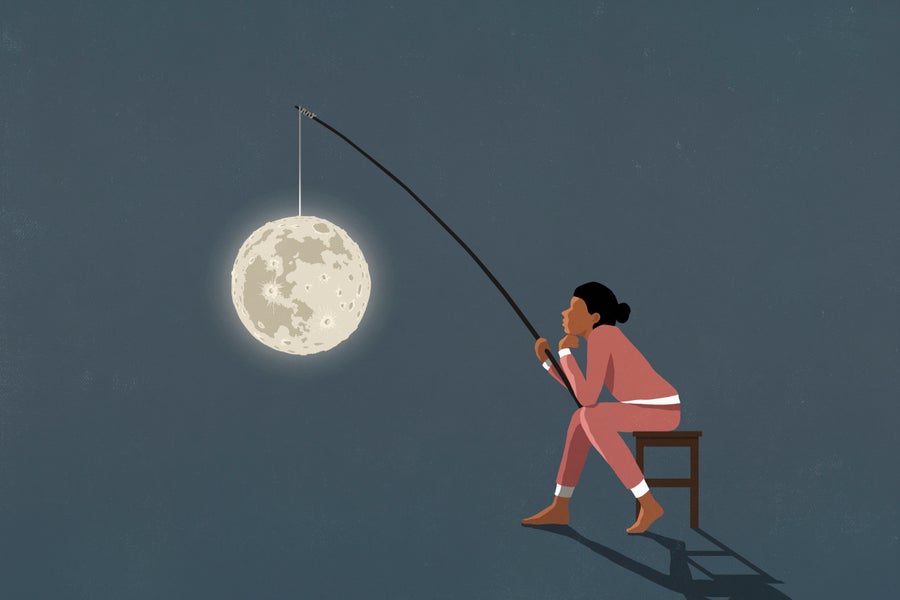
I never had issues with sleep until the COVID-19 pandemic. A couple of months into lockdown in 2020, I found myself unable to fall or stay asleep. My worries played on an unstoppable loop, and the longer I lay in bed, the more anxious I became about not sleeping. This vicious cycle left me exhausted. After a few months, I became depressed. It was time to get professional help.
This was the start of a years-long odyssey to find an effective sleep aid without negative side effects. The first medication I tried was 50 milligrams of an antihistamine called hydroxyzine, prescribed to me after a five-minute telehealth appointment. It effectively knocked me out, but it left me feeling so groggy the next morning that I struggled to get out of bed. I stopped taking it.
I lacked the energy to meet with a physician again, so I went back to relying on a grab bag of pills. These included over-the-counter melatonin, a hormone used to treat sleep problems; diphenhydramine, an antihistamine and sedative commonly sold as Benadryl; my husband’s gabapentin, which is prescribed to treat epilepsy and nerve pain but is commonly given as an anti-anxiety sleep aid; and tablets of questionable provenance that were labelled as alprazolam, used to treat anxiety conditions, which I acquired on a pre-pandemic trip to Sri Lanka. I rotated through these remedies in an attempt to not become overly reliant on any one of them.
Last year, my struggle to sleep markedly worsened. Stress still seemed to be in limitless supply. My identity is wrapped up in my job as a science journalist, but as the media industry continues to collapse in on itself, it is becoming more and more difficult to make ends meet. At night, my chest would tighten as I tried to imagine a viable future in my chosen career. Layered on top of that were the stressors of the 2024 US presidential election and interpersonal drama with my increasingly conservative father.
I found a sympathetic primary-care provider in the form of a physician’s assistant (PA) — a licensed medical professional who, in some states, can prescribe medications but isn’t actually a physician. She listened to my problems and asked me questions about my life. At the end of the appointment, she agreed that I should try the antidepressant bupropion. I was still having trouble sleeping, however, and my night-time anxiety spiked following the election. “Sadly, we are getting a lot of these messages,” my PA said when I told her about this. We added buspirone, an anti-anxiety medication, to my daily regimen. I immediately started sleeping better. But buspirone left me feeling deflated, numb, and unmotivated during the day. My PA suggested that, as long as I didn’t develop serious depressive thoughts, I should stick it out for a month to give my body time to adjust.
I agreed to give it more time. Then, about three weeks in, I woke up one night from a nightmare and felt something crawling through my hair. Then, I saw a flash of light, as though someone was standing over me, taking a photograph. I quickly realized that these had been hallucinations that occurred in the transition from sleep to wakefulness. Nothing like this had ever happened to me before, and the vividness of the experience was extremely disconcerting. The next day, I learnt that disturbed sleep is a side effect of buspirone. My PA agreed that I should stop the drug.
But, I still needed help to fall asleep. The obvious choice would have been benzodiazepines or ‘Z-drugs’ — classes of medications that have a sedative effect. But these drugs can also lead to dependency. Worryingly, too, a study in mice, published this year, found that one of these drugs, zolpidem (Ambien), might interfere with the brain’s ability to clear waste, including toxic molecules associated with Alzheimer’s disease. These results still need to be replicated in humans, but they do mirror findings from at least one observational study. I told my PA I wanted to steer clear of these medications.
Through reporting for another story on sleep medication for this Nature Outlook, I was cautiously excited to learn about a new class of insomnia medications known as dual orexin receptor antagonist (DORA) drugs. These work by blocking a molecule that promotes wakefulness, and they have fewer side effects and a lower risk of dependence compared with other sleep aids. My PA was familiar with one of them, Belsomra, and said I could try it.
It took almost three weeks for me to receive the prescription, and my insurance would not cover it. There are no generic DORA drugs. Thirty daily tablets of Belsomra was going to cost me an astronomical US$500. But, I was desperate to get some sleep, and my pharmacist was able to find a coupon that knocked $150 off the bill. I sucked it up and paid.
As I write this, I’ve been taking Belsomra on and off for a month. When it works well, I fall asleep quickly and soundly, and wake up feeling clear-headed and rested. About one-quarter of the time, however, my anxiety manages to cut through the medication, and I struggle to fall asleep. My PA said that I can try doubling my dose to the maximum 20 milligrams, by taking two tablets each night. But I haven’t tried this yet, because I’m aware that each pill I pop before bed is about the same price as ordering a fancy cocktail.
When it comes to fundraising, female-founded companies face daunting odds. In 2024, wholly women-led companies attracted just 1 percent of venture capital funding, according to PitchBook. Still, many have prevailed—often by thinking outside the box. Their stories aren’t just about the millions (and in some cases, hundreds of millions) they’ve raised, but about their strategy: executed with confidence, creativity, and zero desire to fit into anybody’s mold.
They offer clear and candid advice on what actually worked, from pitching unlikely partners to skipping VC funding entirely. One founder even landed John Deere as a lead investor. If you’re fundraising or remotely thinking about it, here are seven tips on how to do it differently.
1. Don’t wait for perfection
“Don’t be afraid to invite people in at the ground floor. I think sometimes you can feel like you have to wait until the thing is built and it’s perfect, and it’s out in the world, and it’s successful. But I think the way you build something quick, and the way you make something successful is by inviting the right people in at the ground level.” —Elaine Welteroth, founder of birthFUND, a maternal health investment initiative, raised $1.85 million.
2. Pitch your partners
“The biggest problem with agriculture is that it’s highly consolidated. There’s just a handful of companies that sell to farmers, and they really don’t want to sell anything new. But farmers are actually great at adopting technology, they’re incredibly open-minded. We just needed to figure out how to get our technology into farmers’ hands as fast as possible. We pitched our tech to John Deere and they ended up leading our Series A. It’s an incredible partnership because we’re doing something that fits 100 percent into their strategic initiatives, and they help us increase our brand awareness.” —Shely Aronov, co-founder and CEO of InnerPlant, an agriculture tech company developing biosensing plants, raised $51.65 million.
3. Lead with belief
“Don’t be intimidated by fundraising. If you go in with energy and enthusiasm for something that you’re really passionate about and you truly believe that what you’re doing is needed, the people who are considering giving you money will want to learn more.” —Georgia Gaveras, co-founder and chief medical officer of Talkiatry, a digital mental health provider, raised $242 million.
4. Put clients before capital
“Your best investor is your client. If your clients are happy with your product, you will always have—like in the case of Creatio—a ton of investors who will be knocking [on] your doors and will be excited to invest in you. When you’re laser-focused on clients from day one—finding new clients, serving them, making them your raving fans, making them absolutely excited about the product, developing relationships with your clients—when all your focus and attention goes not into your personal PR, not into speaking engagements, startup competitions, and the fanciest products, but literally into your clients, it all starts working as a flywheel. Because clients, they actually bring life to your company, because it’s the best evidence that what you deliver actually brings value, and that’s the most important thing.” —Katherine Kostereva, founder and CEO of Creatio, a no-code platform for workflow automation and CRM, raised $268 million
5. Prove it with product
“In a venture business, there’s a lot of unconscious and conscious bias for women out there. When I first tried to raise money, I had a VC telling me, ‘I’m a Caucasian guy with gray hair. How can you raise funding for a company without even a single gray hair, and without being a Caucasian man?’ And I was like, ‘Well, you can raise money without a product, but I would rather raise money with a product.’ Eventually, we became one of the most successful companies in our portfolio.” —Siyu Huang, co-founder and CEO of Factorial Energy, a developer of solid-state battery tech, raised $250 million
6. Know what you want
“It’s also really important to understand what’s in fundraising for you. What kind of business do you want, ultimately, what kind of money do you want to make? It’s important that what you personally want is also aligned with what the investors want, and then it’s much easier to succeed. If actually what you want isn’t quite what the investors are looking for, they’ll see that, and it will be very difficult to fundraise.” —Madison Maxey, founder and CEO of Loomia, a materials science company focused on e-textiles, raised $2 million
7. Be the pioneer
“You get very few opportunities to be the first person to do something. It’s a thrill, but sometimes the pathway is so uncharted and the white space is so vast that I think there’s too much opportunity. The most difficult part of building a business on the cutting edge is there’s no playbook to follow. It’s harder to tell if you’re deploying your first-mover advantage in the right way or focusing on the right opportunity within this huge opportunity set.” —Jiani Zeng, co-founder and CPO of Butlr, an anonymous occupancy detection platform for traffic monitoring, raised $68 million
A single atom has performed the first full quantum simulations of how certain molecules react to light. The researchers who carried out the feat say that their minimalistic approach could dramatically speed the path towards a ‘quantum advantage’ — when quantum computers will be able to predict the behaviour of chemicals or materials in ways that are beyond the reach of ordinary computers.
“The key advantage of this approach is that it is incredibly hardware-efficient,” says Ting Rei Tan, an experimental quantum physicist at the University of Sydney. The single atom can encode the information that is normally spread across a dozen or so ‘qubits’, the computational units used in most quantum computers. The findings were published on 14 May in the Journal of the American Chemical Society.
No quantum computer had simulated this level of complexity in the energy levels of molecules before, says Alán Aspuru-Guzik, a computational chemist at the University of Toronto in Canada. “This is a tour-de-force that will remain in the history books.”
Excited electrons
Tan and his colleagues simulated the behaviour of three different organic molecules, allene, butatriene and pyrazine, when they are hit with an energetic particle called a photon. When this happens, it triggers a cascade of events in the molecule that affects both how its atoms move with respect to each other — vibrating like balls connected by springs — and how its electrons jump to higher-energy, or excited, states. Understanding the precise sequence of these events can help chemists to design molecules that channel energy in the most useful or efficient way, for example in solar panels or in sunscreen lotion.
The researchers found a way to encode these different parameters into a single ytterbium ion trapped in a vacuum using pulsating electric fields: the excitations of the molecule’s electrons corresponded to similar excitations in one of the ion’s electrons, and two different vibrational modes were represented by the ion wiggling inside its trap in two different directions. The team also nudged the ion with laser pulses to tailor how all of the states interacted with one another. This forced the ion to evolve over time, meaning it could mimic how the corresponding molecules act after being hit by a photon.
The team then read off the state of the virtual molecules at a sequence of different stages by measuring the changing probability that the ion’s electron was in an excited state over time.
The results matched what was known about these three molecules, which validates the approach, Tan says. Allene, butatriene and pyrazine are still simple enough to be studied with ordinary computer simulations, but these run out of steam when they have to embody 20 or so vibrational modes, which is not uncommon for more complex molecules.
Kenneth Brown, a quantum engineer at Duke University in Durham, North Carolina, calls the study “great work”, and says that it’s the first time that researchers have shown how to tune such a technique to mimic the properties of specific molecules.
Simulating the chemistry of molecules and materials is often described as one of the most promising uses for quantum computers — but one that will produce useful results only once the machines have scaled up to many millions of qubits. Tan and his collaborators predict that with their approach, a quantum computer could be able to do useful simulations using only a few dozen ions.
.
A view inside the trapped-ion quantum computer that carried out a first-of-its-kind simulation of molecular chemistry. The University of Sydney/Sciencebrush.design
Four partners at Paul Weiss announced Friday that they are leaving the white-shoe firm, which two months ago struck a deal with the Trump administration.
Karen Dunn, a star litigator who has helped Democratic candidates prepare for presidential debates, her longtime partners Bill Isaacson and Jessica Phillips, and the former prosecutor Jeannie Rhee said in an email addressed to “partners and friends” that they are starting their own firm.
The high-profile departures underscore the ongoing turmoil at Big Law firms surrounding the firms’ handling of punitive executive actions from President Donald Trump’s administration. The departing lawyers did not give a reason for leaving in their statement.
Several major firms — including Perkins Coie and Jenner & Block — chose to challenge the legality of the orders in court, and have so far been successful after two judges declared two different orders unconstitutional. Other firms, including Paul Weiss, chose to make deals with the administration, prompting concern among associates and partners over their willingness to cooperate rather than fight.
The new firm’s name isn’t clear. Since April, several domain names containing Dunn’s name and those of other lawyers have been registered anonymously. None of the websites contains any details, and it’s not clear who registered them.
The lawyers have represented prominent clients like Google, Amazon, and Apple over the years. Isaacson is one of the country’s top antitrust litigators. Antitrust issues have been a focus for both former President Joe Biden and Trump, who have criticized the power of large tech companies. Rhee managed the firm’s Washington, DC, office, and Dunn co-chaired its litigation department.
“It has been an honor to work alongside such talented lawyers and to call so many of you our friends,” their departing email said. “We hope to continue to collaborate with all of you in the years to come and are incredibly grateful for your warm and generous partnership.”
Paul Weiss’s chair, Brad Karp, said in a statement, “We are grateful to Bill, Jeannie, Jessica, and Karen for their many contributions to the firm. We wish them well in their future endeavors.”
The departures come several months after the Trump administration began targeting Big Law firms with punitive executive actions. Among them was Paul Weiss, which faced an executive order that revoked the security clearances of the firm’s attorneys and ordered a review of its government contracts.
On March 20, Trump announced on Truth Social that he would drop the executive order against Paul Weiss after negotiating a deal that would require the firm to end any diversity, equity, and inclusion initiatives in its hiring practices and contribute $40 million of pro bono legal services to causes aligned with the administration’s priorities, such as veterans affairs issues and the administration’s antisemitism task force.
Business Insider previously reported that the copy of the deal shared internally among Paul Weiss partners omitted language regarding DEI that was present in the president’s announcement.
Other firms that chose to negotiate with Trump also saw high-profile departures from partners and associates concerned with their firms’ decisions not to challenge the administration.
.
Attorneys Karen Dunn (left) and Jeannie Rhee (right), along with their fellow partners, Bill Isaacson and Jessica Phillips, have resigned from Paul Weiss to start their own firm. Kevin Lamarque/REUTERS
The Indigenous peoples of the Bolivian highlands are survivors. For thousands of years, they have lived at altitudes of more than two miles, where oxygen is about 35 percent lower than at sea level. This type of setting is among the harshest environments humans have ever inhabited. Scientists have recognized for some time that these residents of the Andes Mountains have evolved genetic adaptations to the thin air of their lofty home. Now, researchers are learning that they have also evolved another remarkable genetic adaptation since their ancestors first settled the highlands of South America around 10,000 years ago.
In the volcanic bedrock of the Andes, arsenic is naturally abundant and leaches into the drinking water. The dangers it poses are well known: inorganic arsenic is associated with cancers, skin lesions, heart disease, diabetes, and infant mortality in other populations. But the biochemistry of Andeans has evolved to efficiently metabolize this notoriously toxic substance. Populations in Bolivia—along with groups in Argentina and Chile—have evolved variants around the gene AS3MT, which makes enzymes that break down arsenic in the liver. It is a prime example of natural selection, the evolutionary process by which organisms adapt to their environments to survive longer and produce more offspring. Apparently, natural selection among the Uru, Aymara, and Quechua peoples of the Bolivian Altiplano took DNA sequences that are present but rare in other populations around the world and increased their frequency to the point where the normally uncommon sequences are predominant in these groups. The case is one of many discoveries of relatively recent biological adaptation that could upend a long-standing idea about the evolution of our species.
For most of the 21st century, many evolutionary biologists have assumed that humans evolved at a leisurely pace in recent millennia, in contrast to the dramatic transformations that occurred earlier in our prehistory. The oldest known members of the human family evolved in Africa around six million to seven million years ago and looked apelike in many ways. Our own species, Homo sapiens, arose in Africa a few hundred thousand years ago and began venturing into other parts of the world in significant numbers around 60,000 years ago. By that point, our physical appearance seems to have settled into an evolutionary plateau, with only minor differences among human populations around the globe. After natural selection had worked its wonders for millions of years, transforming small-brained quadrupeds into large-brained bipeds, it appeared that biological evolution had slowed to a crawl in our lineage as H. sapiens developed agriculture, founded civilizations, and transformed the planet.
Early studies of the DNA of modern people turned up few fixed differences—genetic variants possessed exclusively by one population, which seemed to confirm this apparent stasis. Consequently, many scholars believed that the latest chapter of the human saga revolved around cultural changes rather than biological ones—figuring out more reliable means of obtaining food instead of changing our digestive or metabolic systems, for instance.
But advances in the sequencing of ancient and modern DNA have allowed scientists to look more closely at how our genetic code has evolved over time, and the results are startling. Genetic studies suggest that H. sapiens experienced many major episodes of natural selection in the past few thousand years as our ancestors fanned across the globe and entered new environments containing foods, diseases, and toxic substances they had never before encountered. “It shows the plasticity of the human genome,” says Karin Broberg of the Karolinska Institute in Sweden, who studies the genetics of susceptibility to environmental toxic substances. “We’ve spread throughout the world, and we live in very extreme environments, and we’re able to make them our homes. We are like rats or cockroaches—extremely adaptable.” This research offers fresh insights into how our species conquered every corner of the planet. We didn’t manage this feat through cultural adaptation alone, as some scientists previously supposed. Rather, humans continued to evolve biologically to keep pace with the radical changes they were making in their ways of life as they pushed into terra incognita.
To appreciate how these evolutionary changes came about, it helps to know the basics of how DNA is structured and how it can vary among individuals and populations. The human genome contains about three billion nucleotide base pairs, the matched sets of two complementary nucleic acids that form the basic unit of our genetic code. The DNA sequences of people today are extremely similar; we differ on only about one tenth of a percent of the genome, or about one out of 1,000 positions. A difference between two people at any position on the genome is called a single nucleotide polymorphism, or SNP (pronounced “snip”). A variant of genetic code, which may be a single position or thousands, that differs between individuals is called an allele. In general, human populations share most of the same genetic variation and evolutionary history.
New research raises the possibility that recent human history involved far more dynamic evolution than previously thought.
In Darwinian biology, the classic conception of natural selection is a “hard sweep,” in which a beneficial mutation allows some individuals to survive longer or produce more offspring, such that eventually that variant becomes fixed in the population. In the early 2000s, when researchers were starting to look for signs of hard sweeps in the genomes of contemporary peoples, the clearest examples came from populations that had adapted to unique circumstances. For instance, around 42,000 years ago, a selective sweep changed a protein on the surface of red blood cells in Africans to boost their resistance to malaria. People in the Tibetan Highlands underwent selective sweeps for genes that helped them tolerate low oxygen (intriguingly, populations of the Himalayas, Andes, and Ethiopian highlands adapted to high altitude with different assortments of genes, taking different evolutionary paths to solve similar problems).
Some of the best-known selective sweeps happened in western Eurasia and involved alleles associated with diet, skin pigmentation, and immunity. Many of these sweeps are linked to the profound shifts wrought by the transition to agriculture. Around 8,500 years ago, early farmers spread an allele that helped them synthesize long-chain polyunsaturated fatty acids from plant-based foods. These fatty acids are essential for cell membranes, particularly in the brain, and hunter-gatherers obtained them easily from meat and seafood. The new genetic variant allowed agricultural populations to synthesize them from short-chain fatty acids found in plants. This variant was rare at first, but now it is present in about 60 percent of Europeans.
Likewise, as dairy farming rose, so, too, did a gene variant that helped people consume milk products into adulthood. When Stonehenge was built around 5,000 years ago, virtually no Europeans possessed the genes people need to digest milk as adults. In most mammals—and most human populations—the body ceases producing the milk-digesting enzyme lactase after weaning. Yet around 4,500 years ago, a gene that kept the lactase turned on in adulthood began to spread through Europe and South Asia. Another series of sweeps beginning around 8,000 years ago gave Eurasians their distinctive pale complexion. These changes reduced their production of the dark skin pigment known as melanin, which is believed to have allowed more sunlight to penetrate their skin and help them synthesize vitamin D, a nutrient in short supply among early agriculturalists.
If you’re like most parents, you might have your fair share of concerns about the bath toys your little one shoves into their mouth during bathtime. Maybe you have even seen the telltale signs of dirt and grime—and possibly even mold—when they squirt the toys at the wall of the tub.
Fortunately, there are safe and effective ways to not only clean your child’s toys, but extend their life and prevent mold. Below, cleaning experts and pediatricians explain the best ways to clean bath toys as well as offer tips for keeping them fresh for as long as possible.
Make a Bleach Solution
If you suspect your child’s bath toys have mold inside them, and you want to try to salvage them, the most effective cleaning option is using a diluted bleach solution. Just keep in mind that bleach is harsh and can damage toys.
“Bleach solution is effective because it kills bacteria and mold,” says Jonathan Jassey, DO, FAAP, a board-certified pediatrician and founder of Concierge Pediatrics.
A Word of Caution
Bleach is extremely toxic, so you will have to take great care in making sure the solution is strong enough to kill mold, but not so strong that it could pose a risk to your child.1 You also should ensure the toys are rinsed extremely thoroughly before giving them to your child.
For basic cleaning of toys, Kristin DiNicolantonio, MA, senior director of stakeholder communications at American Cleaning Institute, suggests making a solution of ¾ cup of chlorine bleach to one gallon of water.
“Scrub the toys using this solution and be sure to wear protective gloves and old clothes to prevent bleach damage on your garments,” says DiNicolantonio. “Make sure your space is well-ventilated.2 For hollow toys or toys designed to fill with water, be sure to squeeze out all liquid. Once the toys have been cleaned, leave them wet for five minutes, then rinse the toys in a clean sink and let them air dry.”
Use a Hydrogen Peroxide Spray
If you are looking for an alternative to bleach or if you want a cleaning method that you can use more frequently, try making a spray with hydrogen peroxide. While it is not as strong as bleach, researchers have found that it will fight against a number of microorganisms. For instance, it is effective in getting rid of viruses, fungi, spores, and bacteria. To use it, simply select a container of 3% hydrogen peroxide and put it in a spray bottle.
“Hydrogen peroxide is a solid bleach alternative,” says Taylor Riley, a father, cleaning expert, and partner at GermSmart Commercial Cleaning in Brooklyn, New York. “All you need to do is put it in a spray bottle and apply directly to the toys. Let it sit for 10 to 15 minutes then rinse thoroughly.”
Use the Dishwasher
Another option for cleaning and disinfecting toys is to use your dishwasher, says Lana Tkachenko, a cleaning expert at Force of Nature. “For hard toys, place them on the top rack of your dishwasher and run a hot water cycle with heat dry. Just make sure the toys are labeled dishwasher-safe first.”
For soft bath toys, she suggests using a lingerie bag and running them through a gentle cycle with hot water. Let them air dry completely before storing. She says you also can opt for an over-the-counter disinfectant spray. “It’s a simple way to add an extra layer of protection—without introducing harsh chemicals.”
Opt for the Washing Machine
You also can use your washing machine to clean bath toys, says DiNicolantonio. Just make sure the item is machine washable, then put the toys in a mesh laundry bag or pillowcase that is tightly secured at the top.
“Launder on a delicate cycle using cold water and regular detergent or laundry sanitizer,” she says. “Once the washing cycle is complete, let the items dry on a counter or in the sun until they are fully dried before storing them away.”
Handwash With Soap and Water
For daily cleaning, you can still sterilize your bath toys with soap and water, says Dr. Jassey. Simply fill a disinfected sink, basin, or container with hot water and a few squirts of dish soap.
Karissa Whitman, a mom of two and motherhood blogger at MomAfterBaby.com, says she often uses this method and recommends scrubbing each toy, rinsing it, and letting it air dry. If you submerge the toys in water, you should squeeze out any excess water as well. Also, if you are using extremely hot water, consider wearing gloves to protect your hands from the heat.
The idea that our workouts could benefit the trillions of microbes that live in our guts—bacteria and viruses that help our immune systems, metabolism, digestion, and other key bodily functions—isn’t obvious. At least it’s not as obvious as the connection between diet and the gut microbiome, as these microbes are called. But evidence is growing that an aerobic workout, such as jogging, can improve the health of the gut microbes, which in turn improves overall physical health. There are early indications that the relationship works the other way, too: a healthy gut microbiome seems to increase exercise capacity.
“When people think about the gut, they default to diet and probiotics,” says Sara Campbell, an exercise physiologist at Rutgers University who specializes in gut microbiota. But now many scientists are “moving toward the reality that exercise can be beneficial for the intestines,” she says.
A “healthy” microbiome usually means gut bacteria are abundant and diverse; exercise appears to affect both these qualities. The gut microbes of an elite athlete are more diverse than those of nonathletes or recreational athletes. But a more pertinent issue for health, says Jacob Allen, an exercise physiologist at the University of Illinois Urbana-Champaign, is “what the microbe is actually doing.”
Aerobic exercise encourages activity in bacteria that produce short-chain fatty acids, which provide essential support for physiological processes.
One important finding is that aerobic exercise encourages activity in bacteria that produce short-chain fatty acids, which provide essential support for physiological processes. Most fatty acid molecules consist of 16 or 18 carbons, but—as the name suggests—short-chain fatty acids range from just one to six.
Of these smaller molecules, butyrate has emerged as an especially important link between exercise and the gut. It supplies energy for a variety of tissues, including the epithelial cells lining the gut, and it can reduce inflammation and improve the ability of cells to take in insulin. Our bodies naturally make a little bit of butyrate, but most is produced by microbes, and its output is boosted by aerobic exercise. (Very few studies have looked at the connection between strength training and butyrate levels, and those that have didn’t find the same effect.)
This link between exercise and the gut was barely a glimmer in scientists’ eyes some 15 years ago, when exercise immunologist Marc Cook was a graduate student at the Urbana-Champaign campus. He knew exercise improved symptoms of inflammatory bowel disease, particularly the type called ulcerative colitis. But scientists didn’t understand why. Cook turned to mice to investigate and found that if they ran on a wheel, they were protected against a mouse version of colitis. In addition, there was a sevenfold increase in beneficial bacteria in the lining of the rodents’ colons.
In a 2018 study, Allen, Cook (who is now at North Carolina A&T State University), and others tested a gut-health exercise intervention in humans for the first time. They trained both lean and obese people, all of whom were sedentary, to exercise on a treadmill or bike. Everyone started at moderate intensity three days a week and increased to one hour of high-intensity exercise per session.
After six weeks, all participants showed increases in butyrate and two other short-chain fatty acids, acetate and propionate. They also got the expected benefits of exercise, such as reductions in fat mass and improvements in cardiorespiratory fitness. (All the effects were greater in lean people, a finding that the researchers don’t yet understand.) After a further six weeks in which everyone stopped exercising, microbes in the gut returned to baseline levels, and health benefits decreased.
Researchers haven’t fully teased out which effects of exercise can be directly attributed to microbiota versus the other changes brought on by physical activity, but there is a clear difference in gut environment. “We know there’s a slight shunting of blood toward the muscles and away from the gastrointestinal tract during exercise,” Allen says. That causes a small decrease in oxygen in gut tissue. There are changes in pH and temperature within the GI tract as well. Each of these shifts could affect which microbes survive.
Studies in humans are complicated by the enormous diversity of microbiomes
from person to person and from group to group. Researchers are now trying to account for differences in response. Campbell is investigating variations by sex. Cook is studying the effects of short-chain-fatty-acid-producing bacteria in Black people, who have a high rate of hypertension. In a pilot study, he and his colleagues identified bacteria associated with high blood pressure in Black athletes, and they hope to identify a target for intervention.
As for the effects of microbiota on exercise capacity, most of that evidence comes from mice. Animals dosed with antibiotics to kill off their microbiomes exercise less than mice with healthy microbiomes and reach exhaustion faster. Research has also shown that an intact gut microbiota contributes to more muscle development.
This evolving research doesn’t change the standard recommendation for human exercise, which is to engage in at least 150 minutes of moderate physical activity a week. But it adds strength to the arguments for doing such activity and may ultimately help explain why people respond to exercise differently. Someday there may even be a way boost the microbiome so that it responds better to time in the gym. Already, though, the science gives new meaning to the idea of gutting out your workout.
They are here represented as the most stupid, senseless people in the world, that would not be made wise by all the methods that Infinite Wisdom took to bring them to themselves and their right mind, and so to prevent the ruin that was coming upon them.
Idols
Whatever we make a god of but the true God only, it will stand us in no stead on the other side death and the grave, nor for the body, much less for the soul.
Film and Writing Festival for Comedy. Showcasing best of comedy short films at the FEEDBACK Film Festival. Plus, showcasing best of comedy novels, short stories, poems, screenplays (TV, short, feature) at the festival performed by professional actors.




 Malte Mueller




 Chris Gash
:max_bytes(150000):strip_icc()/parentsbathtoys-3f87361bffef40d79fa5cd0431505d5d.png)
 Jay Bendt
 James' World 2