Home

We Just Discovered the Sounds of Spacetime. Let’s Keep Listening

1 Comment

Click the link below the picture

.

Long ago, in a galaxy far away, two black holes danced around each other, drawing ever closer until they ended in a cosmic collision that sent ripples through the fabric of spacetime. These gravitational waves traveled for over a billion years before reaching Earth. On September 14, 2015, the Laser Interferometer Gravitational-Wave Observatory (LIGO) heard their chirping signal, marking the first-ever detection of such a cosmic collision.

Initially, scientists expected LIGO might detect just a few of these collisions. But now, nearing the first detection’s 10th anniversary, we have already observed more than 300 gravitational-wave events, uncovering entirely unexpected populations of black holes. Just lately, on July 14, LIGO scientists announced the discovery of the most massive merger of two black holes ever seen.

Gravitational-wave astronomy has become a global enterprise. Spearheaded by LIGO’s two cutting-edge detectors in the U.S. and strengthened through collaboration with detectors in Italy (Virgo) and Japan (KAGRA), the field has become one of the most data-rich and exciting frontiers in astrophysics. It tests fundamental aspects of general relativity, measures the expansion of the universe, and challenges our models of how stars live and die.

LIGO has also spurred the design and development of technologies beyond astronomy. For example, advances in quantum technologies, which reduce the noise and thereby improve LIGO’s detector sensitivity, have promising applications to both microelectronics and quantum computing.

Given all this, it comes as no surprise that the Nobel Prize in Physics was awarded to LIGO’s founders in 2017.

Yet despite this extraordinary success story, the field now faces an existential threat. The Trump administration has proposed slashing the total National Science Foundation (NSF) budget by more than half: a move so severe that one of the two LIGO detectors would be forced to shut down. Constructing and upgrading the two LIGO detectors required a public investment of approximately $1.4 billion as of 2022, so abandoning half this project now would constitute a gigantic waste. A U.S. Senate committee in mid-July pushed back against hobbling LIGO, but Congress has lately folded against administration budget cut demands, leaving it still on the table.

The proposed $19 million cut to the LIGO operations budget (a reduction from 2024 of some 40 percent) would be an act of stunning shortsightedness. With only one LIGO detector running, we will detect just 10 to 20 percent of the events we would have seen with both detectors operating. As a result, the U.S. will rapidly lose its leadership position in one of the most groundbreaking areas of modern science. Gravitational-wave astronomy, apart from being a technical success, is a fundamental shift in how we observe the universe. Walking away now would be like inventing the microscope, then tossing it aside before we had a good chance to look through the lens.

Here’s why losing one detector has such a devastating impact: The number of gravitational-wave events we expect to detect depends on how far our detectors can “see.” Currently, they can spot a binary black hole merger (like the one detected in 2015) out to a distance of seven billion light-years! With just one of the two LIGO detectors operating, the volume we can probe is reduced to just 35 percent of its original size, slashing the expected detection rate by the same fraction.

Moreover, distinguishing real gravitational-wave signals from noise is extremely challenging. Only when the same signal is observed in multiple detectors can we confidently identify it as a true gravitational-wave event, rather than, say, the vibrations of a passing truck. As a result, with just one detector operating, we can confirm only the most vanilla, unambiguous signals. This means we will miss extraordinary events like the one announced in mid-July.

Accounting for both the reduced detection volume and the fact that we can only confirm the vanilla events, we get to the dreaded 10 to 20 percent of the expected gravitational wave detections.

Lastly, we will also lose the ability to follow up on gravitational-wave events with traditional telescopes. Multiple detectors are necessary to triangulate an event’s position in the sky. This triangulation was essential for the follow-up of the first detection of a binary neutron star merger. By pinpointing the merger’s location in the sky, telescopes around the world could be called into action to capture an image of the explosion that accompanied the gravitational waves. This led to a cascade of new discoveries, including the realization in 2017 that such mergers comprise one of the main sources of gold in the universe.

Beyond LIGO, the proposed budget also terminates U.S. support for the European-led space-based gravitational-wave mission LISA and all but guarantees the cancellation of the next-generation gravitational wave detector Cosmic Explorer. The U.S. is thus poised to lose its global leadership position. As Europe and China move forward with ambitious projects like the Einstein Telescope, LISA and TianQin, this could result not only in missing the next wave of breakthroughs but also in a significant brain drain.

We cannot predict what discoveries still lie ahead. After all, when Heinrich Hertz first confirmed the existence of radio waves in 1887, no one could have imagined they would one day carry the Internet signal you used to load this article. This underscores a vital point: while cuts to science may appear to have only minor effects in the short term, systematic defunding of the fundamental sciences undermines the foundation of innovation and discovery that has long driven progress in the modern world and fueled our economies.

The detection of gravitational waves is a breakthrough on par with the first detections of x-rays or radio waves, but even more profound. Unlike those forms of light, which are part of the electromagnetic spectrum, gravitational waves arise from an entirely different force of nature. In a way, we have unlocked a new sense for observing the cosmos. It is as if before, we could only see the universe. With gravitational waves, we can hear all the sounds that come with it.

Choosing to stop listening now would be foolish.

.

https://static.scientificamerican.com/dam/m/2f9cbb27cd2c09b8/original/merging_black_holes_ligo.jpg?m=1753197250.508&w=1200

Illustration of two black holes orbiting each other.  Mark Garlick/Science Photo Library/Getty Images

.

.

Click the link below for the complete article:

https://www.scientificamerican.com/article/gravitational-wave-science-faces-budget-cuts-just-years-after-breakthrough/

.

__________________________________________

Corporation for Public Broadcasting says it’s shutting down

Leave a comment

Click the link below the picture

.

The Corporation for Public Broadcasting, the conduit for federal funds to NPR and PBS, announced on Friday that it is beginning to wind down its operations, given President Trump has signed a law clawing back $1.1 billion in funding for public broadcasting through fiscal year 2027.

The announcement follows a largely party-line vote last month that approved the cuts to public broadcasting as part of a $9 billion rescissions package requested by the White House that also included cuts to foreign aid. While public media officials had held a glimmer of hope that lawmakers would restore some of the money for the following budget year, the Senate Appropriations Committee declined to do that on Thursday.

“Despite the extraordinary efforts of millions of Americans who called, wrote, and petitioned Congress to preserve federal funding for CPB, we now face the difficult reality of closing our operations,” CPB President and CEO Patricia Harrison said in a statement. “CPB remains committed to fulfilling responsibilities and supporting our partners through this transition with transparency and care.”

“Public media has been one of the most trusted institutions in American life, providing educational opportunity, emergency alerts, civil discourse, and cultural connection to every corner of the country,” Harrison said.

CPB informed employees that the majority of staff positions will be eliminated with the close of the fiscal year on September 30, 2025. It said a small team would remain until January to “focus on compliance, fiscal distributions, and resolution of long-term financial obligations including ensuring continuity for music rights and royalties that remain essential to the public media system,” according to the CPB statement.

Harrison noted that it was the first time in nearly 60 years that Congress had refused to fund CPB. The private nonprofit corporation was set up to channel federal money to public media stations nationwide, both for programming and emergency alert systems. Shock and sadness reverberated through the public media system Friday. “I didn’t really see a day where this separate institution, which is set up to serve the public, would be shut down,” said Tim Bruno, general manager of Radio Catskill, an NPR affiliate in upstate New York. “I don’t know what stage of grief I’m in right now.”Earlier this summer, some stations began laying off staff in anticipation of federal funding cuts. On Wednesday, WQED — which runs a TV station and classical radio station in Pittsburgh — announced plans to lay off 35% of its staff.

Other operations, including Nashville Public Media, Louisville Public Media, and KUOW in Seattle, say they are seeing a big surge in donations in response to the cuts.

Trump and his allies in Congress have argued that public media — especially NPR — is unfair to conservatives and a waste of taxpayer money. Both NPR and PBS have denied bias.

NPR, which produces news programs such as Morning Edition and All Things Considered, relies on direct federal funds for only a small portion of its budget. But its approximately 1,000 member stations receive a heftier portion of their operating revenue through CPB. Those in rural and poor areas, in particular, rely on CPB grants. With its nightly PBS News Hour and children’s programming, such as Daniel Tiger’s Neighborhood, PBS gets around 15% of its revenue from federal money, as do its member stations on average.

“The ripple effects of this closure will be felt across every public media organization and, more importantly, in every community across the country that relies on public broadcasting,” NPR President and CEO Katherine Maher said in a statement.

She said NPR would respond by “stepping up to support locally owned, nonprofit public radio stations and local journalism across the country, working to maintain public media’s promise of universal service, and upholding the highest standards for independent journalism and cultural programming in service of our nation.” The network has pledged to take $8 million from its budget to help local stations in crisis.

While Republicans in Washington have accused public media of bias, most Americans still support public broadcasting. A Harris Poll last month found that 66% of Americans support federal funding for public radio, with the same share calling it a good value. Support included 58% of Republicans and 77% of Democrats. The online poll surveyed 2,089 U.S. adults with a 2.5 percentage point margin of error.

.

https://npr.brightspotcdn.com/dims3/default/strip/false/crop/5508x3672+0+0/resize/800/quality/85/format/webp/?url=http%3A%2F%2Fnpr-brightspot.s3.amazonaws.com%2F95%2F51%2Fbe2e40484174801ef41efd0c95ca%2Fgettyimages-659146658.jpg

Corporation for Public Broadcasting President and CEO Patricia de Stacy Harrison, shown here in 2017, announced on Friday that CPB would wind down operations by Sept. 30 after losing all federal funding.  Zach Gibson/Getty Images/Getty Images North America

.

.

Click the link below for the complete article:

https://www.npr.org/2025/08/01/nx-s1-5489808/cpb-shut-down-public-broadcasting-trump

.

__________________________________________

3 big astronomy events packed into 1 week in August sky

Leave a comment

Click the link below the picture

.

A trio of astronomical events will unfold in less than one week throughout August, including the famed Persied meteor shower and a must-see early morning gathering of planets.

There will be plenty to look for in the night sky throughout August, with all of the month’s big events taking place just several nights apart from each other. From the popular Perseid meteor shower to a planetary alignment, here’s what to look for in the night sky throughout the new month:

Sturgeon Moon: Aug. 8-9

The final full moon of meteorological summer, which spans June through August, will rise as the weekend kicks off from Friday, Aug. 8, into Saturday, Aug. 9.

August’s full moon is known as the Sturgeon Moon, named after the large fish once found in abundance in the Great Lakes and in Lake Champlain, according to the Old Farmer’s Almanac. The nickname can be traced back to Captain Jonathan Carver, who learned the phrase while traveling in the 1760s.

Other nicknames for August’s full moon include the Black Cherry Moon, the Ricing Moon, and the Mountain Shadows Moon.

Jupiter-Venus conjunction: Aug. 12 before daybreak

Two of the brightest planets in the night sky will shine side-by-side on Tuesday, Aug. 12, during an astronomical event known as a conjunction. The pre-dawn event does not require a telescope, just a clear view of the eastern sky.

The planetary pair will rise after 3 a.m., local time, but will be best seen between 4 a.m. and 5 a.m., appearing about as far apart as the width of a pinky finger held at arm’s length.

Those who miss the early morning show can still catch a similar view the following morning, as Venus and Jupiter will remain tight-knit in the sky.

Perseid meteor shower: Aug. 12-13

The Perseid meteor shower is often touted as the best meteor shower of the year, in part due to the warm stargazing weather. This year, it will peak on the night of Tuesday, Aug. 12, into the early morning of Wednesday, Aug. 13, but moonlight will prevent it from reaching its full potential.

“In 2025, the waning gibbous moon will severely compromise this shower at the time of maximum activity. Such conditions will reduce activity by at least 75 percent as only the brighter meteors will be visible,” the American Meteor Society explained on its website.

Instead of people counting 60 to 100 shooting stars per hour, they might only count between 10 and 20 per hour.

Experts recommend focusing on darker areas of the sky where the bright moon is out of sight for the best chance at spotting some meteors. Shooting stars may start to streak through the sky not long after nightfall, but the best part of the celestial light show is expected later in the night.

.

The Sturgeon Moon rises over the West End Tower at Vanderbilt University, Tuesday, Aug. 1, 2023, in Nashville, Tenn. (AP Photo/George Walker IV)

.

.

Click the link below for the complete article:

https://www.accuweather.com/en/space-news/august-sky-perseids-full-moon-planet-pairing/1799848

.

__________________________________________

US traders set for heavy losses as Trump abandons copper tariff threat

Leave a comment

Click the link below the picture

.

US copper prices fell sharply after US President Donald Trump suddenly excluded refined metal from harsh new tariffs set to come in on Friday. Prices of the metal traded on US markets hit record highs earlier this month after Trump threatened to impose levies of 50 per cent alongside a list of other goods.

.

https://img-s-msn-com.akamaized.net/tenant/amp/entityid/AA1JFaEC.img?w=800&h=435&q=60&m=2&f=jpgTrump

.

.

Click the link below for the complete slideshow:

https://www.msn.com/en-ca/news/world/us-traders-set-for-heavy-losses-as-trump-abandons-copper-tariff-threat/ss-AA1JF8fD?ocid=hpmsn&cvid=eef041e64bab4876a0352f1fdb05e0b8&ei=36#image=1

.

__________________________________________

Eight Healthy Children Born Using Three-Person IVF Technique

Leave a comment

Click the link below the picture

.

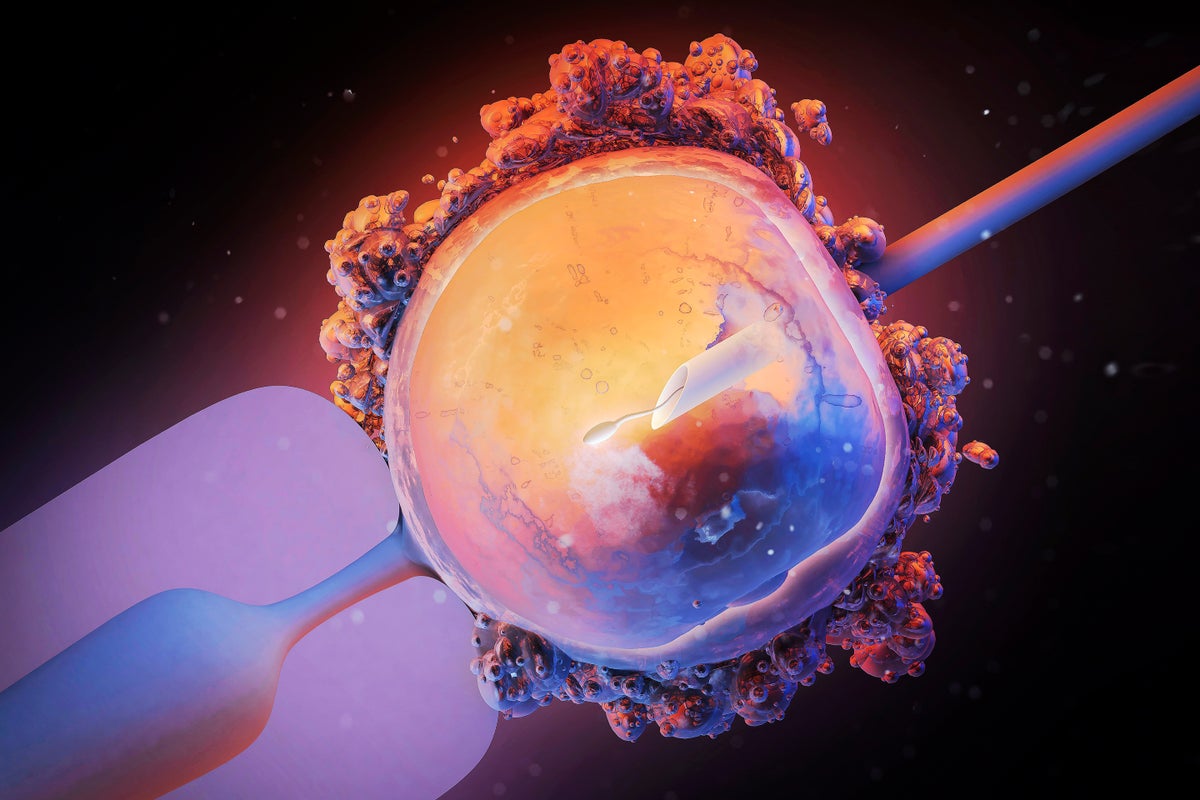
Eight children in the United Kingdom are living healthy lives — potentially due to a ground-breaking but controversial reproductive procedure aimed at keeping them from inheriting deadly conditions from their mothers, researchers report today.

The infants were conceived through mitochondrial donation, a technique that involves transferring the nucleus of a fertilized egg that has faulty mitochondria — cells’ energy factories — into a donor egg cell with healthy mitochondria. It aims to prevent babies inheriting harmful mutations from their mother’s mitochondrial DNA, which can cause debilitating diseases affecting power-hungry tissues such as those in the heart, brain, and muscles.

“This is a landmark study on preventing mitochondrial disease,” says Dietrich Egli, a stem-cell scientist at Columbia University in New York City.

The procedure has been dubbed three-person in vitro fertilization (IVF), because the resulting children carry nuclear DNA from a biological mother and father, alongside mitochondrial DNA from a separate egg donor.

Rare procedure

The UK became the first country in the world to explicitly regulate mitochondrial donation in 2015, after more than a decade of research, discussion, and debate. Just one UK clinic, the Newcastle Fertility Centre, has been licensed to carry it out by fertility regulator the Human Fertilisation and Embryology Authority (HFEA).

The latest studies — published in the New England Journal of Medicine — are the first detailed reports of the Newcastle team’s efforts. In 2023, the Guardian newspaper revealed that up to five UK children had been born using mitochondrial donation. But there were few details about the children’s health and other questions surrounding the technique’s effectiveness.

In total, 22 women carrying disease-causing mitochondria went through a mitochondrial donation procedure called pronuclear transfer, leading to eight births (including a pair of twins) and one ongoing pregnancy, report reproductive biologist Mary Herbert, now at Monash University in Melbourne, Australia, and her team.

The children — four girls and four boys — were all born healthy and are developing normally. The oldest child is now over two years old, the youngest under five months. Five children have had no health problems at all, one experienced muscle jerks that went away on their own, another child was successfully treated for high level of fat in their blood and a heart-rhythm disturbance, a third had fever due to a urinary tract infection.

“We’re cautiously optimistic about these results,” Robert McFarland, a paediatric neurologist at Newcastle University who co-led one of the studies, said at a press briefing. “To see babies born at the end of this is amazing, and to know there’s not going to be mitochondrial disease at the end of that.”

Mitochodrial donations have been performed in several other countries without explicit regulation — mostly as a fertility treatment, but, in at least one case, to prevent mitochondrial disease.

Pathogenic mitochondria

When shuttling the nucleus of a fertilized egg into a donor egg cell that has been emptied of its nuclear DNA, some of the pathogenic mitochondria can be carried along with the nucleus. As the embryo develops, the proportion of pathogenic mitochondria could amplify to levels high enough to cause disease.

Herbert’s team detected no or very low signs of pathogenic mitochondria, carried over from the mothers’ egg, in five children. In the remaining three, the proportion of pathogenic mitochondria varied from 5% to 16% of the total. “This is higher than we would have expected,” Herbert said at the briefing.

These levels probably aren’t high enough to cause disease, says Paula Amato, a reproductive endocrinologist at the Oregon Health Sciences University in Portland. But the researchers looked only at cells collected from blood or urine at birth, and levels of mutant mitochondria could be higher in other tissues and organs and change over time, she adds, so the children’s health should be followed closely.

Of the three children with detectable levels of pathogenic mitochondria, two are female and at risk of transmitting these mutations to their own children. Prenatal genetic testing could prevent this, say Egli and others.

Dagan Wells, a reproductive geneticist at the University of Oxford, UK, says his team etected carried-over mitochondria in two out seven children conceived through mitochondrial donation as an infertility treatment in Greece. “It does suggest we have to keep a close eye on this, and it’s not necessarily a guaranteed avoidance of disease transmission,” he says.

.

https://static.scientificamerican.com/dam/m/4f88b06d22d93747/original/ivf_icsi_stage_illustration.jpg?m=1752778455.304&w=1200Maurizio De Angelis/Science Source

.

.

Click the link below for the complete article:

https://www.scientificamerican.com/article/three-person-mitochondrial-ivf-leads-to-eight-healthy-births/

.

__________________________________________

Do you feel lucky plank? Meet the new ‘bulletproof’ wood

Leave a comment

Click the link below the picture

.

Could your house take a bullet for you?

Clad it with a new type of modified wood, and it might, says Alex Lau, co-founder and executive chairman of InventWood.

The US-based company has developed Superwood – a modified wood it claims is stronger than steel.

During lab tests, a gas gun fired a bullet-like projectile at thin pieces of wood, including an early version of the company’s product.

While the projectile blasted straight through the natural wood, it failed to penetrate the heavily modified version.

Mr Lau suggests that the product could have military applications, such as in battlefield shelters, but admits they “haven’t tried dropping bombs on it”.

In the race to decarbonise construction, materials such as concrete – associated with high greenhouse gas emissions – are coming under ever-greater scrutiny.

Wood-based construction, proponents say, can actually help in the fight against climate change by storing large amounts of carbon long-term.

But natural timber is not always strong enough for certain applications and it can degrade when exposed to moisture or wood-gobbling insects.

That’s where engineered wood products come in. They promise to be significantly stronger and more resilient – reliable enough, even, to form the structural frames of skyscrapers. The construction industry is increasingly pushing wood to new limits.

“You can almost massage the wood so you’re squeezing air and imperfections out,” explains Mr Lau as he describes the process of treating timber with chemicals to remove lignin, a polymer found in wood, and then compressing it extremely firmly to reduce its volume by around 80%.

This has the effect of creating additional hydrogen bonds within the material, adds Mr Lau, significantly strengthening it even though it becomes much thinner than the original timber.

A key advantage, InventWood says, is in retaining the wood’s attractive grain in the finished product.

InventWood has spent years refining its process – it used to take more than a week. Now, staff can make a piece of Superwood in hours.

The company will use wood from poplar trees initially but Mr Lau says it’s also possible to use bamboo.

“We can grow suitable bamboo feedstock in like three or four years,” he says. “It’s really an efficient way to draw down carbon from the atmosphere.”

There are already a range of engineered and modified wood products on the market. Take glulam, or glue-laminated timber, in which layers of wood with the grain facing in the same direction are glued together to make strong, moisture-resistant beams.

Cross-laminated timber (CLT), meanwhile, involves stacking layers of wood with the grain in alternating directions, to make panels for walls and floors. Like an ultra-tough plywood.

Using CLT instead of concrete to build a community centre could reduce carbon emissions associated with the construction and operation of the building by nearly 10%, a study published in June suggested.

Superwood isn’t designed to compete with these products, says Mr Lau. But it could provide a more aesthetically pleasing, and structurally sound, finishing layer to them, for example. Or, it could function as a durable external cladding.

It’s a “promising” technology, says Morwenna Spear, research fellow at Bangor University’s BioComposites Centre.

Though she points out that, in environments such as the UK, wood that is used externally on buildings must cope with weather that cycles from wet to dry extremely frequently. “I’d want to see some data coming from them about that,” she says.

Other companies are working on different engineered wood products.

Pollmeier in Germany, for example, has BauBuche – a laminated veneer lumber, very thin layers of wood pressed and glued together – made using beech. That’s interesting because beech is not generally considered the first choice for construction.

“By processing it into veneers, Pollmeier found a way to use it much more structurally,” explains Michael Ramage, director of the Centre for Natural Material Innovation at the University of Cambridge.

There’s also 3RT in Australia, which uses thin veneer sheets of low-value trees or “pulp logs”.

It allows them to mimic the structure and density of much more valuable hardwood. The product has recently been used in large window frames and also to make kitchen cabinets, furniture and the treads of internal staircases.

With so many wood products emerging, Dr Spear says that architects and designers today have much more choice in terms of how they use wood in a building.

“It may be that we think of these new products al

most as pseudo-species,” she says. “It just increases that palette of options to people.”

.

https://ichef.bbci.co.uk/news/1024/cpsprodpb/2514/live/bdb6dd30-63af-11f0-89ea-4d6f9851f623.jpg.webpInventwood’s timber is treated to become super-strong  InventWood

.

.

Click the link below for the complete article:

https://www.bbc.com/news/articles/c0rvzdd1drpo

.

__________________________________________

Trump just upped the tariff burden on American consumers – this time for low-cost goods from around the world

Leave a comment

Click the link below the picture

.

President Donald Trump signed an executive order on Wednesday ending the de minimis tariff exemption loophole, which will make it more expensive for Americans to ship low-cost items from overseas.

Beginning August 29, any shipment of imported goods valued at less than $800 will be subject to duties based on the product’s country of origin and the specific item.

It’s part of Trump’s efforts to increase domestic manufacturing, making the United States less reliant on other countries. The president has vowed to balance trade deficits with other countries, believing they unfairly harm the U.S.

Over the last 10 years, the number of low-value packages entering the U.S. has surged more than 600 percent, according to Customs and Border Patrol. In 2015, there were approximately 139 million, but in 2024 shipments rose to more than 1.36 billion.

The White House called the de minimis a “catastrophic loophole,” saying it has been used to “evade tariffs and funnel deadly synthetic opioids as well as other unsafe or below-market products that harm American workers and businesses” into the U.S.

Trump had already suspended the exemption for Hong Kong and China, impacting popular cheap retailers such as Temu and Shein.

The de minimis provision was added several years after the passage of the Tariff Act of 1930. It was intended to make trade easier by eliminating administrative hurdles, such as collecting minimal duties. It has been particularly effective with the rise of e-commerce.

However, in recent years, cheap e-commerce retailers overseas have been accused of over-utilizing the loophole, increasing the number of packages coming into the U.S., and making it difficult for Customs and Border Patrol to examine and protect Americans from unsafe shipments.

Last year, the Biden administration also sought to decrease the number of low-cost packages coming into the U.S. by adding restrictions and regulations to retailers that claim the de minimis exemption.

However, Trump’s executive order is a much harsher attempt to curb the number of low-cost packages.

While the current repeal falls under an executive order, it will become permanent on July 1, 2027, as part of the One Big Beautiful Bill Act.

The White House said American travelers will still be permitted to bring back $200 worth of personal items, and individuals can continue receiving bona fide gifts valued at $100 or less duty-free.

In addition to the executive order on Wednesday, Trump also signed an order implementing a 50 percent tariff on imported copper, slapped a 25 percent tariff on India for purchasing Russian oil, and a 40 percent tariff on Brazil.

The Independent has always had a global perspective. Built on a firm foundation of superb international reporting and analysis, The Independent now enjoys a reach that was inconceivable when it was launched as an upstart player in the British news industry. For the first time since the end of the Second World War, and across the world, pluralism, reason, a progressive and humanitarian agenda, and internationalism – Independent values – are under threat. Yet we, The Independent, continue to grow.

.

https://img-s-msn-com.akamaized.net/tenant/amp/entityid/AA1JBESp.img?w=768&h=512&m=6&x=458&y=149&s=38&d=38

Trump tariff packages © Getty Images

.

.

Click the link below for the complete article:

https://www.msn.com/en-ca/news/world/trump-just-upped-the-tariff-burden-on-american-consumers-this-time-for-low-cost-goods-from-around-the-world/ar-AA1JBCAT?ocid=hpmsn&cvid=086f34daa9df4b4f92861cf807a5d982&ei=15

.

__________________________________________

What Is the Blood Vessel Disease Trump Is Diagnosed With?

Leave a comment

Click the link below the picture

.

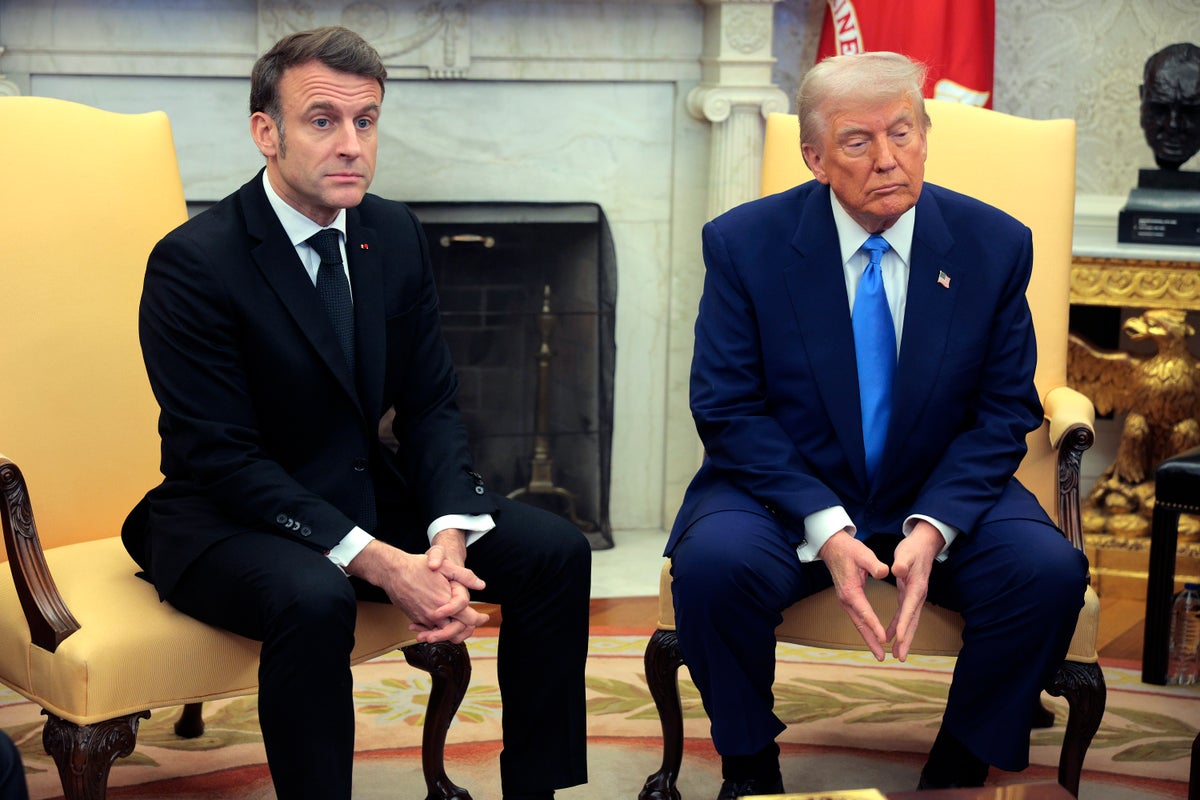
President Donald Trump has been diagnosed with chronic venous insufficiency, a disease of the vessels that carry blood back to the heart from elsewhere in the body.

White House Press Secretary Karoline Leavitt disclosed the diagnosis during a press conference on July 17 in response to public concern raised by photographs of the president with significant swelling around his ankles and bruises on his hands.

A July 17 letter from Sean Barbabella, the president’s physician, noted that Trump, age 79, underwent several diagnostic tests, including blood work and an echocardiogram, which did not identify any signs of systemic illness or heart failure. “President Trump remains in excellent health,” Barbabella wrote.

Chronic venous insufficiency is “a very, very common thing, and for [President Trump’s] age, it’s totally understandable that he has it,” says Monara Dini, a treating physician at the University of California, San Francisco, Center for Limb Preservation.

Chronic venous insufficiency—a subset of a larger category of conditions called venous disorders—predominantly affects the legs and causes only pain rather than more serious harm or systemic issues. The condition is quite common—affecting perhaps 5 percent of U.S. adults, according to Cleveland Clinic—and the risk of developing it increases as people age.

The network of vessels that carries blood throughout the body includes two main types of tubing. Arteries carry freshly oxygenated blood away from the core of your body to the extremities, while veins carry blood back to the heart and lungs. Arteries need to withstand high pressure and only contain between 10 and 15 percent of the body’s blood at a time.

Veins are under much less pressure and therefore can have thinner walls and hold more blood. In addition, they contain one-way valves that keep blood flowing in the proper direction, back toward the internal organs. Chronic

venous insufficiency is characterized by weakened valves in leg veins, allowing blood to flow backward and pool under the force of gravity, according to Johns Hopkins Medicine. These valves leak more often as people age, Dini says.

The most common cause of chronic venous insufficiency is a blood clot that damages the valve. Symptoms of the condition predominantly affect the legs and include achiness, cramping at night, swelling and discoloration, leathery looking skin, and open sores called ulcers.

“The worst outcome of having this condition is ulcers that can develop,” Dini says. “The skin is retaining so much fluid that it can, at some point, burst and break the skin, and you develop ulcerations. It happens a lot, and that’s more devastating in the sense that it requires wound care. It can be painful and life-altering.”

Bruising of the hands is not a symptom of chronic venous insufficiency, Dini says. In his letter about Trump, Barbabella attributed this to “minor soft tissue irritation from frequent handshaking and the use of aspirin, which is taken as part of a standard cardiovascular prevention regimen.”

Chronic venous insufficiency is more likely to occur in people who are overweight or pregnant, who have had a leg injury or blood clots or who have family members who have also dealt with chronic venous insufficiency. Other risk factors can include smoking and insufficient exercise.

Typically, management of chronic venous insufficiency relies on keeping the legs elevated, increasing exercise, and reducing weight. Compression therapy, which can include the use of compression socks or pumps, can also help alleviate symptoms, Dini says. In certain cases, doctors may recommend minor surgical interventions to either repair or remove damaged tissue. Chronic venous insufficiency is a progressive condition that cannot be healed or reversed, however.

venous insufficiency is characterized by weakened valves in leg veins, allowing blood to flow backward and pool under the force of gravity, according to Johns Hopkins Medicine. These valves leak more often as people age, Dini says.

The most common cause of chronic venous insufficiency is a blood clot that damages the valve. Symptoms of the condition predominantly affect the legs and include achiness, cramping at night, swelling and discoloration, leathery looking skin, and open sores called ulcers.

“The worst outcome of having this condition is ulcers that can develop,” Dini says. “The skin is retaining so much fluid that it can, at some point, burst and break the skin, and you develop ulcerations. It happens a lot, and that’s more devastating in the sense that it requires wound care. It can be painful and life-altering.”

Bruising of the hands is not a symptom of chronic venous insufficiency, Dini says. In his letter about Trump, Barbabella attributed this to “minor soft tissue irritation from frequent handshaking and the use of aspirin, which is taken as part of a standard cardiovascular prevention regimen.”

Chronic venous insufficiency is more likely to occur in people who are overweight or pregnant, who have had a leg injury or blood clots, or who have family members who have also dealt with chronic venous insufficiency. Other risk factors can include smoking and insufficient exercise.

Typically, management of chronic venous insufficiency relies on keeping the legs elevated, increasing exercise, and reducing weight. Compression therapy, which can include the use of compression socks or pumps, can also help alleviate symptoms, Dini says. In certain cases, doctors may recommend minor surgical interventions to either repair or remove damaged tissue. Chronic venous insufficiency is a progressive condition that cannot be healed or reversed, however.

.

https://static.scientificamerican.com/dam/m/5b4f3fdf2855667a/original/sa0725_Trump_and_Macron.jpg?m=1752788168.655&w=1200

U.S. President Donald Trump meets with French President Emmanuel Macron in the Oval Office at the White House on February 24, 2025.  Photo by Chip Somodevilla/Getty Images

.

.

Click the link below for the complete article:

https://www.scientificamerican.com/article/what-is-chronic-venous-insufficiency-trumps-blood-vessel-condition/

.

__________________________________________

Stop Taking So Long to Reply to Texts. You’re Sabotaging Your Friendships

Leave a comment

Click the link below the picture

.

Depending on who you ask, texting is either an easy way to keep in touch or an overbearing item on an ever-growing to-do list. What’s convenient for one person may be a burden to another, which can cause strains on some relationships. 

So, how long can someone go without texting you back before they end up on the friendship chopping block? Not very long, if you ask me. 

It might come across as harsh, but I believe healthy relationships are sustained by timely communication, instead of consistently leaving someone on Read or Delivered for a week. It becomes practically impossible to coordinate hangouts or share life updates if someone can’t bother to respond to your messages within a reasonable window, or otherwise call you if that’s how they prefer to chat. 

Friends who take days to reply — if they ever do — come off as indifferent and uninterested, especially when they don’t arrange alternative ways to catch up. You might start to wonder how much they actually value your time and effort, and why they don’t prioritize communicating with you. Repeated offenses can make it tempting to throw in the towel and invest your energy elsewhere.  

How long can you go without texting someone back?

I’ll first acknowledge my personal bias here: I have always enjoyed texting. It’s been my preferred method of communication since I got my first phone at 13 years old and discovered the magic of talking to my friends anytime, anywhere. 

It’s no coincidence that some of my closest friends tend to be people with whom I regularly text. There’s a sense of familiarity that comes from sharing your day-to-day experiences and thoughts. It’s also a fun way to engage in banter and share relatable memes and videos.

And before I upset anyone — if I haven’t already — I’ll again acknowledge that for some people, texting isn’t enjoyable. But I still think people have a responsibility to communicate clearly and frequently with loved ones if they hope to maintain those relationships, whether it’s a text, phone call, or in-person meetup.  

So, what’s an acceptable window of time for someone to text you back? 

Despite how unaccommodating I may come off in that frank introduction, I do like to give people chances. If someone takes days to reply to me the first time, or simply never gets back to me, I let it go. But if it happens again, that’s a strike. I believe you should always text someone back within a 24-hour period — notwithstanding special circumstances like travel or illness, etc. 

Repeatedly taking several days to reply is not only inconsiderate, it also just kills the vibe. Why do I care if you laughed at a meme I sent you five days ago? At that point, I won’t even remember what I reached out to you about. And if I’m asking you about going to an event and you only respond after it’s over, that unlocks a whole other level of annoyance. 

I believe the time and effort you invest in friendships includes replying to texts within a reasonable period (as long as your friend isn’t bombarding your inbox, of course). So if someone continuously takes days to reply, I take it as my sign to stop trying, and to put that energy into the friends who won’t leave me waiting.

A more personal way to stay in touch

As a teenager, my friends and I would text each other around the clock, sending a steady stream of messages and photos about anything and everything, most of it totally inconsequential. (Being young and unemployed made this all the easier.)

But as we got older and busier, and as social media began eating up our free time, text messages were largely supplanted by posting and consuming content on platforms like Facebook and Instagram. Our digital activity became less personal, more performative, and less conducive to maintaining relationships. Social media gives the false impression of keeping up with someone without actually talking to them, so relationships tend to fracture.

Most people have witnessed the awkwardness of someone not replying to your text for days, but ceaselessly posting on social media. Time and energy goes into both activities, and choosing to bypass personal interactions for more public-facing ones can prevent you from feeling a genuine connection to the people who care to reach out to you. Taking 30 seconds to reply to a text could be the difference between making and breaking a meaningful relationship. 

While phone calls and in-person meetups are undoubtedly the best ways to have an in-depth conversation with someone, finding a time that works for both parties can be a challenge, given how increasingly hectic our lives have become. Texting can be a comparatively low-lift way to build a true sense of camaraderie and connection.

So, the next time you think it’s not a big deal to leave someone on Read or Delivered, maybe reconsider what your actions (or lack thereof) may convey. 

.

https://www.cnet.com/a/img/resize/b6be5a8b2b4555ca59178707d9c3082d1ce0ad4b/hub/2025/04/29/50f8ee31-c9a3-406c-9471-3c3c5ca0a7a5/text-message.jpg?auto=webp&fit=crop&height=675&width=1200

Friends don’t leave friends on Read for days.  Jason Chun and Viva Tung/CNET

.

.

Click the link below for the complete article:

https://www.cnet.com/tech/mobile/stop-taking-so-long-to-reply-to-texts-youre-sabotaging-your-friendships/

.

__________________________________________

‘He’s taxing us’: Trump makes new tariff threats

Leave a comment

Click the link below the picture

.

The president issued letters to several countries, including South Korea and Japan, warning that the tariff rate on their goods would go up on August 1. It came after Treasury Secretary Scott Bessent admitted that many governments never contacted the United States for trade talks. Susan Glasser, Akayla Gardner and Justin Wolfers join.

.

.

.

Click the link below for the complete video (sound On):

https://www.msn.com/en-ca/money/markets/he-s-taxing-us-trump-makes-new-tariff-threats/vi-AA1Ia2Ae?ocid=hpmsn&cvid=765351f76e8f45f786f801b8cddf8983&ei=53#details

.

__________________________________________

Older Entries Newer Entries

Amor Entre Estrellas

¡Bienvenido de vuelta viajero!

Heart of Loia `'.,°~

so looking to the sky ¡ will sing and from my heart to YOU ¡ bring...

Michael Ciullo

CEO and Founder of Nsight Health

MRS. T’S CORNER

https://www.tangietwoods

Nelson MCBS

Catholic News, Prayers, HD Images, Rosary, Music, Videos, Holy Mass, Homily, Saints, Lyrics, Novenas, Retreats, Talks, Devotionals and Many More

Global geopolitics

Decoding Power. Defying Narratives.

Talk Photo

A creative collaboration introducing the art of nature and nature's art.

Movie Burner Entertainment

The Home Of Entertainment News, Reviews and Reactions

Le Notti di Agarthi

Hollow Earth Society

C r i s t i a n a' s Fine Arts ⛄️

•Whenever you are confronted with an opponent, conquer him with love.(Gandhi)

TradingClubsMan

Algotrader at TRADING-CLUBS.COM

Comedy FESTIVAL

Film and Writing Festival for Comedy. Showcasing best of comedy short films at the FEEDBACK Film Festival. Plus, showcasing best of comedy novels, short stories, poems, screenplays (TV, short, feature) at the festival performed by professional actors.

Bonnywood Manor

Peace. Tranquility. Insanity.

Warum ich Rad fahre

Take a ride on the wild side

Madame-Radio

Découvre des musiques prometteuses (principalement) dans la sphère musicale française.

Ir de Compras Online

No tiene que Ser una Pesadilla.

Kana's Chronicles

Life in Kana-text (er... CONtext)

Cross-Border Currents

Tracking money, power, and meaning across borders.

Jam Writes

Where feelings meet metaphors and make questionable choices.

emotionalpeace

Finding hope and peace through writing, art, photography, and faith in Jesus.

WearingTwoGowns.COM

The Community for Wounded Healers: Former Medical Students, Disabled Nurses, and Faith-Fueled Pivots

...

love each other like you're the lyric to their music

Luca nel laboratorio di Dexter

Comprendere il mondo per cambiarlo.

Tales from a Mid-Lifer

Mid-Life Ponderings

Creative

Travel,Tourism, Life style "Now in hundreds of languages for you."

freedomdailywriting

I speak the honest truth. I share my honest opinions. I share my thoughts. A platform to grow and get surprised.

The Green Stars Project

User-generated ratings for ethical consumerism

Cherryl's Blog

Travel and Lifestyle Blog

Sogni e poesie di una donna qualunque

Questo è un piccolo angolo di poesie, canzoni, immagini, video che raccontano le nostre emozioni

My Awesome Blog

“Log your journey to success.” “Where goals turn into progress.”

pierobarbato.com

scrivo per dare forma ai silenzi e anima alle storie che il mondo dimentica.

Thinkbigwithbukonla

“Dream deeper. Believe bolder. Live transformed.”

Vichar Darshanam

Vichar, Motivation, Kadwi Baat ( विचार दर्शनम्)

Komfort bad heizung

Traum zur Realität

Chic Bites and Flights

Savor. Style. See the world.

ومضات في تطوير الذات

معا نحو النجاح

Broker True Ratings

Best Forex Broker Ratings & Reviews

Blog by ThE NoThInG DrOnEs

art, writing and music by James McFarlane and other musicians

fauxcroft

living life in conscious reality

Srikanth’s poetry

Freelance poetry writing

JupiterPlanet

Peace 🕊️ | Spiritual 🌠 | 📚 Non-fiction | Motivation🔥 | Self-Love💕