September 21, 2024
Mohenjo
Business, Food For Thought, Human Interest, Political, Science, Technical
amazon, business, Business News, current-events, Future, Hotels, human-rights, medicine, mental-health, research, Science, Science News, technology, Technology News, travel, vacation

Click the link below the picture
.
Dear Prudence,
My boyfriend and I have a toddler together and he has an 11-year-old daughter that lives with her maternal grandmother half of the time. Her mother is serving a serious prison sentence. My boyfriend tries to make it up to his daughter by fawning all over her when she is here—kisses, cuddles, and a constant shower of gifts.
Around our child, he acts bored and irritated. He barely interacts with our baby unless he has his phone in his hand. The only routine he does is bath and bedtime because I have night classes online. He claims that I am making stuff up and just spoiling our child. We had a huge fight because our baby had a growth spurt and needed new clothes. My boyfriend claimed he was broke until his next paycheck. The very next day his daughter came in with bags of new clothes from the mall! She just got an entire new wardrobe two weeks ago for the start of school. My boyfriend claimed he just found the money and that it wasn’t a big deal. I am dressing my baby and myself in stuff I find in buy-nothing groups and yard sales.
My mother never wanted me. She favored my brothers and treated me like a bother growing up. I never want to put our child through that. I loved how devoted my boyfriend was to his daughter. I thought he would be the same with our child. I can’t afford to leave. I take care of 90% of all the household chores. What do I do here? My boyfriend tells me I am acting as though I am jealous of his daughter. I am not. The difference between how he treats her and our child is like night and day.
—Worried
Dear Worried,
It’s clear to me that you are not “jealous of his daughter,” though I do believe you may be envious of the support she receives from your boyfriend. You don’t write anything negative about the child or about your perception of her, you focus on his behavior, and that indicates to me that the issue isn’t how much he gives to her, it’s how little you and your daughter receive at all. You don’t want to be treated like her, you want to be treated like he cares about you, and your child as well. Telling you he doesn’t have enough money to help clothe you, or your child, then “finding” enough to take his daughter on a shopping spree is a wild thing to do, and you deserve better.
Because you mention not being wanted by your own mother, and now this fear that your child will ultimately be rejected by their father, I think it might be useful to talk to someone, a therapist or mental health professional, who can help you process some of those lingering past hurts. When you grow up feeling unwanted, the hardest thing to develop is self-trust. But you can learn to trust yourself, and you can teach the same to your child. If the worst case scenario happens, and they are rejected by their father, they will have you.
.
 Photo illustration by Slate. Photos by Getty Images Plus.
.
.
Click the link below for the article:
.
__________________________________________
September 20, 2024
Mohenjo
Business, Food For Thought, Human Interest, Medical, Political, Science, Technical
amazon, business, Business News, current-events, Future, Hotels, human-rights, medicine, mental-health, research, Science, Science News, technology, Technology News, travel, vacation

Click the link below the picture
.
Scientists are still learning about the causes of Alzheimer’s, but most agree that many factors contribute to an individual’s risk of getting the disease. Some risk factors, such as age and genes, are inescapable. Others can be modified with lifestyle changes, such as exercise and nutrition—in one study, participants were able to reduce their risk of getting Alzheimer’s by 60 percent. Although most risk studies focus on dementia in general, here are important findings about the known risk factors as they apply to Alzheimer’s.
.
 Joelle Bolt
 Katie Peek and Joelle Bolt; Sources: Risk factor relative importance: G. Livingston et al., The Lancet, 396, 413 (2020); normal brain aging: “Alzheimer’s Disease and Other Dementias,” Mayo Clinic, 2020
.
.
Click the link below for the article:
.
__________________________________________
September 20, 2024
Mohenjo
Business, Food For Thought, Human Interest, Medical, Political, Science, Technical
amazon, business, Business News, current-events, Future, Hotels, human-rights, medicine, mental-health, research, Science, Science News, technology, Technology News, travel, vacation

Click the link below the picture
.
As someone who has spent most of his professional life studying how children develop, I’m often asked by parents (especially mums) why children (especially boys) are prone to pick up the nearest stick, pencil, soft toy or even banana and turn them into weapons?
Girls certainly do this too. But research – and parents’ experience – shows you’re more likely to find boys using various objects as swords, guns or grenades to attack one another.
While some parents worry this is too violent, these actions do not mean you are raising a burgeoning psychopath. Rather, they are significant components of healthy development.
Playful aggression
Role playing is a key part of children’s play, when they pretend to be someone or something else. They can do this on their own or with others.
When they do it with others it is called “sociodramatic play”. This type of play teaches children both verbal and social skills while they interact with others.
Play fighting is one form of sociodramatic play. It can include rough and tumble play, chasing one another around, superhero play, wrestling and mock fighting. Psychologists call this “playful aggression”.
This kind of play is not about hurting anybody. Rather, it provides opportunities for children to explore their world with a sense of empowerment and control (because they set the rules) and to build relationships as they negotiate the play.
How does it work?
Imagine children are playing a battle with pillow forts and cardboard swords. This is not just a question of whose fort topples first. The game will require them to read facial expressions, express themselves and develop an awareness of power dynamics (or what researchers call “relationships hierarchies”).
Relationship hierarchies are complex, but focus on power and who is in charge. During episodes of playful aggression, this might mean taking control, giving in to someone else’s idea, or sharing power. These hierarchies allow children to make decisions about who they want to play with, who to avoid, or how to adapt their behavior to create friendships.
So relationship hierarchies play an important role in emotional and social development. They teach children how to get along with one another, how to make and play within a rule structure, and how to recognize the difference between playful and harmful behavior.
For example, other children’s reactions during the game will teach them that yelling and jumping may be considered fun. But rough pushing or deliberately breaking rules – such as turning into a killer dragon when everyone else has agreed to be tigers – is not OK and will make your friends unhappy.
Why do we see this more in boys?
You might be wondering why such behaviors seem to be more evident in boys than girls. Research shows boys (on the whole) tend to be more physical in how they play.
Their play often focuses on themes related to power and dominance and playful aggression is the perfect way to experiment with these themes.
Theories about sex differences in social play extend across many research areas including psychology, neurobiology, evolutionary psychology and anthropology. Current theories link these differences to testosterone and differences in neurochemistry.
There is some evidence to suggest boys and girls are socialized differently in relation to being physical.
However, the degree of influence is contestable, given sex differences in behavior appear very early in life and in other mammals. Perhaps the socialization process exacerbates nature – and as such, nature and nurture may be working in tandem.
The end result is still the same, with more boys than girls engaging in playful aggression.
When girls role play, it tends to focus on what researchers call “tend and befriend” or on people and nurturing. For example, games built around families or looking after pets.
But this is not to say girls can’t be aggressive. However, research suggests if girls fight, it is usually done with words to hurt someone’s feelings and children are upset with each other. It is not done for fun.
Perhaps this is why playful aggression can be difficult for some mothers to understand and appreciate.
But there is no link between playful aggression in children and being aggressive as an adult.
.

Lipatova Maryna/Shutterstock , CC BY
.
.
Click the link below for the article:
.
__________________________________________
September 19, 2024
Mohenjo
Business, Food For Thought, Human Interest, Medical, Political, Science, Technical
amazon, business, Business News, current-events, Future, Hotels, human-rights, medicine, mental-health, research, Science, Science News, technology, Technology News, travel, vacation
Click the link below the picture
.
While there are plenty of things that teenagers worry about, dementia isn’t normally one of them. Yet one new major Alzheimer’s drug trial is recruiting people as young as 18 to answer what may be the most pressing question facing the field: Can the ravages of the disease be prevented by identifying those on track to get it and treating them up to 10 years before they show symptoms?
The recent arrival of drugs that slow the cognitive decline of Alzheimer’s in many people is a welcome breakthrough, but so far their efficacy has only been demonstrated in people with mild symptoms. By the time patients are diagnosed, their brains have already undergone extensive changes. But growing evidence suggests that taking the drugs well before that damage has occurred could significantly slow the disease and possibly even stop it in its tracks.
“Now we have drugs that can slow the disease by 30 percent or so in people with symptoms, but that’s not good enough,” says Reisa Sperling, a neurologist who heads the Center for Alzheimer Research and Treatment at Brigham and Women’s Hospital in Boston. “We want to get to 100 percent, and that means preventing people from getting to the symptomatic stages.”
Earlier and earlier
In medicine, treating a disease when it is causing pathological changes in the body, but hasn’t yet progressed far enough to cause clinical symptoms, is known as secondary prevention. (Primary prevention is heading off a disease before there is any pathology, and tertiary prevention is managing symptomatic disease to slow the worsening of symptoms.) Secondary prevention has been essential to medicine’s triumphs in reducing the risks of death and disability for those with early heart disease or diabetes. Doctors don’t wait for someone to have a heart attack before prescribing a cholesterol-lowering statin or for someone to suffer artery or kidney damage before putting them on metformin to control blood sugar.
In 2023, the results of trials of lecanemab (brand name Leqembi) and donanemab on Alzheimer’s patients with mild cognitive impairment suggested that medicine may now have the tools to bring secondary prevention to bear on the disease. Both drugs are monoclonal antibodies that target the hardened clumps of protein called amyloid plaque that form in the brains of Alzheimer’s patients.
Although much is still unknown about the mechanisms of Alzheimer’s, there is little question now that the buildup of plaque precedes symptoms by many years. In the lecanemab and donanemab trials, the earlier patients were along the long road to plaque buildup, the better the drugs did in removing most of the plaque and slowing cognitive decline. “It’s when you remove nearly all the plaque with one of these drugs that you see the real benefits in terms of symptoms,” says Randall Bateman, a physician and professor of neurology at Washington University School of Medicine.
Because patients with even mild symptoms already have a large buildup of plaque, testing the notion that plaque-fighting drugs can be more effective earlier in the buildup process means enlisting presymptomatic patients for trials. “Studies are moving toward people who are just at the borderline for being positive for plaque and treating them to try to keep them from accumulating more of it and from having symptoms,” says Susan Abushakra, a physician and researcher who is vice president of clinical development and medical affairs at Alzheimer’s-focused biotech company Alzheon in Framingham, Mass.
.
 Joey Guidone/Theispot
.
.
Click the link below for the article:
.
__________________________________________
September 19, 2024
Mohenjo
Business, Food For Thought, Human Interest, Political, Science, Technical
amazon, business, Business News, current-events, Future, Hotels, human-rights, medicine, mental-health, research, Science, Science News, technology, Technology News, travel, vacation

Click the link below the picture
.
With growing concerns about the dangers of social media for adolescents, Instagram has rolled out Instagram Teen Accounts. It’s an attempt to offer more protection for the younger generation scrolling through the platform.
Starting today, any teen who signs up for Instagram—and teens already on the app—will automatically be placed under specific settings. The Instagram Teen Accounts also aims to allow parents to have more oversight and involvement in what their teen does on social media.
“These built-in protections really focus in on the biggest concerns that parents have raised,” Antigone Davis, Meta’s Global Head of Safety, tells Parents. “These include the content that their teen is seeing, the people with whom their teen is connecting, and the time they’re spending on their phones.”
So, what does that mean exactly, and will it have a positive impact on teens using social media?
What Are Instagram Teen Accounts?
All teens will be placed under several protective settings. Teens under 16 will need permission from their supervisor account—aka a caregiver—in order to change any of these baseline protections. Caregivers can approve requests from their own device. If desired, parents can also setup supervision for their kids 16 and above.
“We know that parents are interested in playing a more significant role in their teens’ lives online, from our consultation with them,” says Davis. “And so we’ve also built out some additional features within our supervision tools.”
Here’s what caregivers and their teens can expect:
-
Private accounts: All teens 16 and under will be placed in private account mode. This means only those who follow them will be able to view their content and interact with them. Plus, they will need to manually accept new followers.
-
Stricter messaging settings: Teens will only be able to get messages from their current connections or people they follow.
-
Restrictions on sensitive content: New users under 16 will be placed in the “Less” setting on Instagram, while those already on the platform will be sent a prompt encouraging them to choose that setting. The “Less” setting aims to reduce the sensitive content a teen may come across while scrolling the app, such as through Reels, Search, Explore, Hashtag Pages, Feed Recommendations, and Suggested Accounts.
-
Interactions will be limited: People who teens follow will only be able to tag them or mention them. The “Hidden Words” feature will also be turned on. That filters offensive words and phrases from comments and direct messages (DM).
-
Break reminders: After 60 minutes of app use, teens will be encouraged to close it. Teens over 16 can extend this “Daily Limit” feature, while those younger will need parental permission.
-
Sleep mode: This is a new feature, and teens will be placed on “Sleep Mode” from 10 p.m. to 7 a.m. It replaces the “Quiet Mode” and “Night Nudges” features and will stop notifications at night. If caregivers want to prevent teens from using Instagram completely at night, they can do that through the supervision tool.
-
Choosing topics of interest: This other new feature allows teens to see more content about topics they choose. They’ll start seeing those topics on Explore and in-Feed Recommendations.
-
Monitoring of interests: Parents will also be able to see the topics their teen has selected to see more of.
-
Tracking of teen messaging: Parents will now be able to see who their teen has been messaging, although they will not be able to read the messages.
.
:max_bytes(150000):strip_icc():format(webp)/CopyofCelebrityBorderA-4812f62ff1ac479d8751535086dfea2b.jpg) GettyImages/Richard Drury
GettyImages/Richard Drury
.
.
Click the link below for the article:
.
__________________________________________
September 18, 2024
Mohenjo
Business, Food For Thought, Human Interest, Medical, Political, Science, Technical
amazon, business, Business News, current-events, Future, Hotels, human-rights, medicine, mental-health, research, Science, Science News, technology, Technology News, travel, vacation
Click the link below the picture
.
It would be hard to imagine any one person who’s had more of an impact on public health than Bill Gates. Much of the wealth he amassed as founder of Microsoft has gone to charity—according to Fortune, he is one of only five billionaires to have given away more than 20 percent of his wealth. In 2023, the Bill and Melinda Gates Foundation, which he started with his former wife, Melinda Gates, spent more than $8 billion of its more than $70-billion endowment.
Gates has focused his philanthropy largely on some of the most intractable health problems, such as malaria, HIV/AIDS, and childhood vaccination. In recent years, he has turned to Alzheimer’s disease, starting with diagnostics and more recently expanding to proteomics and healthcare programs related to the disease. Scientific American Custom Media asked him about Alzheimer’s:
SCIENTIFIC AMERICAN CUSTOM MEDIA:
What sparked your interest in Alzheimer’s? How has your personal experience with the disease contributed to your decision to get involved?
Gates: Like many people, I have a personal connection to Alzheimer’s. My dad died from Alzheimer’s, so I understand first-hand what a cruel disease it is, and how difficult it can be to watch a loved one suffer with it. We were fortunate to have the resources to provide my dad with excellent care, and our family is grateful for the wonderful caregivers who helped him in the 13 years he lived with the disease. But for the majority of families battling Alzheimer’s, this is not an option. Caregiving most often falls to a spouse or a child, which can be overwhelming.
The financial burden of the disease is easier to quantify than the emotional cost. The lifetime cost of care for Alzheimer’s and other dementias is rapidly increasing in the U.S., Japan, Europe, and other countries. According to the Institute for Health Metrics and Evaluation, the global cost will exceed $1.6 trillion by 2050 and represent nearly one-third of all healthcare spending. Unlike those with many chronic diseases, people with Alzheimer’s incur long-term care costs as well as direct medical expenses. If you get the disease in your 60s or 70s, you might require expensive care for decades.
As I spent time learning about Alzheimer’s and the research into it, I came to understand the challenges. The brain can’t be sampled easily or often, for example, and the blood-brain barrier is a double-edged sword—it both protects the brain and makes it harder for treatments to get in.
Even so, as I learned about all the innovation in this field, I grew optimistic about the ability to make progress toward treatment and eventually a cure. This is a frontier where we can dramatically improve human life. It’s a miracle that people are living so much longer today, but longer life expectancies alone are not enough. People should be able to enjoy their later years—and we need a breakthrough in Alzheimer’s to fulfill that.
As someone who takes a bird’s- eye view of major health issues, how would you describe the current outlook for Alzheimer’s research and clinical practice?
After decades of negative clinical trials and dozens of failed therapies, researchers are making progress on both diagnostics and therapeutics.
Blood-based diagnostics are advancing rapidly—the first blood test for Alzheimer’s, PrecivityAD, was launched in late 2020. A few others have followed since, but we are looking forward to the first FDA-cleared blood tests on the horizon. Once this becomes a reality, the next hurdle will be ensuring these tests are used properly, accessible, and available to the patients that need them, and that we understand how these tests work in different patient populations.
.
 Tony Healey
.
.
Click the link below for article:
.
__________________________________________
September 18, 2024
Mohenjo
Business, Food For Thought, Human Interest, Medical, Political, Science, Technical
amazon, business, Business News, current-events, Future, Hotels, human-rights, medicine, mental-health, research, Science, Science News, technology, Technology News, travel, vacation

Click the link below the picture
.
It’s easy for parents to attribute their child’s poor behavior to a friend who they believe is a “bad influence.” Kids often get into trouble in pairs or groups, so there’s generally someone there to take the blame. And criticizing someone else’s child allows parents to hold onto the belief that their own child is fundamentally “good” — that they wouldn’t have engaged in the misbehavior were it not for the influence of their peer.
There are a couple of problems with this line of thinking. By characterizing children as intrinsically good or bad, parents run the risk of leading their children to believe that they are bad people when they do something wrong. Instead, viewing all children as essentially good people who sometimes make poor decisions allows kids room for personal growth.
In addition, parents generally follow up the naming of a friend as a bad influence with a prohibition on spending time with that friend — and new research shows that this approach tends to backfire.
Why banning a friend who is a “bad influence” doesn’t work.
We know that as kids move into middle school, they tend to place increasing value on the opinions of their peers as they try to find their place in the social landscape.
“As children get older, their peers become more and more prominent in their physical lives and their psychological lives,” Cristine Legare, a professor of psychology at the University of Texas at Austin, told HuffPost. The impact of peer influence is very real, and can lead to kids making dangerous choices.
Research has consistently shown, for example, that teen drivers are more likely to get into a car accident when there are other passengers in the car, particularly when those passengers are their peers. In 2022, 56% of teens who died in car crashes were in cars being driven by another teen. This is one of the reasons most states now have graduated license requirements that restrict who else can be in the car when a teen is driving. These changes are credited with a substantial decrease in the number of teen car crashes. Without friends in the car, teen drivers are less likely to speed or take their eyes off the road.
The reasons that teens are more likely to do something “wrong” when they are with their peers, as opposed to alone or with their parents, are both social and biochemical.
.
 Mistakes
.
.
Click the link below for the article:
.
__________________________________________
September 17, 2024
Mohenjo
Business, Food For Thought, Human Interest, Medical, Political, Science, Technical
amazon, business, Business News, current-events, Future, Hotels, human-rights, medicine, mental-health, research, Science, Science News, technology, Technology News, travel, vacation
Click the link below the picture
.
On a spring day in 2011, neuroscientist Cynthia Lemere stood nervously before scientists gathered to appraise the world’s latest research—including hers—at a conference on immune strategies for treating Alzheimer’s disease. Advancing her presentation slides to show stained brain tissue from a recent set of mouse experiments, Lemere circled the pointer around the reddish-brown clumps: protein fragments called amyloid beta that form plaques, a hallmark of the disease. In Lemere’s experiments, mice that received antibody treatment accumulated fewer amyloid plaques than animals receiving placebo.
Some in the audience were skeptical. As Lemere recalls, when she finished her presentation one prominent researcher rose and proclaimed: “It’s not a real thing. It’s a biochemical artifact.”
What that researcher dismissed, others pursued. Lemere and colleagues at Brigham and Women’s Hospital in Boston have studied this form of amyloid beta since the 1990s; so have researchers in Japan and Germany. Now, the rogue protein is center stage: A drug (donanemab) that targets the molecule recently showed clear benefits in a large clinical study of people with mild Alzheimer’s disease.
Donanemab’s success follows another Alzheimer’s drug, lecanemab (brand name Leqembi), which hit the market in January, and aducanumab (brand name Aduhelm), which got a nod from the U.S. Food and Drug Administration in 2021 after a controversial review. (Aducanumab was withdrawn from the market in 2024.) These are the first new Alzheimer’s treatments since 2003, and the only ones to impede the disease’s progression; earlier drugs only eased symptoms.
The new therapies are revitalizing Alzheimer’s research and renewing hope for millions of families touched by this devastating disease. Yet these treatments carry some risk and a formidable price tag. Translating them from controlled studies to clinical use will require diagnostics that are more scalable and accessible, as well as new training to equip physicians to recognize early-stage disease and decide who is eligible for treatment.
Molecular underpinnings
Alzheimer’s is the most common cause of dementia. It afflicts nearly 7 million people in the United States and more than 30 million worldwide. Older drugs—including donepezil, galantamine, and rivastigmine—work by prolonging the activity of key chemical messengers in the brain. This enhancement of nerve cell communication offers a temporary boost but does not get at the disease’s molecular roots.
The newest drugs do. They are the long-awaited fruit of the amyloid hypothesis, the theory that identifies amyloid buildup as an essential trigger that disrupts neural circuits, causing mental decline and other signs of dementia decades later. This theory has driven much of the Alzheimer’s disease research and drug development since the 1990s.
Creating drugs to slow this progression requires a deep understanding of how the culprit molecules form and how they become a threat. Before amyloid clumps into disease-associated plaques, it floats in the blood as harmless proteins. Day by day, decade after decade, these amyloid beta peptides are churned out and cleared out, like scores of other proteins processed in the brain as part of normal metabolism.
.
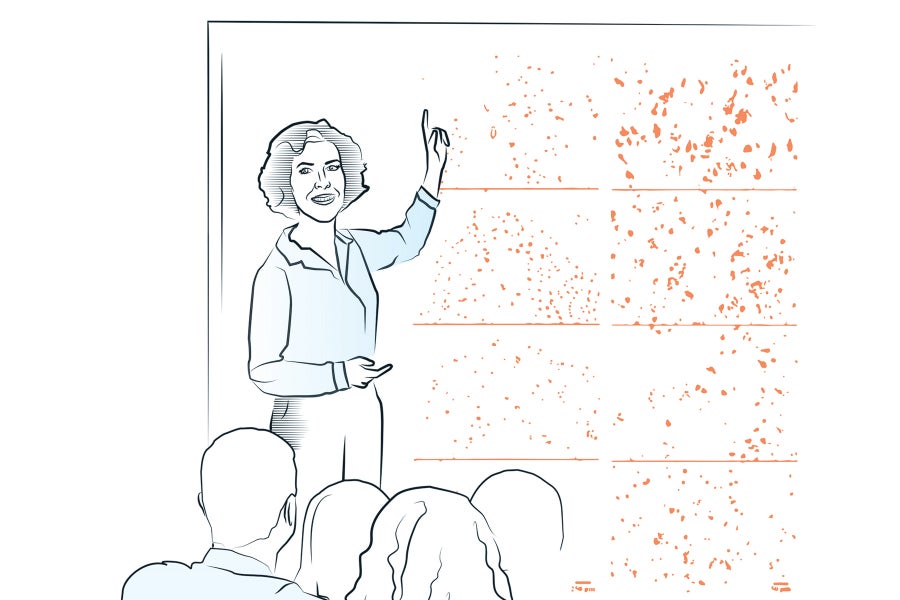
Cynthia Lemere overcame scientific skepticism to show that antibodies against rogue forms of amyloid beta could protect mouse brains from damage. Joelle Bolt
.
.
Click the link below for the article:
.
__________________________________________
September 17, 2024
Mohenjo
Business, Food For Thought, Human Interest, Medical, Political, Science, Technical
amazon, business, Business News, current-events, Future, Hotels, human-rights, medicine, mental-health, research, Science, Science News, technology, Technology News, travel, vacation
This article relates to several articles about Alzheimer’s that have been and will be posted on, James’ World 2!
Click the link below the picture
.
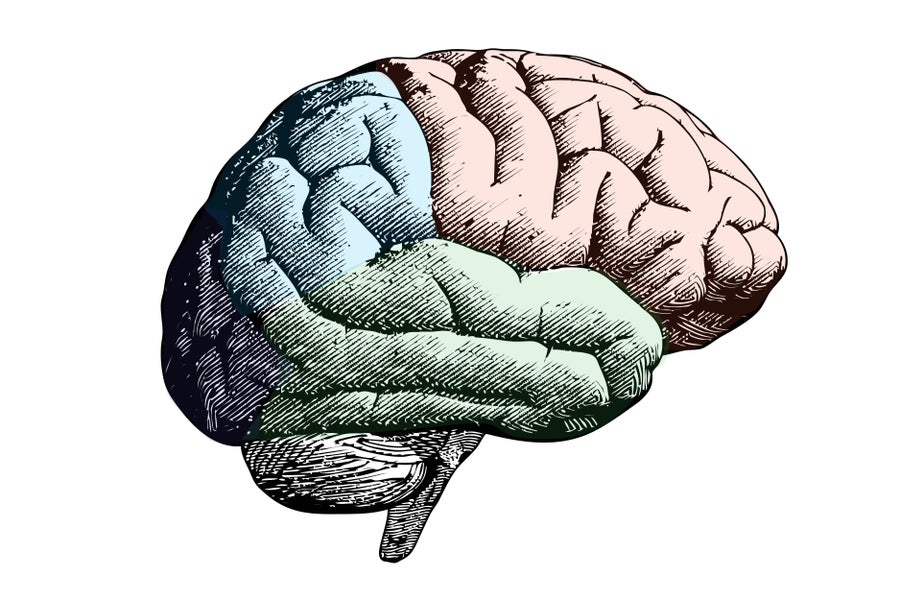
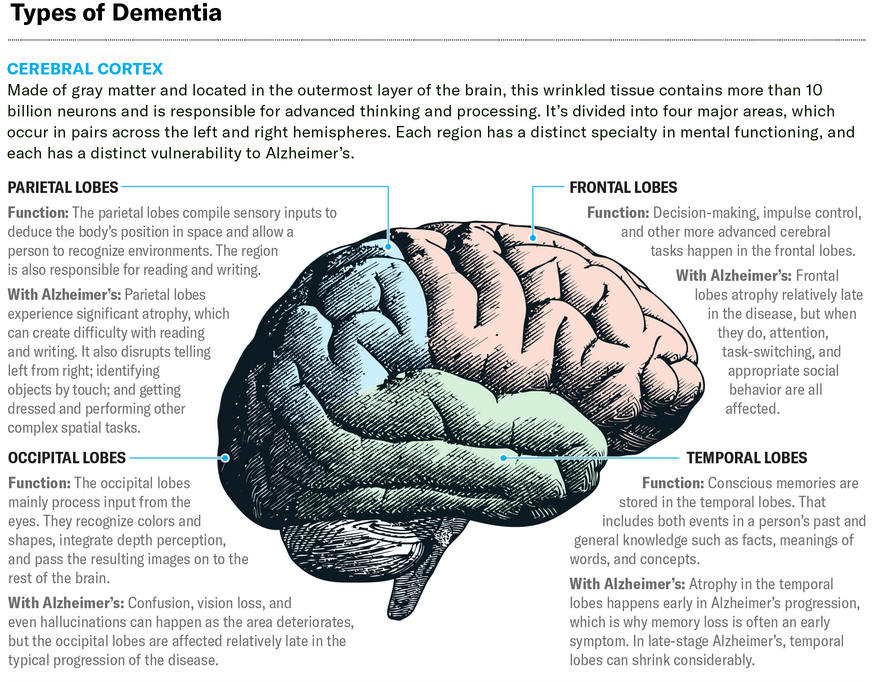
Alzheimer’s disease impairs a patient by destroying neurons, which otherwise live for decades, and by disrupting communication among the remaining brain cells. As neurons die, the areas of the brain they constitute begin to atrophy. A detailed picture of the progression is still under investigation, and the disease follows different tracks in different patients, but researchers have found brains afflicted with Alzheimer’s typically atrophy along the same basic pattern. A better understanding of that pattern may provide the foundation for methods to diagnose the disease earlier, which in turn would give medication and lifestyle changes the best chance of slowing dementia. In broad strokes, here’s how Alzheimer’s tends to change a brain.
.
 Jolygon/iStock
 .
.
.
Click the link below for the article:
.
__________________________________________
September 17, 2024
Mohenjo
Business, Food For Thought, Human Interest, Political, Science, Technical
amazon, business, Business News, current-events, Future, Hotels, human-rights, medicine, mental-health, research, Science, Science News, technology, Technology News, travel, vacation

Click the link below the picture
.
I recently spoke with an anthropologist named Barry Hewlett, who studies child-rearing in hunter-gatherer societies in Central Africa. He explained to me that children in those societies spend lots of time with their parents — they tag along throughout the day and often help with tasks like foraging — but they are rarely the main object of their parents’ attention. Sometimes bored, sometimes engaged, these kids spend much of their time observing adults doing adult things.
Parents in contemporary industrialized societies often take the opposite approach. In the precious time when we’re not working, we place our children at the center of our attention, consciously engaging and entertaining them. We drive them around to sports practice and music lessons, where they are observed and monitored by adults, rather than the other way around. We value “quality time” over quantity of time. We feel guilty when we have to drag our children along with us to take care of boring adult business.
This intensive, often frantic style of parenting requires a lot more effort than the style Professor Hewlett described. I found myself thinking about those hunter-gatherers last month when I read the advisory from the surgeon general, Vivek Murthy, warning that many parents are stressed to their breaking point. There are plenty of reasons for this worrisome state of affairs. One is that we don’t ignore our children often enough.
The modern style of parenting is not just exhausting for adults; it is also based on assumptions about what children need to thrive that are not supported by evidence from our evolutionary past. For most of human history, people had lots of kids, and children hung out in intergenerational social groups in which they were not heavily supervised. Your average benign-neglect day care is probably closer to the historical experience of child care than that of a kid who spends the day alone with a doting parent.
Of course, just because a parenting style is ancient doesn’t make it good. But human beings have spent about 90 percent of our collective time on Earth as hunter-gatherers, and our brains and bodies evolved and adapted to suit that lifestyle. Hunter-gatherer cultures tell us something important about how children are primed to learn.
A parenting style that took its cue from those hunter-gatherers would insist that one of the best things parents can do — for ourselves as well as for our children — is to go about our own lives and tote our children along. You might call it mindful underparenting.
Children learn not only from direct instruction, but also from watching and modeling what other people around them do, whether it’s foraging for berries, changing a tire or unwinding with friends after a long day of work. From a young age, that kind of observation begins to equip children for adulthood.
More important, following adults around gives children the tremendous gift of learning to tolerate boredom, which fosters patience, resourcefulness, and creativity. There is evidence from neuroscience that a resting brain is not an idle one. The research tells us that the mind gets busy when it is left alone to do its own thing — in particular, it tends to think about other people’s minds. If you want to raise empathetic, imaginative children who can figure out how to entertain themselves, don’t keep their brains too occupied.
An excellent way to bore children is to take them to an older relative’s house and force them to listen to a long adult conversation about family members they don’t know. Quotidian excursions to the post office or the bank can create valuable opportunities for boredom, too.
.
 Brittany Marcoux
.
.
Click the link below for the article:
.
__________________________________________
Older Entries
Newer Entries
 James' World 2