Home

All in the Family: How Archie Bunker Still Resonates

Leave a comment

Click the link below the picture

.

WHEN ABC BROADCAST A REMAKE OF AN episode of All in the Family, shot before a studio audience in 2019, the network recreated the Bunker family home In Queens, New York, down to the doilies and faded wall­paper, with Woody Harrelson and Marisa Tomei taking up Carroll O’Connor and Jean Stapleton’s roles as Archie, the ultraconservative loading-dock worker, and his kindly wife, Edith. Set in 1976, the episode centers around the unexpected arrival of David Brewster, their son-in-law Mike Stivic’s high school friend, a Vietnam War draft dodger who fled to Canada but just sneaked home for Christmas. When Edith invites David to join them for the holiday dinner, Mike cautions his friend not to tell Archie what he’d done—and to avoid such topics as “politics, religion, sex, books, movies, war, peace, guns . . . grapes, lettuce.”   

Archie, meanwhile, has invited his pal Pinky Peterson, whose son Steve was killed in the war. Mike’s worst fears are realized—David’s secret spills out and the joyous gathering quickly devolves into a bitter confrontation over the war, with a spitting-mad Archie yelling, “What he done was wrong!” Finally Pinky stands up and makes peace. “My kid hated the war too,” he says. “But he did what he thought he had to do. And David here, he did what he thought he had to do . . . if Steve was here, he would want to sit down with him. And that is what I want to do.” Pinky then walks over to David and shakes his hand.  

All in the Family debuted 50 years ago in January 1971, two years before the United States withdrew from Vietnam, and four years before that divisive conflict ended. Fifty-eight thousand Americans died in Southeast Asia, and when the Christmas special originally aired in 1976, the war was still a festering wound. The very day ABC restaged the show in 2019, Congress had started impeachment proceedings against President Donald Trump, and the country found itself as polarized as ever. So much had changed in four-plus decades—and yet so little.   

Back in the 1970s, of course, it was bold for a sitcom to take on such a sensitive topic as the war. But All in the Family was unlike anything seen before on television. Up until then, TV had a blandly homogenous quality. Three networks, ABC, CBS, and NBC, ruled the airwaves, and the newly created Public Broadcasting Service had a niche audience. They all worked under a draconian Television Code, and offered wholesome and uncontroversial family entertainment. There was no political content, and situation comedies were inhabited by white middle-class families, noble lawmen, and quirky country folk. One of the few working-class shows was The Honeymooners, which centered around Brooklyn bus driver Ralph Kramden, his wife, Alice, his sewer worker friend, Ed Norton, and Ed’s wife, Trixie. It went off the air in 1956 after just one season, but would gain classic status in reruns. The Honeymooners influenced another series about working stiffs—this one animated: The Flintstones, which first aired in 1960 and featured Fred Flintstone, a prehistoric quarryman from the town of Bedrock, his wife, Wilma, best buddy, Barney, and his wife, Betty.   

That was about it for blue-collar comedy until Archie Bunker barged into America’s living rooms. Here was a full-throated “angry white man” from the borough of Queens who proudly proclaimed, “I hate change.” Americans had never seen a character like Archie on their television screens. He epitomized President Richard Nixon’s Silent Majority—conservatives who felt overlooked by the general public and Washington politicos—and he broadcast his biases and prejudices every week as he jostled with Mike and his feminist daughter, Gloria, while demeaning the superficially dim but disarmingly insightful Edith.  

Yet though Archie was proudly reactionary, he harbored a hidden kindness, and the show possessed a subversive and not so subtle radicalism. During All in the Family’s nine seasons on CBS, creators Norman Lear and Bud Yorkin used their series as a televised soapbox to masterfully portray the upheavals and concerns racking the United States. They slyly wove current events into a sitcom and used the medium to explore the rifts within American society and culture. The show pondered the war, the Watergate scandal, and the liberal-conservative divide and depicted the country’s changing views on such topics as politics, race, sex, religion, and women’s rights.   

.


https://static.life.com/wp-content/uploads/2021/01/28235727/5.-TOC-3.1.71-bts-GettyImages-137802748-e1611882748155.jpg

https://static.life.com/wp-content/uploads/2021/01/28235815/LIFE-All-in-the-Family-Cover-e1611878309846-753x1024.jpg

.

.

Click the link below for the complete article:

https://www.life.com/arts-entertainment/all-in-the-family-how-archie-bunker-still-resonates/

.

__________________________________________

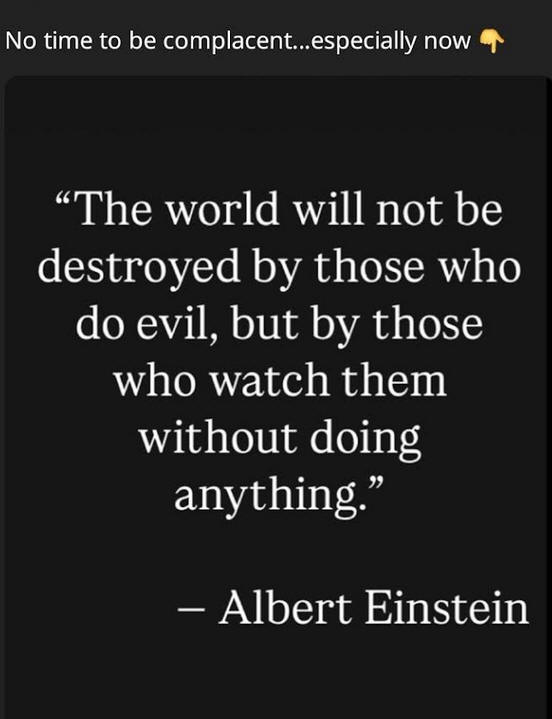
Einstein Was Right!

Leave a comment

.

It is time to act as people of a responsible republic. Don’t be complacent!

.

.

__________________________________________
 

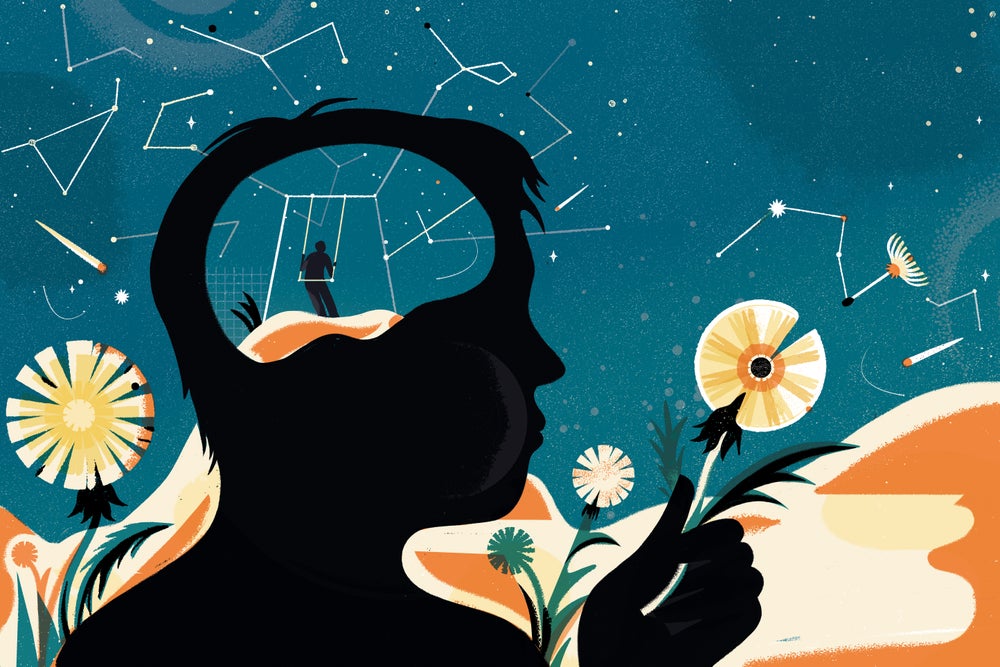
Transcendent Thinking May Boost Teen Brains

Leave a comment

Click the link below the picture

.

A thrilling crush, excruciating embarrassment or fervent dedication to a cause—adolescence can mean all of these things. For me, it involved a burning curiosity about the natural world, which led one time to my grandmother discovering a bag of cow eyeballs in the fridge. My dad had helped me collect them at a slaughterhouse for dissection.

I didn’t mean to upset anyone; I just wanted to figure out how sight works. Like others my age, I was also driven to understand why things are the way they are and how they could or should be different. A while after my eyeball phase, I declared myself a humanist and took to wearing a four-inch peace sign around my neck. My sister and I began writing and performing (admittedly somewhat histrionic) folk songs through which we attempted to express our discontent with various global, local, and historical injustices.

As a teen, I was swimming in big ocean waves, so to speak—watching, listening, questioning, and grappling to make sense of all the complex cultural and emotional information coming my way. Who are we humans, anyway, and who am I? Now, 35 years later, I am still fascinated by these questions and by the ways in which adolescents struggle to make sense of what they witness and experience.

Take these responses from teens in urban Los Angeles to my asking them why they think some people in their neighborhood commit violent crimes:

“They have, like, a lot of emotions. They’re really mad, so they just kill somebody. Like, overly aggressive.”

“Everyone has a history. Like, everybody has an action or choice or some sort of history—some sort of thing happened to them that affects how they act in the future.”

The difference between the quotes is subtle but critical in its implications for brain development. The first one describes the proximal reason for a crime and represents the kind of focused thinking people need to keep themselves safe and to respond appropriately to shifting circumstances. But the second reveals awareness of the broader historical, cultural or social context in which individuals do the things they do.

Every adolescent I have worked with, irrespective of IQ score or social or economic background, has the capacity for such mental time travel. By listening closely to teenagers’ reflections and observing their brain activations as they lay in a neuroimaging scanner, my colleagues and I discovered that thinking that ranges flexibly from the here and now, as in the first quote, to the past, the future, and everywhere else, as in the second, seems to literally build their brains. During such wide-ranging, emotionally powerful, reflective thinking—which we call transcendent because it soars beyond the moment—key brain networks activated and deactivated in complex, dynamic patterns, which, our data indicated, grew and strengthened their connections.

This emerging capacity to muse in abstract ways enables teenagers to understand themselves, their family, friends, and society at large and to imagine what their own place in the world might be. Over time such transcendent thinking constructs resilience to adversity and places young people on a path to future satisfaction with life, work, and relationships. Our research helps to explain why adolescents can be among society’s most visionary and idealistic citizens (and, alternatively, some of its most self-absorbed) and shows that to truly empower their growth, parents, schools, and communities need to focus less on what kids know and more on how they think.

.

https://static.scientificamerican.com/dam/m/46e908c6ab0ea448/original/sa0225Yang01.jpg?m=1736260694.43&w=1000Cinta Fosch

.

.

Click the link below for the complete article:

https://www.scientificamerican.com/article/transcendent-thinking-boosts-teen-brains-in-ways-that-enhance-life/

.

__________________________________________

I Prioritize Leaving One of My Kids Behind to Travel—and Experts Say It Can Benefit the Whole Family

Leave a comment

Click the link below the picture

.

We were just a couple hours outside of Billings, Montana, when we saw our first bison. It was a stunning, hulking, fuzzy, and otherworldly beast. My 9-year-old son Silas’ first comment was, “I can’t wait to tell my brother about this.”

Over the next four days, he mentioned his 2-year-old brother, Sunny, many times—to me, to our very tolerant Austin Adventures guides in Yellowstone National Park, to strangers we passed on the trail. “My little brother loves grizzly bears! My little brother is way too small to do this hike.”

He showed his baby brother’s photo to the friendly hotel bar staff once we were back in Billings enjoying happy hour at The Northern (milk for him, sage-smoked Old Fashioned for me): “This is my little brother. He’s two. He is going to be so jealous that I saw Old Faithful.”

Will his little brother indeed feel a bit jealous at this adventure we took without him? Probably. But soon, he’ll get a special mom-and-me trip of his own. And parenting experts say this is a great idea.

Perks of Traveling With Just One Child

Traveling with just one of your kids has several benefits, but the biggest might be uninterrupted quality time. “Solo time with a parent is critical for a child’s development, particularly in households with more than one child,” says Joy Kennedy, PhD, developmental psychologist and researcher with the Education Development Center. She explains that 1:1 time helps everything from bonding to language development, and ensures that each child gets the attention they need.

“This is something I have been recommending to parents for almost 20 years,” says Tammy Gold, LCSW, MSW, CEC, licensed family therapist, and parenting coach. She explains that while quality time with the whole family is crucial—whether that’s nightly dinners at home or an annual group trip to grandma’s house—“it’s also important to get one-to-one time with your children.”

Otherwise, “children might fight for attention or ‘air time’ or become covertly upset at the children getting the most attention,” she explains. Or worse, the quieter child—or if you have one child with a disability, the “glass child” sibling—can “become apathetic and give up trying to bond if there are other, louder siblings,” adds Gold. The last thing you want is for these children to feel there is no hope for special attention, she explains. Dr. Kennedy shares that, in her family, she needs to prioritize solo time with her younger child since her older one tends to dominate family conversations at home. In my family, it’s the opposite; my 2-year-old is wild and wonderful and loud, and my more easygoing and reflective 9-year-old can get a bit lost in the shuffle. This was the motivation behind our Montana trip: Letting Silas be the star of the show, once again.

Here are some other benefits of traveling with just one child at a time,

Travel tailored to their interests

Have you heard the Dylan Moran quote, “You can’t please everyone, nor should you seek to, because then you won’t please anyone, least of all yourself”? The same is true of family travel.

Going middle-of-the-road with all activities, trying to ensure it’s something all your kids enjoy, can be a recipe for a dull destination. Instead, “personalizing activities without any potential interruptions or changes that larger groups can inherently bring gives the parent and child more leeway to plan around what suits their needs,” says psychiatrist Doug Newton, MD, MPH.

This was part of why I chose Montana and in particular Yellowstone: Silas is an adventurer and wildlife aficionado and I knew he’d be floored by the opportunities to see and learn about bison, bears, osprey, and more—and to earn his Junior Park Ranger badge. Would his 2-year-old brother be even half as interested, or manage even half of our hikes? Nope. 

Independence and autonomy

“Spending time apart from other siblings can give kids a chance to feel independent and develop confidence as they exercise a bigger role in decision-making,” says Dr. Newton.

The day-to-day at home can often leave kids going along with the group or catering to a younger sibling’s needs. Twosome trips, on the other hand, give you as the parent the opportunity to ask your child: “What do you want to do today?” And then you can actually make it happen! 

Minimal conflict

I’m no stranger to multiple-child travel, which means I’m also accustomed to separating sibling spats on the road or in the air. “Stepping in to mediate conflicts and oversee relationships within the family takes focus away from quality time parents can have with individual children on a family trip,” says Dr. Newton.

A one-on-one trip, on the other hand, gives everyone a chance to have their own space and be heard as an individual.

Secure attachment

When parents can focus their attention onto one child for any amount of time, “it strengthens their attunement and overall connection. In turn, this strengthens secure attachment, a hallmark of positive outcomes in life,” says Stacy McCann, a licensed clinical mental health therapist and parent coach.

Of course, this is not to say that deep attunement and secure attachment can’t happen in multiple-child families that can’t swing one-kid-at-a-time

travel. It’s just that planning solo travel with one child will deepen what is already there. It gives each child a chance to communicate with their parents away from the chaos of sibling dynamics, “and experience awe in the world in connection with their parents,” says McCann.

Pitfalls of Leaving Your Other Kids Behind

While the benefits of parent-child trips like mine and Silas’ tend to outweigh the cons, there are some potential shortcomings to be aware of, including the following.

Other siblings might feel envious

Of course, one sibling embarking on an adventure with Mom or Dad may well bring out the little green monster in the other sibling(s). So make sure to establish an understanding among all your children “of why one-on-one time is important and why they’re not included, and to assure them that they will have individual time dedicated to them and their travel needs as well,” recommends Dr. Newton.  

.

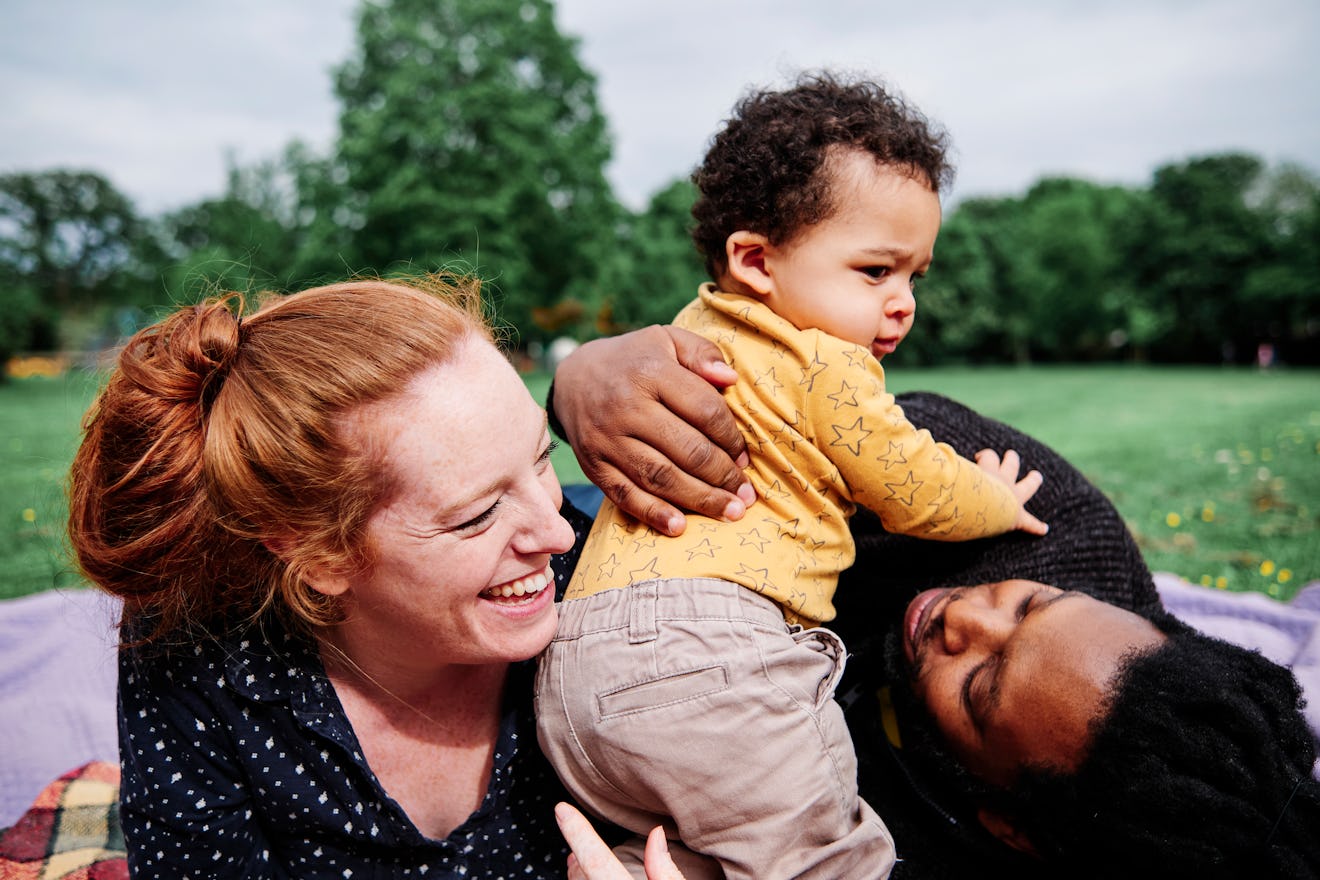
https://www.parents.com/thmb/20lDZYgF3j9uCWtYu1JM0Ioa8pk=/750x0/filters:no_upscale():max_bytes(150000):strip_icc()/Parent-GettyImages-1294479496-2ffd04d3f2ab4b07bcee8b74de2a156a.jpgParents / Getty Images

.

.

Click the link below for the complete article:

https://www.parents.com/leave-one-kid-behind-to-travel-8774902?utm_source=pocket_discover_parenting

.

__________________________________________

How Reality TV Helps Explain Trump’s Success

Leave a comment

Click the link below the picture

.

With Donald Trump back in office, much of the world is still struggling to make sense of his appeal to so many Americans. This is especially the case now, after he became a felon, incited an insurrection, and promised to govern as a dictator. How does someone so unfiltered, unrefined, and dismissive of moral codes and norms end up getting elected?

It may be those very things that are core to his appeal—Trump is not the first head of state who has capitalized on brash behavior to gain that position. He may appeal to the average voter for the very same reasons you keep watching that reality television show you love to hate: these shows delight people by  giving them a look at something that feels both “real” and “taboo.” Trump is among many successful politicians who have succeeded by appearing more relatable, such as George W. Bush, who famously scored as the more appealing candidate “to have a beer with” in the 2000 and 2004 presidential elections, the authentic emotional appeal of Barack Obama or the “bumbling clown” image of Boris Johnson. But Trump’s appeal seems different.

In our experience as business professors, we’ve seen how business models that include seemingly repellent behavior can captivate audiences—and as a television personality, Trump has been no exception. Trump the politician has pulled from that same playbook. We have spent years studying how transgression (an act that goes against law, norms or standards), stigma and emotions affect businesses, stakeholders, and even society. Trump’s election had striking similarities to what we have observed in businesses based on voyeurism. That is, the anchor of his appeal is tied to how the perception of his authenticity and his transgressions fuel human emotion.

Think about reality shows such as Big Brother, social media influencers, erotic webcam and OnlyFans models and “slum tourism.” These are businesses that let audiences “peek” into things that are typically kept private. These are businesses based on voyeurism—they turn people’s curiosity about private and forbidden aspects of others’ lives into a product or service that generates money. Experiencing something forbidden creates a unique mix of emotions—thrill, curiosity and even discomfort—that people are willing to pay for. To succeed, such businesses balance showing enough “realness” to feel authentic and forbidden with avoiding crossing lines that might alienate their audience.

Of course, Trump is a reality television show character turned president, and part of the success of his shows was brashness—berating hapless contestants or yelling “you’re fired” over and over. Just as voyeuristic businesses do, Trump has positioned himself as both authentic (he “tells it like it is,” people say) and transgressive (he does and says things as a political leader that people in his position normally do not). In this way, Trump has cultivated a distinct persona that resonates with certain audiences and keeps them engaged amid—and often because of—controversies. Here’s how this works.

Authenticity is about delivering experiences that feel real, connecting audiences with the unfiltered “truth” of a subject. Trump’s followers often say they like it when he resists traditional political correctness and “elite” social norms, such as the carefully calibrated communication that is often associated with people in positions of power. Despite his wealth and high status, people see him as an “authentic” figure. Trump’s blunt manner, frequent social media outbursts and disregard for polished speeches all reinforce this perception. That makes him seem more honest to his followers, regardless of whether or not he is telling the truth. They believe that he’s acting without artifice, bringing an undiluted version of himself directly to the public, which is one half of the voyeurism puzzle. In voyeuristic businesses, the same is expected. Webcam models, for example, are perceived to bring their full personality to their performances, casting aside the tropes seen in classic pornography. Reality star actors are seen as being unfiltered and unrefined—they are more “real,” even if it’s staged.

.

https://static.scientificamerican.com/dam/m/319e01279d076d76/original/MAGA-hat-on-Hollywood-star.jpg?m=1737755197.884&w=1000

In May 2024 a red hat with the saying “Make America Great Again” was placed on the Hollywood Walk of Fame star of now president Donald Trump hours after he was found guilty of 34 felony charges of falsifying business records in an effort to influence the 2016 election. Jay L. Clendenin/Getty Images

.

.

Click the link below for the complete article:

https://www.scientificamerican.com/article/how-reality-tv-helps-explain-trumps-success/

.

__________________________________________

My Family’s YouTube Ban

Leave a comment

Click the link below the picture

.

A few years ago, when my oldest son was around 3, my husband and I started letting him watch YouTube videos of construction toys — diggers, steamrollers, dump trucks — doing their thing in the sand. My son absolutely loved it. He watched them when we’d go out to restaurants or while traveling, whenever we needed some instant mollifying or to shovel some food into our mouths.

We also had a 6-month-old baby at the time and as she got older and needed more chasing around, the YouTube time began to increase. For the most part, I didn’t see any real harm in it. I grew up on tons of TV and enjoy dopamine hits from social media as much as the next millennial; plus, these videos seemed relatively harmless, especially since they were infrequent. Over time though, he began watching videos of YouTubers reviewing new toys, his little sister peering over his shoulder, full of quick cuts, loud sounds, and an overwhelming amount of product and waste. Then, despite parental controls and making sure I was always in the room with them when they watched, the algorithm started to push content that was annoying at best (full of kids doing silly pranks) and encouraging bad behavior at worst (with scary and weird images that made the kids uncomfortable). Finally, last summer, after clocking that every time they watched YouTube they were more irritable and anxious, my husband and I decided to ban it completely. I felt like I’d been asleep to how much this app was impacting my kids, and by cutting it off, I was finally waking up.

They were upset at first and begged to watch, but it didn’t take too long for them to get over it and move on. I told them why we’d done it, about how I could see how it was making them feel, what it was doing to their bodies and brains and behavior. I simplified it as much as possible, but I needed them to know it wasn’t a random decision, that I was doing it out of love and concern for them. Does a 5-year-old get that? No, probably not, but we did it in conjunction with his best friend’s family, so at least it wasn’t totally alienating for him to not have access to it anymore.

His little sister, on the other hand, screamed, cursing me and her dad, and took every chance she could to try and sneak it, craving a hit of one of those annoying YouTubers she’d become obsessed with. I tried to tell them both that wanting it that intensely was exactly why they shouldn’t have it anymore.

Early on, I would give in sometimes — I’m only one woman — but I held more firm the longer we went without it. The change was too huge to not stick with it. It’s been over a year now and they’re not as cranky, angry, or amped up at bedtime. But we don’t live in a bubble, and one of the big reasons I think it worked is because we did alongside friends their own age. School is another story.

This school year, a mom at my kids’ school, Anna, was inspired to start a

parent council group, using Jonathan Haidt’s book, The Anxious Generation, as a launchpad to talk about taking an organized approach to cutting down smartphones and social media as a community. “So when my kid comes home in grade two and wants a phone, it won’t just be me saying no,” she says. Before reading the book, she’d already made a big change at home after realizing she’d “become dependent on my phone as a single mom during the pandemic.” She realized she couldn’t say no to TV while she was scrolling on her phone. Her usage bled over to his usage, so she made a change. The iPad only gets used during travel and the rest of the time it lives in a drawer. He isn’t allowed to play video games, there’s no YouTube, and no playing with her phone. Even the TV only comes on during the weekend. They’re not totally screen free — but it’s more extreme than probably the majority of the other parents at school.

A lot of people, myself included, are still struggling to figure out the right mix of screens at home — what’s okay and what’s not — but Anna liked what changing her family’s screen time did for her household, their time together at home feels more connected and meaningful and both their moods at home have improved. But even still, it hasn’t been easy. “He still cries over it,” she said.

When I posted on my private Instagram account recently about banning YouTube, a mom I know DM’d me to say that her kids use the platform a lot

and she feels it’s actually taught them a lot, including fast-tracking her daughter’s reading and fueling her son’s creativity. “It depends on the kid,” she said.

I might have agreed with that a year ago, but it’s not about the ability of an individual kid to navigate these spaces, it’s about the damage these spaces do to the person navigating them. We’ve all seen how the people behind these platforms have taken their masks off in the past few months — Meta founder and CEO Mark Zuckerberg’s about-face on things like content moderation and what constitutes hateful language is especially horrifying — revealing how little they care about the safety of our kids. In fact, we’ve known for years that these same tech execs don’t even let their own kids go on social media. And why would they? There have been multiple studies that warn of the serious impact it can have on kids, including self-harm, anxiety, and depression. A former TikTok backend engineer recently did an AMA on X and, when someone asked if he’d ever let his kids on the app, he answered “zero chance, brainrot.”

.

https://pyxis.nymag.com/v1/imgs/c27/97d/3d07f13b1295fa39ebccfbf6b72219d3d6-parent-col-niazi-dogs-01.rsquare.w700.jpgPhoto-Illustration: by the Cut; Photos Getty Images/B)2013 Purple Collar Pet Photography

.

.

Click the link below for the complete article:

https://www.thecut.com/article/how-to-stop-kids-watching-youtube-social-media.html?utm_source=pocket_discover_parenting

.

__________________________________________

Rain Is Coming to Burning Los Angeles and Will Bring Its Own Risks

Leave a comment

Click the link below the picture

.

The Los Angeles area has been at the mercy of fire and wind this month, and this weekend a third element will join the mix: water.

Rain is forecast to begin as soon as Saturday afternoon and to continue as late as Monday evening, says meteorologist Kristan Lund of the National Weather Service’s Los Angeles office. The area desperately needs the precipitation, but experts are warily monitoring the situation because rain poses its own risks in recently burned areas—most notably the potential occurrence of mudslides and similar hazards.

“Rain is good because we’ve been so dry,” Lund says. “However, if we get heavier rain rates or we get the thunderstorms, it’s actually a lot more dangerous because you can get debris flows.”

Fires do a couple of different things to the landscape that can increase the risk of burned material, soil, and detritus hurtling out of control.

When fires burn hot or long enough, they leave an invisible layer of waxy material just under the surface of the ground. This develops from decomposing leaves and other organic material, which contain naturally hydrophobic or water-repellent compounds. Fire can vaporize this litter, and the resulting gas seeps into the upper soil—where it quickly cools and condenses, forming the slippery layer.

When rain falls on ground that has been affected by this phenomenon, it can’t sink beyond the hydrophobic layer—so the water flows away, often hauling debris with it. “All of the trees, branches, everything that’s been burned—unfortunately, if it rains, that stuff just floats,” Lund says. “It’s really concerning.”

Even a fire that isn’t severe enough to create a hydrophobic layer can still cause to debris flows, says Danielle Touma, a climate scientist at the University of Texas at Austin. Under normal conditions, trees and other plants usually trap some rain above the surface, slowing the water’s downward journey. But on freshly burned land there’s much less greenery to interfere; all the rain immediately hits the ground.

And whereas healthy vegetation holds soil together with its roots, fires can easily burn off the fine roots that do most of that work. “So then you have all this loose soil that can be transported by water as well,” Touma says.

This month the three largest Los Angeles–area fires have created nearly 50,000 acres of fresh burn scar, Lund notes, and some of that scar is in mountainous terrain that facilitates mudslides. Current forecasts suggest the rain will mostly fall below the rate of a quarter-inch per hour—below the intensity that tends to increase the risk of debris flows, Lund says. But this weekend the region does face a 10 to 20 percent chance of thunderstorms, which can cause short bursts of rain that may be heavy enough to trigger flows.

.

https://static.scientificamerican.com/dam/m/4ceb660e063ce4ef/original/-Burnt_trees_with_LA_skyline.jpg?m=1737754803.37&w=1000

Trees burned by the Palisades Fire are seen from Will Rogers State Park, with the City of Los Angeles in the background on January 15, 2025. Apu Gomes/Getty Images

.

.

Click the link below for the complete article:

https://www.scientificamerican.com/article/weekend-rain-poses-landslide-risk-in-wildfire-scarred-los-angeles/

.

__________________________________________

Why Do Babies Do The Newborn Scrunch?

Leave a comment

Click the link below the picture

.

The first time you hear about the newborn scrunch, you may not know exactly what the phrase refers to. But once you see it, you’ll remember it in your very bones: When you scoop up a newborn, they tend to bunch up their little legs and curl their arms inward, and often lay on Mom or Dad’s chest froggy style too. So, why do babies do the newborn scrunch? This adorable little movement is just a remnant from their time in the womb, and is something they’ll grow out of eventually (*sob*).

While it’s not clear exactly when the term “newborn scrunch” came about, it’s definitely taking hold — the hashtag #newbornscrunch has more than 700 million views on TikTok alone. (Its many misspellings and typos have hundreds of thousands of views too.) Watch one video and you’ll see why. Parents are capturing their baby’s scrunches to share with the world — lifting them out of the car seat, and we all get to sigh at how cute their bunched up arms and legs look. The scrunch also happens when babies are resting on their bellies during tummy time or on a parent’s chest. For parents of older kids, these videos are wistful reminders of those very first days with their own babies, all cozy, scrunch-y, and perfect.

Why do babies do the newborn scrunch?

Basically, they’ve been balled up in the womb their whole lives so far. So, the newborn scrunch feels comfy and familiar, and they just have to figure out they have room to stretch now, experts say.

“This scrunch [is a] physiological movement that imitates what has been happening starting in the womb, where you are kind of scrunched in that uterus, and exiting out into the real world,” says Dr. Nicola Chin, M.D., Children’s Healthcare of Atlanta pediatrician and associate professor of pediatrics at the Morehouse School of Medicine. “Babies are acclimating to the real world now. They’ve been released from this warm fetal position and they are saying, ‘Hmm, what am I supposed to do?’”

“It’s very common for newborns to have that instinctual feeling of going into a position of comfort, a position that protects them in some ways from the outside world, which can be very stimulating, especially in those very first weeks of life and the new noises and those things. So, it lets them pull into themselves and feel safe and protected, especially when being picked up by caretakers,” explains Dr. Jenna Wheeler, M.D., pediatrician at Orlando Health Arnold Palmer Hospital for Children.

How long do babies do the newborn scrunch?

So, how long will they have this adorable habit? Not long enough for the parents who love it. “Around the 6-week point they seem to be a little bit more comfortable in their environment, they’re more comfortable being held and with the noises around them, and they start to stretch their arms and legs out a little bit more,” says Wheeler.

.

woman holding newborn babyMichele Pevide/Getty Images

.

.

Click the link below for the complete article:

https://getpocket.com/explore/item/why-do-babies-do-the-newborn-scrunch

.

__________________________________________

The Latest on Bird Flu in Humans, Cats and Chickens

Leave a comment

Click the link below the picture

.

As the bird flu outbreak affecting poultry, dairy cows, and humans in the U.S. continues to make headlines, here’s what to know about the situation as of January 23.

Human Cases

The U.S. reported its first human case of H5N1 avian influenza in two years in April 2024. Since then the Centers for Disease Control and Prevention has reported a total of 67 confirmed human cases. The first U.S. death from bird flu was announced earlier this month in Louisiana, but most human cases in the country have remained quite mild.

The CDC maintains that there is no evidence of spread between humans. Most people with avian influenza have been infected through exposure to sick dairy cows or poultry. Cows with bird flu shed large amounts of the H5N1 virus in their milk, although pasteurization has been confirmed to kill the virus, leaving the commercial milk supply safe to drink. (Raw milk is not safe.) Poultry workers have been infected mainly through culling operations. The source of a few human infections remains difficult to pin down.

Poultry Cases

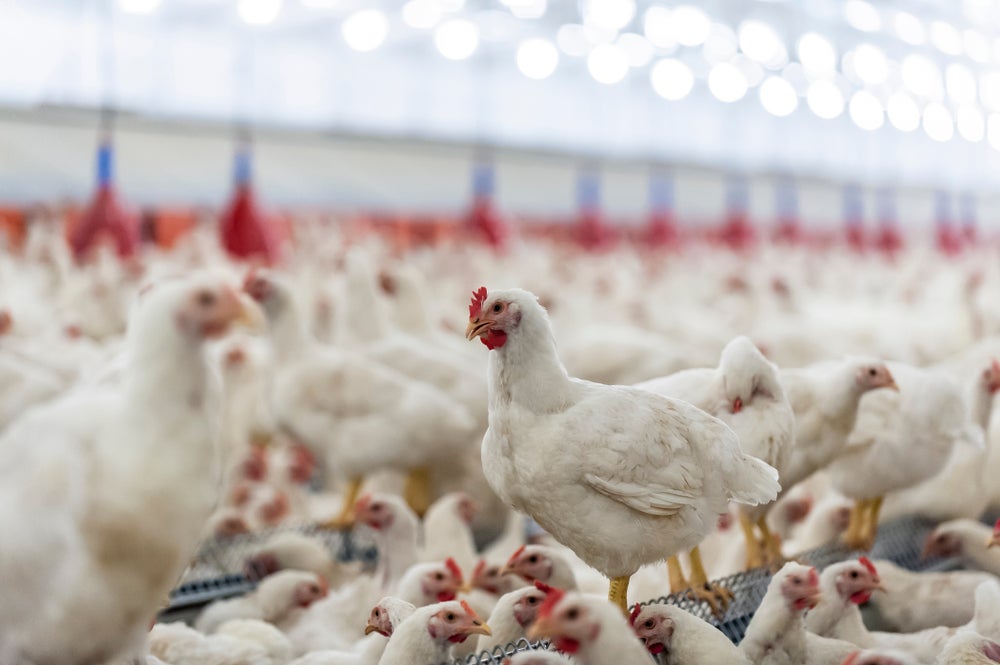
Bird flu continues to spread among commercial and backyard poultry. As of January 23, the U.S. Department of Agriculture reported that there were 98 infected flocks within the past 30 days, with more than 15 million birds affected. Avian influenza is so contagious and deadly in poultry that the entire flock is culled as soon as the presence of the virus is confirmed. Since the bird flu outbreak began in February 2022, more than 140 million birds have been infected or proactively culled.

Recent infections among poultry include two large commercial chicken farms in Georgia, which is a key source of so-called broilers raised for meat. Maryland and Virginia have also reported recent cases at broiler facilities, while Missouri has confirmed bird flu infections at an egg farm. And health officials in New York State announced a massive outbreak at a duck farm on Long Island. With bird flu cases increasing, egg prices are rising fast. Fortunately, although eggs can carry a host of infections and should never be eaten raw, people are unlikely to catch bird flu from commercial chicken eggs.

Cat Cases

There has also been a spate of recent bird flu detections in domestic cats. Positive samples were gathered in January in California, Kansas, Louisiana, and Iowa, and several more cases from last December were also confirmed this month. Less information is typically available in these cases, and there are several ways cats can catch bird flu: Those on dairy farms have been particularly vulnerable; such cats likely become infected by drinking milk from sick cows. But outdoor cats can also catch avian influenza from wild birds. And indoor cats can be exposed to the virus through raw milk and raw food. Recognizing this last threat, on January 17 the Food and Drug Administration ordered manufacturers of raw pet food to update their food safety plans to include H5N1.

.

https://static.scientificamerican.com/dam/m/eb40217a96e9180/original/Chicken_farm.jpg?m=1737655847.44&w=1000wikoski/Getty Images

.

.

Click the link below for the complete article:

https://www.scientificamerican.com/article/the-latest-on-bird-flu-in-humans-cats-and-chickens/

.

__________________________________________

What If I Wanted To Be A Stay-At-Home Mom For Existential Reasons?

Leave a comment

Click the link below the picture

.

As soon as I quit my job — a decision I made unexpectedly when my son was 8 weeks old — I began to encounter headlines that attempted to quantify my new role. “If SAHMs were paid, their salary would be $184K/year,” went a typical one. My son will be 4 on his next birthday, and in my travels across the Internet, I still come across that number at least monthly. It’s a sum that far exceeds any salary I made, but it seemed especially irrelevant once I was doing what felt like both the most relentless and high stakes work of my life. What was the point in knowing my worth in theory, when it was accompanied by nothing material?

That fantasy six-figures appears, too, early on in The Power Pause: How to Plan a Career Break After Kids — And Come Back Stronger Than Ever by Neha Ruch, founder of the website (and popular Instagram account) Mother Untitled. When she invokes the number, it is to point out that, in her words, “Our work inside the home is critically important and valuable, yet few mothers I’ve met feel like a revered six-figure-earner during their career pauses.” Ruch’s mission is to change that. The Stanford MBA and former brand strategist’s current project, launched after leaving her corporate career following the birth of her kids, is to rebrand stay-at-home motherhood.

It is, perhaps, a role that could use some sprucing up. A perusal of any relevant online comment section, as well as plenty of IRL conversations, will tell you that opinion is split on whether the 21st century SAHM is a pitiable or a privileged figure (neither is a positive assessment). Ruch situates herself in the Lean In, girlboss era, but the stay-at-home mother faced disdain and condescension long before Sheryl Sandberg. It doesn’t help that the role as we conceive of it is largely mythological: In the history that Ruch starts the book off with, she shows how the postwar stay-at-home mother of the popular imagination was a historical aberration that became cemented in our minds thanks to the concurrent invention of television. When people picture the kind of mom who stays home, they’re picturing June Cleaver. When her work is done, Ruch hopes we might instead imagine a striving, multi-hyphenate woman whose years at home don’t condemn her to stagnant invisibility but take her somewhere even better — someone a bit like herself.

Ruch is threading a difficult needle at a time when tradwives dominate media attention and real political energy is aimed at reducing the choices women have gained over the last century. To distance herself from such currents, Ruch identifies her project as a feminist one and repeats the phrase “modern and ambitious” like an incantation against all that. She also sidesteps the mommy wars entirely: “Staying home with your kids isn’t a virtue, and neither is working,” she writes, and notes that “research shows that a parent’s career status has no bearing on the happiness levels of their children.” Instead, her focus is on what a career pause — her reimagining of the dreaded “employment gap” — might mean to the person taking it.

It’s a somewhat surprising book: self-help for people in a stage of life in which selfhood may feel secondary, a professional development manual for those out of a profession.

Midway through the book, Ruch recounts a remark by her husband. though it’s something anyone parenting full time has probably heard before, about how he could never do what she does. This is a comment she has come to understand, she writes, “as a ‘polite’ way of saying, ‘I’m just too complex for at-home parenthood. I need the challenge of work to stay fulfilled.’” Her resistance to this extremely common characterization evades its usual forms — unsubstantiated claims about the negative impacts of day care, lists of a million supermom accomplishments, or conservative talking points — and instead rests on a conceit I haven’t seen articulated elsewhere so clearly. It’s the idea that full-time caregiving can offer an immersive period of personal growth and that this alone might be reason enough to embark on it, if you can swing it.

.

https://imgix.bustle.com/uploads/getty/2025/1/21/6883f48d/getty-1327236814.jpg?w=1320&h=880&fit=crop&crop=faces

Westend61/Westend61/Getty Image

.

.

Click the link below for the complete article:

https://www.romper.com/parenting/power-pause-sahm-neha-ruch?utm_source=pocket_discover_parenting

.

__________________________________________

Older Entries Newer Entries

Amor Entre Estrellas

¡Bienvenido de vuelta viajero!

Heart of Loia `'.,°~

so looking to the sky ¡ will sing and from my heart to YOU ¡ bring...

Michael Ciullo

CEO and Founder of Nsight Health

Nelson MCBS

Catholic News, Prayers, HD Images, Rosary, Music, Videos, Holy Mass, Homily, Saints, Lyrics, Novenas, Retreats, Talks, Devotionals and Many More

Global geopolitics

Decoding Power. Defying Narratives.

Talk Photo

A creative collaboration introducing the art of nature and nature's art.

Movie Burner Entertainment

The Home Of Entertainment News, Reviews and Reactions

Le Notti di Agarthi

Hollow Earth Society

C r i s t i a n a' s Fine Arts ⛄️

•Whenever you are confronted with an opponent, conquer him with love.(Gandhi)

TradingClubsMan

Algotrader at TRADING-CLUBS.COM

Comedy FESTIVAL

Film and Writing Festival for Comedy. Showcasing best of comedy short films at the FEEDBACK Film Festival. Plus, showcasing best of comedy novels, short stories, poems, screenplays (TV, short, feature) at the festival performed by professional actors.

Bonnywood Manor

Peace. Tranquility. Insanity.

Warum ich Rad fahre

Take a ride on the wild side

Madame-Radio

Découvre des musiques prometteuses (principalement) dans la sphère musicale française.

Ir de Compras Online

No tiene que Ser una Pesadilla.

Kana's Chronicles

Life in Kana-text (er... CONtext)

Cross-Border Currents

Tracking money, power, and meaning across borders.

Jam Writes

Where feelings meet metaphors and make questionable choices.

emotionalpeace

Finding hope and peace through writing, art, photography, and faith in Jesus.

WearingTwoGowns.COM

The Community for Wounded Healers: Former Medical Students, Disabled Nurses, and Faith-Fueled Pivots

...

love each other like you're the lyric to their music

Luca nel laboratorio di Dexter

Comprendere il mondo per cambiarlo.

Tales from a Mid-Lifer

Mid-Life Ponderings

Creative

Travel,Tourism, Life style "Now in hundreds of languages for you."

freedomdailywriting

I speak the honest truth. I share my honest opinions. I share my thoughts. A platform to grow and get surprised.

The Green Stars Project

User-generated ratings for ethical consumerism

Cherryl's Blog

Travel and Lifestyle Blog

Sogni e poesie di una donna qualunque

Questo è un piccolo angolo di poesie, canzoni, immagini, video che raccontano le nostre emozioni

My Awesome Blog

“Log your journey to success.” “Where goals turn into progress.”

pierobarbato.com

scrivo per dare forma ai silenzi e anima alle storie che il mondo dimentica.

Thinkbigwithbukonla

“Dream deeper. Believe bolder. Live transformed.”

Vichar Darshanam

Vichar, Motivation, Kadwi Baat ( विचार दर्शनम्)

Komfort bad heizung

Traum zur Realität

Chic Bites and Flights

Savor. Style. See the world.

ومضات في تطوير الذات

معا نحو النجاح

Broker True Ratings

Best Forex Broker Ratings & Reviews

Blog by ThE NoThInG DrOnEs

art, writing and music by James McFarlane and other musicians

fauxcroft

living life in conscious reality

Srikanth’s poetry

Freelance poetry writing

JupiterPlanet

Peace 🕊️ | Spiritual 🌠 | 📚 Non-fiction | Motivation🔥 | Self-Love💕

Sehnsuchtsbummler

Reiseberichte & Naturfotografie