August 29, 2025
Mohenjo
Business, Food For Thought, Human Interest, Political, Science, Technical
amazon, business, Business News, current-events, Future, Hotels, human-rights, medicine, mental-health, research, Science, Science News, technology, Technology News, travel, vacation

Click the link below the picture
.
Safeguards keep fake ballots from being counted. Election officials regularly update voter lists. Voting machine software undergoes rigorous testing.
Telling voters such simple facts helps combat election misinformation, suggests a Science Advances study released on Friday. In the investigation, researchers performed messaging experiments with voters in the U.S. before the nation’s 2022 midterm elections and in Brazil after its presidential election that same year. With false claims of faked election results having figured into the January 6, 2021, mob assault on the U.S. Capitol and reelected U.S. president Donald Trump having made false claims about mail-in ballots and voting machines in August 2025, combating election falsehoods matters very much, the new study’s authors say.
“Around the world, we’ve seen attacks on election integrity, and it’s become clear that defending democracy requires debunking or effectively countering that misinformation,” says study co-author Brian Fogarty, a political scientist at the University of Notre Dame. What he and his colleagues found most effective was “genuinely novel information,” he says—such as details on exactly how voting security is ensured at the polls and in the counting of votes.
“The facts actually matter,” says psychology professor Gordon Pennycook of Cornell University, who was not a co-author of the study. “This is a very strong set of experiments, and I think the conclusion is very important: the best way to help guard people against misinformation is to provide accurate countervailing information.”
While Pennycook and other outside experts applaud the experiments as excellent research, however, they question their relevance in real elections. In the U.S. and Brazil, these experts note, voters are immersed in misinformation from talk radio, television personalities, and, in the case of the U.S., even the country’s current president—and this fouls the information environment in which straightforward messages about election security can be delivered to them.
“We know people are misinformed. Can just one message in a sea of misinformation offset a diet of misinformation on social media,” and cable television, asks communications scholar Nathan Walter of Northwestern University, who was not part of the study. “Eating one protein shake doesn’t counter all the cheeseburgers you had.”
The study consisted of three experiments. The first two, which respectively included nearly 3,800 respondents in the U.S. and more than 2,900 in Brazil, tested attacks on voting integrity from political leaders of losing parties against “prebunking” information about how votes are secured that were preceded by warnings about conspiracy theories. As a control measure, some participants heard messages with information that was entirely unrelated to voting. Prebunking worked in both the U.S. and Brazil, and it was particularly effective among those most skeptical of election security and had a more lasting effect. Notably, the U.S. voting security information was taken from the (now deleted) “Rumor vs. Reality” section of the website of the U.S. Department of Homeland Security’s Cybersecurity & Infrastructure Security Agency.
The third experiment of 2,000 participants from the first experiment tested prebunking messages with and without the added conspiracy forewarnings. Somewhat surprisingly, the prebunking messages without the forewarnings about conspiracy theories proved most effective in countering misinformation, the study showed. Beliefs in false statements dropped from 19.5 percent in the control group to 12.3 percent in the forewarning group and to 10.6 percent among the participants who received simple explanations without forewarnings.
With the 2026 U.S. midterms ahead, voting groups, civil society organizations, and journalists can take the study’s results as pointers to better showing people the lengthy steps taken to ensure that voting fraud is unbelievably rare in elections, writes Natália Bueno of Emory University in a companion article published in Science Advances.
“What seems to matter is this novel factual information is provided in the prebunking message, which is helping people understand how elections are secure,” Fogarty says. “We think these are encouraging findings with important implications for how to communicate with the public about election integrity going forward.” While the Trump administration has removed the DHS webpage with facts about election integrity that was used in one of the experiments, the study authors suggest voting rights groups could turn to the National Association of State Election Directors or National Conference of State Legislatures for similar prebunking explanations.
The U.S. federal government can no longer be considered a good-faith player in ensuring fair elections, however, says cognitive scientist Stephan Lewandowsky of the University of Bristol in England, pointing to the Trump administration’s embrace of 2020 false election claims. That makes even the most scientific prebunking look less useful as a tool for stabilizing democracy, warns Lewandowsky, who wasn’t involved in the new study. “The U.S. is now best characterized as an emerging autocracy with a very tenuous hold on democracy and lawfulness,” he adds.
.
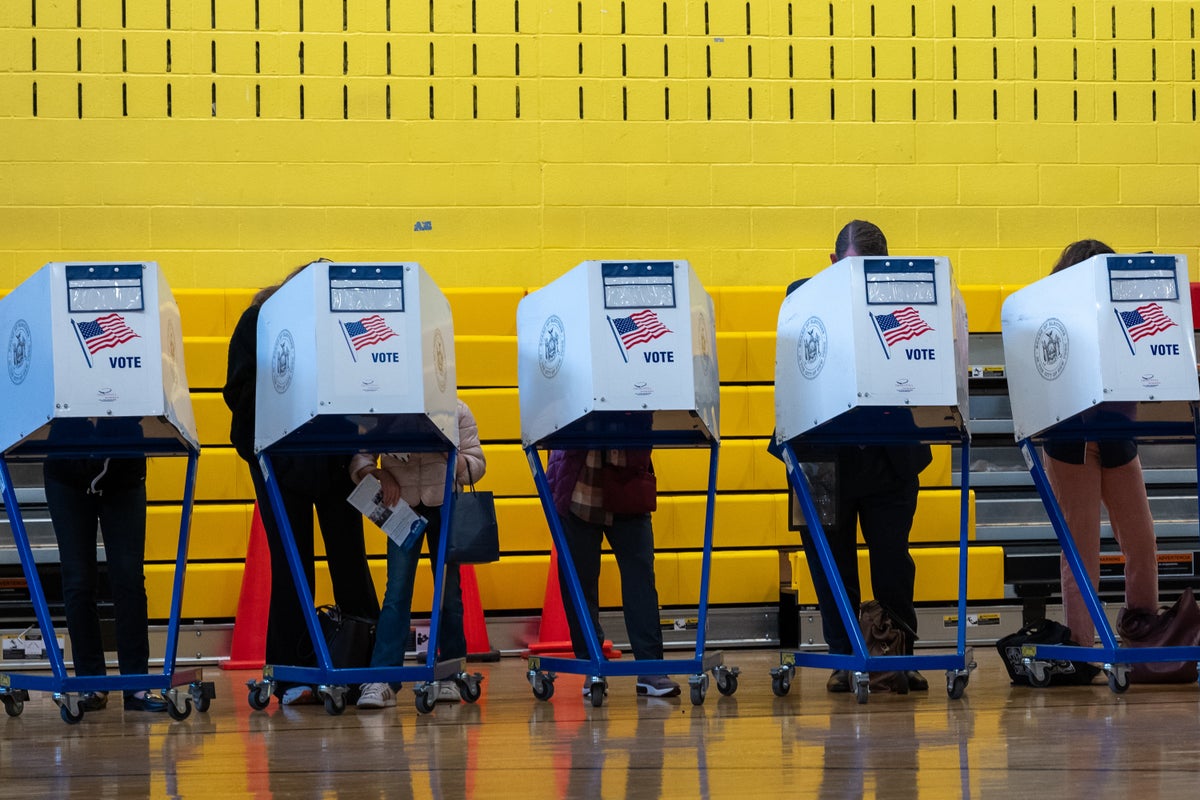
People cast their ballots on November 5, 2024, in New York City. Wang Fan/China News Service/VCG/Getty Images
.
.
Click the link below for the complete article:
.
__________________________________________
August 29, 2025
Mohenjo
Business, Food For Thought, Human Interest, Political, Science, Technical
amazon, business, Business News, current-events, Future, Hotels, human-rights, medicine, mental-health, research, Science, Science News, technology, Technology News, travel, vacation
From

Click the link below the picture
.
Sure, summer isn’t technically over for a few more weeks — but school vacations, summer Fridays, and the lazy days of August? Those end at Labor Day, buddy, and tradition demands celebrating with one last bash. Spending as much time at the grill as possible is relatable end-of-summer behavior, and our Labor Day recipe roundup includes options for grilling nearly every course, with smoky salads and charred sides, delicious grilled meat and seafood, and even a pie baked over the coals. And of course, this is the time of year when peppers, tomatoes, corn, and okra are near-bursting, and berries, melons, and stone fruits are at their peak. We’ve also got dishes and drinks featuring enough late-season produce to tide you over (almost) until summer 2026.
.
:max_bytes(150000):strip_icc()/Pollo-Yucateco-Asada-FT-RECIPE0623-24b5835c4bca4c2fb162d6e9663e8598.jpg) Credit: Eva Kolenko / Food Styling by Carrie Purcell / Prop Styling by Nidia Cueva
Credit: Eva Kolenko / Food Styling by Carrie Purcell / Prop Styling by Nidia Cueva
.
.
Click the link below for the complete article (click link below for 35 recipes):
.
__________________________________________
August 29, 2025
Mohenjo
Business, Food For Thought, Human Interest, Political, Science, Technical
amazon, business, Business News, current-events, Future, Hotels, human-rights, medicine, mental-health, research, Science, Science News, technology, Technology News, travel, vacation

Click the link below the picture
.
Where Things Stand
-
Tariffs ruling: In a setback to President Trump’s global trade war, a federal appeals court on Friday found that many of his tariffs were issued illegally, upholding an earlier decision from a federal trade court. The appeals court found that the bedrock of the trade war — an international emergency powers law that permits the president to take broad trade action in response to economic emergencies — “does not authorize the tariffs imposed by the Executive Orders.” But the judges delayed the implementation of their order until October to grant the administration time to seek review by the Supreme Court, which would allow the duties to remain in place for now. Read more ›
-
Foreign aid: The Trump administration has moved to cancel $4.9 billion for foreign aid programs, funds that Congress already approved, using an untested power to cut spending over lawmakers’ objections. Read more ›
-
U.N. meeting: Palestinian officials may not be able to attend next month’s United Nations General Assembly because the United States will not issue visas to them, Secretary of State Marco Rubio said Friday. The United States generally issues visas to allow foreign leaders to come to U.N. headquarters in New York, even those from countries under severe U.S. sanctions. The move by Mr. Rubio could be aimed at weakening discussion of Palestinian statehood. Read more ›

Aug. 29, 2025, 7:01 p.m. ET47 minutes ago
Richard Neal, the top Democrat on the House Ways and Means Committee, called the ruling “a victory for the rule of law, for the Constitution, and for American families who have paid the price for Donald Trump’s trade agenda.” He added: “Tariff authority rests with Congress. The Constitution is clear, and no president—Trump or anyone else—can invent powers they do not have.”
Aug. 29, 2025, 6:51 p.m. ET55 minutes ago
During President Trump’s first term, his advisers also had questions about whether the International Emergency Economic Powers Act, which is typically used to issue foreign sanctions, could be used to levy broad tariffs. The first Trump administration used IEEPA sparingly, relying on other tools like Section 232 and Section 301 of the Trade Act of 1974 instead to issue tariffs on Chinese exports and steel. But Mr. Trump and his advisers have since taken a more expansive interpretation, concluding that an economic emergency could be declared based on almost anything.
.
 A banner of President Trump on a Department of Labor building in Washington, on Friday.Credit…Eric Lee for The New York Times
.
.
Click the link below for the complete article:
.
__________________________________________
August 28, 2025
Mohenjo
Business, Food For Thought, Human Interest, Political, Science, Technical
amazon, business, Business News, current-events, Future, Hotels, human-rights, medicine, mental-health, research, Science, Science News, technology, Technology News, travel, vacation
Click the link below the picture
.
Rattling departures of high-ranking officials at the Centers for Disease Control and Prevention appear to be sending the U.S. public health agency into unsettling disarray, experts say, after the White House abruptly dismissed CDC director Susan Monarez on Wednesday evening following alleged disagreements on health policy.
In a post on the social media platform X earlier on Wednesday, the Department of Health and Human Services initially announced that Monarez was no longer CDC director. Later that evening, Monarez’s attorneys issued a statement that said she hadn’t resigned or been told she’d been fired. White House spokesperson Kush Desai swiftly responded with a statement that said Monarez had been formally terminated. But President Donald Trump had directly appointed Monarez, and she was sworn in by the U.S. Senate on July 31; her attorneys have insisted she can only be fired from her position directly by the president, who could theoretically overturn the decision. If not reinstated, Monarez will have only held her position as CDC head for a few weeks—the shortest-serving director in the agency’s history.
The HHS and its leader, Secretary of Health and Human Services Robert F. Kennedy, Jr., “have set their sights on weaponizing public health for political gain and putting millions of American lives at risk,” wrote Monarez’s attorneys in a post on X on Wednesday evening. “When CDC Director Susan Monarez refused to rubber-stamp unscientific, reckless directives and fire dedicated health experts, she chose protecting the public over serving a political agenda. For that, she has been targeted. Dr. Monarez has neither resigned nor received notification from the White House that she has been fired, and as a person of integrity and devoted to science, she will not resign.”
A replacement CDC director has not been publicly announced. The HHS has not responded to Scientific American’s request for comment at the time of publication.
“Many of the most prominent leaders in the organization have said ‘enough.’” —Georges Benjamin, executive director of the American Public Health Association
The confusion comes amid other turmoil at the CDC. The agency has had to grapple with the administration’s unexpected terminations of staff members and advisory boards, its mixed messaging on vaccines and outbreaks, and a shooting at the CDC’s main campus that killed a responding police officer.
“This is the capstone of mismanaging the CDC: basically decapitating the head of the organization,” says Georges Benjamin, executive director of the American Public Health Association. “Because of the dysfunctional work environment, many of the most prominent leaders in the organization have said ‘enough.’ They’re beginning to leave because they know that they cannot do their job in a credible way.”
At least four top agency officials also announced resignations shortly after: Debra Houry, the CDC’s chief medical officer; Daniel Jernigan, director of the National Center for Emerging and Zoonotic Infectious Diseases; Demetre Daskalakis, director of the National Center for Immunization and Respiratory Diseases; and Jennifer Layden, director of the Office of Public Health Data, Surveillance and Technology. These major leadership vacancies are bound to have drastic ripple effects on all facets of public health in the nation—from monitoring outbreaks to rolling out vaccines and protecting against biosecurity threats.
“It’s not just about the firing of the CDC director. It’s the fact that CDC has, basically, since January, been hemorrhaging some of the world’s top experts—people who have many decades of experience in knowing how to protect the United States,” says Jennifer Nuzzo, an epidemiologist and director of the Pandemic Center at Brown University. “It should be deeply concerning to everyone because it signals an intention to destroy all of the systems that the United States has put in place, that we have built up through considerable investment over the span of decades, to make sure that we are protected from deadly health emergencies like infectious disease outbreaks or biological attacks.”
Scientific American spoke with Benjamin and Nuzzo about what has happened with the CDC leadership exodus and what it will mean for the health and safety of people in the U.S.
[An edited transcript of the interview follows.]
What do we know about the reasoning behind the CDC director’s dismissal?
NUZZO: It’s just shocking and outrageous that they suddenly felt the need to fire her, I think, without cause. Monarez has long, credible experience working for multiple presidential administrations. She’s someone who has proven herself to be driven by evidence and not dogma. They knew all that when they hired her, and she’s not changed in that way
BENJAMIN: I suspect this was a precipitous decision on the part of the HHS secretary, but the real question is, ‘Who’s going to take the job now? Who’s credible?’ I mean, why would anybody take a science-based job where you know your boss doesn’t follow science? We know that Kennedy is a longtime antivaccine proponent and has continued to put out misinformation and disinformation. This current disagreement he has with the CDC director is quite interesting because Kennedy said nobody should trust him on medical advice, and yet he’s pushing out all the people who we can trust because of their scientific expertise and knowledge.
.
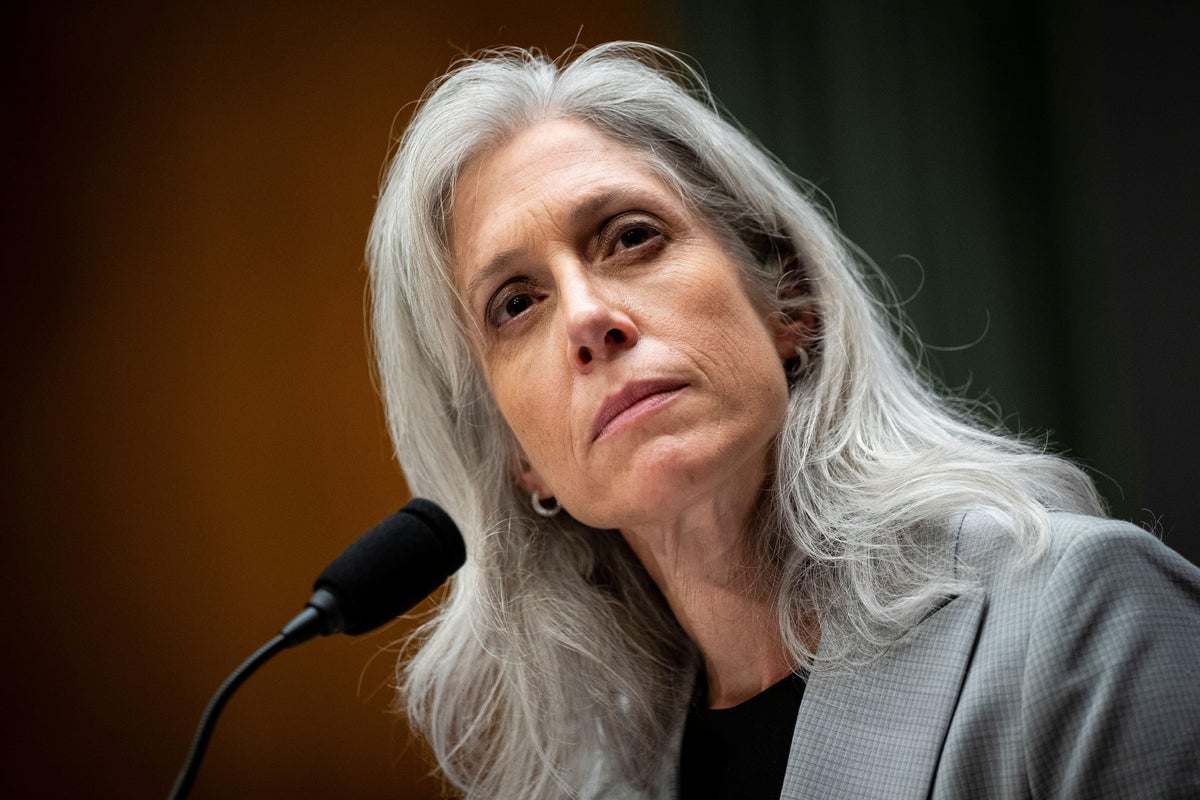
Susan Monarez testifies during a Senate Health, Education, Labor, and Pensions Committee hearing on her nomination to be Director of the CDC, at the U.S. Capitol, in Washington, DC, on Wednesday, June 25, 2025. Graeme Sloan/Sipa USA/Alamy Live News
.
.
Click the link below for the complete article:
.
__________________________________________
August 28, 2025
Mohenjo
Business, Food For Thought, Human Interest, Political, Science, Technical
amazon, business, Business News, current-events, Future, Hotels, human-rights, medicine, mental-health, research, Science, Science News, technology, Technology News, travel, vacation
From
BibleOverview
Click the link below the picture
.
If you’ve ever asked your pastor or Sunday school teacher, “Who wrote the Bible?” you probably got one of two responses:
- “God wrote the Bible.” The Holy Spirit moved prophets like Moses and apostles like Paul to write about God’s relationship with the world (1 Ti 3:16; 2 Pe 1:20–21).
- “About 40 people wrote the Bible.” The individual books were written by many authors over many years in many places to many different people groups.
In a way, both of these answers are true, but by now you’re probably looking for a little more detail about the authors of the Bible. And rightly so: when you’re studying a book or passage of the Bible, it’s pretty important to know who wrote it.
But there’s a lot of nuance that goes into answering this question. The Bible didn’t fall out of heaven, and it was a long time in the making.
So, let’s take a closer look at the people whom tradition says wrote the Bible. Before we jump into the list of names, let me throw out a few disclaimers:
- This is a list of authors either identified in the Bible’s text itself or generally assumed by church/Jewish tradition. I’ve included a few candidates for anonymous works (like Moses, Ezra, and Matthew).
- There are more authors of the Bible than the 35 I’ve listed here. For example, somebody wrote Judges, but we don’t know who. There really were around 40 authors of the Bible, but the Bible and tradition only call out around 35 by name.
- Ancient attribution and modern attribution aren’t even really in the same ball park. For example, the book of Isaiah may have been partially composed and arranged by Isaiah’s disciples long after Isaiah’s death. But New Testament writers still refer to the words in the book as though they were Isaiah’s.
- I do not know who wrote Hebrews.
First, a chart for the visual learners:
In case you’re just here for the list of names, here you go!

(I also made a poster with some fun facts about the authors of the Bible. It’s perfect for Sunday school classrooms and church offices.)
Heads up: this is a really long article. On to the nitty-gritty details …
The 35 traditional authors of the Bible
1. Moses (Genesis | Exodus | Leviticus | Numbers | Deuteronomy | Psalms)
.
.
.
Click the link below for the complete article:
.
__________________________________________
August 28, 2025
Mohenjo
Business, Food For Thought, Human Interest, Political, Science, Technical
amazon, business, Business News, current-events, Future, Hotels, human-rights, medicine, mental-health, research, Science, Science News, technology, Technology News, travel, vacation

Click the link below the picture
.
The firing of the Centers for Disease Control and Prevention director, Susan Monarez, less than a month after she was confirmed by the United States Senate, should worry those who care about public health and American science.
But the move should not be a surprise. It comes at the end of a tumultuous summer that included budget cuts, firings and resignations, a shooting near the agency’s headquarters, and a raft of bewildering changes to process and protocol. And while it may well signal an alarming new turn in the steady dismantling of American public health, that demolition was already well underway.
An official statement from the White House said that Dr. Monarez was “not aligned with the president’s agenda of Making America Healthy Again.” News reports indicate that it was her clashes with the health secretary, Robert F. Kennedy Jr., over vaccine policy that did her in.
In his confirmation hearings, Mr. Kennedy insisted that he was not an anti-vaxxer and that he just wanted to set the highest possible bar for which studies were used to inform health policy. He wanted “gold standard science,” he said. He also took pains to reassure his interlocutors that he was comfortable with being challenged, and with accepting data that contradicted his own views.
In the weeks that followed, some onlookers breathed a sigh of relief as Dr. Marty Makary, a surgeon, and Dr. Jay Bhattacharya, a medical doctor and health economist, were appointed to lead the Food and Drug Administration and the National Institutes of Health. If their views on Covid-19 had been deemed controversial, these were still men of science and medicine. Surely that ethos would prevail, the thinking went, and would temper some of the more bombastic instincts that seemed to govern the health secretary.
But it’s clear now that neither leader was appointed for his credentials so much as his willingness to flout the basic principles of sound science and good public health. Dr. Bhattacharya has defended the termination of mRNA research; Dr. Makary has allowed officials to override his agency’s scientists on vaccine approval decisions. Neither leader has raised any meaningful objection to the broader dismantling of the agency he has been put in charge of. And when Dr. Monarez, their C.D.C. counterpart, stood her ground, she was fired.
Senator Bill Cassidy of Louisiana, a doctor who by all accounts cares about preserving Americans’ access to vaccines, does not seem to be keeping a wary or watchful eye on these shifting tides, or preparing to intervene with any kind of resolve. He expressed concern about Mr. Kennedy’s views on vaccination, but whatever promises he extracted from Mr. Kennedy before voting to confirm him have proved hollow. As the secretary has gutted the committee that helps set vaccine recommendations, undermined access to Covid boosters, poured resources into a self-serving attempt to link vaccines to autism, and canceled nearly $500 million in federal contracts for mRNA vaccine development (our best bet for beating the next pandemic), Senator Cassidy has remained largely, embarrassingly silent.
Despite his assurances in January, Mr. Kennedy is not simply trying to ensure that the best science is used to guide the nation’s health policies, or demanding greater transparency into health policy decision making or insisting that disenfranchised groups be heard out. He is trying to fully dismantle the nation’s vaccination apparatus, regardless of what science says or what most people want. And less than a year into his tenure as health secretary, he is succeeding brilliantly.
At least four of the C.D.C.’s top officials have resigned in protest of Dr. Monarez’s firing. More departures, voluntary or forced, are rumored to be afoot. In a resignation letter, one official noted that the data used to justify recent changes in immunization schedules was never shared with the agency, despite requests. This opacity is offensive and alarming, but again, in light of all we have seen these several months, it is hardly shocking at this point.
.
 Kayla Bartkowski/Getty Images
.
.
Click the link below for the complete article:
.
__________________________________________
August 27, 2025
Mohenjo
Business, Food For Thought, Human Interest, Political, Science, Technical
amazon, business, Business News, current-events, Future, Hotels, human-rights, medicine, mental-health, research, Science, Science News, technology, Technology News, travel, vacation
Click the link below the picture
.
The upcoming fall and winter months are about to bring the usual crop of respiratory illnesses—influenza, respiratory syncytial virus (RSV), and, of course, COVID. But this will be the first time since COVID vaccines were developed that many people in the U.S. will not have easy access to immunization against SARS-CoV-2, the virus that causes the disease, which has contributed to the deaths of more than 1.2 million Americans to date.
Public health experts had nervously tracked U.S. health agencies’ actions on vaccines in general and COVID vaccines in particular since February, when longtime antivaccine activist Robert F. Kennedy, Jr., took the reins of the Department of Health and Human Services. Conflicting messaging and ambiguous guidance from the Centers for Disease Control and Prevention and the Food and Drug Administration shook up the usual launch of annual vaccines.
“We typically have this very clear set of dominoes for a vaccine rollout: it’s smooth; it’s synchronized; it’s sequenced,” says Katelyn Jetelina, an epidemiologist and founder of the newsletter Your Local Epidemiologist. “But we have these missing or wobbling dominoes right now, and so the rest of the chain is backed up.”
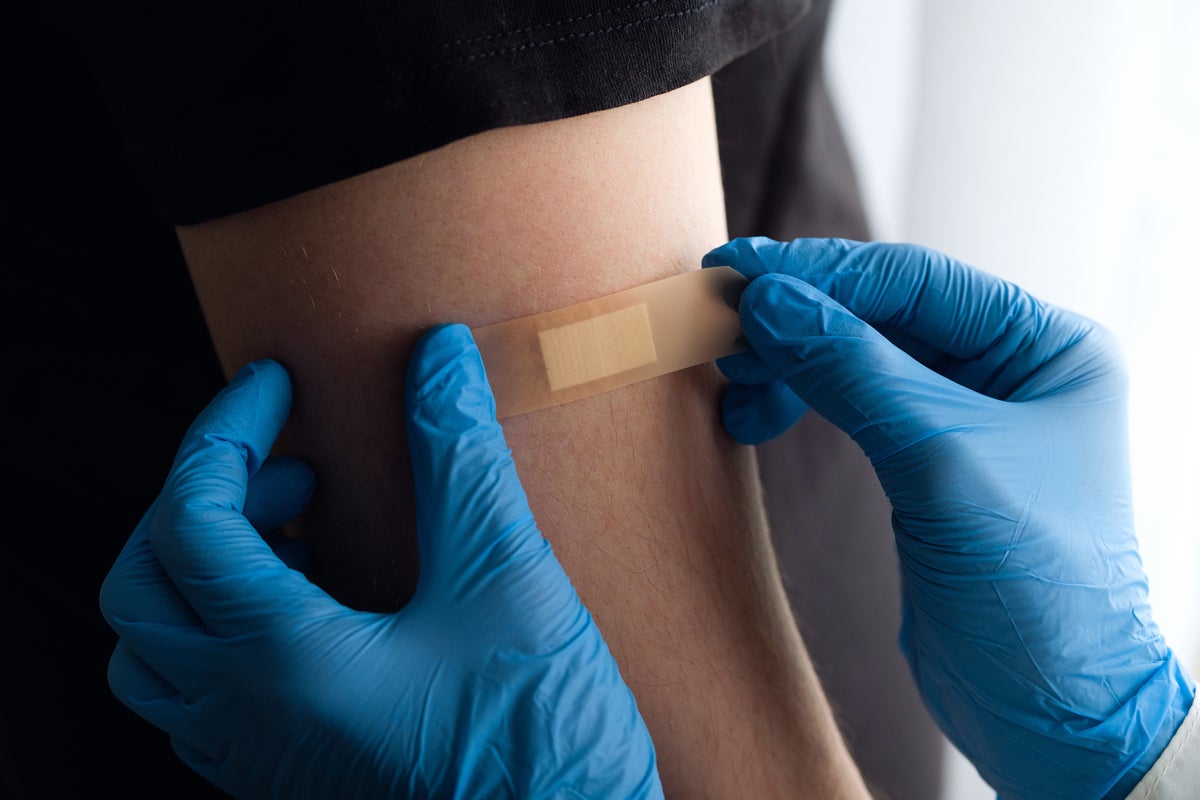
On August 27, one of those dominoes fell when Kennedy announced in a post on X that the FDA had approved the updated COVID vaccines only for adults aged 65 or older and those with underlying health conditions that increase risk of severe infection. The decision leaves healthy children and adults without easy access; they may be limited to receiving vaccines at physicians’ offices instead of pharmacies, and health insurance might not cover the full cost for everyone.
Scientific American spoke with experts about what the public can expect in terms of COVID-19 vaccines this fall.
COVID Cases Are Rising Again
All signs suggest that COVID cases in the U.S. are ticking up. Wastewater surveillance showed moderate, high, and very high levels of SARS-CoV-2 in much of the nation, as of the week ending on August 9. Rates of positive COVID tests and emergency department visits were also up as of the week ending August 16. All three measurements are early indicators of increased viral prevalence.
Although COVID death rates are currently low, they will likely rise on a delay from those early indicators. Regardless, SARS-CoV-2 continues to take lives: More than 100 people in the U.S. have died of COVID every single week of this year, according to the CDC. Similarly, rates of new long COVID diagnoses have slowed since the early days of the pandemic, but new infections continue to trigger the lingering and disabling syndrome.
Assessing COVID’s current risks is a tricky balance, says David Higgins, a pediatrician and vaccine delivery specialist at the University of Colorado School of Medicine. “We are clearly in a different place than we were in 2020 and 2021, and that is a good thing,” he says. “At the same time, I think the fact that we are in such a different place can maybe lead some people to underappreciate that COVID is still causing harm for many people.”
What COVID Vaccines Are Available This Year?
Three manufacturers have produced COVID vaccines this year: Moderna and Pfizer have made mRNA vaccines, and Novavax has made a protein-based shot. The two mRNA manufacturers, at least, tailored their vaccines to the LP.8.1 variant, the version of the COVID-causing virus that was increasing in prevalence when vaccine scientists decided which version to target this year.
As of the week ending on August 9, a newer variant called XFG represented 65 percent of infections. XFG and LP.8.1 are both members of the JN.1 family, which arose at the end of 2023. Experts expect this year’s formula to shield against XFG, although the exact degree of protection is always difficult to predict at the beginning of the season.
Why Is COVID Vaccine Access Changing?
COVID vaccines go through two separate federal government procedures that determine who can access them and how they can do so. This year, neither process has gone particularly smoothly.
One system is the CDC’s Advisory Committee on Immunization Practices (ACIP), which makes recommendations for who should receive which vaccines. This procedure governs access because insurance companies must fully cover the costs of recommended vaccines, according to the Affordable Care Act.
Earlier this year, Kennedy removed all existing members from the panel and appointed new ones—a highly unusual and criticized move—shortly before the scheduled June meeting. At that gathering, the committee was supposed to decide on this year’s COVID vaccine recommendations, but the replacement members declined to vote. It’s unclear when ACIP will meet next. The CDC’s website references a meeting that will occur in August or September but notes “dates TBD”; the next formally scheduled meeting is slated for October 22.
The other system is the FDA’s labeling process, which recently decided on access for healthy children and adults. This influences how vaccines are given. Agency personnel inspect the vaccines, ensure they are safe, and outline prescribing guidelines for health care providers. This process matters because pharmacists are generally not allowed to administer vaccines outside of what the label permits—typically, only doctors can provide vaccines “off-label.”
.
 Aleksandr Zubkov/Getty Images
.
.
Click the link below for the complete article:
.
__________________________________________
August 27, 2025
Mohenjo
Business, Food For Thought, Human Interest, Political, Science, Technical
amazon, business, Business News, current-events, Future, Hotels, human-rights, medicine, mental-health, research, Science, Science News, technology, Technology News, travel, vacation

Click the link below the picture
.
The shooter who opened fire at a church on the south side of Minneapolis on Wednesday morning has been identified.
Law enforcement sources told the Associated Press that Robin Westman attacked the church, adjacent to Annunciation Catholic School, as school children were celebrating Mass at the start of the academic year. Westman once attended the school.
Authorities have confirmed that two children were killed and 17 others were injured, 14 of them children, two of whom are in critical condition. A witness from inside the church said the shooter “pepper-sprayed through the stained-glass windows into the building, 50 to 100 shots.”
Westman was initially described by authorities as “a man” in his early twenties, dressed all in black and armed with a rifle, a shotgun, and a pistol. However, court documents later revealed that in 2019, the shooter changed their name from Robert to Robin and that they identified as a woman.
No motive is known at this time, and Westman took their own life.
President Donald Trump has offered condolences to Minnesota Governor Tim Walz.
A distraught Minneapolis Mayor Jacob Frey rejected offers of “thoughts and prayers,” saying at a press conference: “You cannot put into words the gravity, tragedy, or absolute pain of the situation.”
What you need to know…
- A shooting occurred at Annunciation Church and Catholic School in Minneapolis on Wednesday morning as schoolchildren were attending Mass to mark the start of the academic year.
- The assailant, Robin Westman, formerly Robert, whose name was legally changed after identifying as a woman, opened fire from outside the church, using a rifle, shotgun, and pistol, to fire through the stained-glass windows after barricading some of the doors.
- Two children, aged eight and ten, were killed in the attack, and 17 other individuals were injured, including 14 children, two of whom are in critical condition.
Recap: The victims
Here’s what we know about the victims of Wednesday’s tragic incident at a church, adjacent to Annunciation Catholic School.
Authorities said that two children, ages 8 and 10, were killed. Both were students at the Annunciation School.
In addition, fourteen other children were injured. They ranged in age between six and 15.
Three adult parishioners attending the mass at the time of the shooting were also injured, but survived, according to police.
Minneapolis Archbishop calls for end to gun violence, which are ‘far too commonplace’
In his statement, Archbishop Bernard A. Hebda called for an end to gun violence and the “horrific acts of violence” that he said were “far too commonplace.”
“That today’s tragedy occurred only a day after the tragic shooting near Cristo Rey High School increases the sadness about the pain and anger that is present in our communities,” Hebda said.
“We need an end to gun violence. Our community is rightfully outraged at such horrific acts of violence perpetrated against the vulnerable and innocent. They are far too commonplace.
“While we need to commit to working to prevent the recurrence of such tragedies, we also need to remind ourselves that we have a God of peace and of love, and that it is his love that we will need most as we strive to embrace those who are hurting so deeply.”
Minneapolis Archbishop releases statement following church shooting
Archbishop Bernard A. Hebda of the Archdiocese of St Paul and Minneapolis released the following statement in response to Wednesday’s tragedy.
“I am so grateful for the many promises of prayers that have been coming in from the Holy Father, Pope Leo, and from so many from all around the globe, all praying for the families of Annunciation Parish and School and for all who were impacted by this morning’s senseless violence.
“I beg for the continued prayers of all of the priests and faithful of this Archdiocese, as well for the prayers of all men and women of good will, that the healing that only God can bring will be poured out on all those who were present at this morning’s Mass and particularly for the affected families who are only now beginning to comprehend the trauma they sustained.
“We lift up the souls of those who lost their lives to our loving God through the intercession of Our Lady, Queen of Peace.”
The statement continued: “My heart is broken as I think about students, teachers, clergy, and parishioners and the horror they witnessed in a Church, a place where we should feel safe.
“Members of the Archdiocesan staff are working with the parish and school teams to make sure they have the support and resources they need at this time and beyond.”
.

.
.
Click the link below for the complete article:
.
__________________________________________
August 27, 2025
Mohenjo
Business, Food For Thought, Human Interest, Political, Science, Technical
amazon, business, Business News, current-events, Future, Hotels, human-rights, medicine, mental-health, research, Science, Science News, technology, Technology News, travel, vacation

Click the link below the picture
.
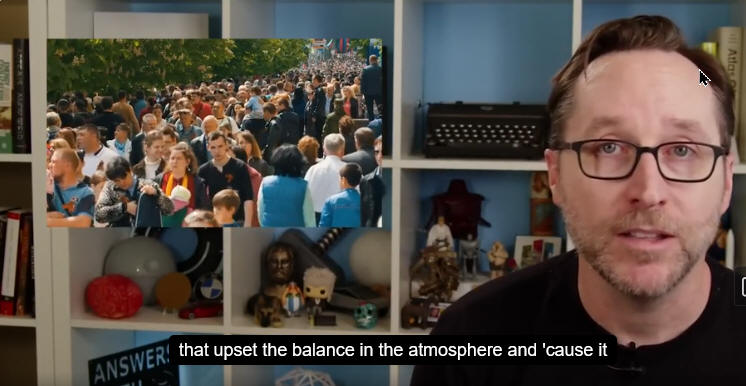
What if we could control Earth’s climate like a thermostat? This video explores a wild but serious proposal to combat global warming—geoengineering. Learn how humanity might someday regulate the planet’s temperature to prevent ecological catastrophe.
.
 .
.
.
Click the link below for the complete article (Sound On for video):
.
__________________________________________
August 26, 2025
Mohenjo
Business, Food For Thought, Human Interest, Political, Science, Technical
amazon, business, Business News, current-events, Future, Hotels, human-rights, medicine, mental-health, research, Science, Science News, technology, Technology News, travel, vacation
Click the link below the picture
.
Long-term exposure to extreme heat events accelerates the body’s ageing process and increases vulnerabilities to health issues, finds a long-term study of 24,922 people in Taiwan.
The study, published today in Nature Climate Change, suggests that moderate increases in cumulative heatwave exposure increase a person’s biological age, to an extent comparable to regular smoking or alcohol consumption. The more extreme-heat events that people were exposed to, the more their organs aged. This is the latest study to show that extreme heat can have invisible effects on the human body and accelerate the biological clock.
Exposure to extreme heat, especially over long periods of time, strains organs and can be lethal, but “the fact that heatwaves age us is surprising”, says Paul Beggs, an environmental-health scientist at Macquarie University in Sydney, Australia, who was not involved in the research. “This study is a wake-up call that we are all vulnerable to the adverse impacts of climate change on our health. It reinforces calls for urgent and deep reduction in greenhouse-gas emissions,” he adds.
Accelerating ageing
Age isn’t just a result of time. Previous studies have linked a number of factors — including environmental and social stress, genetics and medical
interventions — to signs of ageing-related physiological changes. This puts people at a higher risk of cardiovascular disease, cancer, diabetes and dementia.
To study the long-term impacts of heatwaves on ageing, the researchers analysed data from medical examinations between 2008 and 2022. During that time, Taiwan experienced around 30 heatwaves, which the study defined as a period of elevated temperature over several days. The researchers used results from several medical tests, including assessments of liver, lung and kidney function, blood pressure and inflammation, to calculate biological age. They then compared biological age with the total cumulative temperature that participants were probably exposed to on the basis of their address in the two years before their medical visit.
The study found that the more extreme-heat events that people experienced, the faster they aged — for every extra 1.3 °C a participant was exposed to, around 0.023–0.031 years, on average, was added to their biological clock.
“While the number itself may look small, over time and across populations, this effect can have meaningful public-health implications,” says Cui Guo, an environmental epidemiologist at the University of Hong Kong, who led the study.
Manual workers and people living in rural areas experienced the largest health impacts, probably because these groups are less likely to have access to air conditioning. But there was an unexpected upside: the impact of heatwaves on ageing decreased over the 15-year study period. The reasons behind this heat adaptation are unclear, but improved access to cooling technology could play a part, Guo says.
Still, “the message is that heat makes you age a bit faster than you normally would, and that this is something you would like to avoid”, says Alexandra Schneider, an environmental epidemiologist at Helmholtz Munich in Germany, who was not involved in the study.
Rising heat
In 2023, research in Germany found that higher air temperatures were associated with more epigenetic markers of ageing. And a study in more than 3,600 older people in the United States similarly concluded, through analysing DNA markers, that extreme heat prematurely aged participants.
.

An elderly man is seen resting under a tree at Levico lake. With temperatures exceeding 45 degrees Celsius in many parts of Italy, and wildfires burning in France, Spain, and Portugal, Europe is under under alert as the heatwave grips the continent. Davide Bonaldo/SOPA Images/LightRocket via Getty Images
.
.
Click the link below for the complete article:
.
__________________________________________
Older Entries
Newer Entries
 James' World 2