March 2, 2024
Mohenjo
Business, Food For Thought, Human Interest, Political, Science, Technical
amazon, business, Business News, current-events, Future, Hotels, human-rights, medicine, mental-health, research, Science, Science News, technology, Technology News, travel, vacation

Click the link below the picture
.
Fittingly, the CEO of a startup that hopes to take over the AI world appears on screen with what appears to be a robotic limb.
“I’ve got this piece of metal in me now,” Dmitry Shapiro says of the high-tech brace. “It’s kind of cool, like a cyborg arm.” He ruptured his bicep while helping his family evacuate during floods in San Diego, all of which sounds kind of cool, too. Then Shapiro, 54, admits the cause: Picking up a box in the garage. As he and his wife discovered doing research afterwards, a bicep tendon rupture is most frequently felt by … middle-aged men picking up boxes.
The problem and the solution were both duller – and more widespread and more helpful, respectively – than they seemed at first blush. Which makes the not-so-cyborg arm an even more fitting visual for Shapiro’s startup, and for where the AI industry is going next. Shapiro, a tech veteran who previously ran Google machine learning teams, co-founded his startup YouAI and launched its product MindStudio last year. MindStudio lets managers build apps using any or all of the major AI services, like OpenAI’s GPT-4 Turbo or Google’s Gemini. Fresh data can be sprinkled in from all kinds of other non-AI databases or documents. These AI apps can be constructed in minutes, visually, like a flow chart, without the user needing to touch a line of code — the way Windows runs on top of DOS, Shapiro notes. (Left unsaid: putting Windows atop DOS made Microsoft the wealthiest company of the 1980s and 1990s.)
Less than a year in, MindStudio can boast more than 18,000 user-created AI apps (putting it ahead of Dante AI, a similar brew-your-own chatbot service with 6,000 user-created apps). Its growth was based entirely on word-of-mouth. Again, the 18,000 number sounds awesome and a little terrifying — like a flurry of drones — until Shapiro offers an example that drills home the mundanity of those apps. A friend of his exited the tech world, bought a pool-cleaning business, and used MindStudio to build a “pool-cleaning copilot” in a matter of minutes. Now his employees test the pH of pools and the app tells them what to do with the result.
“The things you can do with this now would have been seen as science fiction last year,” Shapiro says, suggesting he needs to read more interesting science fiction. Still, his point stands. As it comes into focus, this technology looks less like the Terminator, and more like giving robot arms to people lifting boxes.
.

.
.
Click the link below for the article:
.
__________________________________________
March 2, 2024
Mohenjo
Business, Food For Thought, Human Interest, Political, Science, Technical
amazon, business, Business News, current-events, Future, Hotels, human-rights, medicine, mental-health, research, Science, Science News, technology, Technology News, travel, vacation
Click the link below the picture
.
Hiram Rhodes Revels (September 27, 1827) January 16, 1901) was an American Republican politician, minister in the African Methodist Episcopal Church, and a college administrator. Born free in North Carolina, he later lived and worked in Ohio, where he voted before the Civil War. Elected by the Mississippi legislature to the United States Senate as a Republican to represent Mississippi in 1870 and 1871 during the Reconstruction era, he was the first African American to serve in either house of the U.S. Congress. During the American Civil War, Revels had helped organize two regiments of the United States Colored Troops and served as a chaplain. After serving in the Senate, Revels was appointed as the first president of Alcorn Agricultural and Mechanical College (now Alcorn State University), a historically black college. He served from 1871 to 1873. Later in his life, he served again as a minister.
Early Life and Education edit
Revels was born free in 1827 in Fayetteville, North Carolina, to free people of color, with ancestors who had been free since before the American Revolution. His parents were of African American, European, and Native American ancestry. His mother was also specifically known to be of Scots descent. His father was a Baptist preacher.[
Revels was a second cousin to Lewis Sheridan Leary, one of the men who were killed taking part in John Brown’s raid on Harpers Ferry in 1859, and to North Carolina lawyer and politician John S. Leary.
During his childhood, Revels was taught by a local black woman for his early education. In 1838, at the age of 11, he went to live with his older brother, Elias B. Revels, in Lincolnton, North Carolina. He was apprenticed as a barber in his brother’s shop. Barbering was considered a respectable, steady trade for black Americans in this period. As men of all races used barbers, the trade provided black Americans an opportunity to establish networks with the white community. After Elias Revels died in 1841, his widow Mary transferred the shop to Hiram Revels before she remarried.
Revels attended the Beech Grove Quaker Seminary, a school in Union County, Indiana, founded by Quakers, and the Union Literary Institute, also known as the Darke County Seminary despite being in Randolph County, Indiana.
In 1845, Revels was ordained as a minister in the African Methodist Episcopal Church (AME); he served as a preacher and religious teacher throughout the Midwest: in Indiana, Illinois, Ohio, Tennessee, Missouri, and Kansas. “At times, I met with a great deal of opposition,” he later recalled. “I was imprisoned in Missouri in 1854 for preaching the gospel to Negroes, though I was never subjected to violence.” During these years, he voted in Ohio.
He studied religion from 1855 to 1857 at Knox College in Galesburg, Illinois. He became a minister in a Methodist Episcopal Church in Baltimore, Maryland, where he also served as a principal of a black high school.
During the American Civil War, Revels served as a chaplain in the United States Army. After the Union authorized establishment of the United States Colored Troops, he helped recruit and organize two black Union regiments in Maryland and Missouri. He took part at the Battle of Vicksburg in Vicksburg, Mississippi. tangie
.
 U.S. Senator Hiram Rhodes Revels, the first African-American in the Congress. from Mississippi
.
.
Click the link below for the article:
.
__________________________________________
March 1, 2024
Mohenjo
Business, Food For Thought, Human Interest, Political, Science, Technical
amazon, business, Business News, current-events, Future, Hotels, human-rights, medicine, mental-health, research, Science, Science News, technology, Technology News, travel, vacation

Click the link below the picture
.
The human brain could be far more powerful than we ever imagined, scientists have discovered.
Researchers have identified cell messaging which have never been uncovered before, which suggests our brains are capable of more than previously realized.
It’s all to do with the outer cortical cells, with the findings suggesting that single human neurons are remarkably powerful.
The research, which was first published in Science in 2020 and undertaken by experts at Germany and Greece institutes.
Their research involved analyzing the brain’s outer cortical cells using fluorescent microscopy and they found that individual cells ‘fired’ using sodium ions (which was to be expected) as well as calcium.
The research also focused on the dendrites, which are found at the end of branches in the brain and are key to neurons sending chemical messages throughout the brain.
“The dendrites are central to understanding the brain because they are at the core of what determines the computational power of single neurons,” said study co-author and Humboldt University neuroscientist Matthew Larkum.
By modeling the unique electrical qualities explored in the study, the researchers discovered that single neurons were able to solve the kinds of computational problems which were previously thought to require more complex networks in the brain.
The study went further than experts had gone before in this area, with most research previously conducted on rodents.
“There was a ‘eureka’ moment when we saw the dendritic action potentials for the first time,” Larkum said. “The experiments were very challenging, so to push the questions past just repeating what has been done in rodents already was very satisfying.”
.

Single neurons are far more powerful than previously thought (iStock) © Provided by Indy 100
.
.
Click the link below for the article:
.
__________________________________________
March 1, 2024
Mohenjo
Business, Food For Thought, Human Interest, Political, Science, Technical
amazon, business, Business News, current-events, Future, Hotels, human-rights, medicine, mental-health, research, Science, Science News, technology, Technology News, travel, vacation

Click the link below the picture
.
When I first started my dating coaching practice in 2016, it was common for clients to come to me with several active dating profiles and be utterly overwhelmed by app-based dating. Over the last few years, I’ve noticed more and more clients, particularly in their 20s, who have never had a dating profile or are not active on any dating apps they used in the past. I don’t exclusively recommend dating apps to my clients, but it has been interesting to see how something that was so common a few years ago is losing steam with certain daters, especially those who are of a younger demographic.
Gen-Z is the first generation to have internet connectivity from birth. Where other generations have a clear memory of a “before” and “after” smartphones, tech-enabled devices have been seamlessly woven into each and every aspect of Gen-Z’s lives. Given that Gen-Z currently includes 18 to 27 year olds, one would assume they would be prime candidates for the swipe-and-match of dating apps. But that’s not the case. Despite the growing trend of dating apps being where people go to find partners in the U.S., Gen-Z seems to be opting out.
According to a 2023 Statista survey, daters in the U.S. between the ages of 30 and 49, who are mostly millennial, make up 61% of dating app users, whereas Gen-Z comes in at only 26%. This may be in part due to unique challenges Gen-Z faces on the apps. In Hinge’s 2024 D.A.T.E. (Data, Advice, Trends, and Expertise) report, many Gen-Z daters cite fear of rejection and being cringe amongst their top concerns. Older generations of daters may have more experience with the discomfort of dating rejection. They may also rebound more easily after an awkward encounter, rather than internalizing it as “cringe” that can’t be overcome. Of course, most of us fear rejection, but in a tech-mediated world where ideas and people are liked, upvoted, attacked, or labeled, things can feel simultaneously impersonal and very personal. Gen-Z daters may have a harder time putting themselves in the vulnerable position online of seeking partnership only to get passed over or ghosted. This struggle to make connections using dating apps could explain why some of my Gen-Z clients are deleting their dating apps or, after hearing stories from peers about how hard dating apps are to engage with, choose not to try dating at all.
Generally speaking, dating apps are losing their appeal with daters of all ages. There’s an increasing feeling that the algorithms aren’t helping them find what they want—or that dating app companies are only there to upsell their customers by hiding helpful features and users behind paywalls. The disenchantment grows still when daters, specifically women, minorities, fat people, and people with disabilities have negative experiences like harassment on the apps. It makes sense that most apps get deleted within the first month. Having grown up seeing generations before them struggle with what was the latest and greatest technology for meeting potential partners, Gen-Z is more critical of what apps have to offer. This generation has more of a focus on self-care and authenticity in dating than previous generations, and dating apps fall short of the types of genuine, easy connections they’re trying to make.
.
 Real love
.
.
Click the link below for the article:
.
__________________________________________
March 1, 2024
Mohenjo
Business, Food For Thought, Human Interest, Political, Science, Technical
amazon, business, Business News, current-events, Future, Hotels, human-rights, medicine, mental-health, research, Science, Science News, technology, Technology News, travel, vacation

Click the link below the picture
.
When Kaia Roman’s epigenetics business failed in 2014, she spiraled into a depression.
“What would come out of my mouth first was a complaint,” Roman told NBC News. “I wasn’t being a very positive person.”
Roman, who lives in Santa Cruz, California, says she would vent to anyone who would listen — about the traffic, the weather, or anything that inconvenienced her.
A friend recommended she give up complaining for a month, advising that it would help reframe her mind.
Roman, 43, chronicled the experience in her book “The Joy Plan: How I Took 30 Days to Stop Worrying, Quit Complaining, and Find Ridiculous Happiness.”
Now a successful author and school teacher, she says forgoing gripes changed her life in “miraculous” ways.
But she says complaining does have an important purpose — it tells us that something in our lives needs to change.
“But I think we can get stuck there by focusing on what we don’t want instead of on what we do want,” she says.
Why we complain
We complain when we feel there is a significant gap between an expectation and reality, according to Dr. Guy Winch, author of the book “The Squeaky Wheel: Complaining the Right Way to Get Results, Improve Your Relationships, and Enhance Self-Esteem.”
Complaining is also a bonding mechanism, according to the New York City psychologist.
“Complaints can make us feel like we connect with someone because we have a mutual dissatisfaction about something,” he says.
.
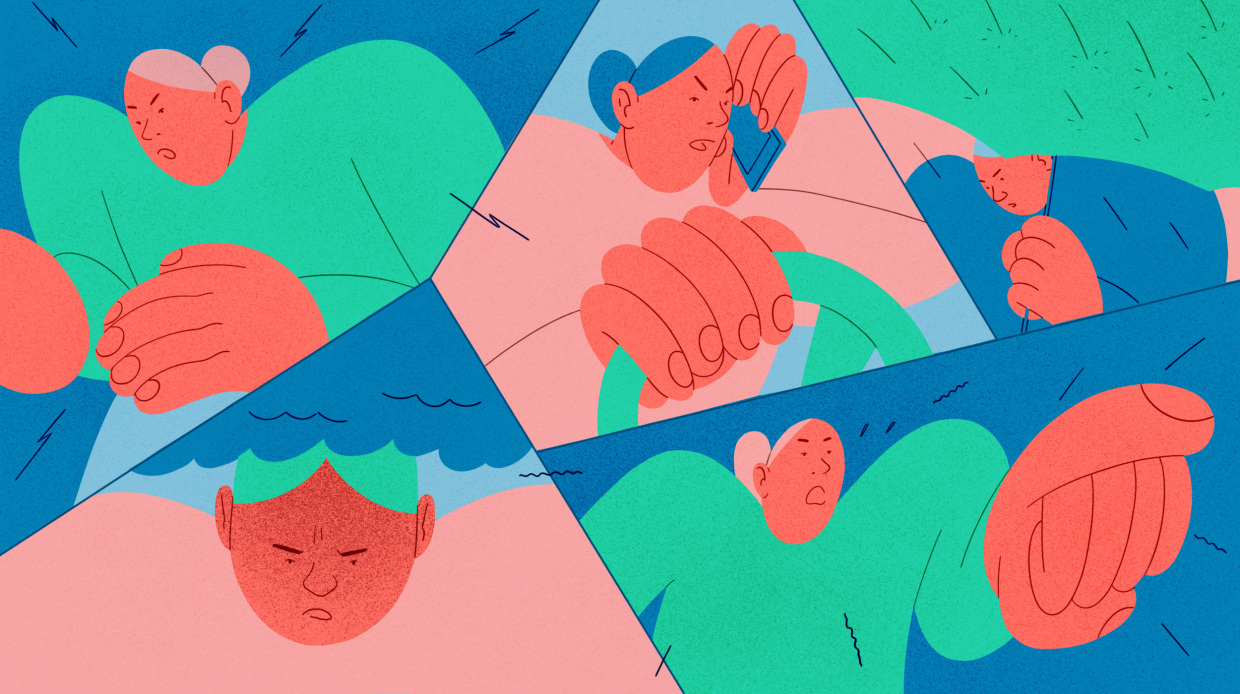 We complain when we feel there is a significant gap between an expectation and reality. Alva Skog / for NBC News
.
.
Click the link below for the article:
.
__________________________________________
February 29, 2024
Mohenjo
Business, Food For Thought, Human Interest, Political, Science, Technical
amazon, business, Business News, current-events, Future, Hotels, human-rights, medicine, mental-health, research, Science, Science News, technology, Technology News, travel, vacation

Click the link below the picture
.
There is an open secret in the study of child development: Most of what we think we know about how babies develop is actually based on a specific subset of kids—those born to families from Western, educated, industrialized, rich, and democratic (a.k.a. WEIRD) nations. The acronym was first coined in an influential 2010 paper to describe the wildly unrepresentative populations that many psychology studies have long relied on. This is an issue in the field generally, and certainly a thorny problem in developmental psychology, which primarily studies children: According to one paper, WEIRD subjects make up 96 percent of the data used in published developmental-science studies but represent only 12 percent of the world’s population.
As a result, it’s hard to be certain whether many things we think we know about babies’ development are truly universal elements of human nature. It means that we tell an incomplete story about the process of our own becoming. Yet the problem has remained hard to fix. Even within the U.S., similar demographic biases have arisen: The families that most often participate in research studies tend to be white, affluent, and highly educated.
.
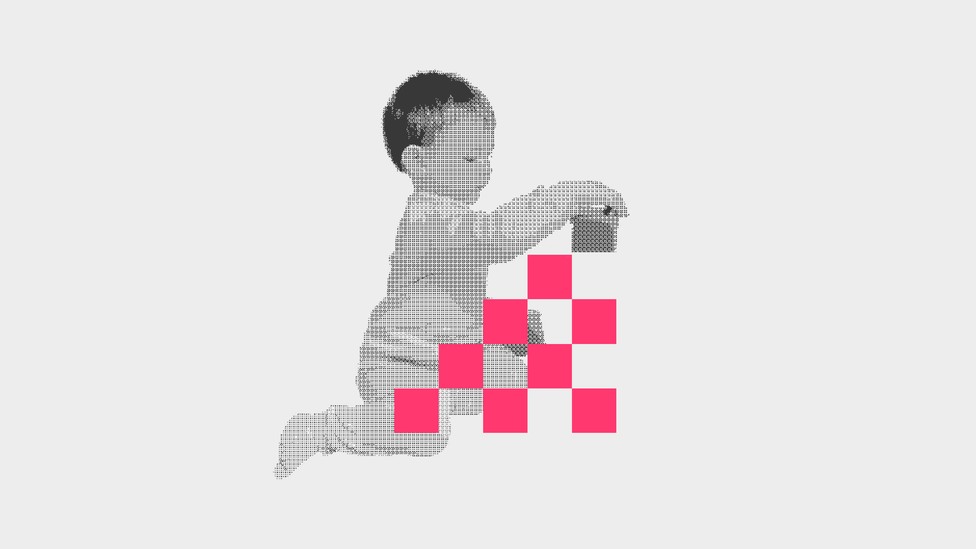 Illustration by The Atlantic. Source: Andrey Zhuravlev / Getty.
.
.
Click the link below for the article:
.
__________________________________________
February 29, 2024
Mohenjo
Business, Food For Thought, Human Interest, Political, Science, Technical
amazon, business, Business News, current-events, Future, Hotels, human-rights, medicine, mental-health, research, Science, Science News, technology, Technology News, travel, vacation

Click the link below the picture
.
This holiday season has been a doozy. Scrolling through my bills feels like trying to zip up a bursting suitcase — even when I sit on it, there’s just too much in there to squish it closed. I can’t possibly need all this stuff, I think. Why can’t I pare back, live more simply?
I know I’m not alone. And in our defense, there’s a good reason we’ve gone a little nuts lately. This is the first time in three years that many of us will get to spend Christmas with extended family. We’re going out to parties again. After so much caution and uncertainty, isn’t it fun to live large, even be a smidge reckless?
Still, when I look at the financial fallout, numbers stacked together in a list, it feels excessive, even gluttonous. Enter the sudden appeal of “money diets,” “spending fasts,” or “financial cleanses,” all unfortunate names for the same concept of reducing your expenses for a fixed period of time (often in January, following the holiday free-for-all).
As a rule, I hate when people use dieting metaphors with money; not to mention, diets don’t work. But I must admit that my current spending habits aren’t sustainable, and the idea of making some clear, intentional changes at the beginning of next year sounds pretty good right now. I talked to some experts about how to cut back in a thoughtful way that won’t backfire. Come January 1, here’s what I’ll be doing.
Think about what you’re trying to accomplish.
The purpose of this exercise isn’t punishment. If you’re feeling ashamed or even just vaguely gross about how you’ve managed your money recently, it’s time to let yourself off the hook. Your bank account is not a scale for weighing your moral integrity, and stripping your life down to bare bones won’t make you a better person.
.
 Photo-Illustration: by The Cut; Photos: Getty Images
.
.
Click the link below for the article:
.
__________________________________________
February 28, 2024
Mohenjo
Business, Food For Thought, Human Interest, Political, Science, Technical
amazon, business, Business News, current-events, Future, Hotels, human-rights, medicine, mental-health, research, Science, Science News, technology, Technology News, travel, vacation
Some content on this page was disabled on April 15, 2025 as a result of a DMCA takedown notice from Guardian Media Group. You can learn more about the DMCA here:
https://wordpress.com/support/copyright-and-the-dmca/
February 28, 2024
Mohenjo
Business, Food For Thought, Human Interest, Political, Science, Technical
amazon, business, Business News, current-events, Future, Hotels, human-rights, medicine, mental-health, research, Science, Science News, technology, Technology News, travel, vacation

Click the link below the picture
.
A few months ago, I was on vacation with my boyfriend when I decided it was time for me to say goodbye to my caffeine habit. I’d been relying on a cup of coffee or loose-leaf tea to get me through the workday slog, PM activities, and even yoga classes since college. I didn’t need a health app to know my reliance on caffeine was psychologically unhealthy. And working in the health writing world made me aware that it can be physically damaging, too: The Mayo Clinic lists migraine headaches, insomnia, fast heartbeat, muscle tremors, and others, as side effects of drinking more than four cups of caffeinated coffee a day (or its equivalent in soda, energy drinks, and tea). I was no “five shots of espresso a day” gal, but, I wondered: If I eliminated caffeine from my daily routine, would I lose the late-night jitters and afternoon crashes I’ve become used to? In turn, would I have more energy, be more productive, and sleep better, too?
The first work week was brutal. I thanked heavens I worked from my apartment, and this 17-minute Yoga with Adriene Energy Practice on YouTube became my best friend. But, by the following week, the afternoon wall I hit faded away (even sans Adriene) and I had a much easier time falling asleep. Fast-forward to two months later, and I’m happy to report I am still—somehow—caffeine-free. All the benefits I’d hoped for are real, and I even beat my mile time at Central Park’s reservoir. The five simple guidelines that follow are ones I’ve been living by:
1. Ease into it on vacation.
If you want to fast-track to the Land of Despair, starting your caffeine detoxification at work is an excellent idea. I found vacation an ideal time to lay off my caffeine habit. I could pop Strawberry Lemonade Nuun Electrolytes tablets to my heart’s delight. I could sleep in. And lying on the beach breezing through trashy romance novels doesn’t exactly require much concentration and energy. Once you have a week or so under your belt, post-vacation Monday still ranks pretty low, but at least you won’t have to add caffeine headache to your woes. your body also will likely find it easier to adjust to abstinence.
2. Keep a running list of all the ways giving up caffeine is improving your life.
Better sleep. More money in your pocket for artisanal seltzer. Less sugar or dairy in your diet (unless you drink your coffee black). Freedom from what is, technically, an addiction.
“Behavior change is often supported by connecting to the bigger values—the things that are important to you—that drive your life,” says Washington-based nutritionist Meghan Cichy, who specializes in the treatment of eating disorders and chronic dieting. “When our perspective is more positive and connected to our values, it can actually help us to feel less crappy about going through it.”
. Illustration By George Wylesol
.
.
Click the link below for the article:
.
__________________________________________
February 27, 2024
Mohenjo
Business, Food For Thought, Human Interest, Political, Science, Technical
amazon, business, Business News, current-events, Future, Hotels, human-rights, medicine, mental-health, research, Science, Science News, technology, Technology News, travel, vacation

Also, called a ‘Quo Vadis’ haircut
Click the link below the picture
.
Veni, vidi, vici, or in translation I came; I saw; I conquered. Those popular words weren’t all Julius Cesar left behind, in reality, his Roman haircut has been forever remembered by the rest of the world.
If you’ve ever watched the movie Gladiator with actor Russell Crowe, I’m sure you’ll recognize the style fairly easily.
However, you might be surprised to know the real backstory behind this cut. In the 1st century BC, Julius Caesar didn’t sport the style because it was fashionable or even stylishly prized during the time period. The truth is, he was dealing with a serious case of baldness, which left him uneasy from all the enemy taunting.
To combat his grooming woes, Julius Caesar brushed his hair forward from the crown of his head into the style you still see today. If you’ve ever wondered why he took such great pleasure in wearing his laurel crown, there’s your answer.
The original look: A short-length hairstyle with even sides and hair pushed forward to the front. It’s best suited for males with straight to slightly wavy hair, with either thin or thick hair being acceptable. To acquire the classic, you must have at least one to three inches on the top.
The modern look: The top length hasn’t changed much over the years, however the sides have. Instead of being even in terms of length, many modern men are electing to go with a taper fade on the sides. Some are experimenting with the undercut as well for an even bolder approach.
Explore this Style
With that in mind, I’ve put together a collection of Caesar haircuts for men below to help show you what the style looks like. You’ll get a better idea of the classic Roman cut, plus discover some more modern, trendy variations.
Just remember, the cut is definitely low maintenance and requires little to no grooming, however, if you want, using a light styling product to keep any unruly hair down will help considerably.
.

Veni, vidi, vici, or in translation I came; I saw; I conquered.
.
.
Click the link below for the article:
.
__________________________________________
Older Entries
Newer Entries

