I was in Istanbul for a few days and on my way to visit my grandfather. He’d moved in with my father at the beginning of the pandemic because we had been worried about him living alone, in the town by the Black Sea where he’d retired. We’d urged him to come to the city, just for a short time. It had been a wise decision; my grandfather’s health deteriorated rapidly in those months, and his stay became indefinite. He could no longer go out for long walks as he used to, or even remain upright for extended periods.
My grandfather had always spent his days outdoors. Whenever he came to Istanbul, he’d take buses and ferries all over the city, sometimes going as far as the city’s gates. He traveled around the country with a tent. He stayed in mountain villages and invited himself to breakfast at the homes of locals. He loved that sort of thing—meeting strangers, seeing different lives. He often urged us, his grandchildren, to join him. He showed us pictures of the people he’d met on these trips, with whom he kept in touch. One time, when I was having breakfast with him at a seaside café in Istanbul, a boy of ten or eleven video-called to wish him a happy bayram.
“Come again soon, Grandpa,” the boy said.
My cousins and I all lived abroad, and we found it difficult to set aside time for such travels; our visits back home consisted of seeing many people in a short span. But we were proud of our grandfather—his youthful spirit and his sense of adventure. Perhaps we felt that it indicated something about us as well, something like a family identity.
Since my arrival, I had seen relatives and friends, and had also been to the Bosphorus, to Moda, and Cihangir—outings that had always signified a proper visit back, though I could no longer say that I enjoyed them. The neighborhoods changed rapidly between my trips, and they were so crowded. The city was packed beyond belief, filled with tourists—a thick stream of people moving slowly, engulfing everything. I felt resentment toward them, and I longed for the city where I’d grown up.
I had phoned my grandfather the night before to tell him I would visit the following afternoon. Had I called sooner, he would have asked me to come straightaway and planned meals together throughout my stay. My father was going to be out when I went over. He had a few things to do, he told me, and, besides, he preferred to spend time alone with me, rather than see me with my grandfather. This wasn’t very convenient, but I sensed that the living arrangement had begun to take its toll. It now seemed inconceivable that my grandfather would be able to go back to his small town. Of course, my father never mentioned any of this, but I gathered from phone conversations that he was out more and more. Later that afternoon, I would meet him for a coffee, before going to my mother’s for a dinner with my aunts. It was exhausting to be home, to feel torn between obligations because of our fractured family.
I’d just got into the taxi when my grandfather called to ask where I was.
“I’m on my way,” I told him, “but it will take me some time to get there.” I could picture his impatience. He must have got dressed hours ago. He would have been looking out the window, scouting for my arrival. He called again as the taxi was crossing the bridge. He’d forgotten to tell me that the downstairs buzzer didn’t always work, so I should press hard when I got there. Then he called a third time to say I should just phone as I was approaching.
It was 3 A.M., and my seven-month-old would not stay asleep. She didn’t want to nurse. She cried when I offered her a bottle. I bounced her in my arms, softly singing the Cure’s Just Like Heaven. That didn’t help, either.
With a sigh, I put her in her crib, left the room, and set my phone timer for 15 minutes. I would check on her again after my alarm buzzed.
I was sleep-training my baby.
Sleep training has become the third rail of parenting conversations, with fierce defenders and opponents on either side. Some claim it’s a miracle. Others liken it to torture—for both the baby and the parent. Still, others aren’t convinced it will actually “work.”
Sleep training is a catchall term for any behavioral intervention intended to improve a child’s ability to fall and stay asleep independently, often as it relates to sleep in infants (those under one year old). The idea is to avoid reinforcing the baby’s cries and yells for attention at bedtime, ultimately allowing those behaviors to fade, or go extinct, over time. Practices vary, from setting a structured bedtime routine to what is commonly referred to as “cry it out” (considered full extinction), where caregivers allow a baby to cry until the baby falls asleep. My family chose a version of the Ferber method (called graduated extinction), where we initially comforted our baby when she cried but slowly increased the amount of time between her cry and when we intervened.
Parents may not ask for or take advice regarding sleep training their child for many reasons. The dread of enduring crying or fears around bonding with one’s baby are often cited as main barriers for parents to sleep train. Conflicting information abounds, as one study found that parenting advice books about sleep had authors with a broad range of backgrounds, nearly half lacking professional credentials in medicine, counseling or academic research; the books’ advice varied widely as well, with some endorsing full extinction and others opposing it.
Overall the evidence suggests that sleep training (broadly defined) is safe and effective at addressing sleep difficulties. Multiple reviews that summarize all the available research on sleep training show that these practices improve sleep in children, from those under six months through five years old. “Cry it out” is particularly effective, though the evidence supports a range of practices that vary in how much crying a parent wants to tolerate.
Despite the evidence, maybe there’s a question still nagging at you: Am I a bad parent if I let my baby suffer just so I can get some shut-eye?
I’m here to convince you that sleep is not a luxury and a desire for sleep is anything but selfish.
Poor sleep during the first year of a baby’s life is related to an increased risk of mothers developing postpartum depression, a condition that affects approximately one in six women. Postpartum depression can involve feelings of sadness, guilt, and lack of enjoyment in everyday things, making it difficult for moms to take care of themselves and their children. To make matters worse, depression can lead to insomnia, which exacerbates depression, creating a terrible catch-22. When moms are depressed, babies sleep worse, too. Further, when moms get poor sleep, other caregivers suffer: One study found that when mothers had poor sleep at six months postpartum, both mothers and fathers reported more depression symptoms six months later.
.
Having a baby can be exhausting, especially when they won’t go to sleep. South_agency/Getty Images
Teach your teen how to take care of their bodies. Rather than set ground rules about hygiene and fitness, which can backfire by making them self-conscious or defensive, talk to them about how good self-care feels. That means emphasizing the importance of nutrition, physical activity, and sleep.
Diet and nutrition
Many adolescents don’t get enough calcium, iron, zinc, and vitamin D. A well-rounded diet should help your teen get all the essential vitamins and minerals they need from food, without the need for supplements.
Teens should aim for a caloric intake that’s appropriate for their age, size, and activity level. Generally, boys need about 2,800 calories per day and girls need around 2,200 calories per day.
Teens make many of their own food choices, which might mean grabbing fast food with their friends. It’s important to educate your teen about making nutrient-rich food choices and to keep the focus on health, instead of weight. Discuss the importance of fueling their body and brain. Stock the kitchen with healthy fruits and vegetables, and reserve sugary, high-fat items for an occasional treat.
“With increased focus on body image and appearance, teens may also develop patterns of eating or restricted eating related to body image concerns,” explains Katie Reynolds, PsyD, a professor at the University of Colorado School of Medicine and psychologist at Children’s Hospital Colorado.
Be on the lookout for dieting and body image issues. Eating disorders often emerge during the teenage years.
Physical activity
Teens should get about 60 minutes of physical activity most days. Cardiovascular exercise—the kind that gets your heart pumping and makes you a little out of breath—is most important.
If your teen isn’t interested in joining a sports team, don’t force it. Help them find something they genuinely enjoy. If your teen isn’t into organized sports, encourage them to try:
A daily walk or a bike ride
Indoor rock climbing wall/gym
Kayaking or paddle boarding
Martial arts or kickboxing class
Yoga
Sleep
The American Academy of Pediatrics (AAP) recommends teens receive between 8 and 10 hours of sleep each night. Early school start times can make it difficult for teens to get the recommended amount of sleep. Their biological clocks cause them to stay up later and sleep in longer.
Infrastructure across the U.S. is struggling under the climate crisis. Dramatic examples include torrential rains turning New York City’s subway entrances into waterfalls, record cold temperatures shutting down Texas’s power grid, and the rising Pacific Ocean eating away at coastal highways.
Extreme heat is leaving its own, more subtle mark on the built environment. Roads, power lines, transportation systems, and hospitals are being harmed. For some types of infrastructure, researchers are just beginning to understand what heat is doing.
“Heat itself is sort of an invisible hazard,” says Sara Meerow, an urban planner at Arizona State University. “Compared to flooding, hurricanes, wildfires, you don’t immediately see the impacts. But they are there.”
Heat-induced infrastructure problems can arise not only in places such as Arizona, where temperatures can be brutal, but also in traditionally cooler locations such as the Pacific Northwest that are seeing warmer temperatures than ever before. That’s because local infrastructure was not designed to withstand a changing climate. It’s not the absolute temperature that matters so much as how far the temperature is outside of engineers’ expectations when infrastructure was built.
For example, roads across the U.S. are made with several different asphalt recipes, depending on climate conditions. No matter the recipe, when a road faces hotter temperatures than it can handle, the asphalt softens. Heavy vehicles can then push down into the asphalt as if it were mud, leaving behind ruts; overheated asphalt can also crack.
Many heat disruptions arise from ruthless physical realities, such as that most materials expand when warmed. “We don’t need to be engineers to know that when materials are subjected to temperature variations, they deform,” says Alessandro Rotta Loria, an architecture engineer at Northwestern University.
Overheated train rails can kink and bridges can buckle or lose the ability to operate as they should. For example, a New York City swing bridge got stuck open last month. Airlines struggle because it’s more difficult for planes to generate lift in thinner air, and they need extra runway. They are also more likely to encounter turbulence.
Some infrastructure can be hit by compound issues. Power lines at full capacity can sag in high heat, which becomes a fire risk if the wire touches a tree or other impediment. To lessen the risk, grid managers reduce the amount of energy flowing through the lines. Coal-fired and nuclear power plants rely on safety mechanisms that use water to keep systems cool. But in hot weather, this water starts out much warmer and can’t absorb as much heat, forcing managers to slow energy production to keep the system safe.
“The heat is actually making it harder for power plants to supply the electricity they might supply on a normal day,” says Kristina Dahl, a climate scientist at the Union of Concerned Scientists. “It’s difficult for plants to keep up with the average load when it’s extremely hot, just because of the way that the plants and energy lines function.” At the same time, energy demand soars because people rely on power-hungry air-conditioning to stay safe from the heat.
The facts of the so-called fertility crisis are well publicized: Birth rates in the United States have been trending down for nearly two decades, and other wealthy countries are experiencing the same. Among those proposing solutions to reverse the trend, the conventional wisdom goes that if only the government were to offer more financial support to parents, birth rates would start ticking up again.
But what if that wisdom is wrong?
In 1960, American women had, on average, 3.6 children; in 2023, the total fertility rate (the average number of children a woman expects to have in her lifetime) was 1.62, the lowest on record and well below the replacement rate of 2.1. Meanwhile, rates of childlessness are rising: In 2018, more than one in seven women aged 40 to 44 had no biological children, compared with one in 10 in 1976. And according to a new report from Pew Research Center, the share of American adults younger than 50 who say they are unlikely to ever have children rose 10 percentage points between 2018 and 2023, to 47 percent. In mainstream American discourse, explanations for these trends tend to focus on economic constraints: People are deciding not to have kids because of the high cost of child care, a lack of parental leave, and the wage penalty mothers face. Some policy makers (and concerned citizens) suggest that expensive government interventions could help change people’s minds.
.
Illustration by Matteo Giuseppe Pani. Source: Getty.
When I was 15, my mom announced at the breakfast table that I had a job interview that morning.
She said there was no getting out of it because it was all arranged. Dad would drive me to the new bakery that her friend’s son was about to open in our hometown in northern England.
Two hours later, I sat opposite the manager as she read aloud parts of the application my mom had forged without my knowledge.
“You wrote that math is one of your best subjects,” the woman said, noting that the position was for a part-time counter person at the bakery.
I was abysmal at math. Sure enough, when the manager asked me to solve a simple equation to test my mental arithmetic, I got the answer spectacularly wrong.
Next, the woman showed me the personal note my mom had mailed with my application, addressed to the business owner and introducing herself as his mother’s friend. “Congratulations, John,” she wrote. “Wishing you all the best with your new business venture.”
I cringed, barely believing Mom had tried to pull so many strings to get me the job. The manager had my number, and I didn’t get hired.
When I got home, I argued with my parents. “We were just trying to help,” my dad said. “Don’t ever do that again,” I yelled.
They had good intentions, but it was an example of helicopter parenting at its worse. They wanted to instill a work ethic in me, but it backfired.
When I was hired after showing initiative myself, I felt proud
A few months later, I secured a part-time job by randomly asking for shifts at a local café. The owner said he admired my initiative, which boosted my bank account and self-esteem.
I later found part-time work as a dishwasher at a restaurant, a sales assistant in a menswear store, and a bartender. Toward the end of college, I was a breakfast waitress at a hotel, starting at 6. am.
I tried to get my teenage daughter a job, too
You’d have thought the humiliating experience at the bakery would have taught me a lesson forever. But now, as the mom of a 16-year-old girl, it’s difficult not to copy my parents.
.
Jane Ridley (not pictured) is trying not to make the same mistakes her helicopter parents did. standret/Getty Images
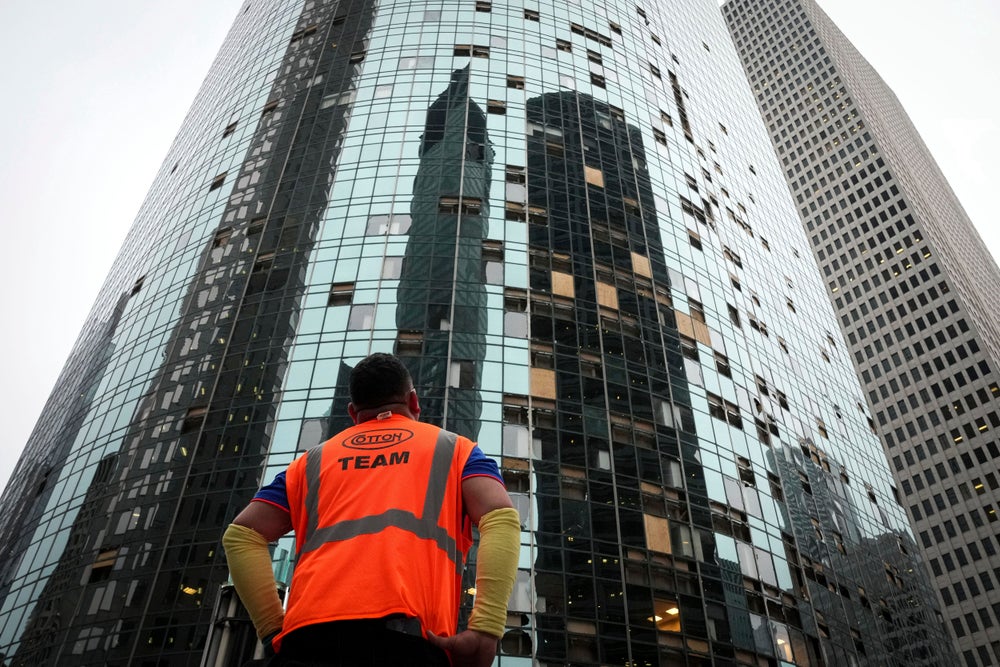
CLIMATEWIRE | Global losses from natural disasters eclipsed the long-term average in the first half of 2024, with thunderstorms causing more damage in the U.S. than hurricanes, wildfires, or other catastrophes.
An analysis from the reinsurance company Munich Re found that severe thunderstorms in the U.S. caused $45 billion in losses from January to June, $34 billion of which were insured. That makes 2024 the fourth-costliest thunderstorm year on record, based on the first six months.
Many of the losses were driven by tornadoes and hail spawned from the storms, the report notes.
North America accounted for $60 billion in losses — half of all damages worldwide. Globally, insured losses totaled $62 billion, compared with the 10-year average of $37 billion.
Thunderstorms may seem like small events compared with other kinds of disasters. Individually, they tend to cause less damage than earthquakes, hurricanes, fires, and floods. But they also strike more frequently than many other severe weather events, and their damages add up over time.
A January report from Munich Re found that thunderstorm losses in Europe and North America broke records in 2023, causing damages totaling $76 billion and $58 billion in insured losses.
A report from another reinsurance company, Swiss Re, also warned last year that thunderstorm damage is growing worldwide. A high number of low- to medium-severity events occurred around the globe last year, causing more than $100 billion in losses. Thunderstorms were the main contributor.
“The cumulative effect of frequent, low-loss events, along with increasing property values and repair costs, has a big impact on an insurer’s profitability over a longer period,” said Jérôme Jean Haegeli, chief economist at Swiss Re, in a statement last year. “The high frequency of severe thunderstorms in 2023 has been an earnings test for the primary insurance industry.”
Studies show that climate change worsens thunderstorms around the world. That’s largely a matter of simple physics — a warmer atmosphere holds more moisture, allowing for more intense rainfall events.
That doesn’t always translate to more frequent storms. In some places, the total number of thunderstorms might not change much — but the ones that do occur may grow stronger. Research already shows that extreme precipitation events have worsened across the U.S., according to the federal government’s Fifth National Climate Assessment. A 2023 study also found that severe thunderstorm winds are affecting a larger area of the country over time.
Research also indicates that some regions could see an increase in the number of thunderstorms as temperatures continue to rise.
The rising risks of thunderstorms are taking a toll on the United States. According to NOAA, severe storms account for half of all the country’s billion-dollar disasters since 1980. And the number of billion-dollar thunderstorms is rising over time.
“Climate change entails evolving risks that everyone — society, the economy, and the insurance sector alike — will have to adapt to, so as to mitigate the growing losses from weather-related events,” said Thomas Blunck, member of Munich Re’s Board of Management, in a statement.
Disasters around the world
A variety of other disasters caused havoc around the world in the first half of 2024, Munich Re found.
Not all were climate-related. Earthquakes in Japan and Taiwan this year caused billions of dollars in losses each. The 7.3 magnitude event in Taiwan was the worst the region had experienced since 1999.
Floods caused the greatest losses elsewhere.
Heavy rainfall triggered severe floods and landslides in Brazil in April and May, amounting to $7 billion in total losses. Devastating floods also struck Germany in May, with the costliest event totaling $5 billion in damages.
Seasonal monsoon rains caused severe floods in East Africa, including Kenya, Tanzania, Burundi, and Somalia earlier this year. And in May, tropical cyclones Hidaya and Ialy struck the same region, exacerbating previous destruction and killing hundreds, and displacing around half a million people.
.
A man surveys damage from a storm Friday, May 17, 2024, in downtown Houston. Jon Shapley/Houston Chronicle via Getty Images
For many athletes, it is the pinnacle of their career. They have trained hard for years to take part in the Olympic Games. Winning a medal is a childhood dream for most of them—only surpassed by setting a new world record during the competitions.
And that happens again and again. At the Summer Olympics in Tokyo in 2021, existing world records were broken in several disciplines, six in swimming alone, mostly by a difference of tenths or even hundredths of a second. As in most Olympic sports, it’s all about precision: the slightest wrong move or external disturbance can make the difference between success and failure. Nevertheless, swimming stands out in one respect: It takes place in water, or more precisely, in a pool filled with water. And the shape of the pool can have a strong influence on the performance of Olympic athletes.
Before the start of this year’s Summer Olympics in Paris, hopes for new records were high. One of the reasons for this was new training techniques using “digital twins.” These are computer models of swimmers that mathematicians use to help the athletes achieve peak performance.
So far results for swimmers in Paris have been sobering. Only one world record had been broken as of August 1. And even worse: the Olympians seem to be falling far short of expectations. Nicolò Martinenghi, the winner of the men’s 100-meter breaststroke, only managed a time of 59.03 seconds—the slowest winning time in the event at an Olympic Game since 2004.
A cause was purportedly found: the Olympic swimming pool was not deep enough. A few days after the opening of the Games, the headlines were published: “Paris Olympics Swimmers Noticing Pool Is ‘Slow’ as Gold-Medal Times Don’t Come Near World Records,” “No World Records through Two Nights in Paris, Is the Pool in Paris ‘Slow’?,” “How Slow Paris Pool Is Thwarting Swimmers’ World Record Bids.” But can it be true? Is the pool really to blame for the lack of records? Anyone waiting for a “yes” or “no” will be disappointed. Unfortunately, there is no simple answer because the question is related to one of the most complex problems in mathematics.
The Paris La Défense Arena in Nanterre, a suburb of the city, is actually a rugby stadium and concert venue—Taylor Swift performed there in May—and has been converted into an indoor swimming pool for the Games. The huge pool will be dismantled afterward. This approach makes sense: during the summer Games, the many spectators are entitled to watch the athletes compete, but outside of these events, swimming pools with a grandstand that can accommodate 15,000 people seem completely oversize. This is why many Olympic swimming pools are designed to be temporary solutions.
What is surprising, however, is the depth of this year’s pool, which is unusually shallow at 2.15 meters. There is no standardized regulation as to what dimensions an Olympic pool should have. Until a few years ago, it had to be at least two meters deep, but now the minimum depth is 2.5 meters. A depth of three meters, however, is recommended. When construction of the Olympic pool started in 2017, the two-meter rule still applied. The pool in Nanterre is therefore permitted despite its comparatively shallow depth. And this, many are convinced, means that it is “slow.”
.
Swimmers compete during an event at the Paris 2024 Olympic Games at the Paris La Defense Arena. Jonathan Nackstrand/AFP via Getty Images
I turn away from my husband and his snoring, using my back to try to block out the light from my phone. It is my favorite time of day: 10 p.m., in bed, secretly scrolling my favorite app, NYTimes Recipes. Looking at all the beautiful pictures, I feel myself getting excited, hopeful even. I click on family-friendly dinners, and my heart drops instantly: It reads like a list of rejection letters. Fajitas. Chili. Tortellini soup. Lasagna. I swipe, faster and faster, rejecting things left and right (though I still think of left swipe as rejection), and I am reminded of the years I spent swiping on other apps, picky in a different way. Back then, I rejected men for being too square, too edgy, too comfortable with typos. Now I swipe and make the rejections on my children’s behalf: This recipe looks too spicy. Too cheesy. Too saucy. Too meat-y, too bean-y.
It took me years to admit my family, happy in almost every way, would completely implode if asked to live on what the Internet tells me are “Family-Friendly Dinners.” I read other families’ meal plans like other moms read romance novels, fascinated but incredulous, sure no one is being whisked off to Paris or that people’s kids are eating fish tacos in real life.
It wasn’t always this way. For years, I persisted, an acolyte in Ellyn Satter’s church of feeding, sure that if I just put certain foods (namely, healthy home-cooked ones) on the table 10, 20, 50, 5,000 times, my kids would eventually be called “good eaters,” Internet code for adventurous, polite, nonpicky dinner companions, basically little 45-year-olds in children’s bodies. But after years of this, years of heroic dinnertime effort met with routine, resounding rejection, it finally happened. I broke.
The scene that played out in our dining room last fall was a familiar one to anyone with kids. I had spent Sunday meal planning the week’s meals, my cookbooks around me on the living room floor, avoiding the allergens (avocado, tomatoes, peppers) and preferences (no broccoli, fish, “saucy” food, spice) of my family members. I’d found some that threaded the very fine needle of food preferences and time allowances I’d have to cook during the week. I grocery shopped, labeled what food should not be eaten before it was made for dinner (“DO NOT TOUCH!” the egg carton said, as they were destined for pad Thai), and got to cooking.
And so, on that night last September, I cooked. Chicken shawarma — a recipe that promised, literally, to “change my life.” I grilled, roasted, and diced. I minced the dill, considered whether to peel the cucumber. (I split the difference, peeling it in strips.) I set the table, our cloth napkins over our placemats, the food all on the table to serve family style (Ellyn Satter insists!!!), and my family sat down. And of course, nobody ate. My husband muscled out a “Thanks for dinner” as my son slid down in his chair, horrified at the very sight of cooked vegetables. My daughter declared she didn’t eat meat. (She does.)
I did not flip the kitchen table, but only because our dog, Larry, would have immediately made off with the chicken bones, but I did suddenly understand Teresa Giudice in a way I never had before. What was I doing with my one wild and precious life? I loved cooking because it brought people together. And yet my cooking for my family was doing anything but that. We were miserable.
So, I decided I was done. I would no longer cook for my family.
Over the next few days, I came up with my new rule: I would prepare food for my family, but I would not cook. The fine details are such: There are no recipes allowed, whether from a cookbook or online (Bye, NYTimes Recipes! See ya, Smitten Kitchen!!) and food should be prepared in 30 minutes or less. Practically, it means a lot of quesadillas, frozen food (Trader Joe’s frozen aisle is our meal plan for weeks), and pizza. We eat the most basic of tacos (ground turkey, spice packet, pre-shredded cheese). Baked potatoes and bagged salads are go-tos. There are lots of repeat meals.
This doesn’t mean I don’t cook ever; I just no longer cook for my family. I save my cooking for other adults. In fact, the space this no-cooking thing opened up for me inspired me to institute something we call Sunday suppers: a regular time to cook for friends we invite over. At which, of course, my kids eat food that they would normally reject — maybe it’s because they’re surrounded by friends’ children who compliment my pulled pork?
But beyond that, our dinners have now become pleasant. No tables are flipped; no tears are shed onto the scrambled eggs and pancakes we are eating. (Breakfast for dinner is about as fancy as we get now.) My son makes jokes as my daughter tells us the “cuckoo banana pants” thing that happened at school each day. To be clear, we aren’t all eating the same thing. My husband often works late, and I batch cook a big soup or salad for me or us to eat all week alongside the kids. The mealtimes I dreamed of are happening, just over different kinds of food than the fantasy includes.
.
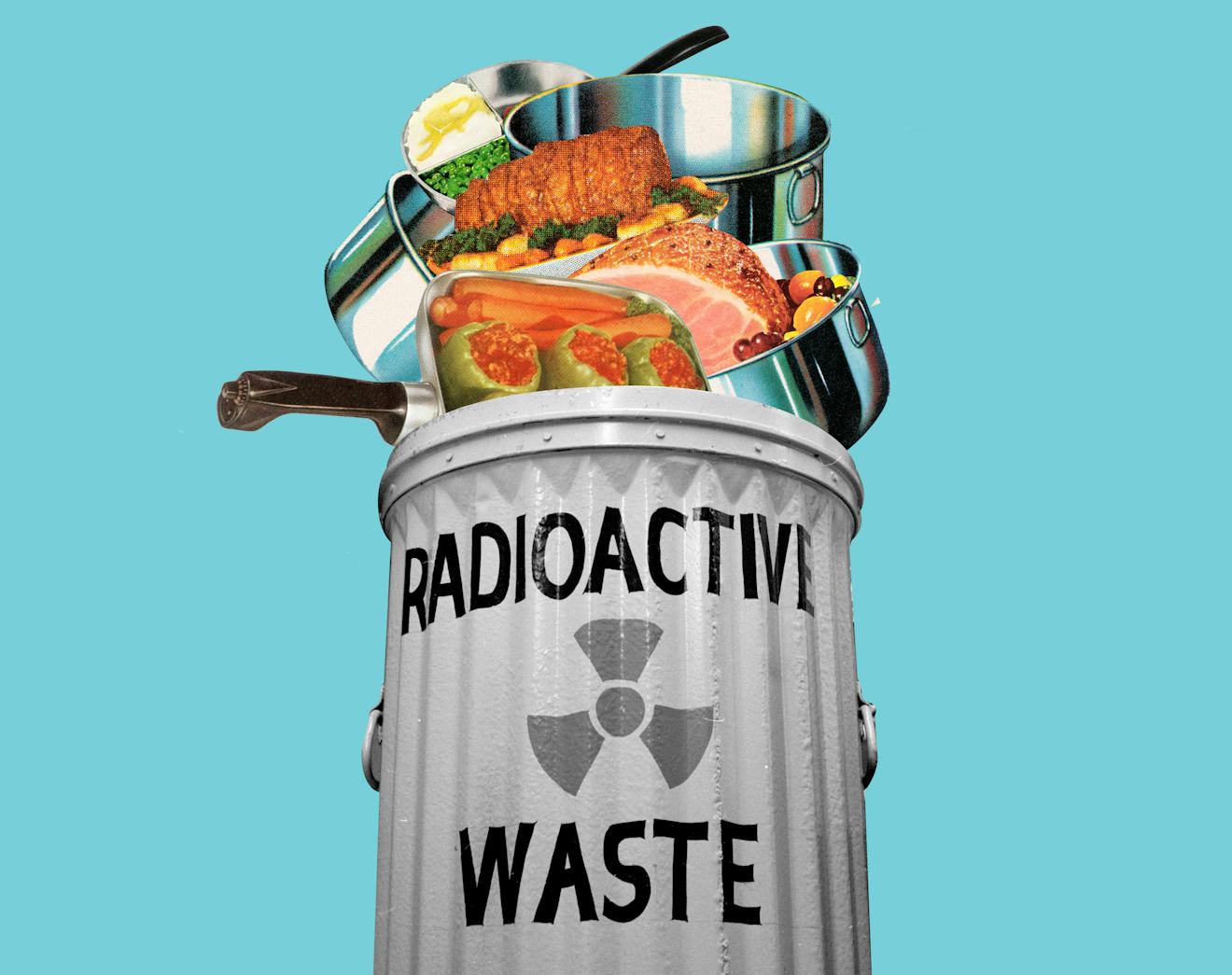
The mealtimes I dreamed of are happening, just over different kinds of food than the fantasy includes.
When wildfire smoke is in the air, doctors urge people to stay indoors to avoid breathing in harmful particles and gases. But what happens to trees and other plants that can’t escape from the smoke?
They respond a bit like us, it turns out: Some trees essentially shut their windows and doors and hold their breath.
As atmospheric and chemical scientists, we study the air quality and ecological effects of wildfire smoke and other pollutants. In a study that started quite by accident when smoke overwhelmed our research site in Colorado, we were able to watch in real time how the leaves of living pine trees responded.
How plants breathe
Plants have pores on the surface of their leaves called stomata. These pores are much like our mouths, except that while we inhale oxygen and exhale carbon dioxide, plants inhale carbon dioxide and exhale oxygen.
Both humans and plants inhale other chemicals in the air around them and exhale chemicals produced inside them – coffee breath for some people, pine scents for some trees.
Unlike humans, however, leaves breathe in and out at the same time, constantly taking in and releasing atmospheric gases.
Clues from over a century of research
In the early 1900s, scientists studying trees in heavily polluted areas discovered that those chronically exposed to pollution from coal-burning had black granules clogging the leaf pores through which plants breathe. They suspected that the substance in these granules was partly created by the trees, but due to the lack of available instruments at the time, the chemistry of those granules was never explored, nor were the effects on the plants’ photosynthesis.
Most modern research into wildfire smoke’s effects has focused on crops, and the results have been conflicting.
For example, a study of multiple crop and wetland sites in California showed that smoke scatters light in a way that made plants more efficient at photosynthesis and growth. However, a lab study in which plants were exposed to artificial smoke found that plant productivity dropped during and after smoke exposure – though those plants did recover after a few hours.
There are other clues that wildfire smoke can impact plants in negative ways. You may have even tasted one: When grapes are exposed to smoke, their wine can be tainted.
What makes smoke toxic, even far from the fire
When wildfire smoke travels long distances, the smoke cooks in sunlight and chemically changes.
Mixing volatile organic compounds, nitrogen oxides and sunlight will make ground-level ozone, which can cause breathing problems in humans. It can also damage plants by degrading the leaf surface, oxidizing plant tissue, and slowing photosynthesis.
While scientists usually think about urban regions as being large sources of ozone that effect crops downwind, wildfire smoke is an emerging concern. Other compounds, including nitrogen oxides, can also harm plants and reduce photosynthesis.
Taken together, studies suggest that wildfire smoke interacts with plants, but in poorly understood ways. This lack of research is driven by the fact that studying smoke effects on the leaves of living plants in the wild is hard: Wildfires are hard to predict, and it can be unsafe to be in smoky conditions.
.
Giant Sequoia trees are shrouded in a yellow tinge of smoke from a wildfire in the Sequoia National Forest in California, in on September 23, 2021. Patrick T. Fallon/AFP via Getty Images
Film and Writing Festival for Comedy. Showcasing best of comedy short films at the FEEDBACK Film Festival. Plus, showcasing best of comedy novels, short stories, poems, screenplays (TV, short, feature) at the festival performed by professional actors.

 Illustration by Eleni Kalorkoti


:max_bytes(150000):strip_icc():format(webp)/parenting-advice-for-teens-2609022-705c249538f84d93b3560f6a93f67d44.png)
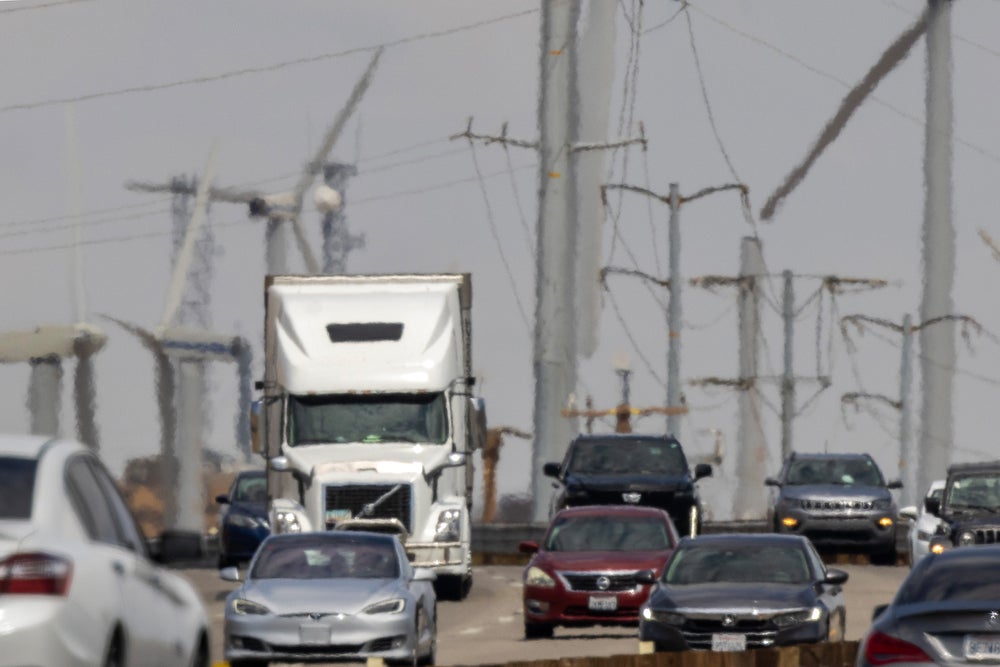

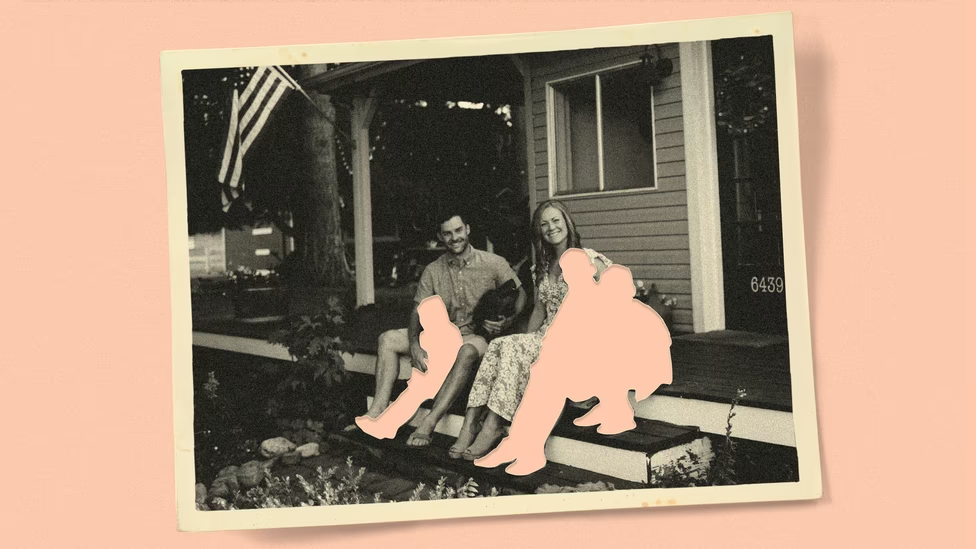 Illustration by Matteo Giuseppe Pani. Source: Getty.


 The mealtimes I dreamed of are happening, just over different kinds of food than the fantasy includes.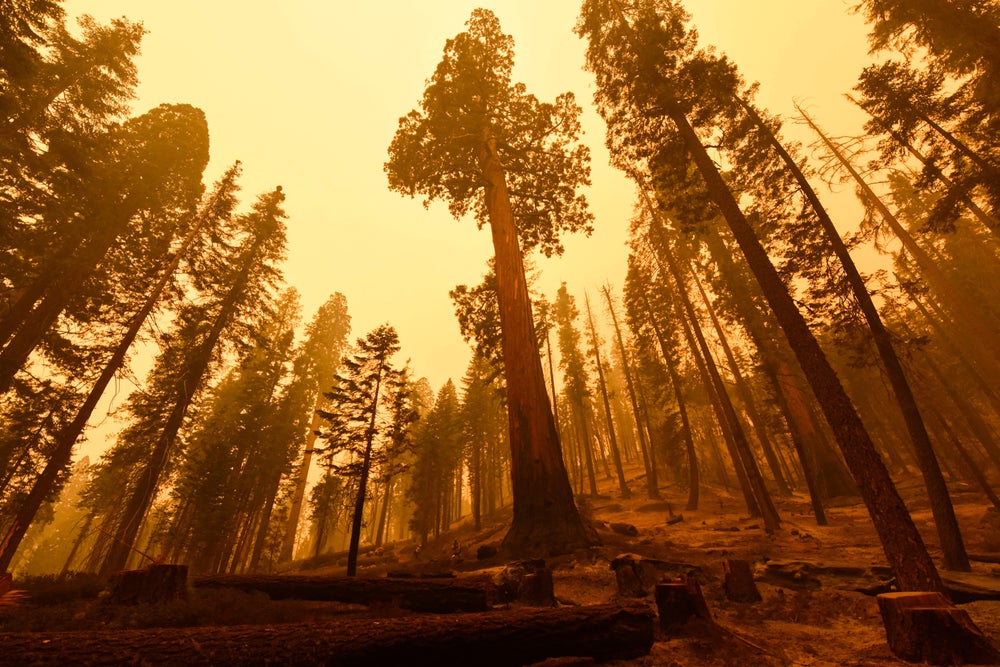
 James' World 2