When the Obama administration approved strong new net neutrality rules earlier this year, advocates rejoiced. “We have won on net neutrality,” Apple co-founder Steve Wozniak told The Guardian. President Barack Obama declared victory and thanked Reddit, the self-proclaimed “Front Page of the Internet” for its community’s activism on the issue.
But these celebrations may have been premature. Telecom and cable companies, which provide broadband access to the vast majority of Americans, are challenging the Obama administration’s actions in court. If they get their way, a federal appeals court will soon delay some rules that aim to protect net neutrality, the principle that all internet traffic should be treated equally. Open-Internet advocates fear that an unfavorable decision may open the door for harmful business practices while the court battle—which could take years—plays out. A stay on part of the new rules would also likely embolden Republicans on Capitol Hill who seek to pass laws gutting the rules.
.
Image: Breaking News and Opinion on The Huffington Post
When Bruno Leenders takes the 50-minute train ride to Amsterdam, he likes to stream blues and funk music through his smartphone. At home, Mr. Leenders, a Dutch technology consultant, watches Steven Seagal action movies on Netflix. Between meetings, he dashes off a few emails.
Mr. Leenders’s digital life has not changed all that much in the two years since the Netherlands started demanding that Internet providers treat all traffic equally, the same sort of rules that the United States adopted on Thursday.
His bill has gone up just marginally. He surfs, streams and downloads at the same speed — if not a little faster given the upgrades to Netherlands’ network, already one of the world’s best.
.
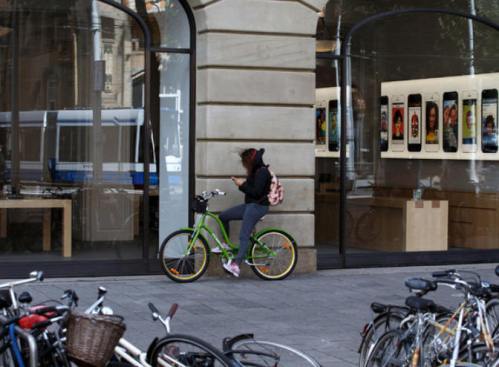
Outside an Apple store in the Netherlands. Two years ago the country mandated that Internet providers treat all traffic equally.Credit Jasper Juinen/Bloomberg News, via Getty Images
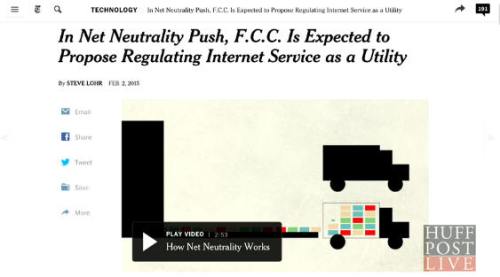
Federal Communications Commission Chairman Tom Wheeler revealed a big win for net neutrality advocates on Wednesday, asking for strong authority to enforce open Internet protections.
In a Wired op-ed, Wheeler said he is proposing the FCC use its authority under Title II of the Communications Act to protect consumer broadband Internet. This move will allow the FCC to stop Internet service providers from charging content providers like Netflix more money for reliable Internet access.
“Using this authority, I am submitting to my colleagues the strongest open Internet protections ever proposed by the FCC,” he wrote.
Film and Writing Festival for Comedy. Showcasing best of comedy short films at the FEEDBACK Film Festival. Plus, showcasing best of comedy novels, short stories, poems, screenplays (TV, short, feature) at the festival performed by professional actors.
 Image: Breaking News and Opinion on The Huffington Post
 .
. James' World 2