
.
News You might have missed!
Use your browser or smartphone back arrow (<-) to return to this table for your next selection.
.
__________________________________________
Assorted human interest posts.
May 1, 2024
Food For Thought, Human Interest, missed News, Political, Science, Technical amazon, business, Business News, current-events, Future, Hotels, human-rights, medicine, mental-health, research, Science, Science News, technology, Technology News, travel, vacation Leave a comment
.
.
__________________________________________
May 1, 2024
Business, Food For Thought, Human Interest, Political, Science, Technical amazon, business, Business News, current-events, Future, Hotels, human-rights, medicine, mental-health, research, Science, Science News, technology, Technology News, travel, vacation Leave a comment
Some content on this page was disabled on April 15, 2025 as a result of a DMCA takedown notice from Guardian Media Group. You can learn more about the DMCA here:
May 1, 2024
Business, Food For Thought, Human Interest, Political, Science, Technical amazon, business, Business News, current-events, Future, Hotels, human-rights, medicine, mental-health, research, Science, Science News, technology, Technology News, travel, vacation Leave a comment

Click the link below the picture
.
In October 2022 a bird with the code name B6 set a new world record that few people outside the field of ornithology noticed. Over the course of 11 days, B6, a young Bar-tailed Godwit, flew from its hatching ground in Alaska to its wintering ground in Tasmania, covering 8,425 miles without taking a single break. For comparison, there is only one commercial aircraft that can fly that far nonstop, a Boeing 777 with a 213-foot wingspan and one of the most powerful jet engines in the world. During its journey, B6—an animal that could perch comfortably on your shoulder—did not land, did not eat, did not drink, and did not stop flapping, sustaining an average ground speed of 30 miles per hour 24 hours a day as it winged its way to the other end of the world.
Many factors contributed to this astonishing feat of athleticism—muscle power, a high metabolic rate, and a physiological tolerance for elevated cortisol levels, among other things. B6’s odyssey is also a triumph of the remarkable mechanical properties of some of the most easily recognized yet enigmatic structures in the biological world: feathers. Feathers kept B6 warm overnight while it flew above the Pacific Ocean. Feathers repelled rain along the way. Feathers formed the flight surfaces of the wings that kept B6 aloft and drove the bird forward for nearly 250 hours without failing.
One might expect that considering all the time humans have spent admiring, using, and studying feathers, we would know all their tricks by now. Yet insights into these marvelous structures continue to emerge. Over the past decade, other researchers and I have been taking a fresh look at feathers. Collectively we have made surprising new discoveries about almost every aspect of their biology, from their evolutionary origins to their growth, development, and aerodynamics.
Among the creatures we share the planet with today, only birds have feathers. It makes sense, then, that for centuries scientists considered feathers a unique feature of birds. But starting in the 1990s, a series of bombshell fossil finds established that feathers were widespread among several lineages of the bipedal, carnivorous dinosaurs known as theropods and that birds had inherited these structures from their theropod ancestors. The discovery of feathered nonbird dinosaurs sent researchers scrambling to understand the origin and evolution of feathers, especially their role in the dawn of flight. We now know many dinosaurs had feathers, and protofeathers probably go all the way back to the common ancestor of dinosaurs and their flying reptile cousins, the pterosaurs. Bristles, fuzzy coverings, and other relatively simple featherlike structures probably decorated a wide array of dinosaurs—many more than we have been lucky enough to find preserved as fossils.
.
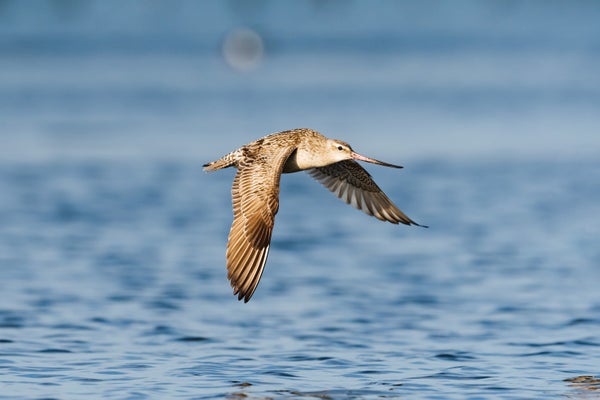 Bar-tailed Godwits undertake the longest nonstop migration of any land bird in the world. rockptarmigan/Getty Images
.
.
Click the link below for the article:
.
__________________________________________
April 30, 2024
Business, Food For Thought, Human Interest, Political, Science, Technical amazon, business, Business News, current-events, Future, Hotels, human-rights, medicine, mental-health, research, Science, Science News, technology, Technology News, travel, vacation 3 Comments

Click the link below the picture
.
The Federal Trade Commission (FTC) today announced that it has issued a final rule banning noncompete clauses. The rule will render the vast majority of current noncompete clauses unenforceable, according to the agency.
“In the final rule, the Commission has determined that it is an unfair method of competition and therefore a violation of Section 5 of the FTC Act, for employers to enter into noncompetes with workers and to enforce certain noncompetes,” the FTC said.
The US Chamber of Commerce said it will sue the FTC in an effort to block the rule, claiming the ban is “a blatant power grab that will undermine American businesses’ ability to remain competitive.”
The FTC proposed the rule in January 2023 and received over 26,000 public comments on its proposal. Over 25,000 of the comments supported the proposed ban, the FTC said. The final rule announced today will take effect 120 days after it is published in the Federal Register, unless opponents of the rule secure a court order blocking it.
The FTC said that “noncompetes are a widespread and often exploitative practice, imposing contractual conditions that prevent workers from taking a new job or starting a new business. Noncompetes often force workers to either stay in a job they want to leave or bear other significant harms and costs, such as being forced to switch to a lower-paying field, being forced to relocate, being forced to leave the workforce altogether, or being forced to defend against expensive litigation.”
Noncompete clauses currently bind about 30 million workers in the US, the agency said. “Under the FTC’s new rule, existing noncompetes for the vast majority of workers will no longer be enforceable after the rule’s effective date,” the FTC said.
FTC: “Noncompete clauses keep wages low”
The only existing noncompetes that won’t be nullified are those for senior executives, who represent less than 0.75 percent of workers, the FTC said. The rule defines senior executives as people earning more than $151,164 a year and who are in policy-making positions.
“The final rule allows existing noncompetes with senior executives to remain in force because this subset of workers is less likely to be subject to the kind of acute, ongoing harms currently being suffered by other workers subject to existing noncompetes and because commenters raised credible concerns about the practical impacts of extinguishing existing noncompetes for senior executives,” the FTC said.
.
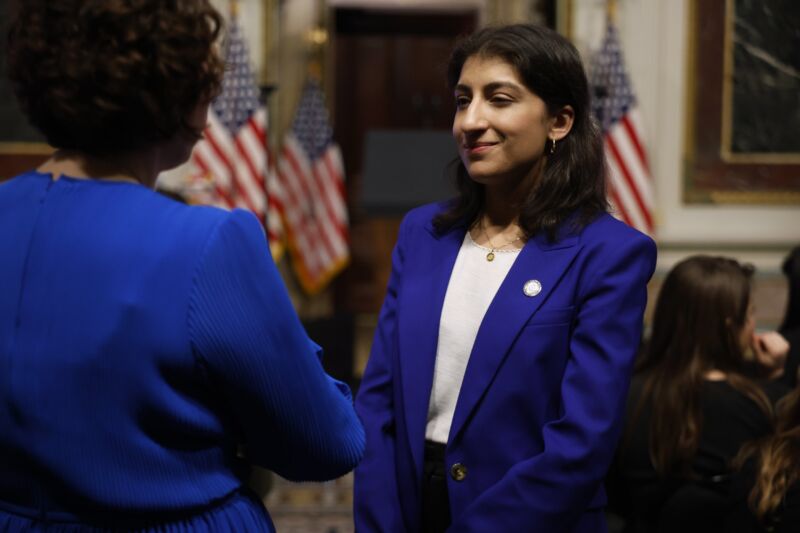 Federal Trade Commission Chair Lina Khan talks with guests during an event in the Eisenhower Executive Office Building on April 03, 2024
.
.
Click the link below for the article:
.
__________________________________________
April 30, 2024
Business, Food For Thought, Human Interest, Political, Science, Technical amazon, business, Business News, current-events, Future, Hotels, human-rights, medicine, mental-health, research, Science, Science News, technology, Technology News, travel, vacation Leave a comment

Click the link below the picture
.
The abandoned fieldstone walls of New England are every bit as iconic to the region as lobster pots, town greens, sap buckets, and fall foliage. They seem to be everywhere, a latticework of dry, lichen-crusted stone ridges separating a patchwork of otherwise moist soils.
Stone walls can be found here and there in other states, but only in New England are they nearly ubiquitous. That’s due to a regionally unique combination of hard crystalline bedrock, glacial soils, and farms with patchworks of small land parcels.
Nearly all were built by European settlers and their draft animals, who scuttled glacial stones from agricultural fields and pastures outward to fencelines and boundaries, then tossed or stacked them as lines. Though the oldest walls date to 1607, most were built in the agrarian century between the American Revolution and the cultural shift toward cities and industry after the Civil War.
The mass of stone that farmers moved in that century staggers the mind: an estimated 240,000 miles (400,000 kilometers) of barricades, most stacked thigh-high and similarly wide. That’s long enough to wrap our planet 10 times at the equator, or to reach the Moon on its closest approach to Earth.
Natural scientists have been working to quantify this phenomenon, which is larger in volume than the Great Wall of China, Hadrian’s Wall in Britain, and the Egyptian pyramids at Giza combined. This work began in 1870 and generated the U.S. government’s 1872 Census of Fences. Today, scientists are using a technique called lidar, or light detection and ranging, to measure and map stone walls across New England.
Being a geologist, I’m interested in walls as landforms that are distinctive to the region, created during the lead-up to the Anthropocene epoch, a time when human agency dominates all others. I’ve written about the history of stone walls and how to interpret them in the field, and developed the Stone Wall Initiative to draw public attention to their importance in New England. Now, I’m working with students and colleagues to develop a formal interdisciplinary science of stone walls that will help researchers understand and preserve them.
.
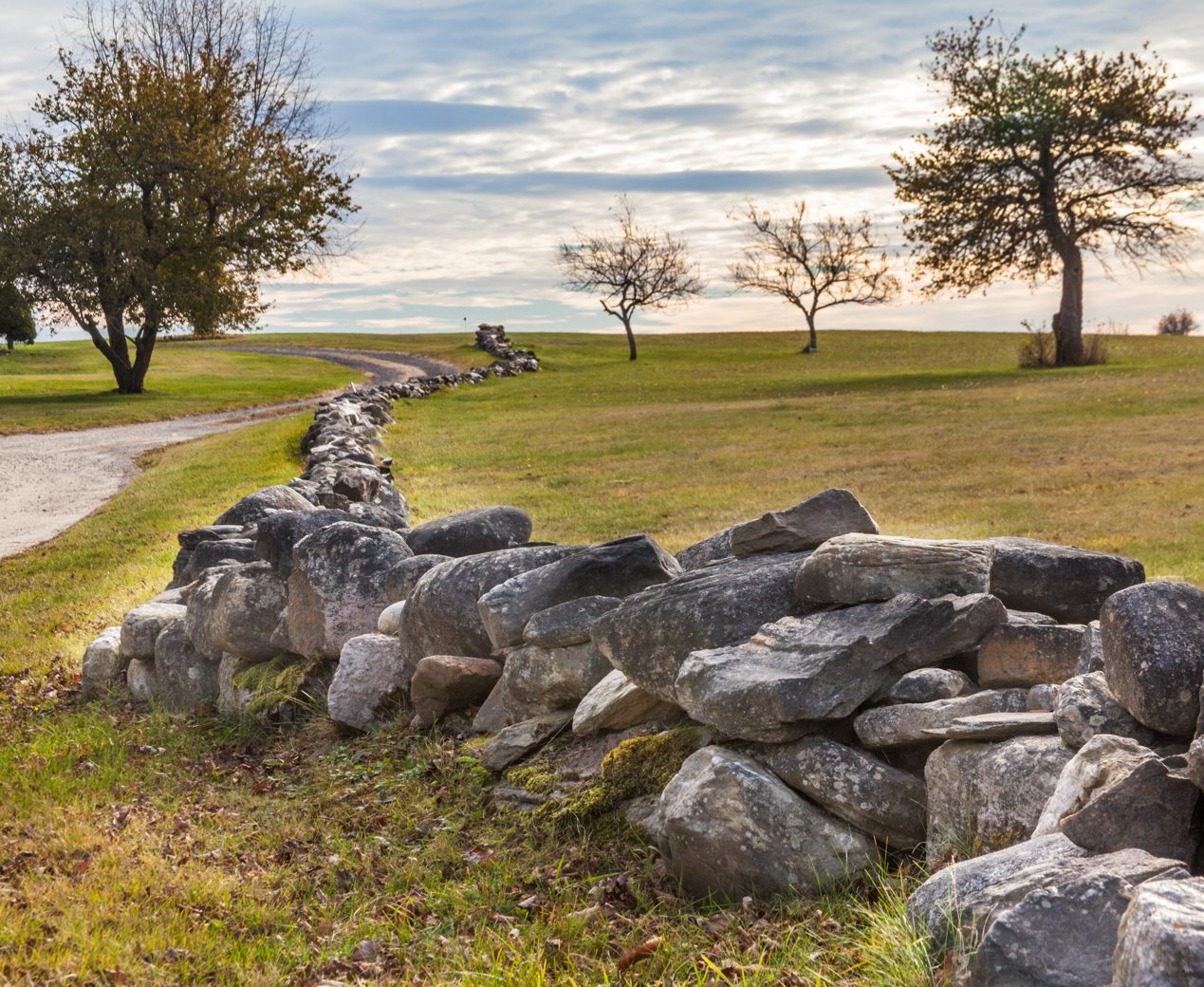
A stone wall stretches into the distance in Harpswell, Maine, one of thousands that together, by volume, are larger than the Great Wall of China, Hadrian’s Wall, and the Pyramids of Giza combined. Paul VanDerWerf, CC BY 2.0 DEED/Flickr
.
.
Click the link below for the article:
.
__________________________________________
April 29, 2024
Business, Food For Thought, Human Interest, Political, Science, Technical amazon, business, Business News, current-events, Future, Hotels, human-rights, medicine, mental-health, research, Science, Science News, technology, Technology News, travel, vacation Leave a comment
Click the link below the picture
.
Maharani Mahansar Heritage Liquor is the modern manifestation of a nine-generation family tradition that has spanned monarchy, colonization, and independence in India’s northern state of Rajasthan. The Shekhawat family descended from a prominent baron—or thikanedar—of Jaipur State in the early 1700s, began distilling liquor in 1768. Now, for the first time since Indian independence, the family has returned to distilling old recipes in their ancestral village of Mahansar. Not only do these heritage liquors contain the spiced aromas of India, they also hold lessons in the history of power in Rajasthan.
The earliest renditions of Rajasthan’s liquors would not have been liquors at all, but fermented herbal infusions used for dosing Ayurvedic natural medicines called asava. But by the 15th and 16th centuries, Rajasthan’s ruling class was largely from the Rajput caste system, which allowed drinking alcohol (whereas elites in other regions were often of the Brahmin caste, which discouraged the practice). As a result, royal physicians who served the local maharajas concocted new herbaceous medicines in high-proof spirits, which they came to call asaav. Reserved only for the ruling class, intriguing medicinal recipes called for potent ingredients like mutton, rabbit’s blood, and fluid from the skulls of male sparrows.
As distinct liquors emerged, the operation of darukhana, or distilleries, was outsourced to a class of feudal lords known as jagirdars and thikanedars. Surendra Pratap Singh Shekhawat’s ancestors were among these noble distillers to the kings. “It was quite old and traditional, using clay pots and fermenting with ingredients like jaggery,” says Shekhawat, who now serves as managing director of the Shekhawati Heritage Herbal private distillery, which makes Maharani Mansar’s liquor. “You add your different ingredients depending on your recipe and you ferment it for so many days, and then you distill it, and you distill it again, and you distill it again to bring out the finest form of liquor.” Only then was it ready for the royal families. In Mahansar, his family produced spirits on behalf of rulers in Bikaner, Jaipur, Jodhpur, and Jaisalmer (and kept some for themselves).
The spirits they distilled would have had concentrations of alcohol that rival today’s absinthe, around 80 percent. Tales suggest that a cotton ball dipped in the liquor could get anyone drunk. According to Anil K. Singh, the former general manager of Rajasthan’s official state-run distillery and author of a forthcoming book on Heritage Liquors, the recipes ranged from a minimum of 20 to over 75 herbs and spices. These flavors encompassed traditional Indian staples like cardamom and fennel, as well as more distinct aromatics such as safed musli root and sandalwood.
.
 A fresco from a mansion, or haveli, depicting the sharing of a drink. In Rajput culture, the munawwar piyala meaning “cup of request” is liquor offered to guests during gatherings, especially marriages. All Photos by Author Unless Otherwise Noted
.
.
Click the link below for the article:
.
__________________________________________
April 29, 2024
Business, Food For Thought, Human Interest, Political, Science, Technical amazon, business, Business News, current-events, Future, Hotels, human-rights, medicine, mental-health, research, Science, Science News, technology, Technology News, travel, vacation Leave a comment

Click the link below the picture
.
In her three decades of working with elephant seals, Dr. Marcela Uhart had never seen anything like the scene on the beaches of Argentina’s Valdés Peninsula last October.
It was peak breeding season; the beach should have been teeming with harems of fertile females and enormous males battling one another for dominance. Instead, it was “just carcass upon carcass upon carcass,” recalled Dr. Uhart, who directs the Latin American wildlife health program at the University of California, Davis.
H5N1, one of the many viruses that cause bird flu, had already killed at least 24,000 South American sea lions along the continent’s coasts in less than a year. Now it had come for elephant seals.
Pups of all ages, from newborns to the fully weaned, lay dead or dying at the high-tide line. Sick pups lay listless, foam oozing from their mouths and noses.
Dr. Uhart called it “an image from hell.”
In the weeks that followed, she and a colleague — protected head to toe with gloves, gowns, and masks, and periodically dousing themselves with bleach — carefully documented the devastation. Team members stood atop the nearby cliffs, assessing the toll with drones.
What they found was staggering: The virus had killed an estimated 17,400 seal pups, more than 95 percent of the colony’s young animals.
The catastrophe was the latest in a bird flu epidemic that has whipped around the world since 2020, prompting authorities on multiple continents to kill poultry and other birds by the millions. In the United States alone, more than 90 million birds have been culled in a futile attempt to deter the virus.
There has been no stopping H5N1. Avian flu viruses tend to be picky about their hosts, typically sticking to one kind of wild bird. But this one has rapidly infiltrated an astonishingly wide array of birds and animals, from squirrels and skunks to bottlenose dolphins, polar bears, and, most recently, dairy cows.

.
.
Click the link below for the article:
.
__________________________________________
April 28, 2024
Business, Food For Thought, Human Interest, Political, Science, Technical amazon, business, Business News, current-events, Future, Hotels, human-rights, medicine, mental-health, research, Science, Science News, technology, Technology News, travel, vacation Leave a comment

Click the link below the picture
.
An enormous asteroid crashed into the Earth about 65 million years ago. While terrestrial dinosaurs like the famed Tyrannosaurus rex were wiped out, many avian animals really began to flourish. Considering that there are more than 10,000 species of birds on Earth, flourish may even be an understatement. Keeping birds organized in a neat family tree is a bit of a Herculean task, since there are so many species and their evolution has been a little unclear. However, some advances in genomic sequencing and analysis are beginning to create a more lucid picture of how the planet’s living dinosaurs evolved.
In two studies published April 1 in the journals Proceedings of the National Academy of Sciences (PNAS) and Nature, scientists reveal that a genetic event about 65 million years ago has misled them about the true history of avian evolution. A section of one chromosome hasn’t mixed together with nearby DNA as it should have. This section is only tiny fraction of the bird genome, but was enough to make it difficult for scientists to build a more detailed bird family tree.
A sticky chunk of DNA
In 2014, advances in computer technology used to study genomes helped scientists piece together a family tree for the Neoaves. This group includes the majority of bird species. Using the genomes of 48 species, they split the Neoaves into two major categories. Doves and flamingos were in one group, and all the other bird species belonged to the other group.
When a similar genetic analysis was repeated using 363 bird species for this new study, the team saw a different family tree emerge. This one points to four main groups and reveals that flamingos and doves are more distantly related, and it all came back to a specific spot in the chromosomes.
Within these two family trees, the team looked for explanations that could tell them which one was correct. They found one spot on the genome, where the genes were not as mixed together as they should have been over millions of years of sexual reproduction.
“When we looked at the individual genes and what tree they supported, all of a sudden it popped out that all the genes that support the older tree, they’re all in one spot,” a co-author of the study published in PNAS and University of Florida biologist Edward Braun said in a statement. “That’s what started the whole thing.”
Birds combine genes from a father and a mother into the next generation, but they first mix the genes they inherited from their parents when creating sperm and eggs. This process is called recombination, and it is also something that occurs in humans. Recombination maximizes a species’ genetic diversity by ensuring that no two siblings are exactly the same.
.
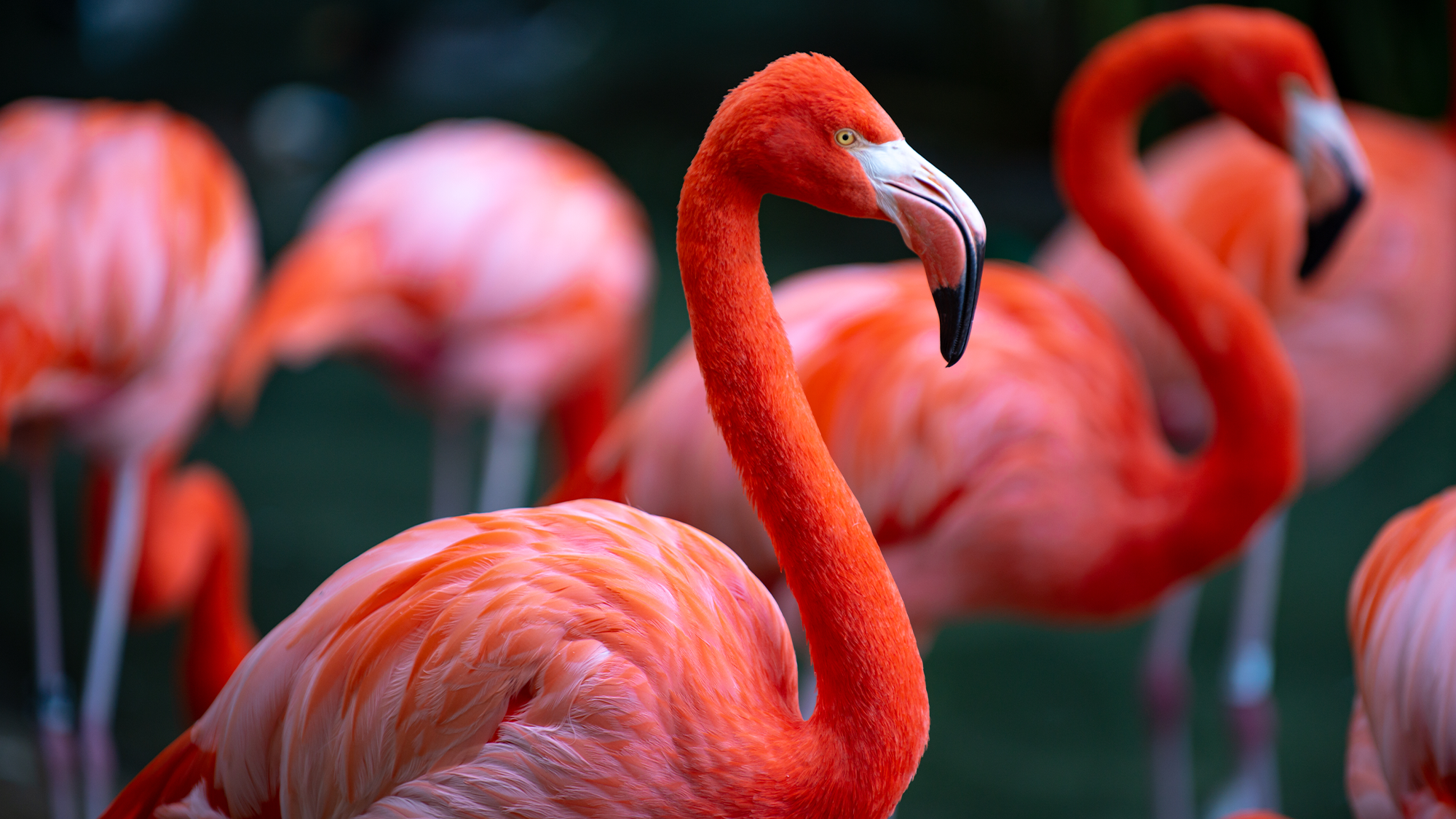 A newer bird family tree identifies flamingos and doves as more distantly related than scientists previously believed. Deposit Photos
.
.
Click the link below for the article:
.
__________________________________________
April 28, 2024
Business, Food For Thought, Human Interest, Political, Science, Technical amazon, business, Business News, current-events, Future, Hotels, human-rights, medicine, mental-health, research, Science, Science News, technology, Technology News, travel, vacation 1 Comment
Click the link below the picture
.
Not long ago, the only way to tell whether a patient with dementia had Alzheimer’s disease was to do an autopsy for the presence of amyloid plaque and other signs of degeneration in the brain. In recent years, new tests can detect the presence of amyloid, a telltale protein of Alzheimer’s, and other biological signs long before the onset of symptoms. Soon, doctors may routinely make definitive diagnoses of Alzheimer’s with a simple blood test, even before symptoms of dementia become apparent.
An early diagnosis of Alzheimer’s is not worth much if there’s nothing you can do about it. But new effective treatments that slow the progress of the disease have become available: the drug lecanemab, recently approved by the FDA, and a new one called donanemab, which slowed cognitive decline in trials. The availability of effective treatments, together with technologies for detecting Alzheimer’s in the early stages, when those treatments can be most effective, have radically changed the outlook for Alzheimer’s patients and their loved ones. The notion of attacking Alzheimer’s in the brain before clinical symptoms emerge, long merely an aspiration, is starting to look like a practical strategy.
Advances in early detection and treatment come as welcome news, but they imply a looming public-health challenge. Being able to screen for Alzheimer’s and administer treatments before symptoms arise would vastly increase the number of people who need attention. Public-health institutions are almost universally inadequate for the task. There are large disparities in the impact of Alzheimer’s and in access to care in the U.S. and around the world. Pilot programs in communities around the world are showing how it might be done.
Meanwhile, the new optimism rippling through the research field is palpable. “Having been in this field for 20 years, the idea that I can finally offer treatments that biologically slow the disease is incredibly exciting,” says Gil Rabinovici, who directs the Alzheimer’s Disease Research Center at the University of California, San Francisco. “There’s a lot more work to do, but the feeling is that our understanding and ability to measure and treat the disease is coming together in a new way.”
An enormous toll
About one in nine Americans over 65 have Alzheimer’s disease, according to figures from the Alzheimer’s Association. The numbers are higher for several segments of the population, including women, Black Americans, and Hispanics. The number of people with Alzheimer’s is expected to more than double in 25 years.
It is a cruel, relentless disease. “It progressively robs you of who you are,” says neuroscientist Donna Wilcock, director of Indiana University’s Center for Neurodegenerative Disorders. Families carry much of the weight, she adds. The annual cost of Alzheimer’s care in the U.S. has reached $345 billion, the Alzheimer’s Association estimates—and that doesn’t count the $340 billion worth of unpaid care put in by an estimated 11 million family members and other caregivers of U.S. Alzheimer’s patients in 2022. Other estimates run even higher (see “The Ten Trillion Dollar Disease,” on page 24).
Modern medicine has made enormous strides in treating cancer, diabetes, heart disease, and even other neurodegenerative diseases such as Parkinson’s and multiple sclerosis. But for years, everything medicine could throw at Alzheimer’s seemed to bounce off. The main research strategy has been to try to come up with drugs that attack the plaque that for more than a century has been known to be present in the brain tissue of deceased Alzheimer’s patients. But the dozens of experimental drugs that reduced brain plaque in mice with Alzheimer’s-like symptoms failed to make any detectable difference in cognitive decline in human drug trials.
.

Recently approved therapies have given hope to the Alzheimer’s community worldwide. Harol Bustos
.
.
Click the link below for the article:
.
__________________________________________
April 27, 2024
Business, Food For Thought, Human Interest, Political, Science, Technical amazon, business, Business News, current-events, Future, Hotels, human-rights, medicine, mental-health, research, Science, Science News, technology, Technology News, travel, vacation 2 Comments

Click the link below the picture
.
Have you ever met someone and liked them immediately? Not in a romantic way, but in a connected, warm, “gosh, I’d love to have coffee with that person” way?
Some people are just likable. Others seem to think well of them without much effort on their part. And being likable can have its benefits, says Jenny Woo, founder and CEO of Mind Brain Emotion and creator of 52 Essential Relationship Skills, an emotional intelligence training game. “It does have a payoff, and it matters,” she says, noting that being likable helps you connect with others. When you can do that, you can communicate better and connect with people who are different from you, both of which can help you be more effective in the workplace.
But there’s a fine line between working on your likability and ease of connection versus people-pleasing, which can be detrimental, she adds. And it might not be surprising that likable people have some habits and traits that help them connect.
They are present
“The most likable people are not thinking about their likability,” says social interaction expert Patrick King, author of The Science of Likability: 27 Studies to Master Charisma, Attract Friends, Captivate People, and Take Advantage of Human Psychology. King says likable people are, instead, “present and just focused on the conversation, listening, and being curious about their conversation partner.” In other words, they are focused on creating a connection rather than their own impression or image management.
They give and share credit
In the workplace, Woo says likability increases when people give credit where it’s due. “It’s about sharing the spotlight,” she says. While someone might not be conventionally gregarious and outgoing or might have a difficult personality, giving credit to someone who worked on a project or came up with an idea makes them feel valued—and that goes a long way toward likability.
They are authentic
Showing up as who you truly are can enhance your likability, says executive coach J. Victor McGuire, founder of Coaching for Everyone, a nonprofit organization that offers affordable, high-quality coaching programs to BIPOC (Black, Indigenous, and people of color) individuals. “People are generally drawn to individuals who are genuine and who are transparent,” he says. “Coaches who are authentic in their interactions, for example, seem to be more trustworthy and relatable.” Authentic people may be seen as more trustworthy and reliable, too.
.
 [Photo: Evheniia Vasylenko/Getty Images]
.
.
Click the link below for the article:
.
__________________________________________
Publicație umoristică dedicată glumeților de pretutindeni
Faith saved us from the savages that we were, losing faith makes us savages again
Where Trends Meet Truth
https://www.tangietwoods
Freelance poetry writing
Zalai Betti
INOVATION BLOG PEOPLE AND NEWS
Németh György
Konsultan Lingkungan Hidup di Lombok - NTB
Lea Krasznai (LeaArt21) – Idezetek (Idézetek) WordPress (Budapest, Hungary)
Appunti, spunti e passioni in liberta'
Gyorgy Nemeth
تعنى بتقديم نصائح للمعلمين المبتدئين، والطلبة الممتحنين، ومشاركة الاخرين تجربة الادخار في المال، بترشيد الاستهلاك المنزلي، وترتيب البيت، والحفاظ على البيئة، وتشجيع السيارات صديقةالبيئة، والسياحة والاسفار، ونماء رؤوس الاموال، والطب البديل وتشجيع التعليم الرقمي والذكاء الاصطناعي، والعناية بالنحل وتربية الاسماك، والاسثمار في رؤوس الاموال، الزراعة العضوية، والعناية باسنان الرضع، و صحة الحوامل، وتفسير القران
apprendre pour évoluer
Thoughts on books, language, meaning, and the culture around it.
Outdoor Recreation & Adventure in the Great Lakes Region
News, Info, Bio, Articles, Reviews, Lyrics, Technology, Science, Inspiration, Motivation, Philosphy and many more...
Christian Lifestyle Blogger
CEO and president of The Mullins Companies
Two Cultures. One Life. Endless Stories
Real Estate Development Specialist
¡Bienvenido de vuelta viajero!
so looking to the sky ¡ sing and from my heart to YOU ¡ bring...
CEO and Founder of Nsight Health
Catholic News, Prayers, HD Images, Rosary, Music, Videos, Holy Mass, Homily, Saints, Lyrics, Novenas, Retreats, Talks, Devotionals and Many More
Decoding Power. Defying Narratives.
A creative collaboration introducing the art of nature and nature's art.
The Home Of Entertainment News, Reviews and Reactions
•Whenever you are confronted with an opponent, conquer him with love.(Gandhi)
Algotrader at TRADING-CLUBS.COM
Film and Writing Festival for Comedy. Showcasing best of comedy short films at the FEEDBACK Film Festival. Plus, showcasing best of comedy novels, short stories, poems, screenplays (TV, short, feature) at the festival performed by professional actors.
Peace. Tranquility. Insanity.
Take a ride on the wild side
Découvre des musiques prometteuses (principalement) dans la sphère musicale française.
No tiene que Ser una Pesadilla.
Life in Kana-text (er... CONtext)
Where feelings meet metaphors and make questionable choices.
Finding hope and peace through writing, art, photography, and faith in Jesus.
Eyasu
Eyasu The Wonderful
A former medical student's journey through healthcare challenges and personal growth

