In 2025, there have been at least three measles outbreaks in the U.S. The biggest outbreak to date is in Texas, with 198 cases, resulting in 23 hospitalizations and one death of a school-aged child, as of March 7, 2025.1 This child had not received the measles vaccine and had no underlying health conditions.
Unfortunately, amid these scary outbreaks, some misinformation about measles treatments and prevention has also been spreading—specifically, the idea that vitamin A can be used to treat and prevent measles.
This has led the the American Academy of Pediatrics (AAP) to recently release online statements warning parents not to rely on vitamin A for measles prevention, and that too much vitamin A can be dangerous for children.
The AAP emphasizes, “measles-mumps-rubella (MMR) vaccination remains the most important tool for preventing measles.” The AAP also underscores how extremely contagious the measles is, noting the virus can remain in the air as many as two hours after someone infected has left the vicinity. As such, their focus is on the importance of vaccination as the primary preventative tool for measles.
Vaccines Are the Best Way To Prevent Measles
Therese Linnon, DO, a pediatrician at Akron Children’s Hospital says while vitamin A can be used to help with some symptoms of the measles once a patient has been diagnosed, it is far better to prevent the infection in the first place by getting the measles vaccine.
“Vitamin A should not be a replacement for the vaccine. There is no dose of vitamin A that will protect them from getting the measles virus,” she explains.
Mahvash Madni, MD, a pediatrician and spokesperson for the AAP agrees, referencing the hundreds of measles-related child deaths in the U.S. every year, prior to the existence of a vaccine.
“Nutrition and a strong immune system are important in helping prevent disease but certain viruses that are very powerful can overwhelm the immune system regardless of our best efforts,” she says. “Measles is one of these viruses. That is why years of research and effort went into coming up with an extremely safe and effective vaccine which was put into effect decades ago.
As per CDC guidelines, the current measles vaccine—the MMR vaccine—should be given in two doses. The first dose should be given when a child is 12-15 months, and the second dose should be given between 4 and 6 years. Two doses of MMR vaccine is 97% effective against measles infections.
Can Vitamin A Be Used To Treat Measles?
First of all, it’s important to understand that the measles isn’t just a virus that causes an annoying rash.
“Children feel and look very ill,” explains Dr. Madni. “It can cause pneumonia, neurological problems like encephalitis and death.”
As Dr. Madni and the CDC note, for every 1,000 children who get the measles, between one and three of them will die.
Moreover, Dr. Madni emphasizes, there are no treatments or “cures” for the measles. “It has to run its course like most viruses,” she says. So why do some people suggest supplementing with vitamin A?
Ukraine’s mineral wealth has been a key factor in its negotiations with the U.S. as the two countries work out details for a ceasefire agreement in Ukraine’s war with Russia.
After a rocky start to those negotiations, officials from the U.S. and Ukraine announced an agreement on March 11, 2025. The U.S. would resume support and intelligence sharing with Ukraine, with some conditions, and both agreed to work toward “a comprehensive agreement for developing Ukraine’s critical mineral resources to expand Ukraine’s economy and guarantee Ukraine’s long-term prosperity and security.”
The initial announcement from Ukraine’s government stated that critical minerals would also “offset the cost of American assistance,” but that line was removed from the joint statement. Getting Russia to agree to a ceasefire would be the next step.
There’s no doubt that Ukraine has an abundance of critical minerals, or that these resources will be essential to its postwar reconstruction. But what exactly do those resources include, and how abundant and accessible are they?
The war has severely limited access to data about Ukraine’s natural resources. However, as a geoscientist with experience in resource evaluation, I have been reading technical reports, many of them behind paywalls, to understand what’s at stake. Here’s what we know.
Ukraine’s minerals fuel industries and militaries
Ukraine’s mineral resources are concentrated in two geologic provinces. The larger of these, known as the Ukrainian Shield, is a wide belt running through the center of the country, from the northwest to the southeast. It consists of very old, metamorphic and granitic rocks.
A multibillion-year history of fault movement and volcanic activity created a diversity of minerals concentrated in local sites and across some larger regions.
A second province, close to Ukraine’s border with Russia in the east, includes a rift basin known as the Dnipro-Donets Depression. It is filled with sedimentary rocks containing coal, oil, and natural gas.
Before Ukraine’s independence in 1991, both areas supplied the Soviet Union with materials for its industrialization and military. A massive industrial area centered on steelmaking grew in the southeast, where iron, manganese and coal are especially plentiful.
By the 2000s, Ukraine was a significant producer and exporter of these and other minerals. It also mines uranium, used for nuclear power.
In addition, Soviet and Ukrainian geoscientists identified deposits of lithium and rare earth metals that remain undeveloped.
However, technical reports suggest that assessments of these and some other critical minerals are based on outdated geologic data, that a significant number of mines are inactive due to the war, and that many employ older, inefficient technology.
That suggests critical mineral production could be increased by peacetime foreign investment, and that these minerals could provide even greater value than they do today to whomever controls them.
.
Granite being mined on February 26, 2025, in the Zhytomyr region of Ukraine. Despite the ongoing war, many mining companies across the country have continued their operations, extracting resources such as titanium, graphite, and beryllium. bKostiantyn Liberov/Libkos/Getty Images
Erin knows her three children haven’t had an easy time. When they were growing up, her partner was abusive towards her and the children witnessed violence and coercion at home before she found the strength to end the relationship. A few years later, her child Jay – then in their early teens – disclosed that a trusted adult had sexually abused them.
Erin, a successful businesswoman, has always believed Jay. She reported the abuse to police and severed ties with the alleged perpetrator. But Jay’s behaviour began to change. They threw knives at Erin. They set fires in the house. “They would use anything as a weapon to cause injury and harm,” Erin says. Often, Erin was forced to barricade herself inside her bedroom when Jay tried to attack her, while the other children fled the house. In many ways, she felt as if she was living with her abusive ex again.
When Erin was with her ex, she knew there was help available for victims of domestic abuse. But when she sought support for Jay’s behaviour, she felt as if she was hitting a brick wall. A mental health assessment concluded that Jay was not struggling with any psychological conditions. Social workers focused on how Erin could improve her parenting and downplayed the severity of Jay’s behaviour. Eventually, afraid that Jay would kill her, or one of her other children, Erin begged her local authority to take Jay into care. It wasn’t until Jay made a credible attempt to kill one of their siblings that she succeeded.
Erin didn’t know it at the time, but Jay’s behaviour towards her had a name – or rather, lots of names. Among other terms, it is called filial violence, child-to-parent abuse or child-against-parent aggression. There is no legal definition but the national domestic abuse charity Respect uses the acronym Capva (Child and Adolescent to Parent Violence and Abuse) as a term to describe a person aged between eight and 18 who engages in “harmful and repeated” abusive behaviour. This might include physical violence, sexual and economic abuse or “emotional, coercive or controlling behaviour”.
Over the last two decades, interest in Capva has risen steadily among academics, social workers and practitioners in sectors including domestic abuse, adoption and mental health services. The pandemic saw a surge in reported cases and today, specialist services working to address child-to-parent abuse report that they cannot keep up with demand. A storyline about this issue even featured in EastEnders in 2024, as Kat Slater struggled to cope with the increasingly violent behaviour of her teenage son Tommy. A new report by Femicide Census on more than 170 UK mothers killed by their sons (of all ages) in the past 15 years observed that mothers were sometimes considered a “safe space” for children to mete out violence.
Parents will reach out to their family and friends and get a response that’s quite shaming.
But this gradual growth in awareness has yet to translate into families getting the support they need. In a landmark survey by Respect, British parents shared their experiences of Capva. The survey report paints a picture of desperate parents punched in the face so they need stitches; attacked with knives and other weapons; suffering heart attacks due to the stress of their situations. It also highlights the silence, stigma and lack of understanding that surround child-to-parent abuse. More than half of parents experiencing Capva told Respect they had not sought support at all; of these, 68% said this was because they were ashamed or worried about the stigma or judgment from professionals.
.
Composite: Guardian Design; Laura Fay; Justin Paget/Getty Images
We have discovered the oldest meteorite impact crater on Earth, in the very heart of the Pilbara region of Western Australia. The crater formed more than 3.5 billion years ago, making it the oldest known by more than a billion years. Our discovery is published today in Nature Communications.
Curiously enough, the crater was exactly where we had hoped it would be, and its discovery supports a theory about the birth of Earth’s first continents.
The very first rocks
The oldest rocks on Earth formed more than 3 billion years ago, and are found in the cores of most modern continents. However, geologists still cannot agree how or why they formed.
Nonetheless, there is agreement that these early continents were critical for many chemical and biological processes on Earth.
Many geologists think these ancient rocks formed above hot plumes that rose from above Earth’s molten metallic core, rather like wax in a lava lamp. Others maintain they formed by plate tectonic processes similar to modern Earth, where rocks collide and push each other over and under.
Although these two scenarios are very different, both are driven by the loss of heat from within the interior of our planet.
We think rather differently.
A few years ago, we published a paper suggesting that the energy required to make continents in the Pilbara came from outside Earth, in the form of one or more collisions with meteorites many kilometres in diameter.
As the impacts blasted up enormous volumes of material and melted the rocks around them, the mantle below produced thick “blobs” of volcanic material that evolved into continental crust.
Our evidence then lay in the chemical composition of tiny crystals of the mineral zircon, about the size of sand grains. But to persuade other geologists, we needed more convincing evidence, preferably something people could see without needing a microscope.
So, in May 2021, we began the long drive north from Perth for two weeks of fieldwork in the Pilbara, where we would meet up with our partners from the Geological Survey of Western Australia (GSWA) to hunt for the crater. But where to start?
.
Shatter cones in ancient rocks of the Pilbara, Western Australia. Tim Johnson, Curtin University
In 1971, a British doctor was trying to puzzle out a mystery: How can a child with no signs of external trauma or injury present with bleeding between the skull and brain? That doctor, A. Norman Guthkelch, was part of a wave of physicians and researchers newly concerned that an epidemic of severe child abuse had been passing, undetected, beneath doctors’ noses.
As one law-review article recounts, “Prior to the 1960s, medical schools provided little or no training on child abuse, and medical texts were largely silent on the issue.” A turning point was the publication of the 1962 article “The Battered-Child Syndrome,” which urged physicians to consider that severe child abuse may be at play when children came in with injuries such as bone fractures, subdural hematomas, and bruising.
The article goes beyond offering medical advice to prescribing an ethical framework that would take hold: “The bias should be in favor of the child’s safety; everything should be done to prevent repeated trauma, and the physician should not be satisfied to return the child to an environment where even a moderate risk of repetition exists.”
Armed with these new insights, Guthkelch hypothesized that the children showing up to his hospital were being abusively shaken. Although they did not show up with the usual fractures or visible forms of physical trauma, the presence of a subdural hematoma could indicate what would come to be widely known as “shaken baby syndrome.”
Decades later, Guthkelch would publicly worry that his hypothesis had been taken too far. After reviewing the trial record and medical reports from one case in Arizona, NPR reported that he was “troubled” that the conclusion was abusive shaking when there were other potential causes. “I wouldn’t hang a cat on the evidence of shaking, as presented,” Guthkelch quipped.
The narrow claim that shaking a baby abusively can result in certain internal injuries morphed into the claim that if a set of internal injuries were present, then shaking must be the cause. On today’s episode of Good on Paper, I talk with a neuroscientist who found himself personally embroiled in this scientific and legal controversy when a caretaker was accused of shaking his child.
Cyrille Rossant is a researcher and software engineer at the International Brain Laboratory and University College London whose Ph.D. in neuroscience came in handy when he delved into the research behind shaken baby syndrome and published a textbook with Cambridge University Press on the scientific controversy that embroiled his family.
Jerusalem Demsas: Many forms of scientific expertise in criminal-justice proceedings have been debunked or come under scrutiny in recent years. Things like bite-mark analysis and blood-spatter analysis used to be commonly understood as rigorous empirical analysis. But these questionable theories often fall apart on closer inspection.
This is how science is supposed to work. Experts observe, they hypothesize, they test, and they revise their previous understandings of the world. And in academia and in scientific journals, that’s all well and good—but what happens when evolving science is brought into the courtroom? In a courtroom, no one is well positioned to rigorously evaluate a scientific debate: not judges, not jurors, and not even the people calling expert witnesses.
Solar flares are bursts of radiation from the sun’s surface, sometimes followed by a bubble of magnetized plasma particles called a coronal mass ejection (CME). If they happen to spray out in Earth’s direction, CMEs can cause geomagnetic storms that damage power systems on the ground or spacecraft in orbit. And solar flare radiation itself can disrupt communication networks and satellite operations.
Unfortunately, solar scientists cannot reliably predict when the sun will belch out a flare. After one is observed, every minute counts in the ensuing scramble to adjust power grids or move satellites before they get damaged.
Now researchers have used data from NASA’s Solar Dynamics Observatory to show that distinctive flickering in the huge loops of roiling plasma that arch up out of the sun’s atmosphere, called the corona, seems to signal that a large flare could soon occur. This link could help researchers brace for the flare and look out for signs that an incoming CME could hit Earth within a couple of days.
Emily Mason, a heliophysicist at San Diego-based research firm Predictive Science, and her colleagues observed coronal loops in magnetically active regions where 50 strong solar flares occurred. They found that the loops’ ultraviolet light output varied erratically a few hours before a flare, the team told a recent meeting of the American Astronomical Society in Maryland. “It gives us one to two hours’ warning, with 60 to 80 percent accuracy, that a flare is coming,” Mason says.
“If we want to be able to predict solar storms earlier, then we have to predict when the flare will happen,” says Mathew Owens, a space physicist at the University of Reading in England. “Small gains there are valuable.”
Crucially, the researchers used a near-real-time data stream with just an hour’s lag rather than working with data that have been processed to improve quality, which can take weeks. Mason and her team observed flares on the sun’s outer edges from our perspective, or limbs, because that is where their light can best be seen from Earth. Flares on the sun’s eastern limb will head away from Earth as the sun rotates, but those on the western limb may hit the planet’s atmosphere, Mason says.
For now, our viewpoint means we can’t easily see loops emanating from elsewhere on the sun. But the European Space Agency is planning to launch a spacecraft called Vigil in 2031 that should give us a side-on perspective. “Being able to see the sun from more different angles is the single most important thing that we can do to improve our predictions,” Mason says. She hopes predicting big flares can help keep astronauts and electrical systems safe.
.
Analyzing huge loops in the sun’s corona (its atmosphere) can predict potentially dangerous solar flares. DETLEV VAN RAVENSWAAY/Science Source
When we think of concrete, water is usually a key ingredient that comes to mind. But what if I told you it’s possible to create concrete without a single drop of water? This innovative approach is transforming the construction industry by offering sustainability and efficiency in areas where water is scarce or conservation is a priority.
In this article, I’ll explore the fascinating world of waterless concrete and how it’s changing the way we build. We’ll delve into:
The science behind waterless concrete: Understanding its composition and how it works.
Benefits and challenges: What makes it a game-changer and the hurdles it faces.
Applications and future potential: Where it’s being used today and what the future holds.
Join me as we uncover the potential of this groundbreaking material and its impact on modern construction.
Understanding Concrete Without Water
Concrete without water is a surprising twist on a staple construction material. Instead of liquid, it uses a dry mix activated by alternative binding agents. This innovative approach cuts down on water use, addressing scarcity issues. According to a study by Chen et al., waterless concrete can achieve strength comparable to traditional mixtures when specific polymers are introduced during mixing.
The core of this technique revolves around polymers and other chemical compounds that replace water. They initiate the hardening process, reducing the dependency on water. Research highlights that this method can decrease construction time, as some dry-mix formulas set faster. For instance, tests revealed that a polymer-based dry mix showed a 30% faster setting time compared to typical concrete.
By cutting water dependency, this technology not only offers sustainability but also expands construction possibilities in arid regions where water’s a vital yet scarce resource. It’s an exciting aspect of construction that could reshape how we think about building materials.
The Science Behind Dry Concrete
Dry concrete, or waterless concrete, relies on innovative technology to enable binding without liquid. The transformation from traditional to waterless methods represents a significant shift in construction.
Components and Composition
Dry concrete consists of cement, aggregates like sand or crushed stone, and specialized additives. These additives play a crucial role. Polymers and other chemicals replace water, allowing dry concrete to achieve necessary strength and durability. According to a study in the Journal of Advanced Concrete Technology, using polymers can lead to compressive strengths of up to 60 MPa, comparable to conventional concrete. This advanced composition reduces reliance on water while maintaining structural integrity.
Chemical Reaction Process
The chemical reactions in dry concrete differ from those in regular concrete. In standard mixes, water triggers hydration, bonding the cement particles. Here, polymers and other additives initiate the curing process. A report by Construction and Building Materials indicates that certain dry mixes set up to 30% faster due to this alternative reaction. These rapid reactions offer practical and logistical advantages, particularly in environments with limited water availability.
Benefits of Using Concrete Without Water
Concrete without water offers several benefits, making it an appealing choice in modern construction. By using innovative alternatives, it addresses sustainability and efficiency.
Environmental Advantages
Concrete without water significantly reduces water consumption, leading to greater sustainability. Producing traditional concrete consumes a substantial amount of potable water, sometimes up to 200 liters per cubic meter according to USGS data. In contrast, waterless concrete eliminates this need, conserving precious water resources, especially crucial in arid regions. Additionally, this type of concrete often involves less dust emissions during mixing and handling, decreasing air pollution and contributing to cleaner project sites.
The question came innocently enough: What do you want to be when you grow up? Lindsay’s daughter, after a brief pause, looked up and confidently replied, “I want to be a client.”
The simplicity of the answer hid the complexity of what she had observed: The clients always seemed to get the very best version of her mother. In her daughter’s young mind, being a client meant holding a special place—one that commands focus, care, and an unwavering commitment.
As two mothers navigating full-time legal careers, that moment was not lost on either of us. It reveals a truth that is often glossed over in the narratives about working women, especially those of us balancing professional intensity with parenting. Beneath the thin veneer of “having it all,” we know all too well the quiet sacrifices and compromises that characterize our balancing act. The spotlight may be on our professional accomplishments, but in the shadows our children wait patiently for our attention, often competing with the demands of a profession that do not easily relent.
The Weight of Expectation
Too often the complexities of ambition, motherhood, and professional duty are distilled into stereotypes that seek to diminish rather than dignify. It’s a familiar story—the notion that a woman with power and responsibility must inevitably be lacking elsewhere. Or that her identity as a mother or partner is somehow contrary to her professional persona. These narratives, however veiled, carry weight.
But let’s say what that really means. It means that the diligence and tenacity we bring to our careers and our clients are identical to the dedication we offer to our families. It means that the long hours spent advocating for clients are juxtaposed with the quiet moments at home, where the stakes are equally high, even if measured in hugs rather than verdicts. It means that, despite the portrayal of women in leadership as one-dimensional, we are more. We are multifaceted, resilient, and deeply invested in both our professions and our roles as mothers.
Living with the Tension
The path of a working mother demands a constant recalibration of priorities where both career and family vie for equal attention and each carries its own form of guilt. The notion of “balance” is a fallacy. At least that’s what we’ve learned from years of trying to juggle our careers and motherhood. Instead, it’s a constant series of trade-offs and compromises leading us to understand that each day is unique.
There’s no neat division between “work” and “life” anymore. Mornings usually start early, working before the rest of the house wakes up. We often work with one eye on the clock, calculating the minutes until we sprint from the office to catch a school or sport event.
Or days when there’s a sick child and no available caregiver, the idea of balance seems laughable. This has forced us to rethink how we define success—not by perfection but by flexibility and resilience. It’s about being okay with the days that feel like controlled chaos and accepting that sometimes one part of life will have to be put on pause for the other.
When our daughters see us in action—they don’t just witness the power, grace, and poise required of our profession; they see the weight of that responsibility and the effort and dedication it takes to give both our clients and our children the best of us.
The Lessons We Teach
As children we dreamed of becoming lawyers, mothers, or both, imagining these roles as ultimate markers of success and happiness. Our daughters, however, have grown up watching us navigate the realities of those choices and their dreams for us are different.
Behold! As the Ides of March approaches, witness as Earth’s shadow engulfs the moon!
Or, put another way, a total lunar eclipse is set to occur on the night of March 13 and into the early-morning hours of March 14. This is one of my favorite astronomical events; unlike its fast-paced and potentially hazardous solar counterpart, a lunar eclipse is slow and majestic, happens at night and doesn’t require any special equipment or optical aid to see. This makes it easy and fun to watch; you can pop outside every 15 minutes or so to check its progress, and you usually won’t miss anything.
The entire eclipse will be visible across essentially all of North America and most of South America.
The timings of the eclipse’s various stages are given below, but to understand those, you first need to understand how all this unfolds.
The moon orbits Earth once every 27 days or so. The phase we see it in (crescent, half full, and so on) depends on the angle between the sun, the moon and Earth. When the moon is new, between Earth and the sun, we are gazing at its unilluminated half, so it looks black. When it’s opposite the sun in the sky, we see its fully illuminated half, so it appears full. The other phases occur in between these two geometries, so we see various amounts of the moon’s surface lit. Despite a common misconception, Earth’s shadow has nothing to do with the phases.
But it’s why we have eclipses! Earth’s shadow falls in the direction away from the sun, so the moon has to be opposite the sun in our sky during an eclipse. This means a lunar eclipse can only happen at full moon. As the moon orbits Earth, it moves into Earth’s shadow, creating the stages of the eclipse.
The easiest way to understand how the eclipse works is to imagine it first as if you’re on the moon, looking up at Earth and the sun. From this viewpoint—which, incidentally, two lunar landers are set to see for this eclipse—it looks as if our planet is slowly moving in front of the sun. At first, you see Earth just barely blocking our star. The amount of light hitting you drops but not by much. Over time, Earth blocks more and more of the sun, and the illumination drops further. You’re in Earth’s shadow, yet because you can still see some of the sun, you’re not in full shadow. We call this part of the shadow the penumbra, which comes from the Latin for “near shadow.”
After about an hour, you see Earth completely block the sun. You’re in the deepest part of the shadow, called the umbra, and it is dark all around you. Eventually, Earth leaves the sun’s face—you leave the umbra and move back into the penumbra—and the ground around you is partially illuminated once again—until Earth moves completely off and the eclipse is over.
What does this look like from Earth? After all, I’d bet this is where you’ll be watching this event from! When there isn’t a lunar eclipse, if you look into the sky opposite the sun, you can’t see Earth’s shadow because it’s projected onto empty space. But if you could see the shadow, it would look like two concentric circles in the sky. The big one is the penumbra, and the smaller one inside it is the umbra. When the moon begins moving into the penumbra, it does technically get darker, but it’s hard to tell at first. Once the moon is much deeper in, its dimming becomes more obvious.
.
A time lapse image of a total lunar eclipse’s progression. John Coletti/Getty Images
Do Mom and Dad really know best? A recent study seems to suggest so.
Newresearch finds that parents tend to show higher brain connectivity later in life, connecting raising kids with long-term cognitive benefits.1
This new report, which studied 19,964 females and 17,607 males from the UK Biobank, found that parents who raised children experienced better protection against functional brain aging later in life—and that parenting a higher number of children was associated with higher levels of neuro-connectivity.
“These results are striking, but not necessarily surprising,” Edwina R. Orchard, the lead researcher on this study, told Parents. “There is a growing literature in humans and animals that is consistent with these results, suggesting benefits to the structure and function of the brain in parents with more children.”
Does this mean parents are the smartest people? Not necessarily.
Dr. Hannah Homafar, a Board-certified Neurologist, says this study does not establish causation—only a correlation between parenthood and brain function later in life. So, it’s not clear if parenthood, in particular, improves brain health, or if the benefit is found in the enriching activities that parenthood encourages.
“Engaging in meaningful relationships, staying socially connected, and continuously challenging the brain—whether through caregiving, mentorship, or other complex activities—are all factors that may contribute to cognitive longevity,” Dr. Homafar says.
Still, this study brings promising news for parents—and anyone interested in bettering their cognitive health.
“Understanding these nuances could provide valuable insights for brain health at large, including strategies for preserving cognitive function in aging populations,” she says.
Why Is Parenthood Associated With Better Brain Function?
In this study, protection against functional brain aging was seen in both females and males, suggesting the common parenting environment, rather than pregnancy alone, affects brain function.
Ryan Glatt, a Medical Exercise Specialist and Brain Health Coach, notes that this study doesn’t set out to prove how the parenting environment may help brain function, just that there is a connection. Still, experts have some hypotheses on how parenting could improve brain health.
Benefits of Parenting Challenges
For one thing, Glatt says the subjects’ higher functioning brain connectivity in old age may be thanks to the many mental challenges that come with parenting. From planning family schedules to helping kids with homework, being a parent is often mentally challenging.
Film and Writing Festival for Comedy. Showcasing best of comedy short films at the FEEDBACK Film Festival. Plus, showcasing best of comedy novels, short stories, poems, screenplays (TV, short, feature) at the festival performed by professional actors.

:max_bytes(150000):strip_icc()/Parents-VitaminATreatmentforMeasles-547ddb87aee940b0bd5d9a43a6d1f85b.jpg) Parents/rudi_suardi via getty images
Parents/rudi_suardi via getty images
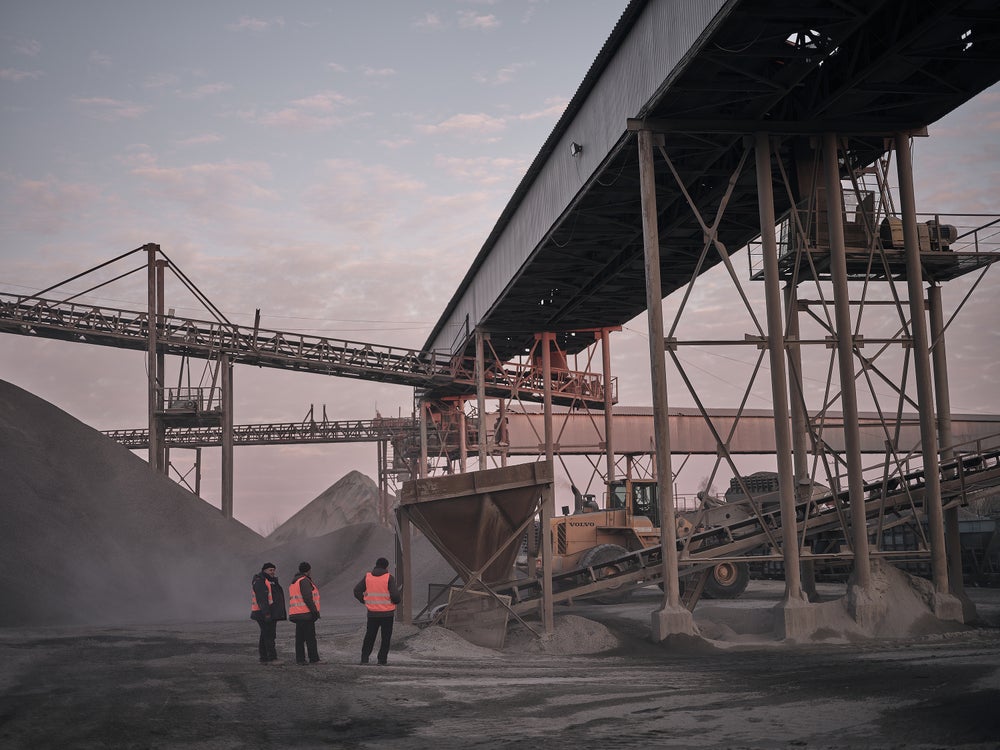


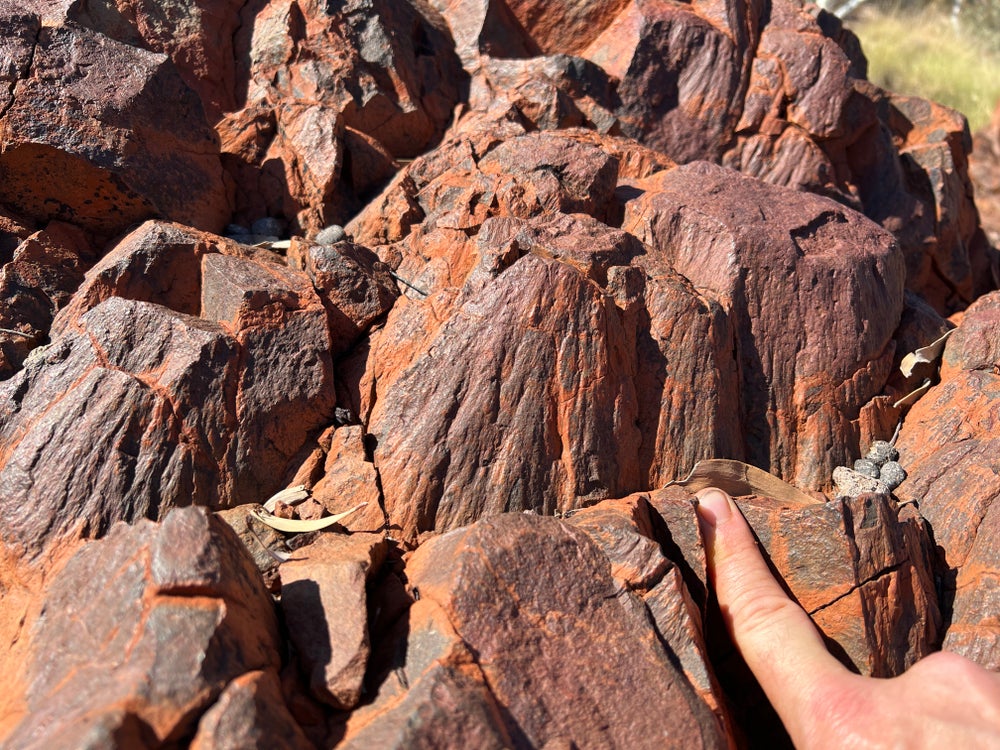

 Illustration by The Atlantic. Source: Getty.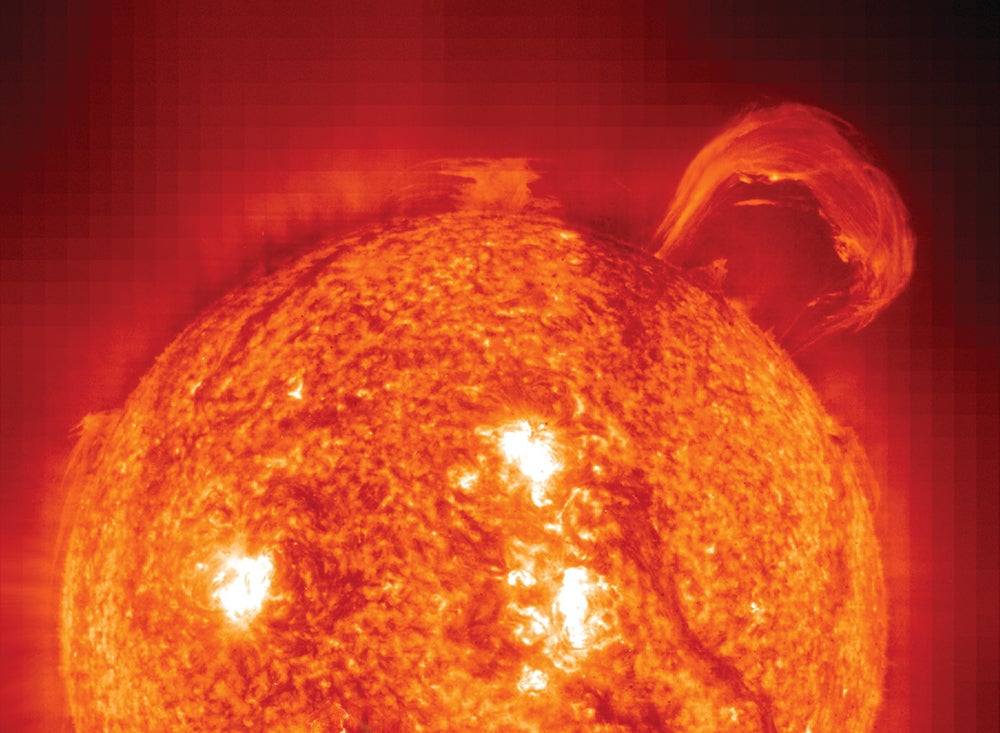

 .
.
 [Photo: Thanasis Zovoilis/Getty Images]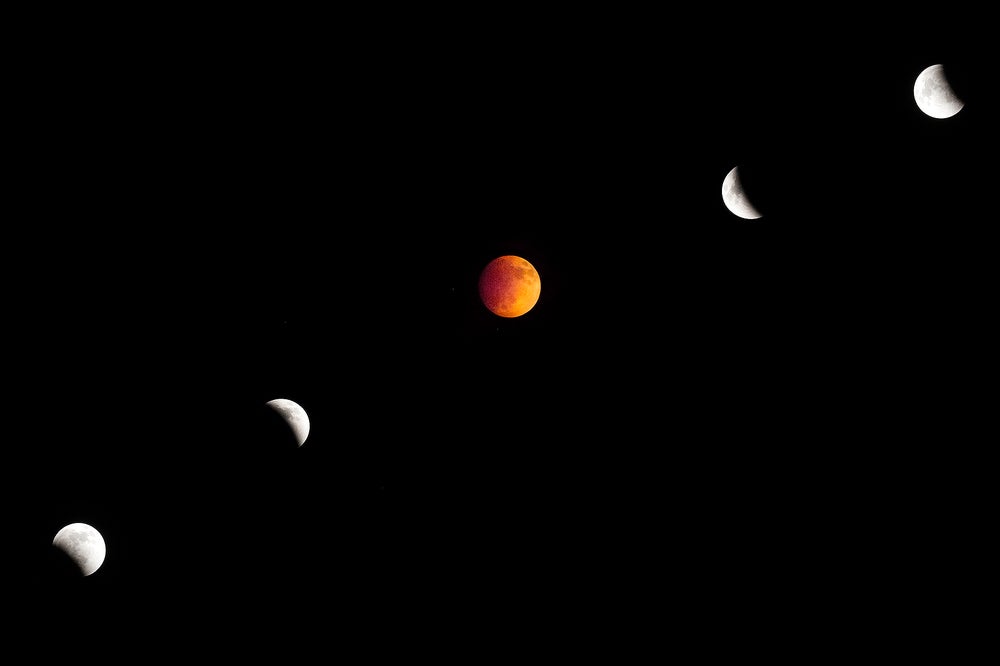
:max_bytes(150000):strip_icc()/parentsbrainaging-4f75ce6b8d1b4d31a3fd48e0a159b4fc.png)
 James' World 2