Home

A cult leader shows how Trump is taking America to a very dark place | Opinion

Leave a comment

Click the link below the picture

.

Former FBI agent Michael Fienberg has gone public, pointing out that the agency, under the leadership of Dan Bongino and Kash Patel, is purging itself of people who are not members of the Trump cult (my phrase, not his).

Similar cult-like behavior is on vivid display with the White House press secretary, the head of DHS, and the head of the Department of Justice — among numerous other administration officials and elected Republicans — regularly spouting lies and half-truths that target women, immigrants, and Democrats.

Rep. Marjorie Taylor Greene (R-GA) is implying that the children who died in the Texas floods were the victims of a nefarious plot — presumably by Democrats or Jews who operate space lasers — to modify the weather, completely ignoring the fact that Republican-aligned fossil fuel billionaires have been engaged in a half-century-long scheme to sabotage our atmosphere with their carbon dioxide emissions in exchange for trillions of dollars in profits. Some of which, no doubt, have been shared with Greene or her campaign.

Multiple administration officials, elected Republicans, and rightwing media cult leaders on platforms like Fox “News” have been amplifying the racist, antisemitic “Great Replacement Theory,” that wealthy Jews are paying to “replace” white people in America with Blacks, Mexicans, and other people of color. This has led to ICE becoming the largest police force in America, with a budget larger than that of the entire Russian military, soon to be sweeping a neighborhood near you in their never-ending hunt for brown-skinned people.

Donald Trump didn’t need to lure his followers into a remote jungle, like Jim Jones did in Guyana. He didn’t need to physically isolate them from the rest of the world. Instead, Trump built his Jonestown right here at home, within the boundaries of our republic, brick by brick. He did it using over 30,000 documented lies, fear, rage, and the intoxicating promise of belonging.

Today, tens of millions of Americans are trapped inside Trump’s reality-warping cult. And just as Jones’ followers drank poisoned Kool-Aid believing it was salvation, Trump’s followers have swallowed his Big Lies and are now willing to sacrifice our Constitution, our democracy, and our future on the altar of one man’s insatiable ego.

This is an old story in new packaging.

Jim Jones wasn’t always a madman. In the beginning, he offered something people desperately wanted: community, belonging, equality. He drew in the lonely, the marginalized, the disillusioned. He offered them meaning, dignity, and the hope of a better world. But slowly, he twisted that

hope into a tool of control, weaponizing his followers’ trust for his own wealth, power, and self-aggrandizement.

Donald Trump followed a similar cult leader’s path.

He didn’t invent the grievances he exploited. For decades, America’s middle class was gutted by Reaganomics and neoliberal trade policies. Jobs were shipped overseas. Unions were crushed. Wages stagnated while billionaires like Trump amassed obscene wealth.

Trump didn’t cause that pain, but he channeled it. He told working-class Americans that he alone could restore their lost greatness. At the 2016 Republican National Convention, he bellowed: “I alone can fix it.”

That wasn’t a campaign promise. It was a cult leader’s declaration. Like Jones, Trump positioned himself not as a servant of the people, but as their savior, the one indispensable man without whom all hope would be lost.

All cults, whether religious or political, thrive on division and a sense of victimhood. Jim Jones taught his followers that outsiders were out to destroy them, that they were surrounded by enemies, traitors, and saboteurs. He warned that the CIA, the media, and shadowy conspirators would annihilate Jonestown unless his people followed him without question.

Trump operates from the same playbook.

His enemies list is long: immigrants, Black voters, Muslims, women, Democrats, journalists, scientists, the “deep state,” election officials, even members of his own party who dare to tell the truth. He has spent years feeding his followers a steady diet of paranoia, victimhood, and grievance, convincing them that the only thing standing between them and ruin is him.

And just as Jones’ followers were taught to see dissent as treason, Trump’s followers are conditioned to see any criticism of him as an attack on themselves. They’ve surrendered their own personal identities to him and his cult. When he tells them that an election they lost was stolen, they believe it; not because the evidence says so, but because Trump says so. And in a cult, the cult leader’s word is truth.

Jones kept his followers in a physical jungle, cut off from the outside world. Trump does the same psychologically with the help of billionaire-backed media. His repeated attacks on the press as “the enemy of the people” are no accident: they are a deliberate strategy to isolate his followers in an information silo, where only his voice matters.

Fox “News,” Truth Social, MAGA podcasts, and a network of social media influencers form the walls of this new Jonestown. Alternative facts replace real ones. And when reality intrudes — when courts reject Trump’s lawsuits, when audits confirm his losses — his followers simply double down. “That’s just what the enemy wants us to believe.”

.

https://img-s-msn-com.akamaized.net/tenant/amp/entityid/AA1IyT5g.img?w=768&h=512&m=6&x=306&y=301&s=324&d=324

(REUTERS) © provided by AlterNet

.

.

Click the link below for the complete article:

https://www.msn.com/en-ca/news/politics/a-cult-leader-shows-how-trump-is-taking-america-to-a-very-dark-place-opinion/ar-AA1IvObU?ocid=winp2fptaskbarhover&cvid=f6885cb2495c4a9cf86db2980a1b4b46&ei=13

.

__________________________________________

The Safety Scientists Forging a More Secure Tomorrow

Leave a comment

Click the link below the picture

.

“When more people make a breakthrough discovery or build a coalition for progress, it helps advance a vision of the world in which we all want to live.” That statement of philosophy reflects how UL Research Institutes (ULRI) employees have long approached their work.  

Known for boundary-pushing research, ULRI, formerly known as Underwriters Laboratories, seeks to identify and mitigate threats to the environment, public health, and digital safety that are not well addressed elsewhere, and includes institutes focused on electrochemical, digital, chemical and fire hazards. Researchers there pursue innovative projects, often in partnership with distinguished academic and scientific organizations around the world. Here, we take a look at the minds behind the science at three ULRI institutes. 

A long hunt for safer batteries 

In 1999 American astronauts wanted to bring a digital camcorder on a space shuttle mission. But the camcorder was powered by a lithium-ion battery, a relatively new technology that hadn’t yet been approved for human spaceflight. To ensure the device wouldn’t introduce unknown hazards to the mission, Judy Jeevarajan, then a research scientist at NASA’s Johnson Space Center, ran rigorous tests on the battery to make sure it was safe. In the process, she became the first person to certify a lithium-ion battery for human space flight. 

A quarter-century later, lithium-ion batteries are everywhere, from our ubiquitous phones to implanted medical devices to satellites blinking at us in the night sky. And Jeevarajan, now vice president and executive director of the Electrochemical Safety Research Institute (ESRI) at ULRI, continues to lead the charge toward making them safe, wherever they’re used. 

As much as she relished her time as a senior scientist at NASA, Jeevarajan joined ULRI in 2015, eager to embrace the organization’s broader safety goals. In 2021, she was tapped to lead ESRI, newly created with the mission to “advance safer energy storage through science.” She quickly built the institute to a staff of 21 chemical engineers, electrical engineers, fire engineering scientists, materials scientists, computer-modeling experts, and other specialists. 

Located in a University of Houston technology park, the team collaborates with researchers in academia and industry to understand the workings of

different energy-storage systems—particularly advanced batteries and hydrogen—including what may cause them to break down and when they may become dangerous. The question that drives ESRI’s work, says Jeevarajan, is “what can we do to make the world a safer place, especially with respect to energy… and sustainability?”  

It’s a question of particular pertinence now, as battery-powered devices are crucial in the move toward renewable energy. Lithium-ion batteries—light, powerful, rechargeable—are the most widely used. But if improperly manufactured or managed, they are subject to uncontrollable overheating known as thermal runaway, which can lead to disastrous fires, smoke, and chemical emissions. 

Newer energy-storage alternatives could help mitigate these threats, says Dhevathi Rajan Rajagopalan Kannan, a research scientist at ESRI who is in charge of that project. Among the alternatives: sodium-ion batteries, which, given the abundance of sodium, are cheaper and more sustainable to produce. “What I’m trying to understand is whether the sodium-ion battery that is being used, or that is available, is safe or not,” he says. And it’s a race against time: “That is a fundamental understanding we are trying to get to before it gets more commercialized and mass-produced and adopted within the U.S.” 

.

https://static.scientificamerican.com/dam/m/531057b79765aa06/original/2R43WB0.jpg?m=1743090750.259&w=900

The digital ecosystem is complex, interconnected, and not always trustworthy.  Carloscastilla/Alamy Stock Photo

.

.

Click the link below for the complete article:

https://www.scientificamerican.com/custom-media/ul-research-institutes/the-safety-scientists-forging-a-more-secure-tomorrow/

.

__________________________________________

Floods Are Getting More Dangerous and Harder to Predict. Here’s How to Protect Your Business

Leave a comment

Click the link below the picture

.

The devastating and tragic floods that have killed at least 120 people in Texas were the latest in an increasingly familiar tale of extreme rain and its devastating consequences. Whether it’s so-called 1,000-year rain events like the one seen in the Texas Hill Country or the effect of tropical activity, like central North Carolina saw when Tropical Storm Chantal moved inland, there have been more and more headlines of communities being caught by surprise.

The economic losses can also add up. The Texas floods caused an estimated $18 billion to $22 billion in damages and economic loss. Last year, Asheville, North Carolina, saw damages of at least $53 billion after Hurricane Helene stalled over the city. And recent flooding in New Mexico and Chapel Hill, North Carolina, also damaged homes and businesses.

More floods are likely on the way, scientists warn. Global warming is creating conditions that are more suited for bigger storms. (Warm air holds more moisture.) Outdated infrastructure, inadequate warning systems, and cuts to the National Oceanic and Atmospheric Administration, which runs the National Weather Service, are only going to make matters worse.

For business owners, a flood can be catastrophic, even if business was going well beforehand. While there’s little you can do to stop flood waters from entering your offices, especially in the event of a flash flood, there are steps you can take to protect yourself in the aftermath, and a few that might offer some protections to founders who are looking for a new space.

Scout the location

While it’s critical for some businesses, like retailers, to be in a convenient spot for foot traffic, it’s important to consider the locational risks before you sign a lease or buy a building. Find out if the building is in a flood zone (FEMA has a handy tool that lets you search by address, and the First Street Foundation’s Flood Factor is another way to assess risk). If it’s a high-risk zone, consider another location. If it’s low, that’s good, but that doesn’t mean you’ll want to bypass getting flood insurance.

Get the right insurance

Once you understand the risks of your business’s location, make sure you’re insured. Note that commercial property insurance will not cover you in the event of a flood. You’ll need to get specific commercial flood insurance to protect both the physical location of your business as well as all of its contents. The National Flood Insurance Program (NFIP) from FEMA will cover up to $500,000 in losses, and it’s generally the most affordable option.

If that amount is insufficient in the event of a complete loss, consider private flood insurance, which might offer broader coverage, but be prepared to pay more for it (perhaps a lot more). And some private insurers won’t offer coverage in areas that are more likely to experience flooding. Additionally, business interruption insurance often has exclusions for flooding.

Just because you’re not in a high-risk area doesn’t mean you’re safe. The NFIP points out that one-third of the flood insurance claims it receives occur outside high flood risk areas.

Design your business with a flood in mind

If you’ve yet to begin construction on your business or are in the process renovating, there are steps you can take that will make recovery easier in the event of a flood. Opt for tile instead of carpet when you’re installing the floors. Installing cement board instead of drywall will make it much easier to reopen sooner, as it doesn’t absorb water and won’t attract mold. Rather than wooden baseboards, go with a composite material. If you’re building from scratch, place your electrical outlets higher than normal, which could prevent them from taking in water if disaster strikes. And if it’s practical to elevate the building, consider that.

Have a plan in place

Chaos follows any natural disaster. And, sadly, scammers do as well. The best way to avoid both is to have an emergency plan in place. Have contractors on retainer, so you can reopen as soon as possible. Never work with a repair company you’re unfamiliar with that claims to “know the system” or shows up promising miracles after the flood. (Having a regular contractor can also be beneficial in non-emergency times.)

Familiarize yourself with how to apply for disaster assistance from FEMA and the SBA, and know the different types of loans that are available. Do you, for instance, need a Business Physical Disaster Loan to replace real estate or inventory, or an Economic Injury Disaster Loan to meet financial obligations? Determine what sort of paperwork you’ll need to have and what restrictions there are, and keep it in a secure location.

Also, foster close relationships with your suppliers so you’re able to restock as quickly as possible, if necessary.

.

https://img-cdn.inc.com/image/upload/f_webp,c_fit,w_828,q_auto/vip/2025/07/texas-floods-protect-business-inc-2223157197.jpgA man looks at a damaged road after severe flash flooding in Hunt, Texas. Photo: Getty Images

.

.

Click the link below for the complete article:

https://www.inc.com/chris-morris/floods-dangerous-harder-to-predict-how-to-protect-your-business/91212746

.

__________________________________________

Conspiracy Theorists Are Turning on the President

Leave a comment

Click the link below the picture

.

The Trump administration had promised a bombshell. Americans, many of whom had spent years wondering over the unknowns in the Jeffrey Epstein case, would finally get their hands on the secret files that would explain it all. What really happened when the accused sex trafficker died in jail back in 2019? And who was on his “client list”—a rumored collection of famous and powerful people who participated in Epstein’s crimes?

In a September 2024 interview on the Lex Fridman Podcast, Donald Trump suggested that he would release the list if reelected. “Yeah, I’d be inclined to do the Epstein; I’d have no problem with it,” Trump said. He indulged speculation about Epstein after his reelection as well. In February, the White House hosted a collection of MAGA-world influencers and gave them binders full of heavily redacted Epstein-related documents labeled Phase 1, suggesting more to come.

.

https://cdn.theatlantic.com/thumbor/LAwOliA_EsirQ3rYYkQ0yI2ugjQ=/0x0:1200x1500/665x831/media/img/2025/07/10/2025_7_9_The_End_of_QAnon_4x5/original.jpgPhoto-illustration by The Atlantic. Sources: Sezeryadigar / Getty; Rick Friedman / Corbis / Getty.

.

.

Click the link below for the complete article:

https://www.theatlantic.com/technology/archive/2025/07/epstein-files-trump/683503/

.

__________________________________________

Researchers Identify Four Autism Subtypes with Distinct Genes and Traits

Leave a comment

Click the link below the picture

.

Stephen Shore, an autistic professor of special education at Adelphi University, has said: “If you’ve met one person with autism, you’ve met one person with autism.” This quote is popular in the autism community and among researchers because it reflects something they grapple with all the time: the truly incredible diversity of experiences that fall under the diagnosis of autism spectrum disorder (ASD).

“The beauty of the autism spectrum is: it speaks to this heterogeneity. And the downside [is that] it covers up the differences,” says Fred Volkmar, a psychiatrist and a professor emeritus at Yale University. Right now, individuals are placed on the spectrum based on the level of severity, from level 1 to level 3, of two different criteria: social communication difficulties and restricted, repetitive behaviors. Those coarse groupings, however, miss so much of the nuance. That’s why researchers have spent decades trying to use genetics and behavioral characteristics to divide the spectrum into meaningful subtypes. The hope is that such subtypes can help guide care for autistic people and their families and reveal what causes different presentations of autism in the first place.

Now, in a study published on Wednesday in Nature Genetics, researchers have bridged an important gap by connecting different clusters of behavioral and developmental traits with underlying genetic differences. By analyzing data from a group of 5,392 autistic children, they identified four distinct subtypes of autism, each with different kinds of challenges, that are connected to specific types of genetic variations.

“For families navigating autism, understanding their child’s specific subtype can provide greater clarity and open the door to more personalized care, support, and connection,” says Natalie Sauerwald, co-lead author of the paper, who studies genomics at the Flatiron Institute in New York City. But it’s not yet clear whether these four subtypes, which were identified with statistics in a nonrepresentative, largely white group of autistic kids, will be useful to help diagnose and care for autistic people in real-world clinical settings.

When genetic sequencing of the human genome began in earnest in the 1990s, autism researchers hoped to identify the genetic cause—or more likely, causes—of the condition. “Twenty years ago, the geneticists were saying, ‘We’re not even going to need autism [as a diagnosis]; we’re just going to have genetically defined disorders,’” says Catherine Lord, a psychologist specializing in autism at the University of California, Los Angeles.

That hasn’t come to pass. “Autism genetics is very complex,” says the new study’s co-lead author Aviya Litman, a genomics graduate student at Princeton University. Despite autism being between 60 and 80 percent heritable, it’s hard to pin down a specific genetic cause for any one individual—the cause is only clear for about 20 percent of autistic people tested, Litman explains. Researchers have now identified hundreds of genes associated with autism, meaning that if an individual has certain genes, they have a much higher chance of being diagnosed as autistic. But even with this knowledge, scientists haven’t been able to reliably connect how these genes translate to specific autistic traits and developmental trajectories.

To bridge that gap, Litman, Sauerwald, and their colleagues turned to data from a large study that tracked genetic information, traits, and development of 5,392 autistic kids between the ages of four and 18. The researchers evaluated the young participants on social communication abilities, restrictive and repetitive behaviors, developmental milestones, and more. Using a computer model, statistical tests, and clinical judgment, the team separated the participants into four robust groups based on patterns in their traits and development.

  • Social and Behavioral Challenges: These kids, 37 percent of the participants, had more difficulty with social communication and restrictive and repetitive behaviors than other autistic children. They also had more challenges with disruptive behavior, attention, and anxiety. These children, however, did not experience significant developmental delays.
  • Mixed ASD with Developmental Delay: These kids, 19 percent of the participants, were more varied in their social communication and restrictive and repetitive behaviors, and they showed some developmental delays compared with nonautistic children.
  • Moderate Challenges: These kids, 34 percent of the participants, had consistently fewer difficulties with social communication, restrictive and repetitive behaviors, and other core autistic traits compared with other autistic children, though they still had more difficulties with them than nonautistic children. They did not have developmental delays.
  • Broadly Affected: These kids, 10 percent of the participants, had more severe and wide-ranging difficulties with social communication, restrictive and repetitive behaviors, and other core autistic traits, including developmental delays, compared with other autistic children.

These groups still contained a lot of variation within them, but participants in each were more similar to one another than they were to participants in other groups. The four groups were also replicated in another, smaller population of autistic children.

.

https://static.scientificamerican.com/dam/m/25868e6322738a3d/original/four_head_profiles_in_silhouette.jpg?m=1752091943.697&w=900Muharrem Huner/Getty Images

.

.

Click the link below for the complete article:

https://www.scientificamerican.com/article/four-new-autism-subtypes-link-genes-to-childrens-traits/

.

__________________________________________

Leonardo DiCaprio Has Been Freed From His Hat

Leave a comment

Click the link below the picture

.

Last we saw Leonardo DiCaprio, he had an all-black Dodgers cap glued to his head for three days straight as he tried to avoid getting papped at Jeff Bezos and Lauren Sánchez’s wedding. This cap has become a bit of a calling card for DiCaprio. He wore it to Glen Powell’s ketchup launch party, he wore it during a recent outing to Rao’s, and he’s worn it (or some other cap) in most paparazzi shots of him from the past few years. However, DiCaprio decided to let the top of his head breathe on Friday, when he attended Wimbledon completely hat-free.

As you can see in the photo above, he is having an amazing time. The sun is reaching the crown of his head for the first time in ages, and it appears to be putting him in a great mood. Other photos show that DiCaprio was laughing and chatting with his seatmates, as well as sipping on a fun little drink. It’s a far cry from his appearance at the 2023 U.S. Open, at which he sort of lurked in the corner of a box wearing, you guessed it, his black baseball cap.

Is this hatless version of DiCaprio the result of a stately British dress code? If you are a tennis fan, you probably already know this, but no. Actually, Wimbledon is sort of famous for being pro-hat, specifically Panama hats. But it’s not that a baseball cap is too casual, either. There was a man sitting directly in front of DiCaprio wearing the all-white version of the actor’s preferred look:

For whatever reason, DiCaprio just decided to leave his beloved chapeau at home. And you know what? Hats off to him!

.

https://pyxis.nymag.com/v1/imgs/d53/b1a/5f81e7e9ab7e983493c273a7512e1f8c5e-leo1-.rhorizontal.w700.jpgPhoto: Karwai Tang/WireImage

.

.

Click the link below for the complete article:

https://www.thecut.com/article/leonardo-dicaprio-no-hat-wimbledon.html

.

__________________________________________

Ancient structure twice the size of world’s tallest building discovered deep in the Pacific

Leave a comment

Click the link below the picture

.

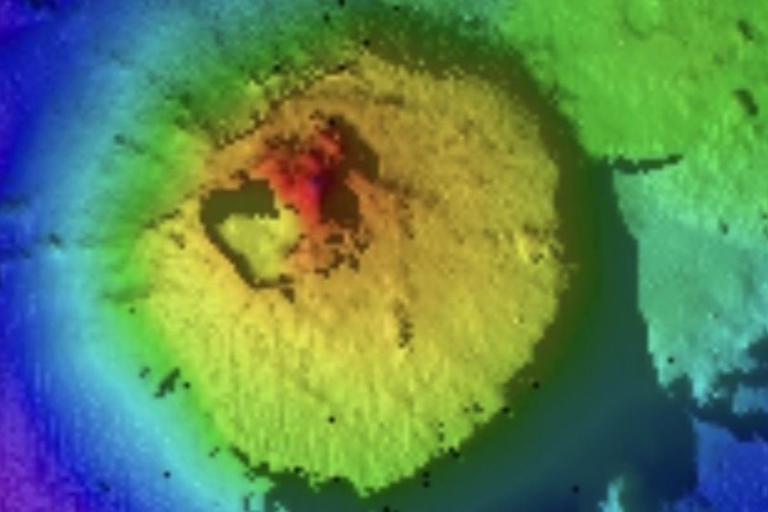
The experts uncovered the towering marvel some 7,870 feet (2,400 m) below sea level during an expedition organised by the Schmidt Ocean Institute over the summer.

“A seamount over 1.5 kilometres tall which has, until now, been hidden under the waves really highlights how much we have yet to discover,” Jyotika Virmani, the executive director of Schmidt Ocean Institute, said in a statement.

The cone-shaped feature covers 5.4 square miles (14 square kilometres) and is located in the Pacific Ocean, in international waters, 97 miles (156 kilometres) from Guatemalan waters.

The team made the exciting discovery thanks to multibeam sonar mapping during a six-day crossing from Costa Rica.

Seamounts serve as vital rocky habitats for deep-sea corals, sponges, and invertebrates since the majority of the Earth’s seabeds are covered in loose, muddy sediment.

Satellite data suggests there are more than 100,000 unexplored seamounts that will be uncovered through ongoing seafloor mapping.

“A complete seafloor map is a fundamental element of understanding our ocean,” Virmani said. “It’s exciting to be living in an era where technology allows us to map and see these amazing parts of our planet for the first time.”

The Schmidt Ocean Institute is working alongside the Seabed 2030 project and other partners to map out the entire seafloor by the end of the decade.

.

https://img-s-msn-com.akamaized.net/tenant/amp/entityid/AA1IkxPa.img?w=768&h=512&m=6The researchers made the exciting discovery thanks to multibeam sonar mapping (Schmidt Ocean Institute)

.

.

Click the link below for the complete video (sound on):

https://www.msn.com/en-gb/news/techandscience/ancient-structure-twice-the-size-of-world-s-tallest-building-discovered-deep-in-the-pacific/ar-AA1IkF0q

.

__________________________________________

Attacks on Higher Education Are Attacks on All Americans

Leave a comment

Click the link below the picture

.

Grant cancellations and budget reductions at the National Institutes of Health have put millions of dollars in research for promising new cancer treatments, tuberculosis therapies, and much more in jeopardy. Our elected officials could intervene if all Americans, not just academics, were to send a clear signal that they should.  Instead, much of the public has shrugged its shoulders.

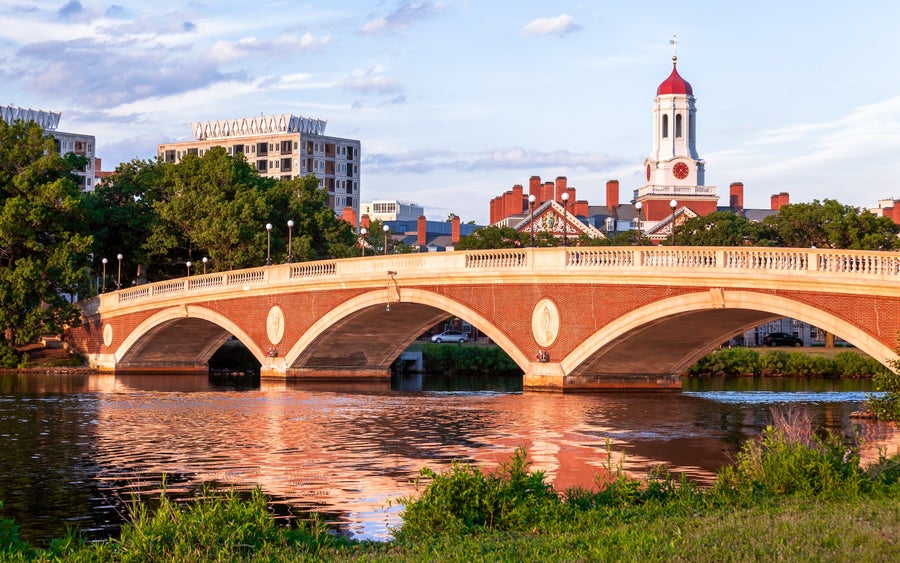
University and Princeton University. The Department of Education has opened investigations into 60 universities over allegations of antisemitism, using these inquiries to justify funding cuts and impose policy mandates. The administration has also placed international students under scrutiny, threatening visa revocations and deportations for those participating in campus protests deemed hostile to government interests. The administration has detained foreign-born academics such as Kseniia Petrova, a researcher at Harvard, who was recently released after she was placed in criminal custody for failing to declare research materials at customs.

Collectively, we’re witnessing unprecedented attempts to bully academic institutions with the administration’s ideological aims. These attempts challenge long-standing norms of academic freedom—that is, the ability of a teacher or researcher in higher education to investigate and discuss subjects without fear of political interference. Our elected officials should stand up for scientific research and those who produce it in the face of politically motivated attacks. But public apathy is making it easier for legislators to ignore the problem.

In late March, we worked with YouGov to conduct a nationally representative online survey of 1,500 U.S. adults. We found that while few Americans actively support the president’s attacks on science, many more are unbothered by them.

For example, 65 percent of Americans either have no position (31 percent) or outright support (34 percent) the possibility that the Trump administration might revoke federal funding to universities that support “pro-Palestine / anti-Israel protests”. That possibility became very real on April 21, when the NIH suggested making grant awards conditional on compliance with anti-boycott provisions regarding Israeli companies . Similarly, a majority (67 percent) either take no issue with or outright support revoking funding to universities (like the White House did to the University of Pennsylvania) that allow transgender athletes to compete.

More urgently, defunding and censoring science could have dramatically negative consequences for all Americans. Canceling research on vaccine communication hinders not just our preparedness for future pandemics, but also our response to seasonal flu and COVID. Curtailing studies of health disparities weakens efforts to improve maternal mortality rates, particularly in communities of color, people who have low income and gender-diverse communities. Cutting international academic exchange isolates the U.S. from global scientific collaboration, including partnerships with entities, such as the World Health Organization, that are trying to promote access to lifesaving medical treatments and preventatives.

The costs of academic repression, in other words, are not confined to elite institutions—they are borne by everyone. Yet very few Americans seem to be concerned.

Why is that so? Politically motivated distrust in academic institutions, particularly on the ideological right, may help explain the attitude and why the Trump administration is taking these actions.

.

https://static.scientificamerican.com/dam/m/19f9866f554867a8/original/John-Weeks-bridge.jpeg?m=1751919885.794&w=900

The John W. Weeks Bridge at Harvard University in Cambridge, Massachusetts.  Joe Daniel Price

.

.

Click the link below for the complete article:

https://www.scientificamerican.com/article/attacks-on-higher-education-are-attacks-on-all-americans/

.

__________________________________________

Senators on both sides of the aisle reject Trump’s ‘devastating’ new scheme

Leave a comment

Click the link below the picture

.

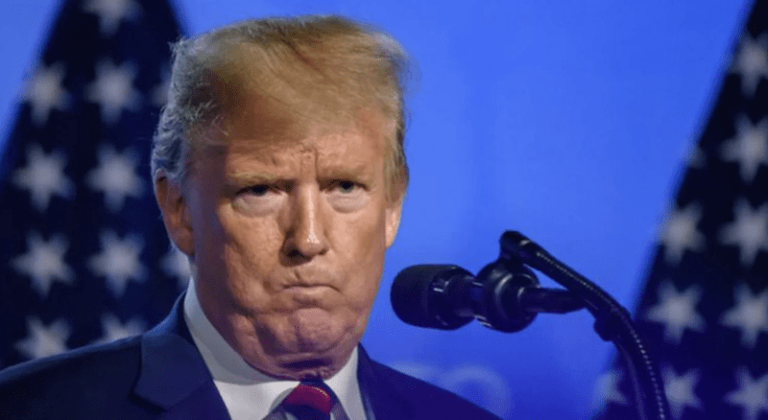
President Donald Trump wants to cut NASA’s budget by 24%, but senators on both sides of the aisle claim that would have devastating consequences on the agency’s ability to advance vital scientific research, Bloomberg reported.

In addition, the president is seeking to slash NASA’s science portfolio funding “nearly in half” while canceling “dozens of science missions,” the report stated.

But during an appropriations committee hearing this week, Republicans and Democrats alike dismissed Trump’s cuts, and proposed their own $24.9 billion budget for 2026, which is “roughly” the same amount NASA received for 2025.

Want more breaking political news? Click for the latest headlines at Raw Story.

Sen. Chris Van Hollen (D-MD) told Bloomberg, “We rejected cuts that would have devastated NASA science by 47% and would have terminated 55 operating and planned missions.” Instead, he said, “We provide $7.3 billion” to fund those measures.

“Senators also rejected the Trump administration’s call to cancel NASA’s giant Space Launch System (SLS) rocket and Orion crew capsule, the centerpieces of the Artemis program to return humans to the moon,” according to the report.

These proposed cancellations seem at odds with Trump’s first-term moonshot goal, where he directed “NASA to land humans on the moon within five years ‘by any means necessary.’”

Now, in his desire to cut government “waste, fraud, and abuse,” Trump’s proposed budget is all for phasing out “the grossly expensive and delayed” SLS and Orion programs “after their third flights.” But Sen. Ted Cruz (R-TX) made a provision in Trump’s “big, beautiful” tax bill to provide an extra $4.1 billion so SLS could be used up through its fourth and fifth flights.

Sen. Jerry Moran (R-KS) said the bipartisan bill “reflects an ambitious approach to space exploration, prioritizing the agency’s flagship program, Artemis, and rejecting premature termination of systems like SLS and Orion before commercial replacements are ready.”

On Wednesday, Trump announced that he was appointing Transportation Secretary Sean Duffy, a former Fox News host, to serve as Interim Administrator of NASA.”

.

https://img-s-msn-com.akamaized.net/tenant/amp/entityid/AA1ImzCe.img?w=768&h=420&m=6&x=209&y=139&s=215&d=215

Donald Trump (Shutterstock) © provided by RawStory

.

.

Click the link below for the complete article:

https://www.msn.com/en-ca/news/politics/senators-on-both-sides-of-the-aisle-reject-trump-s-devastating-new-scheme/ar-AA1ImiEK

.

__________________________________________

How to Grill Meat Safely—According to Science

Leave a comment

Click the link below the picture

.

As the days heat up in the Northern Hemisphere, so do meats at summer barbecues. But the amount of heat you use to cook different meats matters—not only for taste but for health.

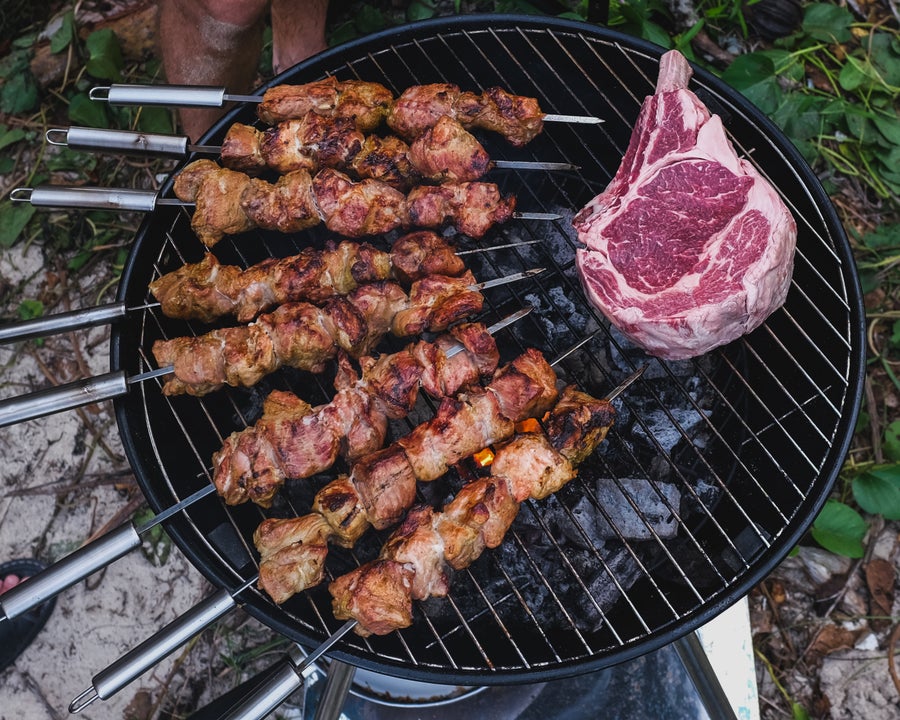
Each type of protein—beef, pork, poultry and others—has to reach a recommended minimum temperature to be considered safe to eat. A chicken breast, for example, needs to be heated to at least 73.9 degrees Celsius (165 degrees Fahrenheit) throughout, while a steak or pork chop should reach 62.8 degrees C (145 degrees F). Where do these recommendations come from? And why must some meats be cooked to a higher temperature than others?

Temperature thresholds exist because raw foods, including meat, eggs, and even vegetables and other kinds of produce, can sometimes harbor illness-causing microbes, says University of Delaware food microbiologist Kalmia Kniel. Just as the human body houses billions of microorganisms, Kniel notes, animals also “have a naturally occurring community of bacteria that colonizes their gut and skin.” Most of those microbes are harmless to the animals and people, she says, but some bacteria strains can make people sick. Microbes that an animal picks up from its environment or that are introduced during meat processing can also pose health risks, Kniel says.

Food poisoning can be caused by viruses or parasites, but the most common culprits are bacteria such as Salmonella, Escherichia coli, Campylobacter, Listeria and Clostridium—often found on or inside animals. These microbes flourish at temperatures between 4.4 and 60 degrees C (40 to 140 degrees F), often doubling in number in as little as 20 minutes. People who eat foods contaminated with these bacteria often experience nausea, vomiting, diarrhea, stomach cramps and fever. Most people recover within a few days, but in rare cases, food poisoning can be fatal.

Cooking meat is one way to kill those harmful microbes. Throughout the 1970s and 1980s, scientists across multiple U.S. agencies, including the Food and Drug Administration, the Department of Agriculture and the Centers for Disease Control and Prevention, turned laboratories into test kitchens to figure out the meat temperature guidelines we use today, says Donald Schaffner, a food microbiologist at Rutgers University. Researchers inoculated various foods, from roast beef and chicken thighs to eggs and leftover casseroles, with bacteria and then prepared the dishes with different culinary methods—say, grilling versus microwaving or roasting. The final guidelines were based on the time it took for a specific temperature to reduce the bacteria by 90 percent.*

Recommendations differ based on factors such as the cut of a given type of meat. Steak or pork, for instance, have dense muscle fibers that are relatively difficult for bacteria to penetrate—and searing the meat kills most microbes lingering on the surface. Ground meat, by contrast, is typically made up of lower-quality cuts from multiple animals, and grinding the meat into bits disperses those surface-dwelling bacteria throughout products such as a burger patty or sausage link. This requires an internal temperature that’s a few degrees higher: 71.1 degrees C (160 degrees F). Poultry also needs to be cooked to a higher temperature (165 degrees F) because it is more likely to be contaminated internally, particularly with illness-causing Salmonella strains that are part of the animals’ natural microbiome.

Temperature guidance has mostly remained the same over the years, Schaffner says, only changing once: in 2011 the USDA lowered the temperature recommendation for pork from 71.1 degrees C (160 degrees F) to 62.8 degrees C (145 degrees F), following the farming industry’s successful campaign to reduce the prevalence of the nematode Trichinella spiralis in pigs. People who ingest the parasite’s larvae through undercooked meat can contract trichinosis, also called trichinellosis, a gastrointestinal disease that causes muscle pain as the larvae migrate into muscle tissue.

Beyond safely cooking meats, there are other steps people can take to keep harmful bacteria out of their meals. Using separate cutting boards and utensils for raw and cooked meat, along with washing hands between cooking tasks, minimizes cross-contamination. Avoid leaving foods out in ambient temperatures for long periods to prevent bacteria from proliferating. Kniel also says the spongy absorber (called the “meat diaper”) at the bottom of most meat packages is a major source of bacteria; always use a separate container and throw the meat diaper away with minimal contact.

Kniel and Schaffner agree that using a good meat thermometer is among the best ways to prepare food safely. Specifically, look for digital thermometers that measure the temperature at the tip of the probe rather than dial thermometers, which typically average the temperature across the length of the probe. “You really want to know if the inside of your meat is fully cooked, and so knowing the temperature in the thickest part is most important,” Kniel says. “Someone may not want to add the extra step to use [a digital thermometer], but it’s the easiest way to make sure your product is cooked well.”

.

https://static.scientificamerican.com/dam/m/5620d865d3731540/original/meat-on-grill.jpg?m=1750782920.399&w=900

Juicy skewers of marinated meat are grilled alongside a large, raw rib eye steak on a charcoal barbecue. Every type of meat has its own required cooking temperature.  Evgeniia Biriukova/Getty Images

.

.

Click the link below for the complete article:

https://www.scientificamerican.com/article/why-can-beef-be-cooked-rare-but-chicken-cant/

.

__________________________________________

Older Entries Newer Entries

Amor Entre Estrellas

¡Bienvenido de vuelta viajero!

Heart of Loia `'.,°~

so looking to the sky ¡ will sing and from my heart to YOU ¡ bring...

Michael Ciullo

CEO and Founder of Nsight Health

MRS. T’S CORNER

https://www.tangietwoods

Nelson MCBS

Catholic News, Prayers, HD Images, Rosary, Music, Videos, Holy Mass, Homily, Saints, Lyrics, Novenas, Retreats, Talks, Devotionals and Many More

Global geopolitics

Decoding Power. Defying Narratives.

Talk Photo

A creative collaboration introducing the art of nature and nature's art.

Movie Burner Entertainment

The Home Of Entertainment News, Reviews and Reactions

Le Notti di Agarthi

Hollow Earth Society

C r i s t i a n a' s Fine Arts ⛄️

•Whenever you are confronted with an opponent, conquer him with love.(Gandhi)

TradingClubsMan

Algotrader at TRADING-CLUBS.COM

Comedy FESTIVAL

Film and Writing Festival for Comedy. Showcasing best of comedy short films at the FEEDBACK Film Festival. Plus, showcasing best of comedy novels, short stories, poems, screenplays (TV, short, feature) at the festival performed by professional actors.

Bonnywood Manor

Peace. Tranquility. Insanity.

Warum ich Rad fahre

Take a ride on the wild side

Madame-Radio

Découvre des musiques prometteuses (principalement) dans la sphère musicale française.

Ir de Compras Online

No tiene que Ser una Pesadilla.

Kana's Chronicles

Life in Kana-text (er... CONtext)

Cross-Border Currents

Tracking money, power, and meaning across borders.

Jam Writes

Where feelings meet metaphors and make questionable choices.

emotionalpeace

Finding hope and peace through writing, art, photography, and faith in Jesus.

WearingTwoGowns.COM

The Community for Wounded Healers: Former Medical Students, Disabled Nurses, and Faith-Fueled Pivots

...

love each other like you're the lyric to their music

Luca nel laboratorio di Dexter

Comprendere il mondo per cambiarlo.

Tales from a Mid-Lifer

Mid-Life Ponderings

Creative

Travel,Tourism, Life style "Now in hundreds of languages for you."

freedomdailywriting

I speak the honest truth. I share my honest opinions. I share my thoughts. A platform to grow and get surprised.

The Green Stars Project

User-generated ratings for ethical consumerism

Cherryl's Blog

Travel and Lifestyle Blog

Sogni e poesie di una donna qualunque

Questo è un piccolo angolo di poesie, canzoni, immagini, video che raccontano le nostre emozioni

My Awesome Blog

“Log your journey to success.” “Where goals turn into progress.”

pierobarbato.com

scrivo per dare forma ai silenzi e anima alle storie che il mondo dimentica.

Thinkbigwithbukonla

“Dream deeper. Believe bolder. Live transformed.”

Vichar Darshanam

Vichar, Motivation, Kadwi Baat ( विचार दर्शनम्)

Komfort bad heizung

Traum zur Realität

Chic Bites and Flights

Savor. Style. See the world.

ومضات في تطوير الذات

معا نحو النجاح

Broker True Ratings

Best Forex Broker Ratings & Reviews

Blog by ThE NoThInG DrOnEs

art, writing and music by James McFarlane and other musicians

fauxcroft

living life in conscious reality

Srikanth’s poetry

Freelance poetry writing

JupiterPlanet

Peace 🕊️ | Spiritual 🌠 | 📚 Non-fiction | Motivation🔥 | Self-Love💕