Pūpūkea is a community and census-designated place in the Koʻolauloa District on the island of Oʻahu, City & County of Honolulu, Hawaii, United States.In Hawaiian, pūpūkea means “white shell”. As of the 2010 Census, the CDP had a population of 4,551.
WHY? Why do men’s clothes have buttons on the right while women’s clothes have buttons on the left? BECAUSE When buttons were invented, they were very expensive and worn primarily by the rich. Since most people are right-handed, it is easier to push buttons on the right through holes on the left. Because wealthy women were dressed by maids, dressmakers put the buttons on the maid’s right! And that’s where women’s buttons have remained since.
2 .. WHY? Why do ships and aircraft use ‘mayday’ as their call for help? BECAUSE This comes from the French word m’aidez – meaning ‘help me’ – and is pronounced, approximately, ‘mayday.’
3 .. WHY? Why are zero scores in tennis called ‘love’? BECAUSE In France , where tennis became popular, the round zero on the scoreboard looked like an egg and was called ‘l’oeuf,’ which is French for ‘the egg.’ When tennis was introduced in the US, Americans (naturally), mispronounced it ‘love.’
4 .. WHY? Why do X’s at the end of a letter signify kisses? BECAUSE In the Middle Ages, when many people were unable to read or write, documents were often signed using an X. Kissing the X represented an oath to fulfill obligations specified in the document. The X and the kiss eventually became synonymous.
5.. WHY? Why is shifting responsibility to someone else called passing the buck’? BECAUSE In card games, it was once customary to pass an item, called a buck, from player to player to indicate whose turn it was to deal. If a player did not wish to assume the responsibility of dealing, he would ‘pass the buck’ to the next player
6 .. WHY? Why do people clink their glasses before drinking a toast? BECAUSE In earlier times it used to be common for someone to try to kill an enemy by offering him a poisoned drink. To prove to a guest that a drink was safe, it became customary for a guest to pour a small amount of his drink into the glass of the host Both men would drink it simultaneously. When a guest trusted his host, he would only touch or clink the host’s glass with his own.
7 limelight’? BECAUSE Invented in 1825, limelight was used in lighthouses and theatres by burning a cylinder of lime which produced a brilliant light. In the theatre, a performer ‘in the limelight’ was the Centre of attention.
8 .. WHY? Why is someone who is feeling great ‘on cloud nine’? BECAUSE Types of clouds are numbered according to the altitudes they attain, with nine being the highest cloud. If someone is said to be on cloud nine, that person is floating well above worldly cares.
9 .. WHY? In golf, where did the term ‘Caddie’ come from? BECAUSE When Mary Queen of Scots went to France as a young girl, Louis, King of France, learned that she loved the Scots game ‘golf.’ He had the first course outside of Scotland built for her enjoyment. To make sure she was properly chaperoned (and guarded) while she played, Louis hired cadets from a military school to accompany her. Mary liked this a lot and when she returned to Scotland (not a very good idea in the long run), she took the practice with her. In French, the word cadet is pronounced ‘ca-day’ and the Scots changed it into caddie.
10 … WHY? Why are many coin collection jar banks shaped like pigs? BECAUSE Long ago, dishes and cookware in Europe were made of dense orange clay called ‘pygg’. When people saved coins in jars made of this clay, the jars became known as ‘pygg banks.’ When an English potter misunderstood the word, he made a container that resembled a pig. And it caught on.
11 BIG CHEEKS Bet you don’t know “Big cheeks. A grandson of slaves, a boy was born in a poor neighborhood of New Orleans known as the “Back of Town.” His father abandoned the family when the child was an infant His mother became a prostitute and the boy and his sister had to live with their grandmother. Early in life he proved to be gifted for music and with three other kids he sang in the streets of New Orleans. His first gains were coins that were thrown to them. A Jewish family, Karnofsky, who had emigrated from Lithuania to the USA, had pity for the 7-year-old boy and brought him into their home. Initially giving ‘work’ in the house, to feed this hungry child. There he remained and slept in this Jewish family’s home where, for the first time in his life, he was treated with kindness and tenderness. When he went to bed, Mrs. Karnovsky sang him a Russian lullaby that he would sing with her. Later, he learned to sing and play several Russian and Jewish songs. Over time, this boy became the adopted son of this family. The Karnofskys gave him money to buy his first musical instrument; as was the custom in the Jewish families. They sincerely admired his musical talent. Later, when he became a professional musician and composer, he used these Jewish melodies in compositions, such as St. James Infirmary and Go Down Moses. The little black boy grew up and wrote a book about this Jewish family who had adopted him in 1907. In memory of this family and until the end of his life, he wore a Star of David and said that in this family, he had learned “how to live real life and determination.” You might recognize his name. This little boy was called: Louis “Satchmo” Armstrong. Louis Armstrong proudly spoke fluent Yiddish! And “Satchmo” is Yiddish for “Big Cheeks”!!!
A World Heritage Site is a landmark or area with legal protection by an international convention administered by the United Nations Educational, Scientific, and Cultural Organization (UNESCO).World Heritage Sites are designated by UNESCO for having cultural, historical, scientific, or other forms of significance. The sites are judged to contain “cultural and natural heritage around the world considered to be of outstanding value to humanity”. To be selected, a World Heritage Site must be a somehow unique landmark which is geographically and historically identifiable and has special cultural or physical significance. For example, World Heritage Sites might be ancient ruins or historical structures, buildings, cities, deserts, forests, islands, lakes, monuments, mountains, or wilderness areas. A World Heritage Site may signify a remarkable accomplishment of humanity, and serve as evidence of our intellectual history on the planet, or it might be a place of great natural beauty. As of June 2020, a total of 1,121 World Heritage Sites (869 cultural, 213 natural, and 39 mixed properties) exist across 167 countries; the three countries with most sites are China, Italy (both 55), and Spain (48)
Nuwara Eliya is a city in the tea country hills of central Sri Lanka.The naturally landscaped Hakgala Botanical Gardens displays roses and tree ferns, and shelters monkeys and blue magpies. Nearby Seetha Amman Temple, a colorful Hindu shrine, is decorated with religious figures. Densely forested Galway’s Land National Park is a sanctuary for endemic and migratory bird species, including bulbuls and flycatchers.
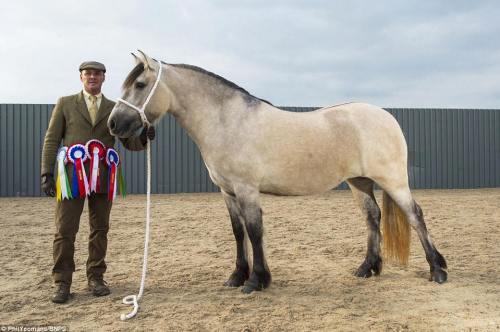
A pony is a small horse (Equus ferus caballus). Depending on the context, a pony may be a horse that is under an approximate or exact height at the withers or a small horse with a specific conformation and temperament.A pony is typically under the height of 14.2 hands high. There are many different breeds. Compared to other horses, ponies often exhibit thick manes, tails, and overall coat, as well as proportionally shorter legs, wider barrels, heavier bone, thicker necks, and shorter heads with broader foreheads. The word pony derives from the old French poulenet, meaning foal, a young, immature horse, but this is not the modern meaning; unlike a horse foal, a pony remains small when fully grown. On occasion, people who are unfamiliar with horses may confuse an adult pony with a foal.
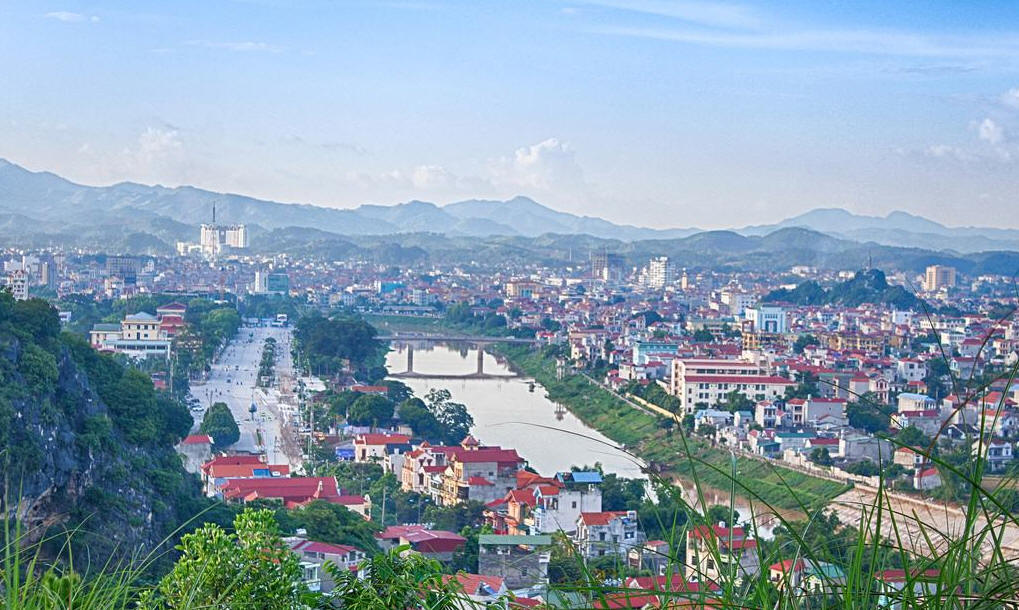
Lạng Sơn is a province in far northern Vietnam, bordering Guangxi province in China.Its capital is also called Lạng Sơn, which is a strategically important town at the border with China and is 137 kilometers northeast of Hanoi connected by rail and road.
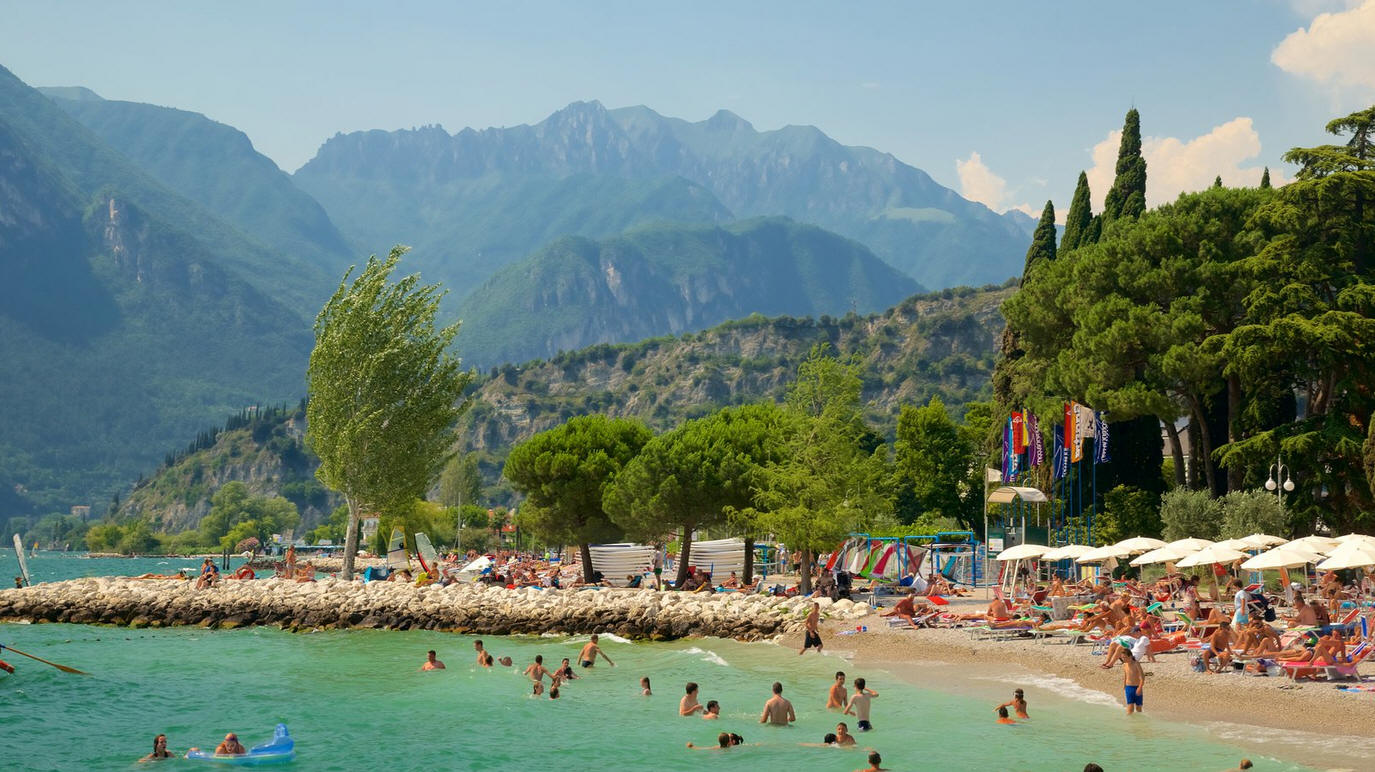
Nago–Torbole is a comune in Trentino in the northern Italian region Trentino-Alto Adige/Südtirol, located about 30 kilometers southwest of Trento on the north shore of Lake Garda.The municipality of Nago–Torbole contains the frazioni Torbole, Nago, and Tempesta.
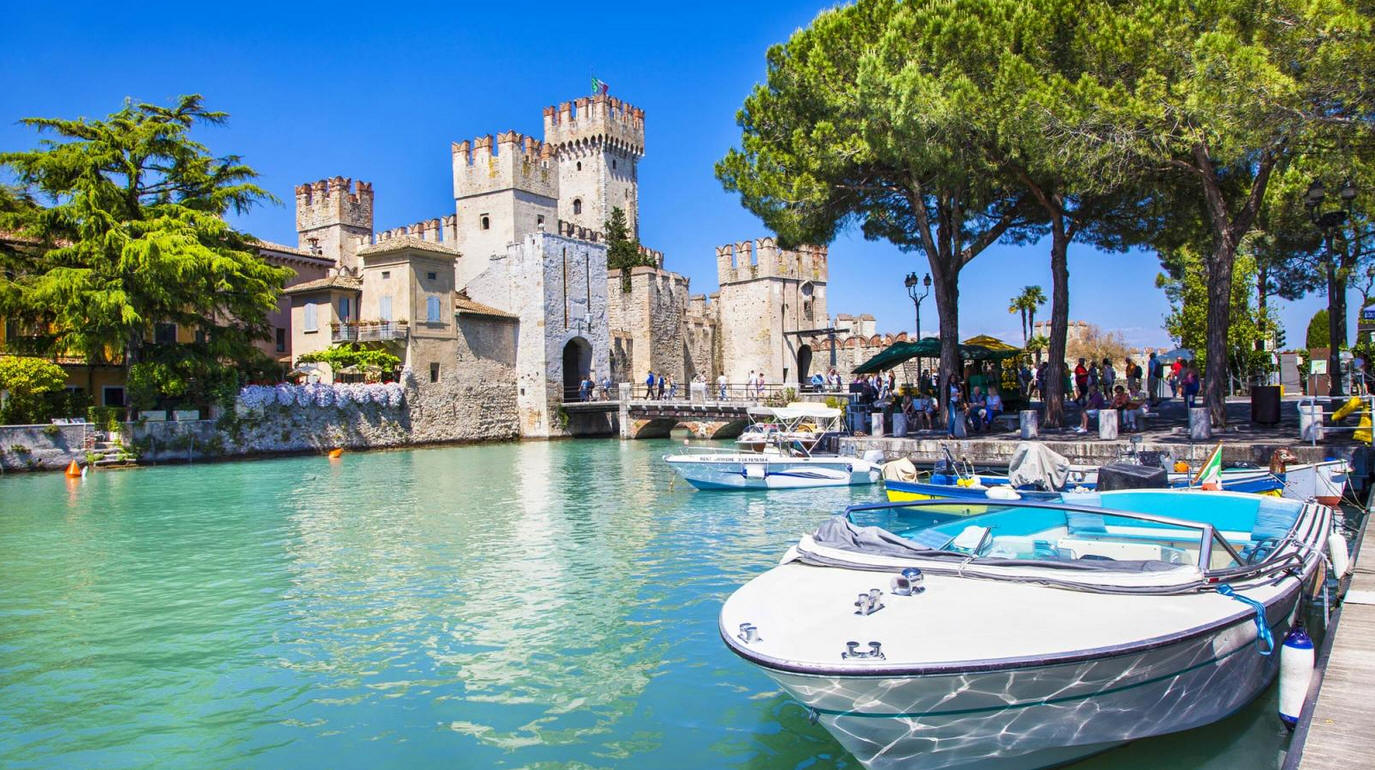
Lake Garda, in northern Italy, is known for its crystal clear water.At the south end, the town of Sirmione is dominated by the Rocca Scaligera, a fortress with harbor views. The nearby Grotte di Catullo archaeological site includes a Roman villa. On the lake’s western shore, in Gardone Riviera, is Il Vittoriale Degli Italiani, former home of poet D’Annunzio. The Dolomites frame Riva del Garda, a resort in the north.
Film and Writing Festival for Comedy. Showcasing best of comedy short films at the FEEDBACK Film Festival. Plus, showcasing best of comedy novels, short stories, poems, screenplays (TV, short, feature) at the festival performed by professional actors.

 An image from Pupukea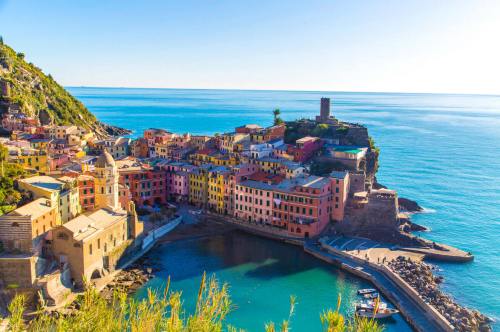



 James' World 2