May 23, 2025
Mohenjo
Business, Food For Thought, Human Interest, Political, Science, Technical
amazon, business, Business News, current-events, Future, Hotels, human-rights, medicine, mental-health, research, Science, Science News, technology, Technology News, travel, vacation

Click the link below the picture
.
The Indigenous peoples of the Bolivian highlands are survivors. For thousands of years, they have lived at altitudes of more than two miles, where oxygen is about 35 percent lower than at sea level. This type of setting is among the harshest environments humans have ever inhabited. Scientists have recognized for some time that these residents of the Andes Mountains have evolved genetic adaptations to the thin air of their lofty home. Now, researchers are learning that they have also evolved another remarkable genetic adaptation since their ancestors first settled the highlands of South America around 10,000 years ago.
In the volcanic bedrock of the Andes, arsenic is naturally abundant and leaches into the drinking water. The dangers it poses are well known: inorganic arsenic is associated with cancers, skin lesions, heart disease, diabetes, and infant mortality in other populations. But the biochemistry of Andeans has evolved to efficiently metabolize this notoriously toxic substance. Populations in Bolivia—along with groups in Argentina and Chile—have evolved variants around the gene AS3MT, which makes enzymes that break down arsenic in the liver. It is a prime example of natural selection, the evolutionary process by which organisms adapt to their environments to survive longer and produce more offspring. Apparently, natural selection among the Uru, Aymara, and Quechua peoples of the Bolivian Altiplano took DNA sequences that are present but rare in other populations around the world and increased their frequency to the point where the normally uncommon sequences are predominant in these groups. The case is one of many discoveries of relatively recent biological adaptation that could upend a long-standing idea about the evolution of our species.
For most of the 21st century, many evolutionary biologists have assumed that humans evolved at a leisurely pace in recent millennia, in contrast to the dramatic transformations that occurred earlier in our prehistory. The oldest known members of the human family evolved in Africa around six million to seven million years ago and looked apelike in many ways. Our own species, Homo sapiens, arose in Africa a few hundred thousand years ago and began venturing into other parts of the world in significant numbers around 60,000 years ago. By that point, our physical appearance seems to have settled into an evolutionary plateau, with only minor differences among human populations around the globe. After natural selection had worked its wonders for millions of years, transforming small-brained quadrupeds into large-brained bipeds, it appeared that biological evolution had slowed to a crawl in our lineage as H. sapiens developed agriculture, founded civilizations, and transformed the planet.
Early studies of the DNA of modern people turned up few fixed differences—genetic variants possessed exclusively by one population, which seemed to confirm this apparent stasis. Consequently, many scholars believed that the latest chapter of the human saga revolved around cultural changes rather than biological ones—figuring out more reliable means of obtaining food instead of changing our digestive or metabolic systems, for instance.
But advances in the sequencing of ancient and modern DNA have allowed scientists to look more closely at how our genetic code has evolved over time, and the results are startling. Genetic studies suggest that H. sapiens experienced many major episodes of natural selection in the past few thousand years as our ancestors fanned across the globe and entered new environments containing foods, diseases, and toxic substances they had never before encountered. “It shows the plasticity of the human genome,” says Karin Broberg of the Karolinska Institute in Sweden, who studies the genetics of susceptibility to environmental toxic substances. “We’ve spread throughout the world, and we live in very extreme environments, and we’re able to make them our homes. We are like rats or cockroaches—extremely adaptable.” This research offers fresh insights into how our species conquered every corner of the planet. We didn’t manage this feat through cultural adaptation alone, as some scientists previously supposed. Rather, humans continued to evolve biologically to keep pace with the radical changes they were making in their ways of life as they pushed into terra incognita.
To appreciate how these evolutionary changes came about, it helps to know the basics of how DNA is structured and how it can vary among individuals and populations. The human genome contains about three billion nucleotide base pairs, the matched sets of two complementary nucleic acids that form the basic unit of our genetic code. The DNA sequences of people today are extremely similar; we differ on only about one tenth of a percent of the genome, or about one out of 1,000 positions. A difference between two people at any position on the genome is called a single nucleotide polymorphism, or SNP (pronounced “snip”). A variant of genetic code, which may be a single position or thousands, that differs between individuals is called an allele. In general, human populations share most of the same genetic variation and evolutionary history.
New research raises the possibility that recent human history involved far more dynamic evolution than previously thought.
In Darwinian biology, the classic conception of natural selection is a “hard sweep,” in which a beneficial mutation allows some individuals to survive longer or produce more offspring, such that eventually that variant becomes fixed in the population. In the early 2000s, when researchers were starting to look for signs of hard sweeps in the genomes of contemporary peoples, the clearest examples came from populations that had adapted to unique circumstances. For instance, around 42,000 years ago, a selective sweep changed a protein on the surface of red blood cells in Africans to boost their resistance to malaria. People in the Tibetan Highlands underwent selective sweeps for genes that helped them tolerate low oxygen (intriguingly, populations of the Himalayas, Andes, and Ethiopian highlands adapted to high altitude with different assortments of genes, taking different evolutionary paths to solve similar problems).
Some of the best-known selective sweeps happened in western Eurasia and involved alleles associated with diet, skin pigmentation, and immunity. Many of these sweeps are linked to the profound shifts wrought by the transition to agriculture. Around 8,500 years ago, early farmers spread an allele that helped them synthesize long-chain polyunsaturated fatty acids from plant-based foods. These fatty acids are essential for cell membranes, particularly in the brain, and hunter-gatherers obtained them easily from meat and seafood. The new genetic variant allowed agricultural populations to synthesize them from short-chain fatty acids found in plants. This variant was rare at first, but now it is present in about 60 percent of Europeans.
Likewise, as dairy farming rose, so, too, did a gene variant that helped people consume milk products into adulthood. When Stonehenge was built around 5,000 years ago, virtually no Europeans possessed the genes people need to digest milk as adults. In most mammals—and most human populations—the body ceases producing the milk-digesting enzyme lactase after weaning. Yet around 4,500 years ago, a gene that kept the lactase turned on in adulthood began to spread through Europe and South Asia. Another series of sweeps beginning around 8,000 years ago gave Eurasians their distinctive pale complexion. These changes reduced their production of the dark skin pigment known as melanin, which is believed to have allowed more sunlight to penetrate their skin and help them synthesize vitamin D, a nutrient in short supply among early agriculturalists.
.
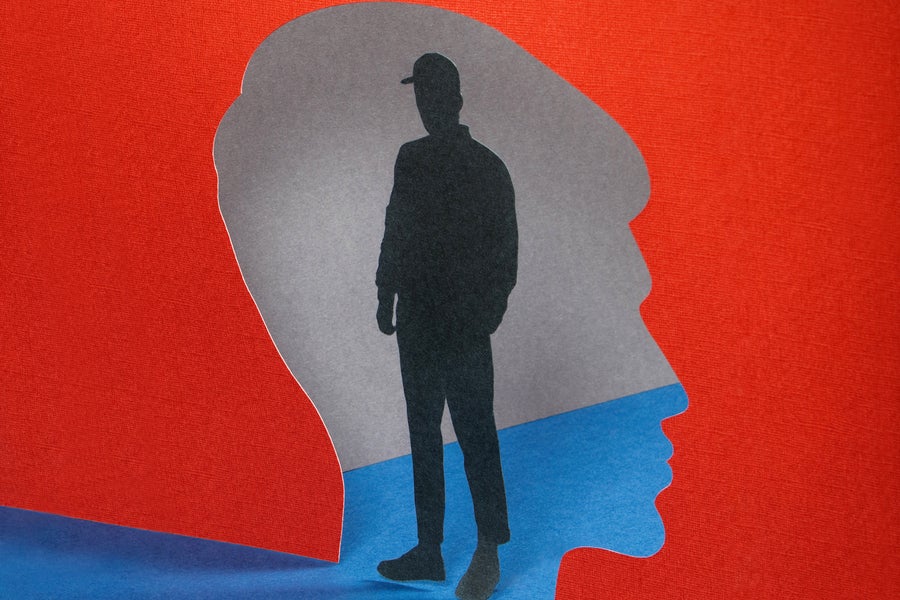
 Chris Gash
.
.
Click the link below for the complete article:
.
__________________________________________
May 23, 2025
Mohenjo
Business, Food For Thought, Human Interest, Political, Science, Technical
amazon, business, Business News, current-events, Future, Hotels, human-rights, medicine, mental-health, research, Science, Science News, technology, Technology News, travel, vacation

Click the link below the picture
.
If you’re like most parents, you might have your fair share of concerns about the bath toys your little one shoves into their mouth during bathtime. Maybe you have even seen the telltale signs of dirt and grime—and possibly even mold—when they squirt the toys at the wall of the tub.
Fortunately, there are safe and effective ways to not only clean your child’s toys, but extend their life and prevent mold. Below, cleaning experts and pediatricians explain the best ways to clean bath toys as well as offer tips for keeping them fresh for as long as possible.
Make a Bleach Solution
If you suspect your child’s bath toys have mold inside them, and you want to try to salvage them, the most effective cleaning option is using a diluted bleach solution. Just keep in mind that bleach is harsh and can damage toys.
“Bleach solution is effective because it kills bacteria and mold,” says Jonathan Jassey, DO, FAAP, a board-certified pediatrician and founder of Concierge Pediatrics.
A Word of Caution
Bleach is extremely toxic, so you will have to take great care in making sure the solution is strong enough to kill mold, but not so strong that it could pose a risk to your child.1 You also should ensure the toys are rinsed extremely thoroughly before giving them to your child.
For basic cleaning of toys, Kristin DiNicolantonio, MA, senior director of stakeholder communications at American Cleaning Institute, suggests making a solution of ¾ cup of chlorine bleach to one gallon of water.
“Scrub the toys using this solution and be sure to wear protective gloves and old clothes to prevent bleach damage on your garments,” says DiNicolantonio. “Make sure your space is well-ventilated.2 For hollow toys or toys designed to fill with water, be sure to squeeze out all liquid. Once the toys have been cleaned, leave them wet for five minutes, then rinse the toys in a clean sink and let them air dry.”
Use a Hydrogen Peroxide Spray
If you are looking for an alternative to bleach or if you want a cleaning method that you can use more frequently, try making a spray with hydrogen peroxide. While it is not as strong as bleach, researchers have found that it will fight against a number of microorganisms. For instance, it is effective in getting rid of viruses, fungi, spores, and bacteria. To use it, simply select a container of 3% hydrogen peroxide and put it in a spray bottle.
“Hydrogen peroxide is a solid bleach alternative,” says Taylor Riley, a father, cleaning expert, and partner at GermSmart Commercial Cleaning in Brooklyn, New York. “All you need to do is put it in a spray bottle and apply directly to the toys. Let it sit for 10 to 15 minutes then rinse thoroughly.”
Use the Dishwasher
Another option for cleaning and disinfecting toys is to use your dishwasher, says Lana Tkachenko, a cleaning expert at Force of Nature. “For hard toys, place them on the top rack of your dishwasher and run a hot water cycle with heat dry. Just make sure the toys are labeled dishwasher-safe first.”
For soft bath toys, she suggests using a lingerie bag and running them through a gentle cycle with hot water. Let them air dry completely before storing. She says you also can opt for an over-the-counter disinfectant spray. “It’s a simple way to add an extra layer of protection—without introducing harsh chemicals.”
Opt for the Washing Machine
You also can use your washing machine to clean bath toys, says DiNicolantonio. Just make sure the item is machine washable, then put the toys in a mesh laundry bag or pillowcase that is tightly secured at the top.
“Launder on a delicate cycle using cold water and regular detergent or laundry sanitizer,” she says. “Once the washing cycle is complete, let the items dry on a counter or in the sun until they are fully dried before storing them away.”
Handwash With Soap and Water
For daily cleaning, you can still sterilize your bath toys with soap and water, says Dr. Jassey. Simply fill a disinfected sink, basin, or container with hot water and a few squirts of dish soap.
Karissa Whitman, a mom of two and motherhood blogger at MomAfterBaby.com, says she often uses this method and recommends scrubbing each toy, rinsing it, and letting it air dry. If you submerge the toys in water, you should squeeze out any excess water as well. Also, if you are using extremely hot water, consider wearing gloves to protect your hands from the heat.
.
:max_bytes(150000):strip_icc()/parentsbathtoys-3f87361bffef40d79fa5cd0431505d5d.png) Photo: Parents/Getty Images
Photo: Parents/Getty Images
.
.
Click the link below for the complete article:
.
__________________________________________
May 22, 2025
Mohenjo
Business, Food For Thought, Human Interest, Political, Science, Technical
amazon, business, Business News, current-events, Future, Hotels, human-rights, medicine, mental-health, research, Science, Science News, technology, Technology News, travel, vacation
Click the link below the picture
.
The idea that our workouts could benefit the trillions of microbes that live in our guts—bacteria and viruses that help our immune systems, metabolism, digestion, and other key bodily functions—isn’t obvious. At least it’s not as obvious as the connection between diet and the gut microbiome, as these microbes are called. But evidence is growing that an aerobic workout, such as jogging, can improve the health of the gut microbes, which in turn improves overall physical health. There are early indications that the relationship works the other way, too: a healthy gut microbiome seems to increase exercise capacity.
“When people think about the gut, they default to diet and probiotics,” says Sara Campbell, an exercise physiologist at Rutgers University who specializes in gut microbiota. But now many scientists are “moving toward the reality that exercise can be beneficial for the intestines,” she says.
A “healthy” microbiome usually means gut bacteria are abundant and diverse; exercise appears to affect both these qualities. The gut microbes of an elite athlete are more diverse than those of nonathletes or recreational athletes. But a more pertinent issue for health, says Jacob Allen, an exercise physiologist at the University of Illinois Urbana-Champaign, is “what the microbe is actually doing.”
Aerobic exercise encourages activity in bacteria that produce short-chain fatty acids, which provide essential support for physiological processes.
One important finding is that aerobic exercise encourages activity in bacteria that produce short-chain fatty acids, which provide essential support for physiological processes. Most fatty acid molecules consist of 16 or 18 carbons, but—as the name suggests—short-chain fatty acids range from just one to six.
Of these smaller molecules, butyrate has emerged as an especially important link between exercise and the gut. It supplies energy for a variety of tissues, including the epithelial cells lining the gut, and it can reduce inflammation and improve the ability of cells to take in insulin. Our bodies naturally make a little bit of butyrate, but most is produced by microbes, and its output is boosted by aerobic exercise. (Very few studies have looked at the connection between strength training and butyrate levels, and those that have didn’t find the same effect.)
This link between exercise and the gut was barely a glimmer in scientists’ eyes some 15 years ago, when exercise immunologist Marc Cook was a graduate student at the Urbana-Champaign campus. He knew exercise improved symptoms of inflammatory bowel disease, particularly the type called ulcerative colitis. But scientists didn’t understand why. Cook turned to mice to investigate and found that if they ran on a wheel, they were protected against a mouse version of colitis. In addition, there was a sevenfold increase in beneficial bacteria in the lining of the rodents’ colons.
In a 2018 study, Allen, Cook (who is now at North Carolina A&T State University), and others tested a gut-health exercise intervention in humans for the first time. They trained both lean and obese people, all of whom were sedentary, to exercise on a treadmill or bike. Everyone started at moderate intensity three days a week and increased to one hour of high-intensity exercise per session.
After six weeks, all participants showed increases in butyrate and two other short-chain fatty acids, acetate and propionate. They also got the expected benefits of exercise, such as reductions in fat mass and improvements in cardiorespiratory fitness. (All the effects were greater in lean people, a finding that the researchers don’t yet understand.) After a further six weeks in which everyone stopped exercising, microbes in the gut returned to baseline levels, and health benefits decreased.
Researchers haven’t fully teased out which effects of exercise can be directly attributed to microbiota versus the other changes brought on by physical activity, but there is a clear difference in gut environment. “We know there’s a slight shunting of blood toward the muscles and away from the gastrointestinal tract during exercise,” Allen says. That causes a small decrease in oxygen in gut tissue. There are changes in pH and temperature within the GI tract as well. Each of these shifts could affect which microbes survive.
Studies in humans are complicated by the enormous diversity of microbiomes
from person to person and from group to group. Researchers are now trying to account for differences in response. Campbell is investigating variations by sex. Cook is studying the effects of short-chain-fatty-acid-producing bacteria in Black people, who have a high rate of hypertension. In a pilot study, he and his colleagues identified bacteria associated with high blood pressure in Black athletes, and they hope to identify a target for intervention.
As for the effects of microbiota on exercise capacity, most of that evidence comes from mice. Animals dosed with antibiotics to kill off their microbiomes exercise less than mice with healthy microbiomes and reach exhaustion faster. Research has also shown that an intact gut microbiota contributes to more muscle development.
This evolving research doesn’t change the standard recommendation for human exercise, which is to engage in at least 150 minutes of moderate physical activity a week. But it adds strength to the arguments for doing such activity and may ultimately help explain why people respond to exercise differently. Someday there may even be a way boost the microbiome so that it responds better to time in the gym. Already, though, the science gives new meaning to the idea of gutting out your workout.
.
 Jay Bendt
.
.
Click the link below for the complete article:
.
__________________________________________
May 22, 2025
Mohenjo
Business, Food For Thought, Human Interest, Political, Science, Technical
amazon, business, Business News, current-events, Future, Hotels, human-rights, medicine, mental-health, research, Science, Science News, technology, Technology News, travel, vacation

.
Stupid People
They are here represented as the most stupid, senseless people in the world, that would not be made wise by all the methods that Infinite Wisdom took to bring them to themselves and their right mind, and so to prevent the ruin that was coming upon them.
Idols
Whatever we make a god of but the true God only, it will stand us in no stead on the other side death and the grave, nor for the body, much less for the soul.
ref. Matthew Henry
.
__________________________________________
May 22, 2025
Mohenjo
Business, Food For Thought, Human Interest, Political, Science, Technical
amazon, business, Business News, current-events, Future, Hotels, human-rights, medicine, mental-health, research, Science, Science News, technology, Technology News, travel, vacation

Click the link below the picture
.
- Contrary to popular belief, there are many different kinds of dementia, each with its own unique symptom list.
- One of the most common forms of dementia that surfaces in midlife is called frontotemporal dementia (FTD); this is the form that Bruce Willis was diagnosed with.
- In a new study published in Nature Aging, researchers used spinal tap fluid to identify potential new biomarkers for FTD, which could lead personalized treatments.
While most people lump dementia into one general group, the truth is that there are different forms of the disease, each with their own symptoms.
The most common form of dementia that surfaces in midlife (generally talking 40s and 50s here) is called frontotemporal dementia (or FTD), and it tends to get confused with depression, schizophrenia, or Parkinson’s disease before people are properly diagnosed.
While Bruce Willis’ diagnosis with frontotemporal dementia has put a spotlight on this form of the devastating disease, there still aren’t any reliable biomarkers to detect or even monitor the condition.
But now, new research has helped to pinpoint certain changes that happen in the body due to frontotemporal dementia, and the findings could eventually lead to diagnostic testing for the condition. Here’s what the study found, plus what neurologists want you to know about early-onset dementia.
Meet the experts: Rowan Saloner, PhD, is a study co-author and professor in the UC San Francisco Memory and Aging Center; Clifford Segil, DO, is a neurologist at Providence Saint John’s Health Center in Santa Monica, CA; Amit Sachdev, MD, is the medical director in the Department of Neurology at Michigan State University
What did the study find?
The study, which was published in the journal Nature Aging, analyzed more than 4,000 proteins in spinal tap fluid from 116 patients with frontotemporal dementia. The researchers compared those proteins to ones from 39 of the patients’ healthy relatives.
The researchers discovered that patients with frontotemporal dementia had changes in the proteins that suggest they have problems with RNA regulation, which is required for the correct gene expression in the brain. (Gene expression can impact how your brain works.) These patients also had certain changes that impacted connections in their brains.
These proteins could be the first markers for frontotemporal dementia that surface when people develop the disease, according to the researchers.
Why are these proteins so important?
There are a few reasons. First, “frontotemporal dementia can be caused by several very different types of brain pathology, making it very difficult to provide an accurate diagnosis to patients,” explains Rowan Saloner, PhD, study co-author and professor in the UC San Francisco Memory and Aging Center. “Right now, we have no way to tell which pathology someone has while they’re alive, especially in non-inherited cases, which make up the majority of frontotemporal dementia.”
But by IDing changes in spinal fluid protein, doctors can detect the disease and track its progression. “That will hopefully lead to more accurate diagnoses and personalized treatments,” Saloner says.
That’s crucial, given that this form of dementia tends to be missed early on, says Clifford Segil, DO, a neurologist at Providence Saint John’s Health Center in Santa Monica, CA. But genetic testing could help give patients and their doctors a better sense of what might be behind their symptoms, he says.
One thing to keep in mind: This study focused on people with an inherited or genetic form of frontotemporal dementia. “We do not know if genetic frontotemporal dementia and sporadic frontotemporal dementia just look the same in the end but have different paths to development,” says Amit Sachdev, MD, MS, is the medical director in the Department of Neurology at Michigan State University. “If they have different paths, then this study has helped us learn about genetic frontotemporal dementia. That is useful but not as broadly applicable.”
What else do we know about early-onset dementia?
Early-onset dementias like frontotemporal dementia usually impact people in their 40s or 50s, Saloner says. “They can be difficult to diagnose, as early symptoms are often misattributed to stress or psychiatric disorders,” he says. “Compared to Alzheimer’s disease, which now has biomarkers and FDA-approved treatments, frontotemporal dementia remains behind.”
Segil says that early-onset dementia should be considered “if someone loses the ability to talk or express themselves and other neurological conditions like a stroke, seizure, or infection have been ruled out.”
Ultimately, Sachdev says that more information is better with the disease. “It is important to know as much as possible about how these diseases arise,” he says. “It gives us something to work from in everyone else.”
.

There May Soon Be A Way To Diagnose Early Dementia Yaorusheng – Getty Images
.
.
Click the link below for the complete article:
.
__________________________________________
May 21, 2025
Mohenjo
Business, Food For Thought, Human Interest, Political, Science, Technical
amazon, business, Business News, current-events, Future, Hotels, human-rights, medicine, mental-health, research, Science, Science News, technology, Technology News, travel, vacation
Click the link below the picture
.
Ah, it’s a lovely night for enjoying the outdoors. You go outside in the warm summer air to listen to the crickets and breathe in the scents of verdant life, and then turn your head to the heavens. You see hundreds of stars in the sky, and the brightest are conspicuously twinkling and gleaming.
Some are even shifting their colors across the rainbow, delighting your eyes and mind—unless you’re out there to do some observing with a telescope. That twinkling is lovely for any average stargazer to behold, but scientifically, it’s a pain in the astronomer.
Twinkling is the apparent rapid variation of brightness and color of the stars. It’s technically called scintillation, from the Latin for “sparkle,” which is apt. While it is admittedly lovely, it’s still the bane of astronomers across the world.
For millennia, twinkling was misunderstood. As with so many scientific principles, it was misdiagnosed by ancient Greeks such as Aristotle, who attributed it to human vision. At that time, he and his peers believed that the eye actively created vision by sending out beams that illuminated objects and allowed us to see them. But these beams were imperfect, so the belief went, and the farther away an object was, the more the beam would be distorted; stars, being very far away, suffered this flaw greatly, causing them to twinkle. It was Isaac Newton, through his studies of optics, who finally determined the true cause.
A fundamental property of light—true of all waves, in fact—is that it bends when it goes from one medium to another. You’re familiar with this: a spoon sitting in a glass of water looks bent at the top of the liquid. This is called refraction, and in the case of the spoon, it happens when the light goes from the water in the glass to the air on its way to your eye, distorting the shape of the otherwise unbent spoon. The amount of refraction depends on the properties of the materials through which the light travels. Density, for instance, can dictate the degree of refraction for light moving through gas—so light traveling through air alone will still bend if the air has different densities from one spot to the next.
If Earth’s atmosphere were perfectly static and homogeneous, then the refraction of starlight would be minimal. Our air is always in motion, however, and far from smooth. Winds far above the planet’s surface stir the air, creating turbulence. This roils the gases, creating small air packets of different densities that move to and fro.
Starlight passing through one such parcel of air will bend slightly. From our point of view on Earth, the position of the star will shift slightly when that happens. The air is also in motion, so from moment to moment, the starlight will pass through different parcels on its way to your eye or your detector, shifting position each time, usually randomly because of the air’s turbulent motion. What you see on the ground, then, is the star rapidly shifting left, right, up and down, and all directions in between, several times per second—in other words, twinkling.
The amount of the shift is confusingly called “seeing” by astronomers, and it’s actually quite small. It’s usually only a few arcseconds, a very small angle on the sky—the full moon, for example, is about 1,800 arcseconds wide. Stars, though, are so far away from us that they appear to be a minuscule fraction of an arcsecond wide, a tiny point of light to the eye, so even this minuscule arcsecond-scale shifting makes them appear to dance around.
.
 ESA/Hubble/NASA (CC BY 4.0)
.
.
Click the link below for the complete article:
.
__________________________________________
May 21, 2025
Mohenjo
Business, Food For Thought, Human Interest, Political, Science, Technical
amazon, business, Business News, current-events, Future, Hotels, human-rights, medicine, mental-health, research, Science, Science News, technology, Technology News, travel, vacation

Click the link below the picture
.
I am standing outside an ordinary house in a tree-lined street on a midsummer afternoon, about to change my life. I glance through a window and see the reassuring domestic ephemera of books, a computer monitor, a child’s drawing. Next to the front door is a small, typed sign with the details of a psychotherapist. I draw myself up, feeling both grown up and childishly nervous, and ring the buzzer.
It is June 2012, and I am nearing 38. The country is preoccupied with whether the Olympics will be ready on time and if England might crash out of the Euros. I have other things on my mind. A few weeks earlier, I made a call. The woman on the end of the line was polite, warm, and to the point, and we agreed to meet. Waiting for her to answer the door, I start to sweat: will I like her? Will she think I am a time-waster? What am I going to say?
I feel like an outlier: in 2012, therapy carries something of a stigma. Beyond one or two close friends, I haven’t told anyone I’m here. The open conversations we have today around mental health weren’t happening. Now, Covid has sharpened everyone’s awareness of their own mental health struggles: according to a report by Mind last November, over a third of Britons say they don’t have the support or tools to deal with the ups and downs of life. Ten million people will need support for their mental health as
a direct result of the pandemic, according to the Centre for Mental Health. Demand for therapy is outstripping supply. A study by the New York Times in December 2021 revealed that therapists in the US, where it has always been more accepted, are turning away patients. Even in the UK, demand for mental health advice has soared since the start of the pandemic.
It hasn’t taken a crisis for me to seek help. I’m doing so because I feel stuck: at work, in life, and certainly in love. I feel there is a braver, happier, more fulfilled person inside me trying to get out, but I don’t know how to reach her. I am existing with a low-level frustration, without being able to pinpoint what I am frustrated with, let alone find the tools to address it.
I have been wondering for a while if talking to a professional might help. But something has always stopped me: who am I, with a loving family, good friends, a roof over my head, and food on the table, to need therapy? I don’t come from a family of therapy-seekers. My Yorkshire-born parents, from working-class homes, would no sooner have sought out something so self-indulgent than joined a circus. In the world I’ve grown up in, therapy is seen as a rather shameful last resort for someone in need of help, not for someone with a functioning life who’s feeling a bit directionless. Just cheer up and get on with it was the message I learned.
As a result, it has taken me a long time to convince myself that, even though I am not suffering from what my friend (and also a therapist), Ellen, calls “capital T trauma”, it could be helpful. As Stephen Grosz writes in his 2013 book The Examined Life: “At one time or another, most of us have felt trapped by things we find ourselves thinking or doing, caught by our own impulses or foolish choices; ensnared in some unhappiness or fear; imprisoned by our own history. We feel unable to go forward, and yet we believe that there must be a way.”
I want to change. In fact, I want to be a different person altogether. I am like an old house whose electrics keep shorting in the same place, and I want someone to rewire me. I have a very strong sense that unless I do something, I’ll be stuck here for ever. So here I am, sweating on a doorstep, asking for help. I am about to learn a huge amount.
Tears Are Useful
As I sit down for my first session, I notice a box of tissues on a table within arm’s reach. I get through a lot of them that afternoon. The release of talking, of being listened to, is an emotional experience.
We sit in a book-filled room; I am on a comfy sofa, my therapist is on a chair. Light pours in. Over the years, I can almost memorise the titles behind her, so long will I spend gazing at them when stuck for words. Likewise, the tree outside her window becomes as familiar as the view from my own flat: I will witness its full cycle – from summer fullness to bare winter branches – many times over.
In these early weeks, I do a lot of talking as my therapist gets to know me. When she speaks, it is often to affirm what I’ve said: “It sounds like you’ve always … ” or, “It’s OK to feel … ” At first, I sit upright; as I start to feel more comfortable, I sometimes curl my legs under me.
.
 Photo by Ponomariova_Maria/Getty Images
.
.
Click the link below for the complete article:
.
__________________________________________
May 20, 2025
Mohenjo
Business, Food For Thought, Human Interest, Political, Science, Technical
amazon, business, Business News, current-events, Future, Hotels, human-rights, medicine, mental-health, research, Science, Science News, technology, Technology News, travel, vacation
Click the link below the picture
.
Images of inhumanity and atrocity are burned into our memories. Jewish men, women, and children being herded into gas chambers. Entire villages destroyed by rampaging gangs in Rwanda. The systematic use of rape and the destruction of communities as part of ethnic cleansing in the Balkans. The massacre at My Lai in South Vietnam, the abuse of Iraqi prisoners in Abu Ghraib, and most recently, the carnage wrought by suicide bombers in Baghdad, Jerusalem, London, and Madrid. Reflecting on these events, we inevitably ask: What makes people so brutal? Are they mentally ill? Are they the products of dysfunctional families or cultures? Or, more disturbingly, is anyone capable of taking part in collective ruthlessness given the right–or rather, the wrong–circumstances? Now, the latest research, including possibly the largest social-psychology experiment in three decades, is providing a new window on these conundrums.
Initially, theorists sought answers to group pathology in individual psychology. In 1961, however, German-born American historian and political philosopher Hannah Arendt witnessed the trial in Jerusalem of Adolf Eichmann, one of the chief architects of the Holocaust. She concluded that far from the defendant demonstrating a perverted and sadistic personality (as psychiatrists for the prosecution claimed), he was utterly unremarkable and disarmingly ordinary. Arendt pronounced Eichmann to be an embodiment of the banality of evil.
Everyday Evil?
First published in 1963 in the New Yorker, Arendt’s analysis was considered shocking and heretical. But a series of studies conducted around the same time supported her observations. In experiments at U.S. summer camps during the late 1950s, Muzafer Sherif, a Turkish-born American social psychologist, learned that normal schoolboys became cruel and aggressive toward former friends once they had been placed in different groups that had to compete over scarce resources. Even more striking were obedience studies carried out at Yale University in the early 1960s by Stanley Milgram. Ordinary, well-adjusted males who took part in a bogus memory experiment were told to deliver electric shocks of increasing magnitude to another person who posed as the learner. (In actuality, the learner, an accomplice of the experimenter, received no shocks.) Amazingly, every single teacher was prepared to administer intense shocks of 300 volts, and two thirds obeyed all the experimenter’s requests, dispensing what they believed were 450 volts. Participants continued meting out punishments even after hearing the learner complain of a heart condition and yell in apparent agony. Milgram concluded: Arendt’s conception of the banality of evil comes closer to the truth than one might dare to imagine.
The vivid culmination of this line of inquiry was the Stanford prison experiment, carried out in 1971 by Stanford University psychologist Philip G. Zimbardo and his colleagues. The researchers randomly assigned college students to be either prisoners or guards in a simulated prison in the basement of the campus psychology building. The goal was to explore the dynamics that developed within and between the groups over a two-week period. The study delivered these dynamics in abundance. Indeed, the guards (with Zimbardo as their superintendent) exerted force with such harshness that the study was halted after only six days.
The experimenters concluded that group members cannot resist the pressure of their assumed stations and that brutality is the natural expression of roles associated with groups who have unequal power. Accordingly, two maxims, which have had immense influence at both a scientific and a cultural level–and which are taught as received knowledge to millions of students around the world every year–are routinely drawn from the Stanford experiment. The first is that individuals lose their capacity for intellectual and moral judgment in groups; hence, groups are inherently dangerous. The second is that there is an inevitable impetus for people to act tyrannically once they are put in groups and given power.
Reexamining Group Power
The weight of the Stanford prison experiment lies in both its dramatic findings and the simple, stark conclusions that have been drawn from it. Over the years, however, social psychologists have developed doubts about the resulting received wisdom.
First, the idea that groups with power automatically become tyrannical ignores the active leadership that the experimenters provided. Zimbardo told his guards: You can create in the prisoners… a sense of fear to some degree, you can create a notion of arbitrariness that their life is totally controlled by us…. Theyll have no freedom of action, they can do nothing, say nothing that we dont permit…. Were going to take away their individuality in various ways.
.
Tyranny
.
.
Click the link below for the complete article:
.
__________________________________________
May 20, 2025
Mohenjo
Business, Food For Thought, Human Interest, Political, Science, Technical
amazon, business, Business News, current-events, Future, Hotels, human-rights, medicine, mental-health, research, Science, Science News, technology, Technology News, travel, vacation

Click the link below the picture
.
Have you ever done a deep clean of your fridge and noticed that the shelf doors have essentially turned into time capsules stashing condiments way past their expiration dates?
Obviously, it’s time to toss the mystery mayo that’s leftover from a long-ago barbecue and the forgotten-about jar of salsa that’s turned into a science experiment. But there are all kinds of other scenarios that are more befuddling: Do you need to get rid of the sour cream that has a pool of liquid on top of it, but hasn’t reached
its expiration date? (You’ve probably got a couple days, btw, but the end is nearing for your taco topping). And what about ketchup and mustard from last summer’s cookouts?
If you find yourself in a condiment conundrum, and you’re deciding what to toss and what to keep, there are a few general rules to be mindful of, says nutritionist Mary Sabat, MS, RDN, LD.
First things first: Is the bottle opened? Unopened condiments are generally going to have a longer shelf life compared to open ones since they haven’t been exposed to potential contaminants that can speed up bacteria growth, Sabat says.
“Once a bottle is opened, the shelf life can be significantly reduced due to increased exposure to bacteria,” Sabat says.
Proper storage is also a biggie. Many condiments need to be stored in a cool, dry place away from sunlight and heat, while refrigeration is necessary for things like mayo and creamy salad dressings that will otherwise spoil.
Expiration dates printed on the condiment bottles are really meant to tell you when the product is at its peak quality, Sabat says. Expired sauces, spreads, and dressings will likely lose their flavor over time, and, worst-case scenario, could make you sick.
With that info out of the way, here are 13 condiments you should never eat after their expiration dates (and in some cases, may even need to toss earlier).
Mayo Needs to Be Tossed Two Months After Opening
A safe rule of thumb is anything that contains mayonnaise should be tossed at the time of its expiration, especially if the jar has been opened, says dietitian Bess Berger, RDN, with the New Jersey-based company Nutrition by Bess.
Store-bought mayo usually contains acids which help prevent spoilage and kill off bacteria. But you may need to toss a half-full bottle of mayo before its expiration date if it’s been sitting out in the sun all day during a backyard barbecue, Berger says. Also, after it’s opened, it should go in the fridge for up to two months, according to the USDA.
Keep Close Tabs on Mayo-Based Dips, Too
From garlic aioli to remoulade and tartar sauces, there are all kinds of dipping sauces and spreads that contain mayo, and Berger says it’s best practice to toss them when they’re expired.
“Another general rule of thumb is if a dip or condiment tastes different from when you first open it, throw it out,” she says. “Same holds true if it’s discolored or extra watery.”
Horseradish Loses Its Zing
“As soon as the jar of horseradish is exposed to air, that sharp, spicy flavor begins to fade,” says Jared Kent, a sous chef at Good Roots in Akron, Ohio. By the time it reaches the expiration date, it’s better to opt for a fresh jar and get the whole experience, he says.
.
 VadimZakirov//Getty Images
.
.
Click the link below for the complete article:
.
__________________________________________
May 19, 2025
Mohenjo
Business, Food For Thought, Human Interest, Political, Science, Technical
amazon, business, Business News, current-events, Future, Hotels, human-rights, medicine, mental-health, research, Science, Science News, technology, Technology News, travel, vacation
Click the link below the picture
.
Hannah Arendt has been on my mind a lot lately. The 20th-century German-Jewish political philosopher escaped the Nazi Holocaust, and won regard as one of the world’s greatest public intellectuals at a time when few women were appointed to university faculties. She drew on history, literature, and her own life to identify the conditions under which open and liberal societies turn into authoritarian states. Seven decades ago she made observations that still offer powerful insights today.
In The Origins of Totalitarianism, Arendtemphasized one primary factor in the rise of authoritarianism that has little obvious connection to politics: loneliness. While we usually think of loneliness as not having our social needs met, Arendt defined the word as something deeper. Loneliness happens when there are no shared objective facts and no potential collective action to solve shared challenges. It’s a state of being where you can’t trust others. Loneliness, in Arendt’s telling, inflames the connective tissues of a society. It weakens the body politic so that demagogues and despots can prey. “What prepares men for totalitarian domination,” she wrote, “… is the fact that loneliness, once a borderline experience usually suffered in certain marginal social conditions like old age, has become an everyday experience.”
Arendt—as far as I know—didn’t use the word “inflammation” to describe the effects of social isolation on a country or culture. But it’s the metaphor that, to me, gets to the essence of her warning.
Inflammation is the body’s response to a sense of threat—a protective, contractionary response that can extend even to the cellular level. It’s a response that can inhibit healing. A community or society that faces a deficit of meaningful connectedness is similarly in a state of perpetual threat; people are unable to listen to one another, to trust each other, to maintain trust in shared institutions, or to collectively overcome divisions.
This might sound familiar.
From 2003 to 2022, face-to-face socializing among U.S. men fell by 30 percent. For teenagers, it was a staggering 45 percent. An estimated 12 percent of Americans report having no close friends, a fourfold increase since 1990. While social media was supposed to amplify human connection, the rise of comparison culture, social sorting into echo chambers, and the rapid decline of in-person social connection have instead coincided with unprecedented levels of anxiety, depression, and distrust.
It should therefore come as no surprise that, in America, we’re seeing democratic backsliding like Hannah Arendt warned of—including mass polarization, intentional disinformation, and a politics of fear, retribution and rage.
Loneliness inflames societies.
It just so happens that loneliness inflames the body, too.
Two decades ago, researchers Louise Hawkley and John Cacioppo at the University of Chicago demonstrated in a landmark study that loneliness acts as a chronic stressor that triggers the body’s innate stress-response systems. Social isolation keeps the hypothalamic-pituitary-adrenal (HPA) axis in a constant state of arousal, driving persistent cortisol release. This hormonal imbalance heightens inflammation. And this can, in turn, weaken the immune system, compromise cardiovascular health, and worsen vulnerability to mental health conditions such as depression and anxiety. In short, the absence of meaningful social bonds can literally recalibrate the body’s physiological mechanisms toward greater stress and illness.
Over the past two decades, further studies have only reinforced the link between loneliness and inflammatory pathways. George Slavich of the University of California, Los Angeles, underscores that experiencing social disconnection can mimic physical threats in how our brains and immune
systems respond, magnifying the release of inflammatory agents. From an evolutionary standpoint, sustained isolation disrupts our primal need for social integration, leading to inflammation and a whole host of downstream consequences.
It’s easy to downplay the loneliness problem. When former U.S. surgeon general Vivek Murthy warned of the dangers of social isolation and proposed solutions, no meaningful government interventions ensued. Likewise, when the U.K. government appointed a minister for loneliness in 2018, many likened the move to a Monty Python sketch rather than seeing it as a serious policy intervention.
But the medical, social, and even political costs of growing social isolation mean that we can no longer afford to ignore it.
Some solutions are straightforward. Medical innovators are now addressing social isolation through practices like “social prescribing,”—wherein health professionals connect patients who are lonely with nonmedical community services, volunteer programs, exercise groups, and arts activities to improve their well-being. Instead of writing prescriptions for pills, doctors can prescribe a free pass to a museum, an invitation to join a gardening club, or a support group for people facing similar struggles. A recent multiyear evaluation of nature-oriented social prescribing in the U.K. found that programs significantly helped participants reduce anxiety and improve happiness.
.
 Eugene Mymrin/Getty Images
.
.
Click the link below for the complete article:
.
__________________________________________
Older Entries
Newer Entries
 James' World 2