Home

Writing Descriptive Paragraphs

Leave a comment

Click the link below the picture

.

Writing descriptive paragraphs can be successful as one of the first writing activities for students. Start by helping students understand the difference between simple and complex sentences, and move on to practice writing complex sentences. Students should also be familiar with a wide range of descriptive adjectives. Start by having students answer basic questions below. Next, use the writing exercise to expand the answers into a well-formed descriptive paragraph.

Descriptive paragraphs are often used to describe what a person looks and acts like. Read this example descriptive paragraph, notice how descriptive paragraphs are arranged by putting together all the sentences about the same thing.

Here is an example of a descriptive paragraph:

I am forty years old, rather tall and I have blue eyes and short black hair. I wear casual clothes as I teach students in a relaxed atmosphere. I enjoy my job because I get to meet and help so many different people from all over the world. During my spare time, I like playing tennis which I play at least three times a week. I also love listening to classical music and I must admit that I spend a lot of money on buying new CDs! I live in a pretty seaside town on the Italian coast. I enjoy eating great Italian food and laughing with the likable people who live here.

Written Exercise I

Answer these questions about yourself on a piece of paper.

  • How old are you?
  • What do you look like?
  • What kind of clothes do you wear? Why?
  • What kind of job do you do? Do you like it?
  • What are your favorite hobbies? Why do you like them?
  • Where do you live?
  • Do you like living there? Why or why not?

Written Exercise II

Now that you have the information about yourself ready. Fill in the gaps in to complete this descriptive paragraph about yourself.

I am _________ years old, I _________________ (your looks). I wear ________________ because ______________. I am a ______________. I like / don’t like my job because _____________________. I enjoy ______________. I often _____________ (describe how often you do your hobby). I also like ________________ (write about another hobby) because ________________. I live in ____________. People in ____________ are ________________ . I enjoy / don’t enjoy living in ______________ because ____________.

Practice

Ask your friends the same questions as in Exercise I and write paragraphs about them.

.

https://www.thoughtco.com/thmb/eRW8rjqzRRoGHdpgQrffhn50YI4=/750x0/filters:no_upscale():max_bytes(150000):strip_icc()/GettyImages-597064091-58e2dbf75f9b58ef7ef7f94d.jpgWestend61/Getty Images

.

.

Click the link below for the complete article:

https://www.thoughtco.com/writing-descriptive-paragraphs-1212345

.

__________________________________________

Abbott’s Moves to Restrict Muslims Leave Some Concerned and Puzzled

Leave a comment

Click the link below the picture

.

Gov. Greg Abbott of Texas has announced a flurry of steps this week aimed at thwarting Islamic groups in the state, moves that both worry and baffle Muslims and religious experts.

On Tuesday, he declared that the Council on American-Islamic Relations, one of the nation’s largest Muslim advocacy and civil rights groups, was a foreign terrorist organization, an accusation the group said had no basis in fact. The following day, he directed law enforcement officers to investigate an Islamic organization in Dallas, saying the group was illegally enforcing Islamic “Shariah law” in the state.

In a letter sent on Wednesday to district attorneys and sheriffs in two North Texas counties, Mr. Abbott suggested there were multiple entities in the state “masquerading” as legal courts, but he named only one: the Islamic Tribunal, an independent institution that has operated in the Dallas area for more than a decade.

The letter quoted from the tribunal’s website to suggest it was illegally posing as a rival court to the Texas judicial system and speculated that the court could recommend stoning as a punishment.

Other faith groups operate ecclesiastical tribunals in the United States that resolve spiritual matters and disputes that overlap with the traditional court system. In Judaism, rabbinical courts known as beth dins rule on the details of divorce agreements, among other issues. Catholic dioceses, including the diocese of Dallas and others throughout Texas, also operate courts to handle cases of church law, including marriage and annulment.

The governor’s statement said the Islamic Tribunal was different from other faith-based arbitration bodies because it was “purporting to replace actual courts of law to evade neutral and generally applicable laws.”

“The Constitution’s religious protections provide no authority for religious courts to skirt state and federal laws simply by donning robes and pronouncing positions inconsistent with western civilization,” the governor wrote in the letter. He offered no specific examples of resolved disputes that have violated U.S. law but urged the counties to work with the state’s Department of Public Safety and attorney general, Ken Paxton, who had “additional investigative tools at their disposal.”

For experts in Islamic law and culture, the move was puzzling.

.

https://static01.nyt.com/images/2025/11/19/multimedia/00NAT-ABBOTT-MUSLIM-gqhv/00NAT-ABBOTT-MUSLIM-gqhv-jumbo.jpg?quality=75&auto=webpGov. Greg Abbott of Texas in September. This week, he declared that a Muslim advocacy and civil rights group was a terrorist organization. The group said the statement had “no basis in law or fact.”Credit…Antranik Tavitian/Reuters

.

.

Click the link below for the complete article:

https://www.nytimes.com/2025/11/21/us/abbott-texas-muslim-investigation.html

.

__________________________________________
See Photos of the Northern Lights That Dazzled the U.S.

Leave a comment

Click the link below the picture

.

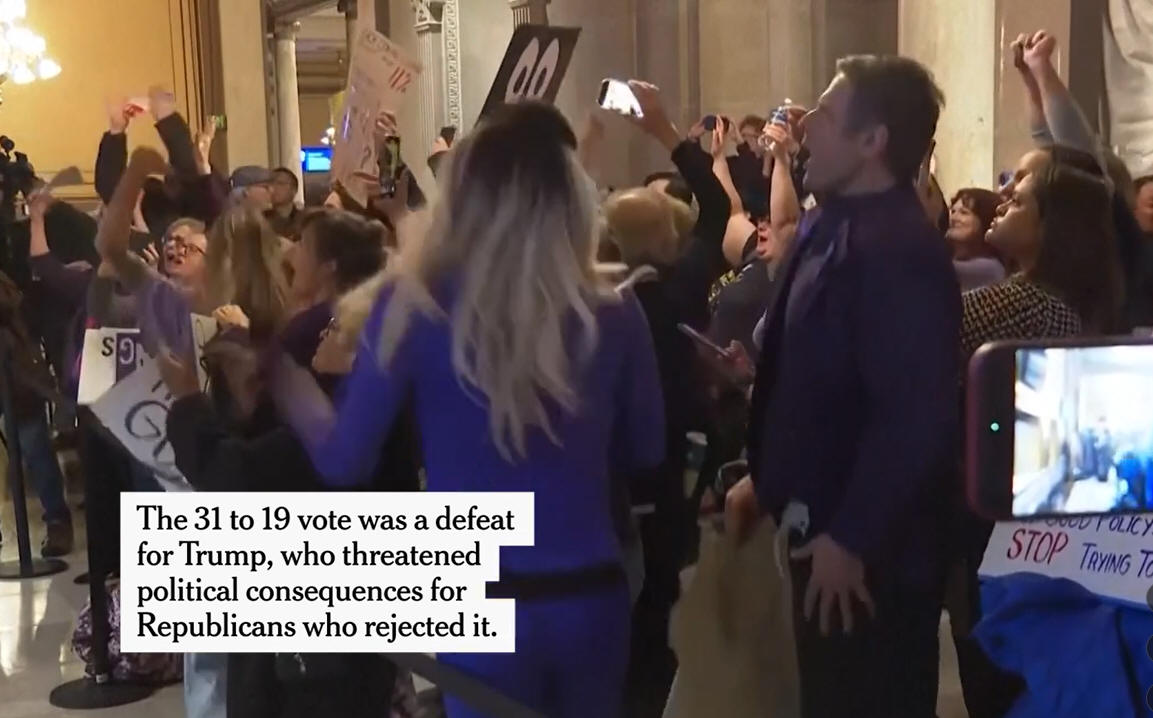
On Tuesday night, sky watchers across the U.S. were treated to a phenomenal aurora display, the product of a severe geomagnetic storm triggered by a recent burst of solar activity.

Auroras were visible in areas that included Indiana, New Jersey, northern California, Florida, and Texas. That is remarkably far south for the northern lights, or aurora borealis, which are typically restricted to a doughnut surrounding the North Pole.

The southern lights, or aurora australis, were also visible in parts of Australia.

According to the National Oceanic and Atmospheric Administration’s Space Weather Prediction Center, which forecasts the effects of solar activity on Earth and its surroundings, geomagnetic storm conditions are expected to continue at a somewhat lower level.

And the event isn’t over yet. Auroras occur after the sun emits what scientists call a coronal mass ejection, or CME, in the direction of Earth. A CME is essentially a blob of the plasma and magnetic field that makes up our star. When this material interacts with the gases in Earth’s atmosphere, the resulting energy transfers light up the skies.

Last night’s auroras were the result of CMEs released on Sunday and Monday, but Tuesday also saw such an outburst from the sun, and experts expect it will reach Earth in the coming hours. An initial aurora forecast for tonight suggests the spectacle could continue tonight only for a more northern portion of the country.

Auroras are part of a class of phenomena dubbed space weather and are both the prettiest and the least harmful example. Other types of space weather can be dangerous to technology in orbit and even to the power grids that sustain modern life on Earth. And the current space weather activity has had a perhaps surprising side effect: delaying today’s scheduled launch of a Blue Origin rocket that will carry a pair of NASA spacecraft bound to study space weather at Mars.

Whether or not you were able to catch sight of an aurora, consider submitting your observations to the volunteer science project Aurorasaurus. Through this program, scientists and sky watchers team up to understand the what the effects of specific space weather events are, as well as how auroras work more generally.

.

https://static.scientificamerican.com/dam/m/6bcf796471bac337/original/GettyImages-2246283882_web.jpeg?m=1762963853.668&w=900

The aurora borealis glows above rural Monroe County near Bloomington, Ind., on November 12, 2025.  Jeremy Hogan/Getty Images

.

.

Click the link below for the complete article:

https://www.scientificamerican.com/article/northern-lights-dazzle-u-s-skies-after-powerful-solar-storm/?_gl=1*tar8bc*_up*MQ..*_ga*NDMwMjYwNTYxLjE3NjM2OTkwMzM.*_ga_0P6ZGEWQVE*czE3NjM2OTkwMzIkbzEkZzAkdDE3NjM2OTkwMzIkajYwJGwwJGgw

.

__________________________________________

10 Habits That Will Completely Transform Your Life and Business in 2026

1 Comment

Click the link below the picture

.

The best habits aren’t about optimization. They’re about sustainability, resilience and showing up as the healthiest, happiest version of you

Last year, I shared 9 Habits to help you better succeed in business, life and relationships, and many of you wrote to tell me how small shifts completely changed your energy, focus and confidence. This year, I’m taking it a step further.

In 2026, the goal isn’t nonstop improvement. It’s building sustainability, resilience and a healthier, happier, more productive you. Over the past year, I’ve deepened many of these routines and noticed more energy, strength and joy.

At 49, I’m the healthiest and fittest I’ve ever been, and that says a lot coming from someone who used to race triathlons and Ironman.

1. Strength-train four times per week

Muscle is longevity currency. It supports your metabolism, hormones and confidence. As we age, resistance training is the single most effective way to stay strong, mobile and injury-free. Muscle also keeps your metabolism active, your hormones balanced, and your body resilient as you age.

You can get started on an app such as Peloton or Ladder, or if you have the means, invest in a trainer who fits your goals and lifestyle. Schedule your strength training the way you schedule important calls: non-negotiable.

2. Go Zone 5 heart rate once per week

Dr. Stacy Sims calls high-intensity training “brain fertilizer.” Pushing into Zone 5 (that super hard exertion effort that makes you breathless) improves cognition, bone density and mitochondrial function.

It teaches your body and mind to handle stress, including the stress that we as founders and leaders face daily. Sprint run, bike, ski-erg, or swing a kettlebell — just hit that threshold at least once per week. (Spoiler: You feel amazing afterwards.)

3. Walk 30 minutes every day

Over 50% of adults in America spend about 9.5 hours per day sitting, and roughly 25% report no leisure-time physical activity outside their jobs. Walking is the most underrated productivity tool there is. It supports creativity, clears your mind, improves digestion, circulation and overall mood.

Many of my best ideas happen mid-walk, not mid-meeting. Swap one Zoom for a walking meeting or pace while on calls. In their recent book, Built To Move: The Ten Essential Habits to Help You Move Freely and Live Fully, Kelly and Juliet Starrett explain: “Walking gets everything flowing in our body. It’s how we nourish all our tissues, how we decongest, how we stimulate the body to release waste.”

4. Protect your sleep like revenue

Sleep is the original performance enhancer. Seven to eight hours nightly fuels decision-making, emotional regulation and productivity. If you skip quality sleep, you’re essentially showing up jet-lagged to your work, your family and your health. Build a down-regulating evening routine and treat bedtime like a standing appointment with your future self.

.

Great Habits

.

.

Click the link below for the complete article:

https://www.entrepreneur.com/living/upgrade-yourself-in-2026-with-these-10-business-backed/498597

.

__________________________________________
Congressional Republicans Begin to Look Beyond Trump

Leave a comment

Click the link below the picture

.

President Trump has always defied the laws of political gravity, seemingly impervious to setbacks that would sink any other figure and immune from the traditional ebb and flow of campaign cycles.

But his capitulation in the fight over releasing the Epstein files, and other recent developments, suggest that, when it comes to Congress, the president is subject to at least some of the same currents as his predecessors, as the first signs of his lame duck status emerge.

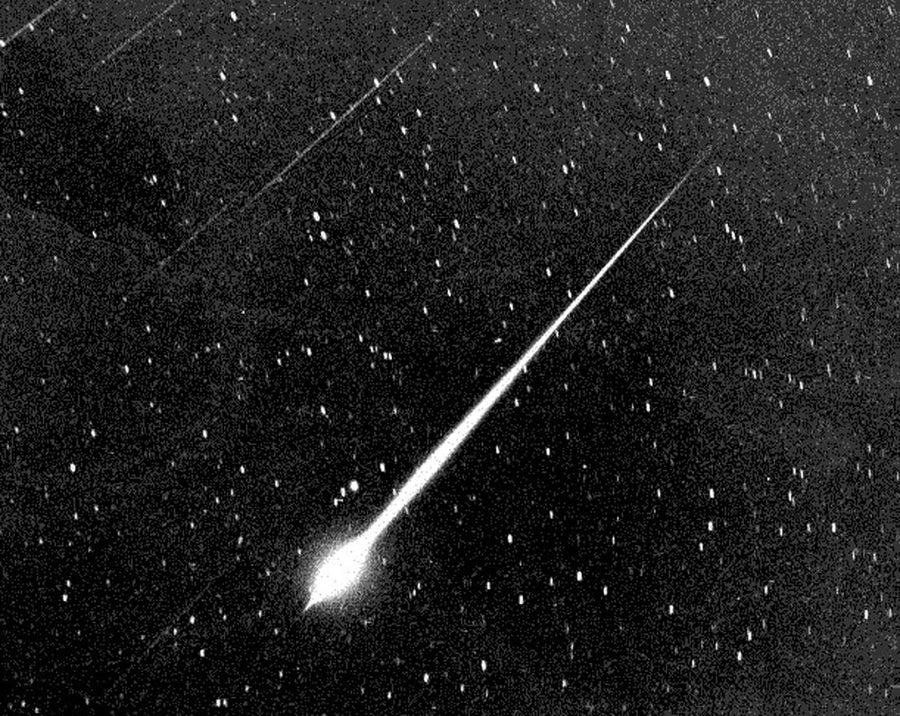
The willingness of congressional Republicans to defy Mr. Trump and back legislation requiring the disclosure of federal files on Jeffrey Epstein, the convicted sex offender and one-time Trump friend, was the clearest evidence yet that G.O.P. lawmakers are starting to look beyond Mr. Trump’s tenure to their self-preservation in midterm elections next year.

There are other signs as well, notably the refusal by Senate Republicans to bow to Mr. Trump’s demand to gut the filibuster during the shutdown fight, and resistance in some states to his intense push to redraw House district maps to cement the G.O.P.’s hold and prevent a Democratic takeover that would imperil the president.

Mr. Trump’s previously ironclad grip on the Republican Congress might even be weakening earlier than usual, before the more typical loss of power by a sitting president following midterm elections. Republicans are reacting in real time to the drubbing their party took in off-year elections earlier this month, defeats that were much worse than anticipated.

Polling also shows Mr. Trump and his party in a weakened state on a number of fronts headed into a 2026 election cycle that will determine control of Congress, with Americans citing rising costs and a dour view of the economy that Mr. Trump had pledged to fix to their benefit.

The president continues to hold an outsized grip on his party given his massive popularity with his far-right base, and observers are quick to caution that his political strength has survived through many episodes when it had appeared to be waning.

But even Republicans concede that there is a shift underway that was probably inevitable, given the history of presidential power and the rapidity with which it can dissipate.

“He’d be the outlier if it didn’t happen,” said Senator Kevin Cramer, Republican of North Dakota. “The closer you get to the midterms and then beyond, everybody is measuring their own state or congressional district, and maybe people are a little more independent.”

Representative Thomas Massie, the Kentucky Republican who forced the Epstein vote in the face of political threats and caustic personal attacks from the president, perhaps said it most succinctly as he warned his colleagues about the risks of standing with the president at all costs.

“The record of this vote will last longer than Donald Trump’s presidency,” Mr. Massie said on ABC’s “This Week,” reminding his colleagues that they should avoid putting themselves in the posture of agreeing “to protect pedophiles,” as he put it, because Mr. Trump insisted they do so.

Scores of them took heed as approval of Mr. Massie’s Epstein legislation became a certainty, and Mr. Trump found himself forced to back the legislation at the last minute rather than suffer a mortifying defeat and look even weaker.

.

https://static01.nyt.com/images/2025/11/20/multimedia/20DC-ASSESS-top-bvlg/20DC-ASSESS-top-bvlg-superJumbo.jpg?quality=75&auto=webpTierney L. Cross/The New York Times

.

.

Click the link below for the complete article:

https://www.nytimes.com/2025/11/20/us/politics/congressional-republicans-trump-midterms.html

.

__________________________________________

Archaeologists Uncover a Monumental Ancient Maya Map of the Cosmos

2 Comments

Click the link below the picture

.

Finding the oldest Maya site ever documented was only the beginning of archaeologist Takeshi Inomata’s discoveries. After locating the Aguada Fénix site buried in the jungle of southern Mexico in 2017, Inomata and his team began digging downward and uncovered a massive cross-shaped pit.

Inside the pit were pigments of blue azurite to the north, green malachite to the east and yellow ochre to the south, as well as marine shells interspersed with axe-shaped clay offerings to the west, says Inomata, a researcher at the University of Arizona. Later, the team realized that the cross-shaped pit was aligned with giant canals that extended toward the four cardinal directions.

The cross and the canals, Inomata says, form a cosmogram—a monumental map of the universe etched into the landscape. Cosmograms were used by Mesoamerican civilizations to represent their understanding and cultural relationship with the cosmos. Inomata says that his and his colleagues’ findings, published on Wednesday in Science Advances, challenge long-held assumptions about the social order of the ancient Maya and the reasons behind their architectural achievements.

For decades, archaeologists theorized that the monumental architecture built by the Maya civilization, such as pyramids and other ceremonial centers, arose after ancient Maya hierarchy began to emerge around 350 B.C.E. and was the product of powerful rulers who commanded labor and controlled resources. (This social scale consisted of four distinct classes, with slaves and commoners in the two lowest tiers and priests and nobility at the top.) Earlier Maya communities, by contrast, were assumed to live in small villages with modest ceremonial structures.

Aguada Fénix covers a nearly nine-by-7.5-kilometer area, making it one of the largest ancient constructions in all of Mesoamerica. After its discovery in 2017, the team found that the site dated from between 1000 and 800 B.C.E., long before Maya hierarchies had developed. “The question was ‘Why was it built?’” Inomata says.

To find answers, he and his team combined lidar (light detection and ranging) technology with excavations conducted between 2020 and 2024. From above, they found a pattern of raised causeways, carved corridors and canals that formed nested crosses, all oriented along north-south and east-west axes. At the center of this pattern lay a rectangular plateau and a plaza consisting of structures arranged in what is called an E Group, a ceremonial layout found across Mesoamerica and associated with astronomical observations. Beneath it, the team found the cross with the colored pigments. Radiocarbon dating placed the year of the ritual deposit as around 900 B.C.E.

The researchers also documented a network of canals and a dam that extended westward from the main plateau; these features were likely designed to channel water from a nearby lake. Though the hydraulic system appears unfinished, its monumental scale suggests an extraordinary level of coordination for its construction, Inomata says.

Because the canals served no practical purpose, the archaeologists thought they might have been built for ritual use. The team also found no palaces, royal tombs or elite residences at the site. Along with the evidence found inside the pit, this suggests that Aguada Fénix may have been a gathering place where dispersed communities came together seasonally for rituals, ceremonies and feasts. Instead of orders from a ruling class, “religion was very important and motivated people to do this huge work,” Inomata says.

Within the archaeological community, there is broad debate about what defines a cosmogram, says archaeologist Oswaldo Chinchilla of Yale University, who was not involved with the research. Some archaeologists, including Chinchilla, believe “the term has been somewhat overused,” he says, because it has often been applied to precolonization sites with limited evidence. The case of Aguada Fénix is different, however, given that “the evidence is strong.”

The use of pigments and the alignment of ceremonial centers with the sunrise and sunset are elements that are strongly tied to Maya religion and cosmology, something that endures today among Maya communities that still live in Mexico and Central America, Chinchilla says.

“Based on what we know of Mesoamerican science and religion, the cruciform pit would have anchored everything to the cosmos,” says archaeologist David Stuart of the University of Texas at Austin, who also was not involved with the study. “It helped to make it a sacred space for the community that built it.”

Like Inomata and Chinchilla, Stuart proposes that the underground offerings placed around the pit “work as a metaphorical planting, activating the space, which amounted to a cosmic stage,” perhaps for communal gatherings and performances.

For Inomata, the new evidence is a reminder that social hierarchies are not always necessary when a goal serves the common good, such as by allowing for collective ritual. “This is a remarkable achievement of the [Maya] people who still live there,” he says.

.

https://static.scientificamerican.com/dam/m/ba6c63f7a1dc37c/original/Cruciform-cache-after-excavation-Cache-NR10-11-Photo-by-Inomata.jpg?m=1762366805.872&w=900

A cross-shaped pit found at the Aguada Fénix site in Mexico after excavation.  Takeshi Inomata

.

.

Click the link below for the complete article:

https://www.scientificamerican.com/article/archaeologists-uncover-a-monumental-ancient-maya-map-of-the-cosmos/

.

__________________________________________

Uncommon Knowledge: On Epstein, Trump Has a Biden-Era Escape Hatch

Leave a comment

Click the link below the picture

.

A narrow procedural crowbar pried open the House of Representatives this week. The tool was a discharge petition—historically, very rarely successful—that helped force a 427–1 vote on the “Epstein Files Transparency Act,” and the Senate agreed to speed it to President Donald Trump, who so far has said he’d sign it.

But the “new” Epstein transparency process has an escape hatch built on Biden-era logic. The bill Trump has backed outlaws redactions for political embarrassment—but echoes the very clause Joe Biden’s Justice Department relied on to keep Epstein records sealed. If disclosure would “jeopardize an active Federal investigation,” Justice can temporarily, narrowly hold material back. On November 14, Trump said he’d ask DOJ to probe Epstein’s ties to various high-profile figures, and Attorney General Pam Bondi said she’d assigned a U.S. attorney to lead a federal investigation. That gives DOJ an “ongoing investigation” rationale.

Whatever Trump’s critics say, that isn’t a loophole invented this week; it’s the same rationale the Biden-era DOJ cited in 2022 under FOIA Exemption 7(A) to protect an “ongoing criminal investigation of Jeffrey Epstein and others.”

In other words, Congress promised sunlight on a 30-day clock while inadvertently or otherwise reaffirming the old, court-tested carve-outs for victim privacy and live cases—the very exemptions that kept much of this material dark under Biden.

Common Knowledge

Democrats cast the vote as a victory for transparency. “We will pass the House’s bill without changes, without delay and we will finally get this done,” said Senate Democratic leader Chuck Schumer.

Ro Khanna, the California Democrat who co-led the discharge petition with libertarian-leaning Republican Thomas Massie, pitched the release as a moral necessity: “A nation that cannot hold accountable rich and powerful men who have abused young girls is a nation that has lost its moral and spiritual bearings.”

On the right, Speaker Mike Johnson has cautiously framed himself as pro-transparency. “It’s not a reversal,” he said, but warned that forcing disclosures in 30 days is “incredibly dangerous” given classification and victim-privacy concerns.

National Review’s editors called the latest Democratic-released emails “embarrassing” for Trump but said they contain “no smoking gun,” urging “maximal transparency” overseen by judges rather than a “willy-nilly, politicized push.”

Trump has simply insisted: “We have nothing to hide.”

Republican Representative Clay Higgins—the lone “no”—warned the bill “reveals and injures thousands of innocent people … witnesses, people who provided alibis, family members.”

Uncommon Knowledge

What Congress just advanced is a transparency mandate with the same brakes. The act compels the attorney general to publish, within 30 days, “all unclassified records, documents, communications, and investigative materials” related to Epstein and Ghislaine Maxwell—flight logs, immunity deals, internal DOJ communications, and records on Epstein’s detention and death. It also orders DOJ, after publication, to provide Congress a non-redacted list of every government official, public figure, or foreign dignitary named in the materials. And it bars withholding for “embarrassment, reputational harm, or political sensitivity.”

However, it explicitly permits narrowly tailored, temporary redactions where disclosure “would jeopardize an active Federal investigation or ongoing Federal prosecution.” It likewise shields child-exploitation imagery, certain victim identifiers, depictions of abuse, and properly classified national-security information. For each redaction, DOJ must file a written justification in the Federal Register and “declassify to the maximum extent possible,” or at least publish an unclassified summary. This framework unmistakably mirrors what Biden’s DOJ already told a court: that it was withholding Epstein-related materials under FOIA’s Exemption 7(A) to avoid harming an “ongoing criminal investigation of Jeffrey Epstein and others,” including potential co-conspirators. The politics have reversed; the doctrine is the same.

Survivors and their allies pressed Congress not to add new caveats; obliged with a clean, fast Senate pathway. Yet the decisive arena now shifts to DOJ, where line attorneys will comb each page, draft Federal Register justifications, and decide how expansively to read “jeopardize an active investigation.” And because the act requires DOJ to transmit the names list to Congress (not necessarily to post it online), many revelations may first surface via hearings, subpoenas, or selective leaks rather than a single, neatly indexed website drop.

Whether this is deliberate strategy or circumstance is not known. But did Democrats “play the same game” under Biden that Trump’s Justice Department can now play? In a narrow, legal sense: yes. The Biden DOJ told a court it was withholding Epstein records because related investigations and potential prosecutions remained active; the new statute explicitly allows similar withholdings. Bureaucracy, then as now, is where the battle ahead may be fought.

.

https://assets.newsweek.com/wp-content/uploads/2025/11/GettyImages-2246197693.jpg?w=1600&quality=75&webp=1President Donald Trump aboard Air Force One on November 14, 2025. | Roberto Schmidt/Getty Images

.

.

Click the link below for the complete article:

https://www.newsweek.com/uncommon-knowledge-epstein-files-trump-biden-11072278

.

__________________________________________

Need Vegan Thanksgiving Dishes? These Will Wow Everyone.

Leave a comment

Click the link below the picture

.

My early Thanksgivings were a cross-cultural hodgepodge: boxed stuffing and canned cranberries sat on the table alongside pav bhaji and lemon rice. My Indian immigrant parents didn’t want us to miss out on American celebrations, but they also couldn’t wrap their heads around eating so much beige food devoid of spice.

By the time I was 16 years old, though, I had fallen in love with cooking thanks to a daily after-school dose of the Food Network, so I eagerly volunteered to cook a “traditional” feast for my family and my best friend’s family. They lived a street away, and though they weren’t related to us by blood, we called each other’s mothers “auntie,” and we always celebrated special occasions together.

When my friend and I took over the menu, we added every decadent dish our adolescent brains could dream of, from marshmallow sweet potatoes to triple-dairy mashed potatoes. After spending 12 hours in our mothers’ aprons, we lined up our masterpieces on her family’s kitchen counter, giddily drinking in the oohs and aahs of our siblings and parents.

When I went vegan in my late 20s, I assumed these indulgent feasts would be a thing of the past. But as I looked back on my favorite dishes — green beans with caramelized shallots, warm roasted vegetable salad, butternut squash gratin — I realized the most delicious things on the table were always vegetables.

When vegetables are treated with care, they don’t need to be in a supporting role. They are the feast. Over the last decade, I’ve learned a few more tricks to make vegetables dazzle, all without using dairy or meat.

The recipes below bring the abundance of Thanksgiving to the wide world of vegetables and offer tricks that apply to any produce you want to prepare for the big day. The only thing you need to add to this mix of warming richness and bright freshness are the people you love the most.

Golden at the edges, custardy soft in the middle, this savory bread pudding pairs herbs with maple-caramelized leeks for an irresistible alternative to stuffing. Plus, it can be assembled ahead of time for a stress-free showstopper.

Takeaway Technique: Cooking vegetables down until they’re meltingly sweet is always a winning method.

Sweet-salty roasted squash and crispy chickpeas atop a bed of tangy, Middle Eastern-inspired mint pesto create a holiday-worthy platter full of texture and color. It’s elegant yet surprisingly easy to make.

Takeaway Technique: Crisp toppings make any dish more satisfying. Roasting chickpeas and toasting nuts are simple ways to add crunch.

This stovetop braise transforms fibrous fennel into meltingly tender silkiness. Layering it with zippy orange, creamy beans, briny olives, and earthy walnuts makes for a surprisingly hearty dish. With only seven ingredients, it delivers restaurant-quality complexity without taking up precious oven space.

Takeaway Technique: Small touches like citrus zest, fresh herbs, and olives can make vegetables shine without much effort.

.

https://static01.nyt.com/images/2025/11/18/multimedia/18FD-VEGAN-SIDES-TG-topart-group-clkb/18FD-VEGAN-SIDES-TG-topart-group-clkb-superJumbo.jpg?format=pjpg&quality=75&auto=webp&disable=upscale

When vegetables dishes taste this good, they are the feast. Credit…Ryan Liebe for The New York Times. Food Stylist: Barrett Washburne. Prop Stylist: Megan Hedgpeth.

.

.

Click the link below for the complete article:

https://cooking.nytimes.com/article/vegan-thanksgiving-menu

.

__________________________________________

Why Drugs Like Ozempic Can Make People Drink Less Alcohol

Leave a comment

Click the link below the picture

.

Some people taking popular new diabetes and weight-loss drugs, including Ozempic, Wegovy, Zepbound, and Mounjaro, have reported reduced cravings for substances besides food. The medications seem to dampen the effects of drugs ranging from nicotine to alcohol, but scientists haven’t been able to fully figure out why.

A recent preliminary study in Scientific Reports offers clues to how the new class of drugs may make people drink less alcohol—and feel less drunk when they do. The study authors suggest that understanding the drugs’ mechanism in the entire body—not just the brain—could open up avenues for treating alcohol use disorder.

“There’s a lot of action in the brain, but what we were trying to argue in our paper is that there also is probably action in the gut,” says study co-author Alex DiFeliceantonio, an appetitive neuroscientist at Virginia Tech. “We need to look at both to really fully understand how these drugs are working to reduce the intake of substances with abuse liability.”

The drugs promote the release of insulin and ma

ke people feel full by mimicking the natural gut hormone glucagon-like peptide 1 (GLP-1). Scientists largely agree that the primary way GLP-1 drugs cause weight loss is through their effects on feelings of satiety in the brain—causing people to feel full faster and ultimately eat smaller meals. Past evidence suggests the brain’s pleasure and satiety pathways overlap, which has spurred researchers to propose that the GLP-1 drugs may be also quieting reward signals key in certain addictive behaviors, such as drinking alcohol.

But the drugs also cause a physiological reaction in the gut: they slow down the movement of food and liquids from the stomach into the small intestine, a process known as gastric emptying.

People taking these drugs “can’t eat quite as much, because the food is staying in their stomach longer,” DiFeliceantonio says. “The interesting thing about alcohol is it is not well absorbed in the stomach. It needs to empty into the intestine to be absorbed and for you to feel the effects.”

If the GLP-1 drugs delay gastric emptying, alcohol may take longer to reach the brain. “We know that slowing down a drug makes it less rewarding,” DiFeliceantonio says—and reducing reward may help treat addiction. “The substance matters, yes, but the speed at which it gets to your brain also matters,” she says.

DiFeliceantonio and her colleagues set out to test this hypothesis. In a makeshift bar in their lab, they gave vodka mixed in orange or cranberry juice to 10 people who were taking one of the GLP-1 medications for weight loss and a similar number of people in a control group. None of the participants had alcohol use disorder. In the span of an hour, all participants drank three vodka doses, calculated based on their body size, to increase their breath alcohol content (BrAC) to 0.08 percent. This is equivalent to a blood alcohol content (BAC) of 0.1 percent, past the legal limit for driving in the U.S.

The researchers surveyed the participants about how drunk they felt and took several breath alcohol measurements over four hours, or until the participants’ BrAC levels dropped below 0.02 percent.

“What we found was that, especially in the first 20 to 30 minutes after drinking the alcohol, there was a lower breath alcohol content in the group taking a GLP-1 receptor agonist, and they reported that they felt less drunk,” DiFeliceantonio says. All the participants reached similar BrAC levels after about an hour, but slowing the alcohol’s effect on the brain made people feel less intoxicated, she says.

Neither changes in blood glucose nor nausea (a common side effect of GLP-1 medications) explained how intoxicated people felt, the researchers found.

The study has several limitations. The sample size was small, and different participants were taking different weight-loss medications, which act on different gut hormone receptors or are prescribed at varying dosages. Ideally, in drug studies, researchers would keep the medication and dose consistent, but this study is a good start, says Carolina Haass-Koffler, an addiction researcher and associate professor of psychiatry at Brown University, who was not involved in the study.

“Alcohol use disorder is a complex, systemic disease and involves not only brain dysfunction but also a metabolic component,” Haass-Koffler says. “I really like the integration of the whole-body concept in this study.”

She notes, however, that introducing GLP-1 medications to a new population requires careful evaluation of the risks and benefits. “Safety data are out there for people with diabetes and now people taking the medication for obesity,” but the clinical presentation could be completely different in people with alcohol use disorder, Haass-Koffler says. DiFeliceantonio wouldn’t recommend GLP-1 drugs as future frontline treatments for someone with alcohol use disorder who is underweight.

Randomized controlled trials of these drugs have shown some promise in treating alcoholism. A 2022 clinical trial found that the early-generation GLP-1 medication exenatide lowered alcohol cravings in people with alcohol use disorder, and another trial published in February found that people with obesity and alcohol use disorder drank less when treated with semaglutide, the generic name for Wegovy and Ozempic.

“It seems like a really small thing, to just slow down [alcohol reaching the brain] a little,” DiFeliceantonio says. “From this study, we can’t definitively say this is the reason that people taking GLP-1 medications drink less, but it’s adding to this body of evidence of what the mechanism is.”

.

https://static.scientificamerican.com/dam/m/7b242ebd98b8675/original/GettyImages-1695404637_alcohol.jpg?m=1762379680.388&w=900Maria Korneeva/Getty Images

.

.

Click the link below for the complete article:

https://www.scientificamerican.com/article/ozempic-and-wegovy-may-slow-alcohol-absorption-and-intoxication/

.

__________________________________________

The Best Bread for Stuffing, According to Chefs

Leave a comment

From

Click the link below the picture

.

The ultimate holiday spread isn’t complete without a giant bowl of stuffing — “or dressing, as we call it in the South,” says Christian Gill, chef and social media and culinary content manager at Spiceology. “If you’re not stuffing the bird, it’s dressing.”

Regardless of what you call it, an exceptional version of this Thanksgiving side starts with your base, so we asked chefs to share their favorite breads for optimal flavor and toasty-tender texture. From tangy sourdough to buttery brioche, here’s what to grab at the store — or make yourself, if you’re an overachiever. 

Best overall: sourdough 

This slightly acidic, supremely versatile loaf is a favorite among chefs for its complex flavor and robust structure. “For me, sourdough is the best bread for stuffing — the sturdy, chewy crumb soaks up broth without getting soggy, while its tangy flavor adds a depth you don’t get from plain white bread,” says Justin Ferrera, executive sous chef at Fleeting in Savannah, Georgia.

Gabrielle Quiñónez Denton, a 2014 F&W Best New Chef and chef and co-owner of Ox Restaurant in Portland, Oregon, echoes that sentiment. “I love the tangy flavor that it brings to what is traditionally a rich dish, and that bit of chew keeps it from disintegrating into mush when stock is added,” echoes. 

To make a stuffing that’s even more “layered and exciting,” try blending sourdough with another bread, suggests Rosie Mitchell, culinary director at Calamigos Guest Ranch in Malibu, California. “Sometimes I’ll mix in a little brioche or challah with the sourdough for extra richness, or even rye if I want a deeper, earthier flavor,” she explains.

There’s a lot of room to experiment with the mix-ins, too: “While sourdough lends itself to most flavor combinations, my preferred stuffing additions are fresh sage fried in butter, melty leeks, crumbled breakfast sausage, and plenty of celery,” says Denton. Freshly grated lemon zest or chopped dried fruit like apricots “can brighten things up too if you want balance,” adds Mitchell.

Tip: Cube or tear your loaf

“Consistent sizing ensures even cooking and predictable absorption across the pan,” explains Gill, who favors uniform cubes. Mitchell prefers tearing her loaf by hand to create greater textural interest: “Those uneven edges toast up differently, so you get some soft, custardy bites and some golden, crispy ones,” she says.

Best for a rich stuffing: brioche

Fluffy brioche enriched with butter and egg isn’t just for sweets like French toast or bread pudding — it also produces a deliciously decadent stuffing. “[Brioche] adds a rich, slightly sweet depth that other breads just can’t match,” says Sam Hazen, executive chef at Palladino’s Steak & Seafood in New York City. “The flavor is luxurious, and it brings a soft, tender texture that really elevates the stuffing into something special.” Potato buns, which are “soft, slightly sweet, and toast up nicely while maintaining great structure,” can work as well, he notes.

Hazen advises using a fresh (rather than stale) loaf, sliced and toasted to deepen its flavor and firm up its texture. Hazen also skips the traditional casserole dish in favor of a more memorable presentation: “One of my favorite tricks is to bake the stuffing in a loaf pan so I can slice it into thick, hearty pieces that pair beautifully with whatever protein I’m serving,” he says. 

.

https://www.foodandwine.com/thmb/aViZ5LyHrxjrZRRVFBX1k-dDFeA=/750x0/filters:no_upscale():max_bytes(150000):strip_icc()/Best-Bread-for-stuffing-FT-DGTL1125-Hero-6f65b3634e34439abce8f49c3a621bb3.jpgCredit:  Food & Wine / Getty Images

.

.

Click the link below for the complete article:

https://www.foodandwine.com/best-bread-for-stuffing-11848425

.

__________________________________________

Older Entries Newer Entries

MRS. T’S CORNER

https://www.tangietwoods

Adam Rogers - Comedian

Finding The Funny in Life’s Everyday Chaos

Global geopolitics

Decoding Power. Defying Narratives.

Talk Photo

A creative collaboration introducing the art of nature and nature's art.

Movie Burner Entertainment

The Home Of Entertainment News, Reviews and Reactions

Le Notti di Agarthi

Hollow Earth Society

C r i s t i a n a' s Fine Arts ⛄️

•Whenever you are confronted with an opponent, conquer him with love.(Gandhi)

TradingClubsMan

Algotrader at TRADING-CLUBS.COM

Comedy FESTIVAL

Film and Writing Festival for Comedy. Showcasing best of comedy short films at the FEEDBACK Film Festival. Plus, showcasing best of comedy novels, short stories, poems, screenplays (TV, short, feature) at the festival performed by professional actors.

Bonnywood Manor

Peace. Tranquility. Insanity.

Warum ich Rad fahre

Take a ride on the wild side

Madame-Radio

Découvre des musiques prometteuses dans la sphère musicale française (principalement, mais pas que...).

Ir de Compras Online

No tiene que Ser una Pesadilla.

Kana's Chronicles

Life in Kana-text (er... CONtext)

Cross-Border Currents

Tracking money, power, and meaning across borders.

Jam Writes

Where feelings meet metaphors and make questionable choices.

emotionalpeace

Finding hope and peace through writing, art, photography, and faith in Jesus.

WearingTwoGowns.COM

MOVING FORWARD...That's how WINNING is done!”-Rocky Balboa

...

love each other like you're the lyric to their music

Luca nel laboratorio di Dexter

Comprendere il mondo per cambiarlo.

Tales from a Mid-Lifer

Mid-Life Ponderings

Hunza

Travel,Tourism, precious story "Now in hundreds of languages for you."

freedomdailywriting

I speak the honest truth. I share my honest opinions. I share my thoughts. A platform to grow and get surprised.

The Green Stars Project

User-generated ratings for ethical consumerism

Cherryl's Blog

Travel and Lifestyle Blog

Sogni e poesie di una donna qualunque

Questo è un piccolo angolo di poesie, canzoni, immagini, video che raccontano le nostre emozioni

My Awesome Blog

“Log your journey to success.” “Where goals turn into progress.”

pierobarbato.com

scrivo per dare forma ai silenzi e anima alle storie che il mondo dimentica.

Thinkbigwithbukonla

“Dream deeper. Believe bolder. Live transformed.”

Vichar Darshanam

Vichar, Motivation, Kadwi Baat ( विचार दर्शनम्)

Komfort bad heizung

Traum zur Realität

Chic Bites and Flights

Savor. Style. See the world.

ومضات في تطوير الذات

معا نحو النجاح

Broker True Ratings

Best Forex Broker Ratings & Reviews

Blog by ThE NoThInG DrOnEs

art, writing and music by James McFarlane and other musicians

fauxcroft

living life in conscious reality

Srikanth’s poetry

Freelance poetry writing

JupiterPlanet

Peace 🕊️ | Spiritual 🌠 | 📚 Non-fiction | Motivation🔥 | Self-Love💕

Sehnsuchtsbummler

Reiseberichte & Naturfotografie

Spotlight Choices

astrology - life coaching - optimistic reality

INFINITE ENERGY

"قوتك تبدأ من هنا"