November 1, 2023
Mohenjo
Business, Human Interest, Political, Science, Technical
amazon, business, Business News, current-events, Future, Hotels, human-rights, medicine, mental-health, research, Science, Science News, technology, Technology News, travel, vacation

Click the link below the picture
.
For several months now, I’ve been studying how the new medications, Ozempic and Wegovy, cause dramatic weight loss.
Both medications contain a compound, semaglutide, that squelches hunger like a fly swatter smashes a mosquito. People who take the medication say they no longer have constant cravings for food, so they eat less frequently. The drug seems to quiet what some people call “food noise,” the constant internal chatter telling them to eat.
While reading study after study about Wevgovy and Ozempic, I learned that the drug mimics a hormone that our bodies naturally make when we’re eating food. It’s called GLP-1. This made me wonder: Could we increase levels of this hormone by changing our diet?
Turns out, the answer is yes – you can increase your body’s production of GLP-1 with your diet, says Frank Duca, who studies metabolic diseases at the University of Arizona. One of the key foods that triggers its release is a food most Americans struggle to eat enough of, even though it comes with a cornucopia of health benefits. Yup, I’m talking about fiber.
“Whenever my family finds out that I’m studying obesity or diabetes, they say, ‘Oh, what’s the wonder drug? What do I need to take? What do I need to do?'” Duca explains. “And I say, ‘Eat more fiber.’ “
But here’s the hitch. Not all fiber works the same way. Duca and other researchers are beginning to show that particular types of fibers are more potent at triggering GLP-1 release and at regulating hunger than others. “We’re seeing now that companies are adding fiber to foods, but a lot of the time, they don’t add the kind of fiber that’s super beneficial for you,” Duca says.
How GLP-1 helps flip hunger into satisfaction
To understand why fiber is so important for producing GLP-1, let’s look at what happens when you don’t eat much fiber. Let’s say you wake up in the morning feeling hungry, and you eat two slices of white bread and a fried egg. As the digested food moves into the small intestine, many of the nutrients, such as the carbohydrates, fats, and amino acids, trigger an avalanche of activity in your blood and brain.
.

A fiber found in barley, called beta-glucan, may improve insulin sensitivity, lower blood pressure, and increase satiation between meals, research shows. LauriPatterson/Getty Images
.
.
Click the link below for the article:
.
__________________________________________
November 1, 2023
Mohenjo
Business, Food For Thought, Human Interest, Political, Science, Technical
amazon, business, Business News, current-events, Future, Hotels, human-rights, medicine, mental-health, research, Science, Science News, technology, Technology News, travel, vacation

Click the link below the picture
.
Many sleep experts take a dim view of using the snooze button in the morning. Setting serial alarms beginning earlier than you need to get up, rather than sleeping straight through until a single alarm, may prematurely pull you out of deep, restorative sleep, the thinking goes. And if you’re snoozing beyond the time you actually meant to get out of bed, that may be a signal that you’re not getting enough rest at night, says Philip Cheng, a sleep expert at Henry Ford Health.
But when Stephen Mattingly—a serial snoozer who completed his Ph.D. in cognition at the University of Notre Dame and then became a postdoctoral researcher at the university—turned to the scientific literature to see if the data backed up those warnings, he couldn’t find much.
Previous studies had found that fragmented sleep at night is worse than short but uninterrupted sleep, and, more positively, that napping may reverse some of the damage associated with sleep deprivation (and potentially also improve heart health). But neither nighttime slumber nor daytime napping is exactly the same as snoozing first thing in the morning.
Some of the only snoozing-specific research Mattingly could find linked snooze-button use to increased chances of lucid dreaming, but he was more interested in the day-to-day health effects of the habit. So he designed a study using both survey and wearable-device data to assess the science of snoozing.
The results, published in the journal Sleep in 2022, suggested that snoozers didn’t sleep less overall or report feeling more fatigued throughout the day than people who got up after one alarm. Snoozers did, however, tend to experience lighter sleep, especially in the hour before waking, and had elevated resting heart rates relative to non-snoozers—results that suggest their stress responses kicked into gear before waking.
That may sound like a bad thing, but the body has a stress system for a reason, Mattingly says. In this context, he says, it may help shake off “sleep inertia,” or the grogginess many people feel after waking, and promote alertness and cognitive function.
.
 Getty Images
.
.
Click the link below for the article:
.
__________________________________________
October 31, 2023
Mohenjo
Business, Food For Thought, Human Interest, Political, Science, Technical
amazon, business, Business News, current-events, Future, Hotels, human-rights, medicine, mental-health, research, Science, Science News, technology, Technology News, travel, vacation

Click the link below the picture
.
Despite the time-honored wisdom that we should visit a dentist for a checkup and cleaning every six months, many of us just … don’t. According to the CDC, around 35% of Americans have not visited the dentist in the last year. If it’s been a long while for you, and you’re planning to get back in the dentist chair, congratulations: You’re making the right decision for your health, self esteem, and eating power.
“The first step is making an appointment,” Dr. Ruchi Sahota, the American Dental Association’s consumer advisor spokesperson and a family dentist, told me. “pick up the phone or go online. Click the ‘make an appointment.’ Because you have to get into the office so that you can at least find out what your options are.”
Once you’ve made that appointment, here’s what to expect and how to prepare for your dentist visit.
What information should you bring to the dentist?
According to Dr. Sahota, if you’re returning to the dentist after a long time away, you should let the doctor know what kind of toothbrush and toothpaste you’re using, and what tool you’re using to clean between your teeth too. You should also come prepared to discuss non-tooth-related health issues.
“It’s important to know what kind of medicines you’re taking and what kind of things you’re seeing your physician for,” Dr. Sahota said. “Because remember, dentists are doctors of the mouth and head. And there are many issues that can be happening in the rest of your body that you can see a sign of inside your mouth. There’s links to diabetes, cardiac issues—there’s a long list of issues that have a link to poor dental health.”
Don’t be afraid to ask questions
If you’re returning to a dentist after a long absence, you’ll no doubt have questions and concerns to discuss with your dentist. To make sure you don’t forget anything, take notes. “Going back to any kind of a doctor after a long time can be overwhelming,” Dr. Sahota explained. “So a great routine to have is to write down any questions you might have for them.”
.
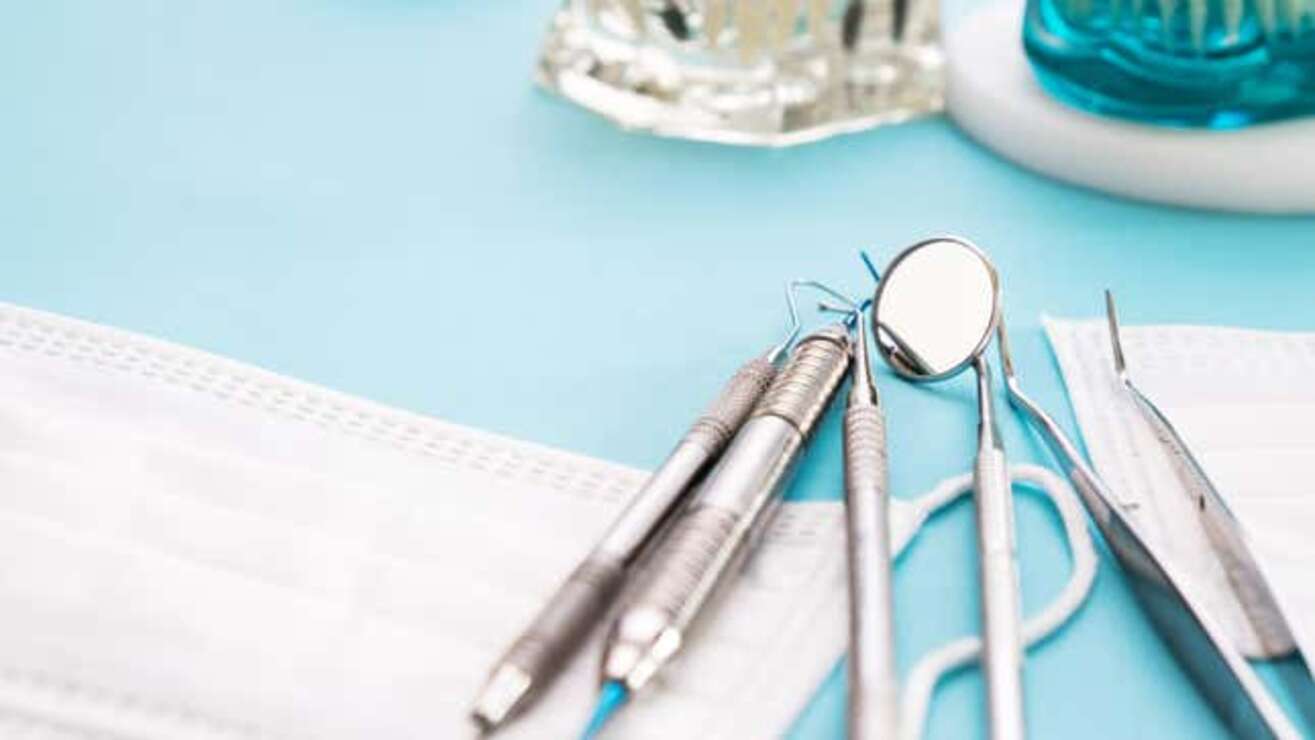 Photo: sujit kantakat (Shutterstock)
.
.
Click the link below for the article:
.
__________________________________________
October 31, 2023
Mohenjo
Business, Food For Thought, Human Interest, Political, Science, Technical
amazon, business, Business News, current-events, Future, Hotels, human-rights, medicine, mental-health, research, Science, Science News, technology, Technology News, travel, vacation

Click the link below the picture
.
When BBC journalist Rory Carson sought online consultations for a potential mental health issue, three private clinics diagnosed him with attention deficit hyperactivity disorder (ADHD). They charged between £685 and £1,095 for these consultations, which lasted between 45 and 100 minutes, and all prescribed him medication.
ADHD is a highly controversial disorder which emerged in the US in the late 1950s during the cold war, and quickly became associated with stimulant drugs such as Ritalin. Now diagnosed throughout the world, ADHD is central to many debates about neurodiversity.
While Carson’s Panorama investigation into its treatment attracted plenty of criticism, the fact that this disorder could apparently be diagnosed quite casually online is concerning. When he subsequently had a more rigorous (but free) three-hour, in-person consultation with an NHS psychiatrist, he was told that he did not, in fact, have ADHD.
Society’s increasing awareness of mental health issues and demand for mental health support has been driven, in part, by social media and easier access to information online. While this is no bad thing in many ways, the related increase in self-diagnosis (including among children and adolescents) is clearly open to abuse by some organizations offering costly diagnoses and treatments.
But there is another reason for this rapid growth in private mental healthcare. In England alone, the NHS spends around £2 billion per year on private hospital care for mental health patients – equating to 13.5% of its total mental health spend. Due to the reduction in NHS bed provision, nine out of ten privately-run mental health beds are now filled by NHS patients.
While the UK government says it is committed to spending more money on mental health, private investment companies are reportedly queuing up to “seize the opportunities offered up to them by the NHS crisis”. Private providers say they can do more to help avert a mental health emergency exacerbated by the COVID pandemic. Yet, a dozen of the 80-odd privately-run mental health hospitals in England were rated as “inadequate” in the Care Quality Commission’s latest report, which has warned of possible closures.
.
 Advert for a universal basic income (UBI) scheme in New York, May 2016. Such schemes could offer significant benefits for recipients’ mental health. Generation Grundeinkommen via Wikimedia, CC BY-SA
.
.
Click the link below for the article:
.
__________________________________________
October 30, 2023
Mohenjo
Business, Food For Thought, Human Interest, Political, Science, Technical
amazon, business, Business News, current-events, Future, Hotels, human-rights, medicine, mental-health, research, Science, Science News, technology, Technology News, travel, vacation

Click the link below the picture
.
Many of us have been working at home for more than a year now, without the “ambient” exercise we used to get during the 9 to 5 – walking to and from the station, say, or up and down the office stairs. And so we’ve made a conscious effort to get our feet moving and our hearts pounding.
How best to get back into exercise? The experts weigh in.
Don’t Be Ashamed
Exeter-based personal trainer Joe Edmonds sees this all the time: people who want to exercise more, but are terrified to venture into the gym because they are worried that regular users will laugh at them. The reality, he says, “is that, generally speaking, other people don’t care. They’re doing their own thing.” Edmonds advises people to push past the discomfort for a few sessions. “I find that if people can just get in for one or two weeks, they soon change their perception of the gym space, and themselves within the gym space. They just need to get in in the first place.”
Find Your Personal Incentive
If you’re naturally inclined to be sedentary or don’t particularly enjoy working out, it can be difficult to motivate yourself to lace on a pair of trainers and head out for a run. “I would try to encourage that person to find another reason for them to exercise,” says Zahir Akram, personal trainer and founder of Akram Yoga Studio in Addlestone, Surrey. “For me, a huge motivation to continue training and get healthier isn’t aesthetics, but because of my son. I like to remind clients that there are people who rely on them, and they need them to be strong. If you can’t exercise for yourself, do it for the people who rely on you to be healthy.”
.

Inline skating can provide great exercise out of the gym. Photo by Westend61/Getty Images
.
.
Click the link below for the article:
.
__________________________________________
October 30, 2023
Mohenjo
Business, Food For Thought, Human Interest, Political, Science, Technical
amazon, business, Business News, current-events, Future, Hotels, human-rights, medicine, mental-health, research, Science, Science News, technology, Technology News, travel, vacation

Click the link below the picture
.
One morning last August, while making my bed, my entire visual field shifted sharply to the left, as though I were watching a movie and someone had bumped into the projector. After half a second, my vision snapped back into position. I froze, pillow in hand, and carefully looked around. The furniture in my room was still, apparently innocent of whatever had just happened. But I felt a lingering unease that my surroundings were not bolted down.
I went for a jog along the East River, in Brooklyn. Everything seemed to be in the right place—clouds above me, wooden boardwalk below. Still, the 7 A.M. sunlight seemed brighter than usual, and the water rippled in a disjointed way, like a film reel missing a few frames. My head was heavy on my shoulders. Confusingly, it also felt as though it might float away.
Back in my apartment, I rolled out a yoga mat and stretched. When I tilted my head to touch my foot, the room began to rotate like a carousel. I’d had dizzy episodes before, but never anything this intense. I lay down, but the spinning only sped up. I curled up and waited—prayed—for it to end. When it didn’t, I reached for my phone and called a friend who lived nearby.
To let my friend in, I had to crawl the length of my apartment. “Something is wrong,” I told her softly.
At the emergency room, I was helped into a wheelchair because I could barely stand. During the next hour, the E.R. staff ruled out anything life-threatening, like a stroke, yet they couldn’t say what was wrong. It was difficult to diagnose the cause of a dizzy spell, the doctors said, because dizziness is a sensation, not a disease. Many different conditions can produce it. One said that I probably had labyrinthitis, or inflammation of the inner ear, and typed it into my chart.
The swirling behind my forehead lasted all day and night. I couldn’t look at computer screens, so after a week and a half, I took sick leave from my writing job.
I scheduled appointments with virtually every relevant specialist. An audiologist checked my hearing and an ear, nose, and throat doctor shined a light into my ears. Neurologists inspected the movement of my eyes. A physical therapist who specializes in balance issues asked me to close my eyes and stand on one foot. Simply visiting all these doctors was dizzying. As I crisscrossed the city, I had to focus on every footstep to keep from toppling over. Through it all, my tests were coming back normal. My hearing and sight were fine; an MRI was clear.
.
 Illustration by Vartika Sharma
.
.
Click the link below for the article:
.
__________________________________________
October 29, 2023
Mohenjo
Business, Food For Thought, Human Interest, Political, Science, Technical
amazon, business, Business News, current-events, Future, Hotels, human-rights, medicine, mental-health, research, Science, Science News, technology, Technology News, travel, vacation

Click the link below the picture
.
They call it Q-Day: the day when a quantum computer, one more powerful than any yet built, could shatter the world of privacy and security as we know it.
It would happen through a bravura act of mathematics: the separation of some very large numbers, hundreds of digits long, into their prime factors.
That might sound like a meaningless division problem, but it would fundamentally undermine the encryption protocols that governments and corporations have relied on for decades. Sensitive information such as military intelligence, weapons designs, industry secrets, and banking information is often transmitted or stored under digital locks that the act of factoring large numbers could crack open.
Among the various threats to America’s national security, the unraveling of encryption is rarely discussed in the same terms as nuclear proliferation, the global climate crisis, or artificial general intelligence. But for many of those working on the problem behind the scenes, the danger is existential.
“This is potentially a completely different kind of problem than one we’ve ever faced,” said Glenn S. Gerstell, a former general counsel of the National Security Agency and one of the authors of an expert consensus report on cryptology. “It may be that there’s only a 1 percent chance of that happening, but a 1 percent chance of something catastrophic is something you need to worry about.”
The White House and the Homeland Security Department have made clear that in the wrong hands, a powerful quantum computer could disrupt everything from secure communications to the underpinnings of our financial system. In short order, credit card transactions and stock exchanges could be overrun by fraudsters; air traffic systems and GPS signals could be manipulated; and the security of critical infrastructure, like nuclear plants and the power grid, could be compromised.
The danger extends not just to future breaches but to past ones: Troves of encrypted data harvested now and in coming years could, after Q-Day, be unlocked. Current and former intelligence officials say that China and potentially other rivals are most likely already working to find and store such troves of data in hopes of decoding them in the future. European policy researchers echoed those concerns in a report this summer.
.
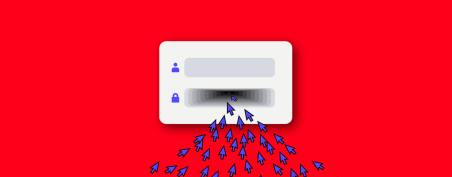 Illustration by Ben Wiseman
.
.
Click the link below for the article:
.
__________________________________________
October 29, 2023
Mohenjo
Business, Food For Thought, Human Interest, Political, Science, Technical
amazon, business, Business News, current-events, Future, Hotels, human-rights, medicine, mental-health, research, Science, Science News, technology, Technology News, travel, vacation

Click the link below the picture
.
Staring into the mirror, on a Tuesday morning, you decide that your self needs all the help it can get. But where to turn? You were reading James Clear’s “Atomic Habits: An Easy & Proven Way to Build Good Habits & Break Bad Ones” and doing well until you spilled half a bottle of Knob Creek over the last sixty pages. Now you’ll never know how it ends. You tried listening to David Goggins’s “Can’t Hurt Me: Master Your Mind and Defy the Odds,” on Audible, in your car, but so thrilling was Goggins’s prose style that you stomped on the gas and rear-ended a Tesla. Do not despair, though. Succor is at hand. Roosting on Amazon’s best-seller list is “Build the Life You Want: The Art and Science of Getting Happier,” by Arthur C. Brooks and Oprah Winfrey (Portfolio).
At this point, your conscience rebels. By buying a book on Amazon, you tell yourself, you will be directly funding a new angora lining for Jeff Bezos’s monogrammed slippers in the master bedroom of his private yacht—not the main one, but the backup vessel currently moored off Patmos. Quivering with righteousness, you close your laptop and stride to your nearest bookstore, only to bump into a dilemma: whereabouts in the store, exactly, can “Build the Life You Want” be found?
It is not an easy volume to place. You’d assume that it belongs on the self-help table. Yet the title suggests home improvement or even civil engineering, and so ardently does Brooks insist on the “four big happiness pillars”—family, friendship, work, and faith—that readers of a nervous disposition may choose to wear a hard hat. On the other hand, Brooks is a professor of management practice at Harvard Business School, so he would slot into the business section with ease. Given that, as he says, “the macronutrients of happiness are enjoyment, satisfaction, and purpose,” there’s an equally strong case for the cookery shelf. Or how about philosophy? Anyone who cites Marcus Aurelius, Thomas Aquinas, Kant, Mick Jagger, Epicurus, and Epictetus, as Brooks does, would be totally stoked to hang out in such lofty company. No one, of course, is loftier than his co-author, and, if your bookstore is furnished with an Oprah wing, that is where the book must be displayed
When two writers join forces, it can be tricky to sort out who did what. Not in this case. Brooks is the principal player, and Oprah is his guest star. Only four times does she enter the action to offer “A Note from Oprah,” and the four notes, added together, take up less than fourteen pages in a book that is more than two hundred and forty pages long. What does she bring, then, apart from the humongous commercial clout of her blessing? Well, she reveals that “The Oprah Winfrey Show” was “always at heart a classroom. I was curious about so many things, from the intricacies of the digestive system to the meaning of life.” (Had she been French, of course, those two items would have been the same.) Near the start of the book, ever alert to her audience, she scrunches what she considers Brooks’s most valuable lesson into “words you should tape to your refrigerator,” and, for extra clarity, accelerates into italics: “Your emotions are only signals. And you get to decide how you’ll respond to them.” One more scrunch, and Oprah has the mantra she wants: “Feel the feel, then take the wheel.”
.

.
.
Click the link below for the article:
.
__________________________________________
October 28, 2023
Mohenjo
Business, Food For Thought, Human Interest, Political, Science, Technical
amazon, business, Business News, current-events, Future, Hotels, human-rights, medicine, mental-health, research, Science, Science News, technology, Technology News, travel, vacation

Click the link below the picture
.
Today, I’m talking to Kashmir Hill, a New York Times reporter whose new book, Your Face Belongs to Us: A Secretive Startup’s Quest to End Privacy as We Know It, chronicles the story of Clearview AI, a company that’s built some of the most sophisticated facial recognition and search technology that’s ever existed. As Kashmir reports, you simply plug a photo of someone into Clearview’s app, and it will find every photo of that person that’s ever been posted on the internet. It’s breathtaking and scary.
Kashmir is a terrific reporter. At The Verge, we have been jealous of her work across Forbes, Gizmodo, and now, the Times for years. She’s long been focused on covering privacy on the internet, which she is first to describe as the dystopia beat because the amount of tracking that occurs all over our networks every day is almost impossible to fully understand or reckon with. But people get it when the systems start tracking faces — when that last bit of anonymity goes away. And, remarkably, Big Tech companies like Google and Facebook have had the ability to track faces like this for years, but they haven’t really done anything with it. It seems like that’s a line that’s too hard for a lot of people to cross.
But not everyone. Your Face Belongs to Us is the story of Clearview AI, a secretive startup that, until January 2020, was virtually unknown to the public, despite selling this state-of-the-art facial recognition system to cops and corporations. The company’s co-founders Hoan Ton-That and Richard Schwartz are some of the most interesting and complex characters in tech, with some direct connections to right-wing money and politics.
Clearview scraped the public internet from billions of photos, using everything from Venmo transactions to Flickr posts. With that data, it built a comprehensive database of faces and made it searchable. Clearview sees itself as the Google of facial recognition, reorganizing the internet by face searches, and its primary customers have become police departments and now the Department of Homeland Security.
Kashmir was the journalist who broke the first story about Clearview’s existence, starting with a bombshell investigation report that blew the doors open on the company’s clandestine operations. Over the past few years, she’s been relentlessly reporting on Clearview’s growth, the privacy implications of facial recognition technology, and all of the cautionary tales that inevitably popped up, from wrongful arrests to billionaires using the technology for personal vendettas. The book is fantastic. If you’re a Decoder listener, you’re going to love it, and I highly recommend it.
.
:format(webp)/cdn.vox-cdn.com/uploads/chorus_asset/file/25006282/Kashmir_Hill_Decoder.jpg) Photo illustration by Alex Parkin / The Verge
Photo illustration by Alex Parkin / The Verge
.
.
Click the link below for the article:
.
__________________________________________
October 28, 2023
Mohenjo
Business, Food For Thought, Human Interest, Political, Science, Technical
amazon, business, Business News, current-events, Future, Hotels, human-rights, medicine, mental-health, research, Science, Science News, technology, Technology News, travel, vacation

Click the link below the picture
.
You might not think about it as much as you do eating healthy, exercising, and getting enough sleep, but maintaining good circulation is one of the most important building blocks to keeping your health on the rails.
“The circulatory system of the body delivers vital oxygen and nutrients to all of our muscles and organs,” says Vincent Varghese, D.O., a cardiac interventionist at Deborah Heart and Lung Center in New Jersey. “When plaque or arterial blockages develop, normal blood flow is hindered and can lead to devastating effects, such as heart attack, stroke, or even leg amputation [in severe cases].”
The process of plaque build-up is a slow one and usually takes decades, he adds, yet studies have shown the precursors of plaque developing as early as our twenties. A sedentary lifestyle, unhealthy eating, high blood pressure, diabetes, smoking, and a family history of early heart or vascular disease can all contribute to poor circulation.
“The most common symptom of impaired circulation to the legs is claudication,” says Caitlin W. Hicks, M.D., a board-certified vascular surgeon and associate professor of surgery at Johns Hopkins Hospital in Baltimore. “It’s a condition where you may experience pain in the buttocks or calves when walking that goes away with rest.”
Cold extremities, leg swelling, and foot wounds that take a while to heal, especially if you have a family history, are all signs you should check in with a vascular specialist.
.
 Дмитрий Ларичев/Getty Images
.
.
Click the link below for the article:
.
__________________________________________
Older Entries
Newer Entries
 James' World 2