The glaciers and ice caps of Iceland cover 11.1% of the land area of the country (about 11,400 km² out of the total area of 103,125 km²) and have a considerable impact on its landscape and meteorology. An ice cap is a mass of glacial ice that covers less than 50,000 km² of land area covering a highland area and they feed outlet glaciers. Glaciers are also contributing to the Icelandic economy, with tourists flocking to the country to see glaciers on snowmobiles and on glacier hiking tours.
Many Icelandic ice caps and glaciers lie above volcanoes, such as Grímsvötn and Bárðarbunga, which lie under the largest ice cap, Vatnajökull. The caldera of Grímsvötn is 100 km² in area, and Bárðarbunga is 60 km².
When volcanic activity occurs under the glacier, the resulting meltwater can lead to a sudden glacial lake outburst flood, known in Icelandic as jökulhlaup, but jökulhlaups are most often caused by the accumulation of meltwater due to geothermal activity underneath the glacier. Such jökulhlaups have occasionally triggered volcanic eruptions through the sudden release of pressure.
Iceland is losing ice due to climate change. Okjökull glacier in Borgarfjörður, West Iceland, has lost its glacier title and is now simply known as “Ok” In order to fit the criteria glaciers need to be thick enough to sink and move under their own weight, which Okjökull is not. Okjökull is the first Icelandic glacier to lose its title.
For those of us who spent most of our lives painstakingly separating plastic, glass, paper and metal, single-stream recycling is easy to love. No longer must we labor. Gone is the struggle to store two, three, four or even five different bags under the kitchen sink. Just throw everything into one dumpster, season liberally with hopes and dreams, and serve it up to your local trash collector. What better way to save the planet?
But you can see where this is headed.
Americans love convenient recycling, but convenient recycling increasingly does not love us. Waste experts call the system of dumping all the recyclables into one bin “single-stream recycling.” It’s popular. But the cost-benefit math of it has changed. The benefit — more participation and thus more material put forward for recycling — may have been overtaken by the cost — unrecyclable recyclables. On average, about 25 percent of the stuff we try to recycle is too contaminated to go anywhere but the landfill, according to the National Waste and Recycling Association, a trade group. Just a decade ago, the contamination rate was closer to 7 percent, according to the association. And that problem has only compounded in the last year, as China stopped importing “dirty” recyclable material that, in many cases, has found no other buyer.
.
Derek Davis / Portland Press Herald via Getty Images
.
.
Click the link below for the article: (Use your browser or smartphone back arrow (<) to return from this article to choose Missed news items in Extra)
The leopard seal, also referred to as the sea leopard, is the second largest species of seal in the Antarctic (after the southern elephant seal). Its only natural predators are the killer whale and possibly the elephant seal. It feeds on a wide range of prey including cephalopods, other pinnipeds, krill, birds and fish. It is the only species in the genus Hydrurga. Its closest relatives are the Ross seal, the crabeater seal and the Weddell seal, which together are known as the tribe of lobodontini seals.[ The name hydrurga means “water worker” and leptonyx is the Greek for “small clawed“.
A Trip To Idaho’s Never-ending Canola Fields Will Make Your Spring Complete
While spring in Idaho often means steadily increasing temperatures, rising rivers, and a bounty of wildflowers, there’s no denying that the return of colorful blooming flowers and the return of lush greenery is a welcome sight after winter. There’s no better time to start exploring or getting your hiking boots broken in for summer!
While the Camas Prairie Centennial Marsh in Fairfield gets an abundance of attention around this time of year for its vibrant purple lilies, and our glorious mountains and foothills are adorned with rainbows of wildflowers, one overlooked region is a sunny sea of particularly beautiful blooms this time of year: North Central Idaho. Here, you’ll find a never-ending ocean of golden flowers stretching and rolling as far as the eye can see – and it’s as lovely as can be!
Animals in Antarctica – South Polar. Antarctic animals – The most abundant and best known animals from the southern continent. Penguins, whales seals, albatrosses, other seabirds and a range of invertebrates you may have not heard of such as krill which form the basis of the Antarctic food web.
Film and Writing Festival for Comedy. Showcasing best of comedy short films at the FEEDBACK Film Festival. Plus, showcasing best of comedy novels, short stories, poems, screenplays (TV, short, feature) at the festival performed by professional actors.

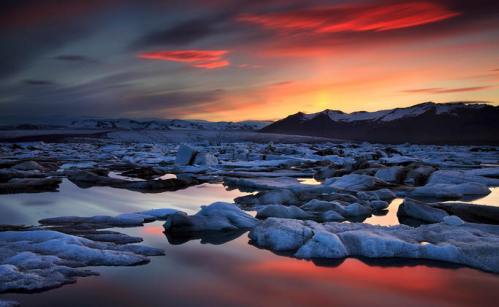 Iceland glaciers

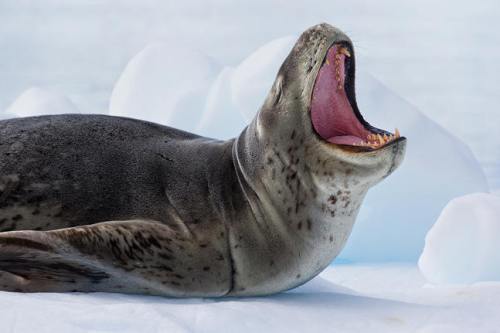 Leopard seal
 Trump won’t shut up





 .
. Canola Field
 Kavanaugh among others
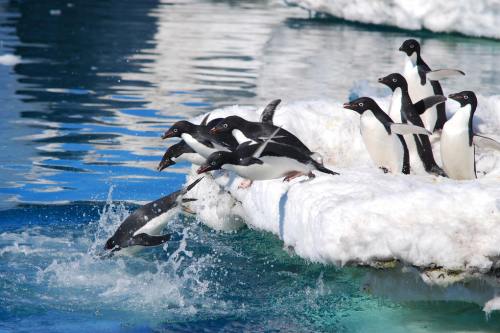 Fauna in Antarctica
 James' World 2